


Imagine never having to scoop a litter box again. You might think training your cat to use the toilet is impossible, but with the right steps, you can make it happen.
This guide will show you how to teach your cat to ditch the litter and use the toilet like a pro. Ready to save time, reduce odors, and impress your friends? Keep reading, because your cat’s bathroom habits are about to change for good.
Benefits Of Toilet Training Cats
Training your cat to use the toilet offers more than just a quirky party trick. It changes the daily routine in ways that benefit both you and your feline friend. From cleaner surroundings to saving money and helping the planet, toilet training can make a real difference in your home life.
Hygiene Improvements
Toilet training reduces the mess that comes with traditional litter boxes. No more tracking litter across your floors or dealing with unpleasant odors in your living space. It also cuts down on the bacteria and allergens that can build up in litter, making your home healthier for everyone.
Think about how much easier it is to clean a toilet than to scoop litter daily. Your cat learns to use a proper bathroom spot, which keeps their paws cleaner and your furniture free from litter dust. This simple change can improve hygiene for both you and your pet.
Cost Savings
Buying cat litter can add up quickly over time. Toilet training eliminates the need for litter, which means you save money on supplies every month. It also cuts down on waste since you won’t be throwing away used litter constantly.
You might spend some time upfront teaching your cat, but the long-term savings are worth it. Imagine not having to rush to the store for litter or pay for expensive brands. Your wallet will thank you.
Environmental Impact
Did you know that cat litter contributes significantly to landfill waste? By training your cat to use the toilet, you reduce this environmental burden. Less litter means fewer plastic bags and packaging ending up in the trash.
This small change in your routine can lessen your household’s carbon footprint. It’s a simple step toward more eco-friendly living that benefits the planet and future generations.
Tools Needed For Training
Training a cat to use the toilet needs some special tools. These tools help make the process smooth and stress-free. Choosing the right items supports your cat’s learning and keeps your bathroom clean. Prepare these essentials before starting your training journey.
Specialized Training Seats
Specialized training seats fit over your toilet bowl. They are designed to hold litter and support your cat’s weight. These seats help your cat get used to the toilet’s shape and height. Many models have removable inserts to gradually reduce litter use. This tool is key for a step-by-step training process.
Cleaning Supplies
Cleaning supplies are important to keep the toilet and bathroom fresh. Use gentle, pet-safe cleaners to avoid harmful chemicals. Keep paper towels or cloths handy for quick messes. A clean area encourages your cat to continue using the toilet. It also helps you maintain hygiene during training.
Rewards And Treats
Rewards and treats motivate your cat to learn new habits. Use small, tasty treats your cat loves. Praise your cat with gentle words and petting. Positive reinforcement makes training enjoyable for your pet. It helps your cat associate the toilet with good things.
Preparing Your Cat
Getting your cat ready for toilet training is crucial for success. It’s not just about placing a seat on the toilet; it’s about understanding your cat’s habits and comfort. Taking time to prepare can prevent frustration for both you and your feline friend.
Assessing Readiness
Not every cat is ready to make the jump from litter box to toilet. Look for signs like curiosity about water, confidence in using the litter box, and good balance. If your cat is shy or anxious, it might be best to wait a bit longer before starting training.
Have you noticed your cat watching you in the bathroom or trying to jump onto the toilet? These are positive signals. On the other hand, if your cat avoids the litter box or is stressed, focus on building confidence first.
Creating A Comfortable Environment
Your cat needs a calm, familiar space to feel safe during this transition. Keep the bathroom warm and quiet, and ensure the toilet seat is stable. Sudden changes or loud noises can cause your cat to reject the training process.
Try adding familiar scents or placing their favorite blanket nearby. Small comforts go a long way in keeping your cat relaxed and willing to try something new.
Introducing The Training Seat
Start by placing the training seat over the toilet with some litter inside. Let your cat explore it at their own pace without pressure. You might want to leave the litter box close by initially, so your cat doesn’t feel forced.
Observe how your cat reacts. If they hesitate, try encouraging them with treats or gentle praise. Remember, patience is key—rushing this step can lead to setbacks.

Credit: www.youtube.com
Step-by-step Training Process
Training your cat to use the toilet is a gradual process that requires patience and consistency. It’s important to break down the steps into manageable parts so your cat can adjust comfortably without stress. Let’s explore how you can guide your cat through this transition effectively.
Gradual Transition From Litter Box
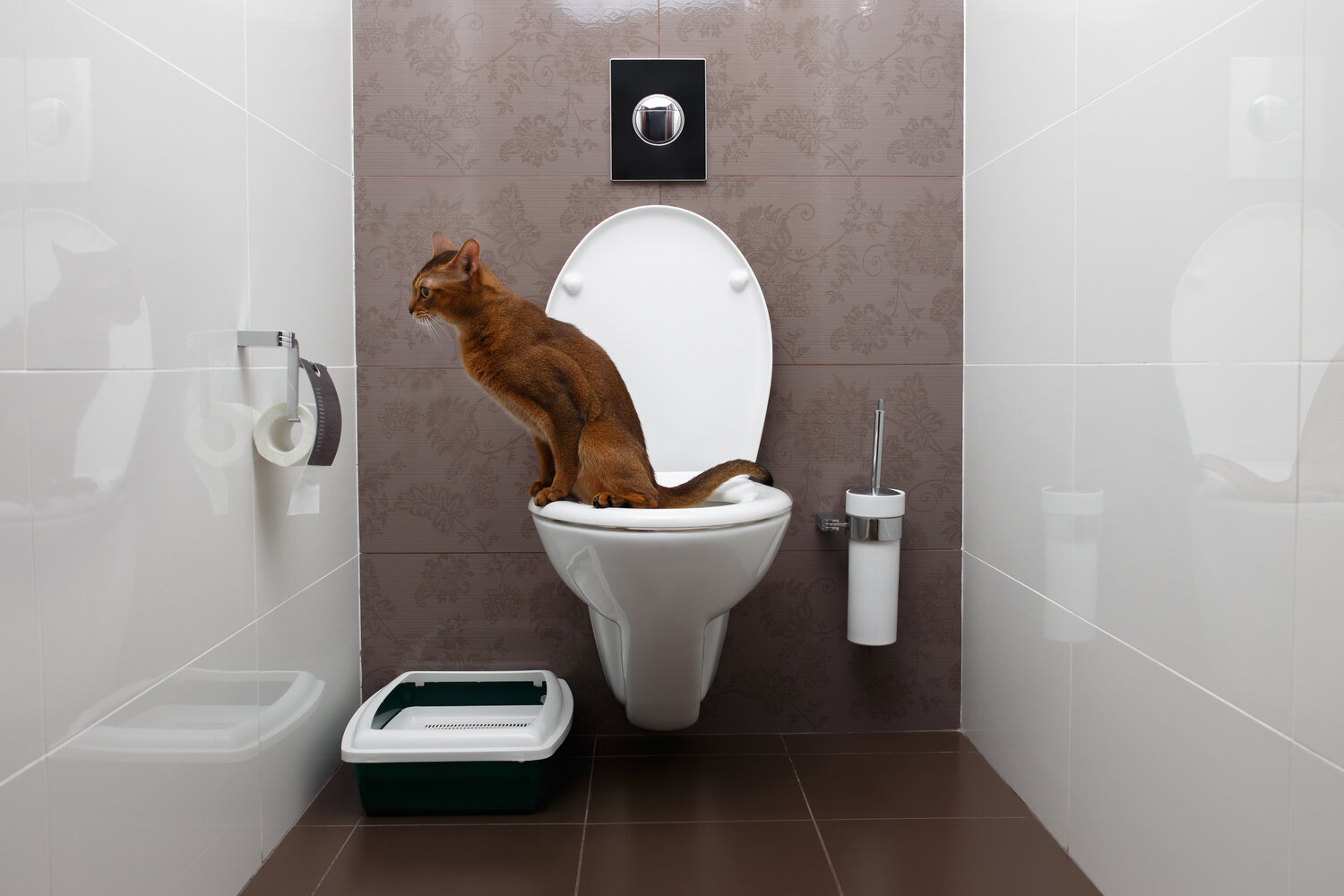
Start by moving the litter box closer to the toilet over several days. This helps your cat get used to the new location without feeling rushed. Place the box right next to the toilet, then on the toilet seat itself, so your cat associates the toilet area with their usual bathroom spot.
Make sure to keep the litter box clean during this phase to encourage use. Have you noticed how cats prefer a tidy space? Use this to your advantage by maintaining cleanliness, which reassures your cat as they explore the new bathroom setup.
Adjusting Training Seat Levels
Next, use a special training seat designed to fit over the toilet bowl. These seats often come with removable sections to gradually reduce the amount of litter. Start with the full seat filled with litter, then slowly remove parts as your cat gains confidence.
This step requires patience; some cats might hesitate when the surface changes. Encourage your cat by gently praising or offering treats when they try the new setup. Have you tried rewarding your cat immediately after they use the training seat? Positive reinforcement can speed up the learning process.
Encouraging Consistent Use
Once your cat is comfortable using the training seat, remove it entirely so they use the toilet directly. Keep the bathroom door open and accessible at all times. If your cat shows signs of confusion or resistance, revert to the previous step briefly before trying again.
Consistency is key here. Create a routine by bringing your cat to the bathroom at regular intervals, especially after meals. Do you notice your cat’s natural habits? Align your training schedule with their instincts to encourage smoother adoption of toilet use.
Common Challenges And Solutions
Training your cat to use the toilet is a rewarding process but it comes with its fair share of challenges. Understanding these common obstacles can prepare you to handle them calmly and effectively. Let’s look at some typical issues and how you can overcome them without losing patience.
Fear Or Resistance
Many cats initially feel uneasy or scared about using the toilet instead of their litter box. This fear often comes from unfamiliar sounds, heights, or the absence of familiar litter.
To help your cat adjust, start by gradually moving the litter box closer to the toilet. Let your cat explore the new setup at their own pace. You might also place treats nearby to create positive associations.
Have you noticed your cat staring at the toilet but hesitating? Sometimes simply spending time near the toilet together can build confidence.
Accidents And Setbacks
Accidents are part of the learning curve. Your cat might fall back to old habits or miss the target occasionally, especially during the transition phase.
Keep a cleaning routine with enzyme-based cleaners to remove odors and avoid repeated accidents in the same spot. Avoid punishing your cat as this can increase anxiety and resistance.
Try to observe if there are specific triggers causing setbacks—such as loud noises or changes in household routine—and minimize them.
Health Concerns
Sometimes your cat’s reluctance to use the toilet signals health issues. Urinary tract infections or constipation can make toilet training uncomfortable or painful.
Monitor your cat’s behavior for signs like frequent attempts to urinate, vocalizing in pain, or blood in urine. Consult your vet if you notice these symptoms before continuing training.
Taking care of your cat’s health ensures that toilet training becomes a stress-free and positive experience for both of you.
Credit: www.spacecatacademy.com
Maintaining Good Habits
Maintaining good habits is key to successful toilet training for cats. It keeps the process smooth and avoids setbacks. Consistency helps cats feel secure and confident using the toilet. Careful attention and patience make all the difference in long-term success.
Regular Cleaning Routine
Keep the toilet seat clean and dry. Remove any waste immediately to prevent odors. Use mild, pet-safe cleaners to avoid strong smells. A clean toilet encourages cats to use it regularly. Avoid harsh chemicals that can scare your cat away.
Monitoring Behavior Changes
Watch your cat for signs of discomfort or avoidance. Changes in behavior may signal problems with toilet use. Look for scratching, hesitation, or accidents outside the toilet. Early detection helps solve issues before they grow. Note any changes and adjust training if needed.
Positive Reinforcement
Reward your cat with praise or treats after toilet use. Positive feedback motivates your cat to repeat good behavior. Use a calm voice and gentle petting to encourage them. Avoid punishment, which can cause fear or confusion. Celebrate small successes to build confidence.
When To Seek Professional Help
Teaching a cat to use the toilet can be challenging. Some cats adapt quickly, while others may show signs of stress or confusion. Recognizing when to seek professional help is important. It ensures your cat’s well-being and avoids frustration for both of you.
Behavioral Experts
Behavioral experts specialize in animal habits and training. They can identify if your cat struggles due to anxiety or fear. These professionals offer tailored advice and strategies. Their guidance helps create a calm and positive learning environment. A behavioral expert can suggest alternative methods if toilet training is not suitable.
Veterinary Advice
Veterinarians check for health issues affecting toilet training. Urinary tract infections, digestive problems, or pain may cause your cat to avoid the toilet. A vet exam rules out medical causes behind unwanted behavior. Early detection of health problems improves your cat’s comfort. Follow the vet’s advice to support your cat’s training journey.

Credit: www.youtube.com
Frequently Asked Questions
How Long Does Toilet Training A Cat Take?
Toilet training a cat usually takes 4 to 6 weeks. Consistency and patience are key to success. Each cat learns at its own pace, so avoid rushing the process.
What Supplies Are Needed For Cat Toilet Training?
You need a special cat toilet training seat, treats, and patience. Gradually move the litter box closer to the toilet. These supplies help ease your cat into the new habit.
Can All Cats Learn To Use The Toilet?
Most cats can learn toilet training, but some resist. Younger cats adapt faster than older ones. Health or behavioral issues may affect success, so consult a vet if needed.
Is Toilet Training Safe For Cats?
Yes, toilet training is safe when done correctly. Avoid forcing your cat or rushing steps. Always monitor your cat’s comfort and health during training.
Conclusion
Training cats to use the toilet takes time and patience. Start slow and be consistent every day. Celebrate small steps and avoid rushing your cat. Watch their behavior and adjust the training as needed. Toilet training can save space and reduce litter mess.
Remember, not all cats will learn the same way. Stay calm and gentle throughout the process. Your efforts can lead to a cleaner home and a happy cat. Keep trying, and enjoy the journey together.
