

Are you looking for fun ways to keep your cat happy and active? Cat entertainment games are the perfect solution to spark your furry friend’s curiosity and energy.
Whether your cat loves chasing, pouncing, or solving puzzles, these games can turn playtime into a thrilling adventure. Keep reading to discover simple and exciting ideas that will make your cat’s day—and strengthen the bond between you and your pet.
You won’t want to miss these tips that bring joy and excitement right into your home!
Choosing The Right Toys
Choosing the right toys for your cat is essential to keep them happy, healthy, and mentally stimulated. Cats have unique personalities and play styles, so understanding what excites your feline friend can make all the difference. The right toys not only entertain but also encourage exercise and reduce stress.
Interactive Toys For Engagement
Interactive toys grab your cat’s attention and invite them to play actively. Toys like laser pointers, feather wands, and motorized mice create a chase experience that mimics hunting. Have you noticed how your cat perks up and runs after a fluttering feather? That’s engagement at its best.
Choose toys that respond to your cat’s movements or allow you to join in the fun. Puzzle feeders are great because they combine play with mental challenge, making your cat work for treats. This type of engagement can reduce boredom and destructive behavior.
Diy Toys From Household Items
You don’t always need to buy fancy toys to entertain your cat. Many household items can become exciting playthings with a little creativity. For example, a simple cardboard box can turn into a hideout or a tunnel for exploration.
Try making a toy by tying a string to a small ball or using a paper bag as a crinkle tunnel. Cats love textures and sounds that mimic prey. What common item in your home could become your cat’s next favorite toy?
Safe Materials For Cat Toys
Safety should be your top priority when selecting or creating toys. Avoid small parts that can be swallowed or materials that easily break apart. Soft fabrics, untreated wood, and non-toxic rubber are usually good choices.
Check toys regularly for wear and tear to prevent hazards. If you’re unsure about a material, research it or ask your vet. Your cat’s safety during playtime helps ensure fun without risk.
Creating Play Zones
Creating play zones for cats boosts their happiness and health. These zones offer safe spaces for exercise and rest. They reduce boredom and encourage natural behaviors. Thoughtful design helps cats explore and relax comfortably.
Setting Up Climbing Structures
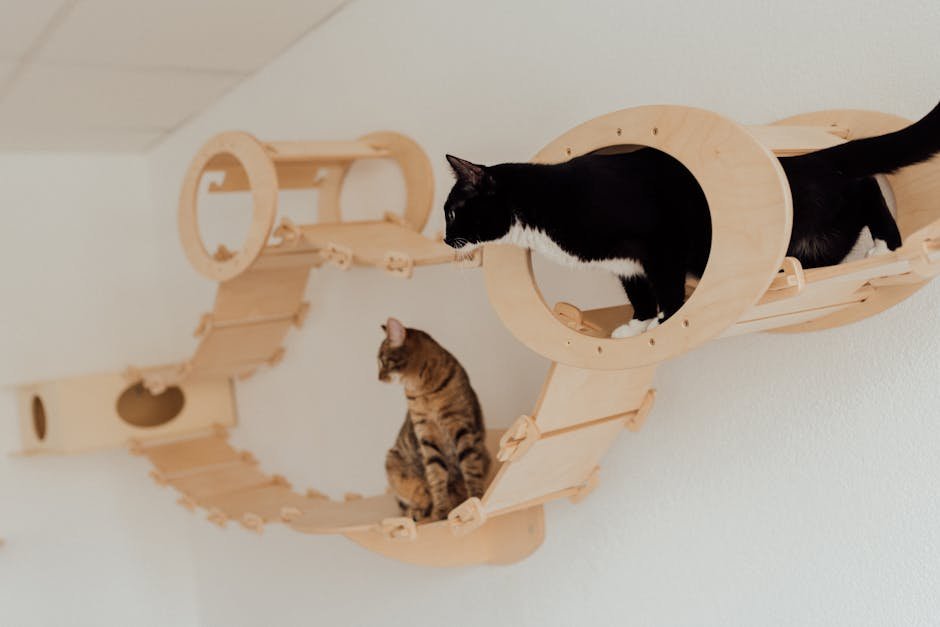
Climbing structures keep cats active and engaged. Use sturdy shelves, ramps, or ladders made for cats. Place these near windows for a view of outside activity. Choose materials that are easy to clean and scratch-resistant.
- Install multiple levels to encourage jumping and climbing.
- Ensure all parts are secure and stable.
- Add soft cushions on platforms for comfort.
Designing Cozy Hideouts
Hideouts give cats quiet places to rest and feel safe. Use soft fabrics like fleece or cotton for bedding. Boxes, tunnels, or small tents work well as hideouts. Position them in low-traffic areas to avoid disturbance.
- Make entrances just big enough for your cat.
- Keep hideouts clean and dry.
- Include toys inside to encourage play.
Using Vertical Space Effectively
Vertical space expands play zones without taking floor room. Wall-mounted shelves and perches let cats climb and watch. Trees or tall scratching posts provide exercise and rest spots. Arrange these at different heights for variety.
- Secure all vertical elements to prevent falls.
- Place near natural light to attract cats.
- Combine with toys to increase interaction.
Incorporating Technology
Technology has changed how cats play and stay active. It adds fun and variety to their daily routine. Modern cat entertainment uses gadgets to engage their hunting instincts and curiosity. These tools keep cats moving and thinking, which helps their health and happiness. Technology also helps owners interact with their pets more easily.
Laser Pointers And Motion Toys
Laser pointers create a bright, fast-moving dot for cats to chase. Cats love to run after the light as if it were a small bug. Motion toys mimic the movement of prey, like mice or birds. These toys move on their own or with a remote, catching a cat’s attention. They keep cats active and entertained, especially indoors.
Automated Play Devices
Automated play devices work without constant human help. They include ball launchers, robotic mice, and spinning toys. These devices move or make sounds to attract cats. They give cats exercise and mental stimulation even when owners are busy. Many have timers or sensors to start and stop play sessions.
Apps And Games For Cats
Apps designed for cats show moving objects on screens like tablets or phones. Cats tap or paw at fish, bugs, or balls displayed on the screen. These games challenge cats’ reflexes and curiosity. Some apps allow owners to customize the game speed and objects. They offer a simple and interactive way to entertain indoor cats.
Games To Stimulate Hunting Instincts
Cat entertainment games help cats practice their natural hunting skills through fun activities. Toys that mimic prey encourage chasing, pouncing, and stalking behaviors. These games keep cats active, sharp, and mentally engaged.
Cats are natural hunters, and engaging their instincts can lead to a happier, healthier pet. Stimulating your cat’s hunting instincts through play not only provides mental and physical exercise but also strengthens your bond with them. By introducing a variety of interactive games, you can transform your home into an exciting playground for your feline friend.Chasing And Pouncing Activities
Encourage your cat’s innate desire to chase and pounce with laser pointers or toy mice. These activities mimic the movements of prey, captivating your cat’s attention and enticing them to spring into action. Always ensure you end the play session with a tangible toy they can catch to prevent frustration. Create an interactive environment by using toy balls or small plush toys. Toss them across the room and watch your cat dash after them with gusto. This simple act not only provides exercise but also hones their hunting skills.Puzzle Feeders And Treat Games
Puzzle feeders are a fantastic way to stimulate your cat’s mind and body. By hiding treats inside these puzzles, you encourage your cat to think and work to get their reward. It’s a delightful challenge that can keep them engaged for hours. Consider using treat-dispensing balls that release a treat as your cat bats them around. This activity not only taps into their hunting instincts but also encourages problem-solving skills. Have you noticed how your cat becomes more focused and determined when a tasty treat is the prize?Using Feathers And Strings
Feathers and strings are classic toys that never fail to excite cats. Their fluttering motion resembles birds or insects, sparking the predator within your feline. Dangle a feather wand or string and watch your cat leap and bound with joy. Make sure to supervise playtime with strings to avoid any accidents. It’s important to store them safely after use. How often do you find your cat eagerly waiting for the string to reappear? These games are simple yet effective ways to enrich your cat’s life. By incorporating these activities into your routine, you’re not only providing fun but also nurturing their natural behaviors.Scheduling Playtime
Scheduling playtime is key to keeping cats happy and healthy. Cats have natural rhythms that guide their energy levels. Matching playtime with these rhythms helps maintain their interest and excitement. Setting a routine also strengthens your bond with your cat. Play sessions should be planned to fit their active and resting periods.
Best Times For Active Play
Cats are most active at dawn and dusk. These times mimic their natural hunting hours. Engage your cat during early morning or early evening. Use toys that encourage chasing or pouncing to stimulate them. Avoid play sessions during their usual sleep hours to prevent frustration.
Short Sessions Vs. Long Sessions
Short play sessions work best for cats. Sessions lasting 5 to 10 minutes keep their attention high. Long sessions might cause boredom or tiredness. Multiple short sessions spread throughout the day work better than one long session. This approach fits their short bursts of energy.
Balancing Play With Rest
Rest is as important as play. Cats need time to recover after active play. Watch for signs of tiredness like yawning or slowing down. Stop play before your cat loses interest. A balance between play and rest keeps your cat happy and healthy.
Encouraging Social Play
Encouraging social play is a fantastic way to keep your cat mentally sharp and physically active. Social play helps cats learn boundaries, build confidence, and reduce stress. Whether your cat prefers solo fun or thrives on interaction, adding social elements can enrich their daily routine.
Playing With Multiple Cats
When you have more than one cat, social play can become a lively and joyful experience. Offer toys that encourage group interaction, like wand toys or balls that multiple cats can chase together.
Watch how your cats respond to shared playtime. Some may enjoy cooperative games, while others prefer taking turns. You can create a safe play zone where they can engage without feeling crowded.
Have you noticed your cats developing a playful rivalry or teamwork? This can be a sign of healthy social interaction and helps them bond.
Involving Owners In Play
Your involvement in playtime is key to strengthening your bond with your cat. Use interactive toys like laser pointers or feather wands to actively engage your cat in chasing and pouncing.
Try setting aside a few minutes daily for focused play sessions. Cats often respond better when they feel your attention is on them, making play more rewarding.
Consider how your mood and energy affect your cat’s enthusiasm. Staying positive and patient encourages your cat to return for more playtime.
Safe Play With Other Pets
Introducing play between cats and other pets requires careful attention to safety. Start with short supervised sessions and use toys that keep the focus on play rather than confrontation.
Observe body language closely—signs like hissing or raised fur mean it’s time to pause and give space. Using barriers like baby gates can help pets see but not touch each other initially.
Could your pets learn to share playtime peacefully? With patience and respect for their boundaries, you can foster a harmonious play environment for all your furry friends.
Monitoring Cat’s Preferences
Understanding your cat’s preferences is key to keeping them happy and engaged. Each cat has unique tastes that can change over time. Watching closely helps you tailor playtime to suit their current interests and energy levels.
Observing Favorite Toys And Games
Pay attention to which toys your cat returns to again and again. Do they chase feathers, bat at laser dots, or prefer puzzle feeders? Notice if they seem excited by sudden movements or prefer slow, gentle play.
Try offering a variety of toys and watch their reactions. If a toy lies untouched for days, it’s probably not their favorite. Your cat’s choices tell you what kind of stimulation they enjoy most.
Adjusting Play Based On Mood
Your cat’s mood can change quickly during playtime. Sometimes they want to hunt and pounce; other times, they just want a quiet cuddle. Recognize these shifts and switch the type of play accordingly.
If your cat suddenly stops chasing a toy or walks away, it might be time for a break. Offering gentle petting or a calm environment can be just as rewarding as active games.
Signs Of Overstimulation
It’s important to know when your cat has had enough. Signs like tail flicking, flattened ears, or quick biting suggest they’re overstimulated. Continuing to play when your cat shows these signals can lead to stress or aggression.
Watch for sudden changes in behavior and respect their limits. Giving your cat space after intense play helps them relax and stay happy with future games.
Frequently Asked Questions
What Are The Best Games To Entertain Cats Indoors?
Interactive toys like laser pointers, feather wands, and puzzle feeders are top indoor games. They stimulate your cat’s mind and body. These games prevent boredom and encourage natural hunting behavior, keeping cats active and happy indoors.
How Do Cat Entertainment Games Improve Cat Health?
Games increase physical activity, helping to maintain a healthy weight. They also reduce stress and anxiety by providing mental stimulation. Regular play strengthens the bond between cats and owners, promoting overall well-being and happiness.
Can I Create Diy Cat Games At Home?
Yes, simple items like paper balls, cardboard boxes, and string make great DIY games. These inexpensive options offer variety and fun. DIY games engage your cat’s curiosity and keep them entertained without costly toys.
How Often Should I Play Entertainment Games With My Cat?
Daily play sessions of 10 to 15 minutes are ideal for cats. Frequent short sessions keep cats engaged and prevent fatigue. Consistent playtime supports a healthy lifestyle and strengthens your relationship.
Conclusion
Cats love to play and stay active. Games help keep them happy and healthy. Simple toys can bring hours of fun. Interactive play also builds a strong bond. Try different games to see what your cat enjoys. Regular playtime reduces stress and boredom.
Your cat’s well-being improves with daily entertainment. Enjoy watching your furry friend stay lively and joyful.
