

Have you ever wished your cat could understand you better or follow simple commands without the usual struggle? Clicker training for cats can make that happen—and it’s easier than you think.
Imagine turning your cat’s curious nature into a fun game that strengthens your bond and makes daily life smoother. If you want to discover a proven way to teach your cat new tricks, reduce unwanted behavior, and enjoy more playful moments together, keep reading.
This guide will show you how to get started with clicker training and why it works so well for your feline friend.
Basics Of Clicker Training
Clicker training is a simple, effective way to teach cats new behaviors. It uses a small device that makes a distinct clicking sound. This sound marks the exact moment your cat does something right. Over time, your cat learns to connect the click with a reward. This helps build good habits and strengthens your bond.
What Is Clicker Training
Clicker training is a type of positive reinforcement. The click sound signals your cat to expect a treat. It helps communicate clearly what behavior you want. Training sessions are short and fun for your cat. This method encourages learning without force or punishment.
Why Use Clicker Training For Cats
Clicker training makes learning faster and clearer for cats. Cats respond well to sounds and rewards. It reduces confusion during training. This method builds trust between you and your pet. It also helps solve behavior problems gently. Most cats enjoy the challenge and treats.
Essential Tools Needed
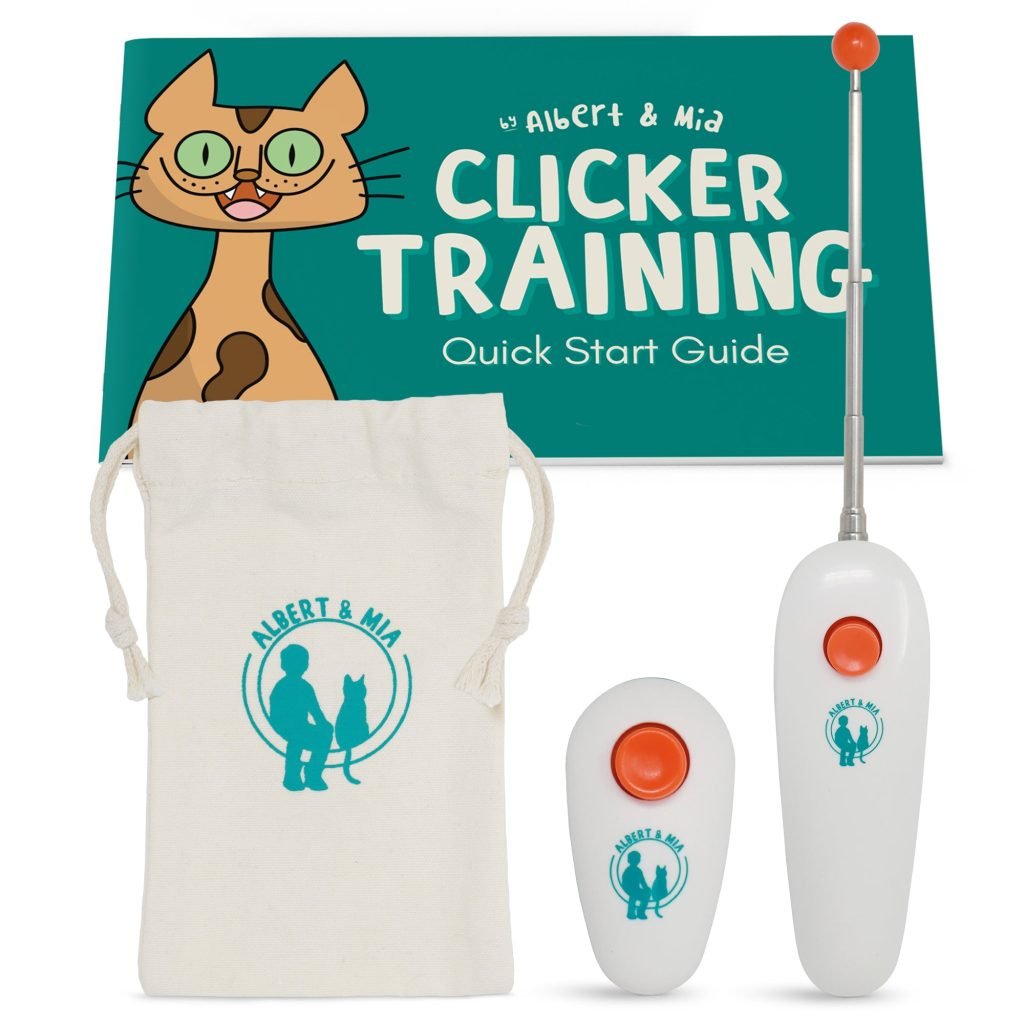
- Clicker – a small handheld device that makes a click sound
- Tasty treats – small, soft, and easy to eat quickly
- Quiet space – a calm area free from distractions
- Patience – short sessions and consistent practice
:strip_icc()/spruce-pets-cat-clicker-training-5594c453bd7f499aa8e7cf756d485afc.png)
Credit: www.thesprucepets.com
Preparing Your Cat
Preparing your cat for clicker training sets the foundation for success. It involves understanding your cat’s mood, environment, and what truly motivates them. Taking these steps helps your cat feel safe and eager to learn.
Choosing The Right Time
Pick a moment when your cat is naturally alert but not overly energetic. After a nap or a quiet period works well since your cat is more focused and less distracted.
Avoid training sessions during meal times or when your cat is restless. Have you noticed your cat’s energy dips at certain times? Use those moments to start training for better results.
Creating A Calm Environment
Find a quiet spot free from noise and distractions. Turn off TVs, close windows to block outside sounds, and keep other pets away.
A calm space helps your cat concentrate on the clicker and the treats. I once tried training near a busy window, and my cat was more interested in birds than the clicker—environment really matters.
Identifying Motivators
Every cat is different. Some love small treats, others prefer petting or a favorite toy. Watch what catches your cat’s attention most.
Try offering a few different rewards to see what your cat values. Using the right motivator keeps your cat engaged and makes training feel like play instead of work.
Starting The Training
Starting clicker training with your cat is an exciting journey that requires patience and consistency. You want to create a clear communication channel between you and your feline friend. This process helps your cat understand exactly what behavior earns a reward, making training both effective and enjoyable.
Introducing The Clicker
Begin by simply showing your cat the clicker. Let them hear the clicking sound a few times without any other action. This step helps your cat get curious and familiar with the new sound in a low-pressure way.
Try clicking near your cat during calm moments. Watch their reaction and avoid forcing attention. This gentle introduction sets a positive tone for future training sessions.
Building The Clicker-reward Connection
The key to success is linking the clicker sound to a treat your cat loves. After each click, immediately offer a tasty reward. Timing is crucial here; the click must come at the exact moment your cat does something good.
Repeat this pairing several times in short sessions. You’ll notice your cat starts to anticipate the treat when they hear the click. This anticipation means your cat understands the click signals a reward is coming.
Simple First Commands
Start with easy commands like “sit” or “come” to build confidence. Use the clicker to mark the moment your cat performs the desired action, then reward right away. Keep sessions brief and fun to hold your cat’s interest.
- Ask your cat to “sit” by gently pressing on their hindquarters if needed.
- Click the instant their bottom touches the floor.
- Follow with a treat and praise.
Have you noticed how quickly cats respond when they understand what you want? Your patience now will pay off with a well-trained and happy cat who enjoys learning new tricks.

Credit: www.catschool.co
Advanced Techniques
Advanced clicker training techniques deepen your cat’s learning and behavior control. These methods build on basic skills and offer ways to teach tricky actions. They also help manage unwanted habits and keep your cat active and happy. Using these strategies strengthens your bond and makes training more fun for both of you.
Shaping Complex Behaviors
Shaping breaks down a hard behavior into small steps. Reward each step that moves closer to the final action. For example, to teach your cat to jump through a hoop:
- Click and treat when your cat looks at the hoop.
- Next, reward touching the hoop with a paw.
- Then, reward stepping through it.
- Finally, reward jumping through completely.
This step-by-step approach helps your cat learn difficult tricks without stress. Be patient and consistent for best results.
Using Clicker Training For Problem Behaviors
Clicker training helps reduce unwanted habits like scratching furniture or jumping on counters. Start by clicking and rewarding your cat for good behavior, like using a scratching post. Redirect attention gently and reward calm behavior. Over time, your cat learns which actions earn treats and which do not. This method is gentle and avoids punishment, making your cat feel safe.
Incorporating Play And Exercise
Use the clicker during play to encourage active behavior. Teach your cat to chase toys or perform tricks that involve movement. This keeps your cat healthy and mentally sharp. For example, click and treat when your cat catches a toy or runs to you. Playful training sessions build fitness and reduce boredom. Short, frequent sessions work best to hold your cat’s interest.
Common Challenges
Clicker training your cat is rewarding, but it comes with its own set of challenges. Recognizing these hurdles helps you stay patient and adapt your approach effectively. Let’s look at some common struggles you might face and how to handle them.
Dealing With Distractions
Cats are naturally curious and easily distracted. A sudden noise or movement can pull their attention away from training, making progress slow.
Try training in a quiet, familiar room with minimal interruptions. If you notice your cat losing focus, pause and give them a break before trying again. Sometimes, shorter sessions work better to keep their interest alive.
Handling Unresponsive Cats
Not every cat will respond immediately to the clicker. Some seem indifferent or just don’t get the connection between the sound and the reward.
Start by pairing the clicker with treats multiple times before expecting any behavior. If your cat remains unresponsive, consider using higher-value rewards like their favorite food or extra affection. Patience is key here—cats often learn on their own timeline.
Avoiding Training Pitfalls
Common mistakes can slow down your cat’s learning or even cause frustration. For example, clicking too often without a reward can confuse your cat.
- Always follow the click with a treat or positive reinforcement.
- Don’t expect too much too soon; keep goals realistic.
- Watch for signs of stress, such as hiding or aggression, and adjust your approach.
Have you noticed your cat zoning out or ignoring the clicker? It might be time to rethink your strategy or try a different reward. What small change can you make today to improve your training sessions?
Benefits Of Consistent Training
Consistent clicker training offers more than just teaching tricks to your cat. It builds a foundation for better interaction and understanding between you and your feline friend. The benefits stretch beyond the training sessions and influence daily life in meaningful ways.
Improved Communication
Regular training helps you and your cat develop a clear way to communicate. The clicker acts as a precise signal that your cat learns to associate with specific behaviors and rewards.
This clarity reduces confusion and frustration on both sides. Have you noticed how your cat starts to respond faster and more accurately as training continues?
Enhanced Bonding
Training sessions create dedicated time for positive interaction. Your cat starts to see you as a source of fun and rewards, strengthening your emotional connection.
Sharing these moments can turn a shy or independent cat into a more affectionate companion. How often do you set aside time just for engaging with your cat?
Long-term Behavior Changes
Consistency in training reinforces good habits and discourages unwanted behaviors. Over time, your cat learns to choose behaviors that please you, making daily life smoother.
For instance, instead of scratching furniture, your cat might learn to use a scratching post reliably. What behaviors would you like to change or encourage in your cat?
Tips For Success
Success in clicker training depends on a few key habits. Keeping your cat interested and motivated makes training smooth. Small changes in how you train can lead to big results. Below are simple tips to help your cat learn quickly and happily.
Keeping Sessions Short
Short training sessions help hold your cat’s attention. Five to ten minutes is enough to avoid boredom. End on a positive note to keep your cat eager for next time. Frequent, brief sessions work better than long, tiring ones.
Using High-value Rewards
Choose rewards your cat loves most. Treats with strong smells or flavors work well. Playtime or petting can also be great rewards. Use rewards immediately after the click to link action and reward.
Tracking Progress
Write down what your cat learns each day. Note which commands work best and what needs more practice. Tracking helps you see small improvements and stay patient. Adjust your training based on your notes for steady progress.

Credit: www.amazon.ca
Frequently Asked Questions
What Is Clicker Training For Cats?
Clicker training is a positive reinforcement method using a sound to mark desired behaviors. It helps cats learn commands quickly and builds a stronger bond between pet and owner.
How Does Clicker Training Benefit Cats?
Clicker training improves communication, reduces behavioral issues, and stimulates mental activity. It encourages good habits and makes learning fun for cats of all ages.
Can All Cats Learn With Clicker Training?
Yes, most cats can learn through clicker training. Patience and consistency are key, and the training should be tailored to each cat’s personality and motivation.
How Do I Start Clicker Training My Cat?
Begin by associating the clicker sound with a treat. Click, then immediately give a treat. Repeat until your cat links the sound to rewards.
Conclusion
Clicker training helps build trust between you and your cat. It makes learning fun and clear for your pet. Cats respond well to small rewards and consistent signals. Training sessions should be short and regular for best results. Patience and kindness will bring great progress over time.
This simple method can improve your cat’s behavior and mood. Try it today and enjoy a happier, smarter cat. Training can be easy and rewarding for both of you.
