

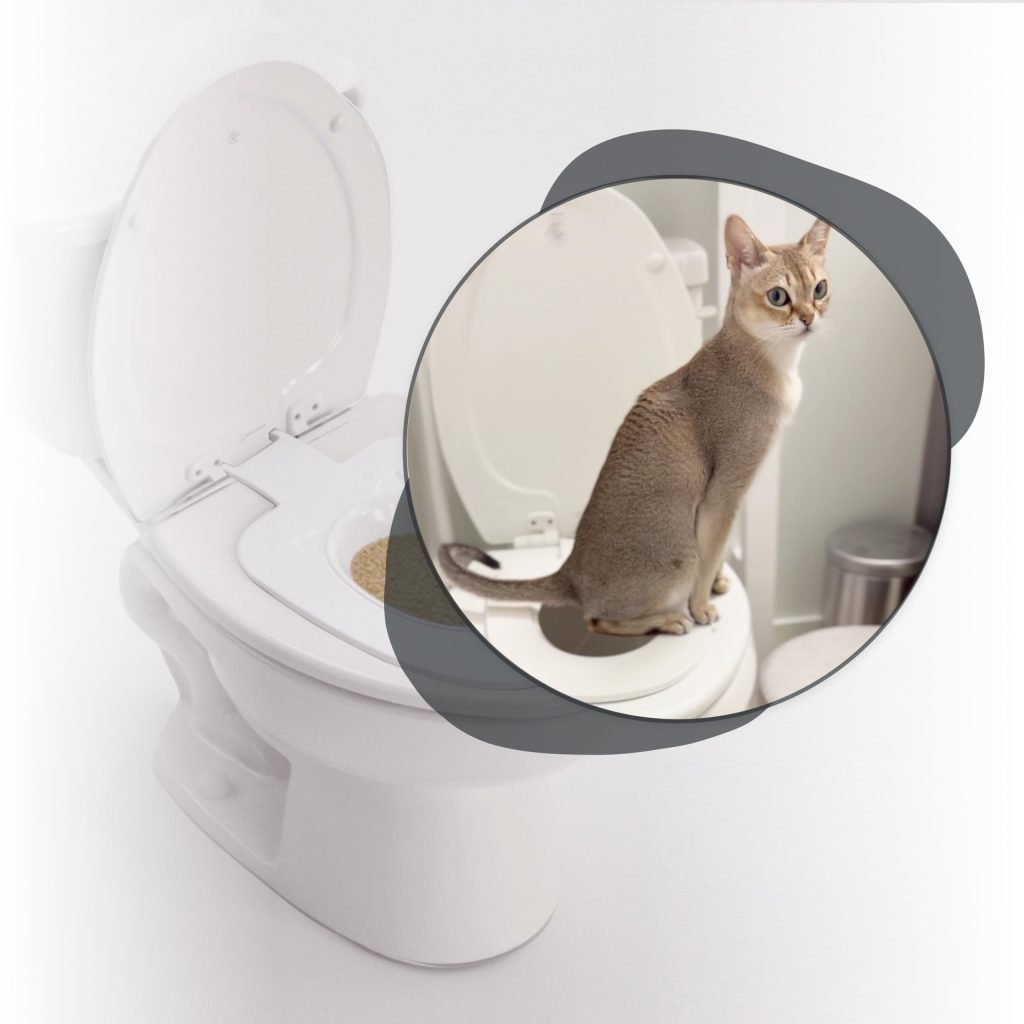
Have you ever wished your cat could use the toilet just like you do? Imagine no more litter boxes to clean or unpleasant odors in your home.
Training your cat to use the toilet might sound tricky, but with the right approach, it’s easier than you think. In this guide, you’ll discover simple steps that can transform your daily routine and make life cleaner and more convenient for both you and your furry friend.
Keep reading to unlock the secrets of successful cat toilet training!
Credit: www.amazon.com
Benefits Of Toilet Training Cats
Toilet training cats offers many benefits for both pets and owners. It helps keep your home cleaner and reduces the need for litter boxes. Cats enjoy the freedom and comfort of using the toilet like their humans.
Training your cat to use the toilet can save money on litter and reduce waste. It also helps control odors and makes cleaning easier. A trained cat can adapt well to new environments without litter boxes.
Hygiene And Cleanliness
Toilet training cats improves hygiene by eliminating litter mess. No scattered litter means fewer germs and less dirt in your home. Your bathroom stays cleaner, and your cat avoids stepping in dirty litter.
Cost Savings
Using the toilet cuts down on litter expenses. You no longer need to buy bags of litter regularly. This saves money over time, especially with multiple cats in the house.
Environmental Benefits
Reducing litter use helps the environment. Less litter means less waste going to landfills. Toilet-trained cats produce no litter waste, lowering your home’s carbon footprint.
Convenience And Ease
Cleaning a litter box takes time and effort. Toilet training removes this daily chore. Your bathroom only needs occasional cleaning, saving you time and hassle.
Cat’s Comfort And Health
Cats often prefer the toilet because it is clean and odor-free. It helps prevent litter-related allergies in cats. Toilet use can reduce urinary tract infections linked to dirty litter boxes.
Credit: www.amazon.com
Preparing Your Cat For Training
Preparing your cat for toilet training takes patience and care. It helps to create a calm and positive space. Cats need time to adjust to new routines and surroundings. Understanding your cat’s needs makes training easier and more effective.
Choosing The Right Toilet Trainer
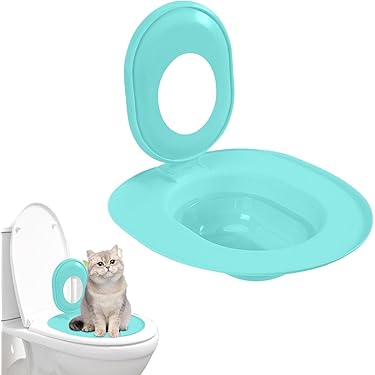
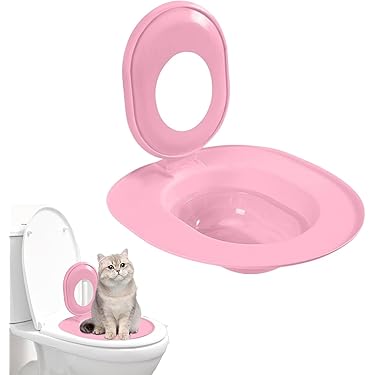
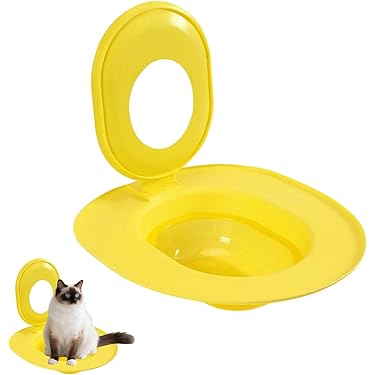
Select a trainer that fits your cat’s size and comfort. Look for models that are easy to clean and sturdy. Some trainers come with adjustable levels to match your cat’s progress. Choose one with clear instructions for easy setup.
Setting Up The Bathroom Environment
Keep the bathroom quiet and free from distractions. Place the toilet trainer on the toilet seat securely. Provide a small step or stool to help your cat climb up. Make sure the bathroom is warm and well-lit. Keep the litter box nearby during the transition.
Ensuring Your Cat’s Health
Check your cat’s health before starting toilet training. Look for signs of urinary or digestive problems. Schedule a vet visit to rule out infections or illnesses. Healthy cats learn faster and feel more comfortable. Keep fresh water and healthy food available at all times.
Step-by-step Toilet Training Process
Training your cat to use the toilet takes patience and clear steps. Each phase helps your cat adjust comfortably. Success comes from small changes and careful observation. Follow the process at your cat’s pace.
Introducing The Training Seat
Place a special training seat over the toilet bowl. This seat looks like a litter box. Let your cat explore it for a few days. Keep some litter inside the seat. The familiar smell helps your cat feel safe.
Gradual Transition From Litter Box
Move the litter box closer to the bathroom. Each day, bring it nearer to the toilet. Replace the box with the training seat after a week. Slowly reduce the litter amount in the seat. This change teaches your cat to use the toilet water.
Monitoring Your Cat’s Progress
Watch your cat’s behavior closely. Check if your cat uses the seat without stress. Praise and reward your cat after each success. Note any signs of discomfort or confusion. Adjust the training speed based on your cat’s comfort.
Troubleshooting Common Issues
- Cat avoids the seat: Add more litter and slow transition.
- Cat falls into the toilet: Use a seat with a stable surface.
- Accidents outside toilet: Clean area and guide cat gently back.
- Cat shows stress: Pause training and return to litter box.
Credit: www.amazon.com
Tips For Maintaining Success
Maintaining success with cat toilet training requires ongoing effort and understanding. Cats need clear guidance and gentle support to keep using the toilet confidently. Small daily habits help reinforce good behavior and prevent setbacks. Let’s explore key tips to keep your cat on track.
Positive Reinforcement Techniques
Reward your cat immediately after using the toilet. Use treats or gentle praise to encourage the behavior. Cats respond well to positive signals. Avoid punishment as it can cause stress and confusion. Celebrate small progress to build their confidence.
Consistency And Patience
Keep a regular schedule for toilet training sessions. Consistent routines help cats learn faster. Stay patient during the process; some cats take longer to adapt. Avoid sudden changes in the environment or training method. Steady practice leads to lasting success.
Handling Accidents
Accidents are normal during training. Clean the area thoroughly to remove odors. Avoid scolding your cat for mistakes. Gently guide them back to the toilet without pressure. Use accidents as learning moments to adjust your approach.
When Toilet Training Isn’t Right
Toilet training can be a helpful skill for some cats. Yet, it is not the best choice for every feline friend. Some cats may find the process stressful or confusing. Recognizing when toilet training is not a good fit helps protect your cat’s well-being.
Recognizing Stress Signs
Watch your cat for signs of stress during toilet training. Common signs include:
- Hiding more than usual
- Avoiding the litter box or toilet area
- Excessive grooming or licking
- Changes in eating or sleeping habits
- Sudden aggression or irritability
Stress can harm your cat’s health. Stop training if these signs appear. Give your cat time to relax and feel safe again.
Alternative Solutions
Toilet training is not the only way to keep a clean home. Consider these options:
- Using a high-quality litter box with soft litter
- Placing multiple litter boxes in quiet locations
- Cleaning litter boxes daily to reduce odors
- Trying different types of litter to find your cat’s favorite
- Consulting a veterinarian for advice on behavior problems
Choosing what fits your cat’s needs ensures a happier pet. Comfort and safety matter most in any training plan.
Frequently Asked Questions
What Is Cat Training Toilet And How Does It Work?
Cat training toilet teaches cats to use a human toilet instead of a litter box. It uses a special seat to transition cats gradually. This method reduces litter mess and odors. Training takes patience and consistent effort over weeks.
How Long Does Cat Toilet Training Usually Take?
Cat toilet training typically takes 4 to 8 weeks. The duration depends on the cat’s age and personality. Some cats learn faster, while others need more time. Consistency and positive reinforcement speed up the process.
Is Cat Toilet Training Safe For My Cat?
Yes, cat toilet training is safe when done correctly. Avoid forcing your cat and progress gradually. Monitor your cat’s comfort and health during training. Consult a vet if you notice any issues.
What Supplies Do I Need For Cat Toilet Training?
You need a cat training toilet seat, flushable litter, and patience. The seat fits over your toilet bowl and has removable inserts. You’ll also need treats and positive reinforcement tools to encourage your cat.
Conclusion
Training your cat to use the toilet can save time and reduce litter costs. It takes patience and gentle steps to help your cat adjust. Not every cat will learn quickly, so stay calm and consistent. Watch your cat’s comfort and progress closely.
This method helps keep your home cleaner and fresher. Give your cat plenty of praise and rewards along the way. With care and practice, toilet training is possible for many cats. Try it at your own pace and enjoy the benefits.
