

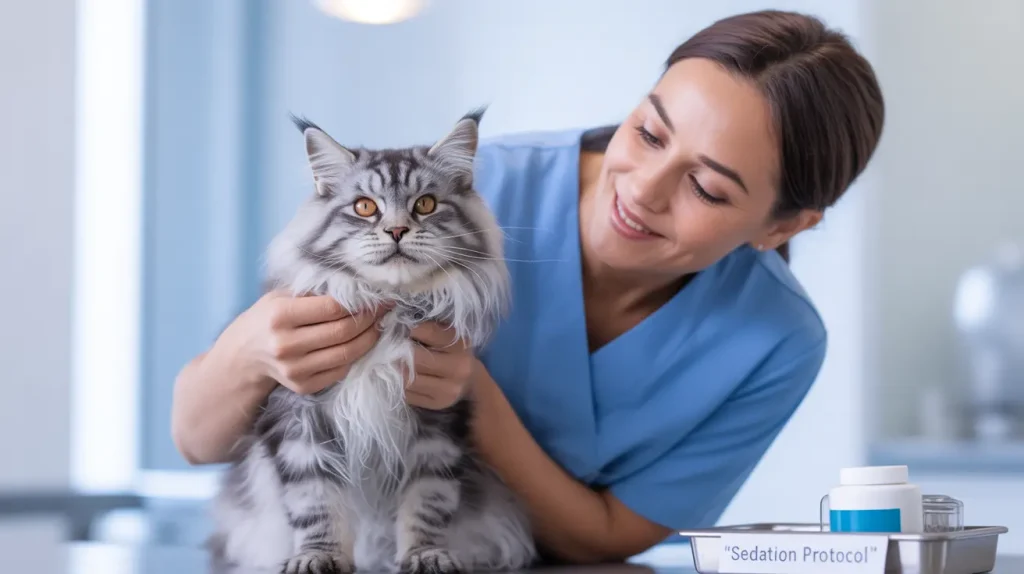
Grooming your cat can be a challenge, especially if your furry friend is nervous or restless. You want to keep your cat calm and safe, but the process can quickly become stressful for both of you.
What if there was a way to make grooming easier and less stressful? Sedating a cat for grooming might sound scary, but when done correctly, it can be a simple solution to protect your pet and yourself. You’ll learn everything you need to know about safely sedating your cat for grooming, so you can keep your pet looking and feeling their best without the usual struggle.
Keep reading to find out how to make grooming a peaceful experience for your cat.
Why Sedation Helps
Sedation can make grooming a safer and calmer experience for cats. Many cats get very nervous or scared during grooming. Sedation helps reduce their anxiety and keeps them still. This makes grooming easier for both the cat and the groomer. It also lowers the risk of injury or stress-related problems during the process.
Stress In Cats During Grooming
Cats often feel scared or stressed during grooming. Loud noises, unfamiliar smells, and strange handling can upset them. Some cats may try to run or scratch to protect themselves. This stress can cause fast breathing, shaking, or hiding. Grooming without sedation may increase their fear and cause more harm.
Benefits Of Sedation
- Calms the cat and lowers anxiety.
- Stops sudden movements and struggles.
- Makes grooming faster and smoother.
- Reduces risk of injury to cat and groomer.
- Helps cats with medical problems or pain.
- Allows thorough cleaning, trimming, and nail care.
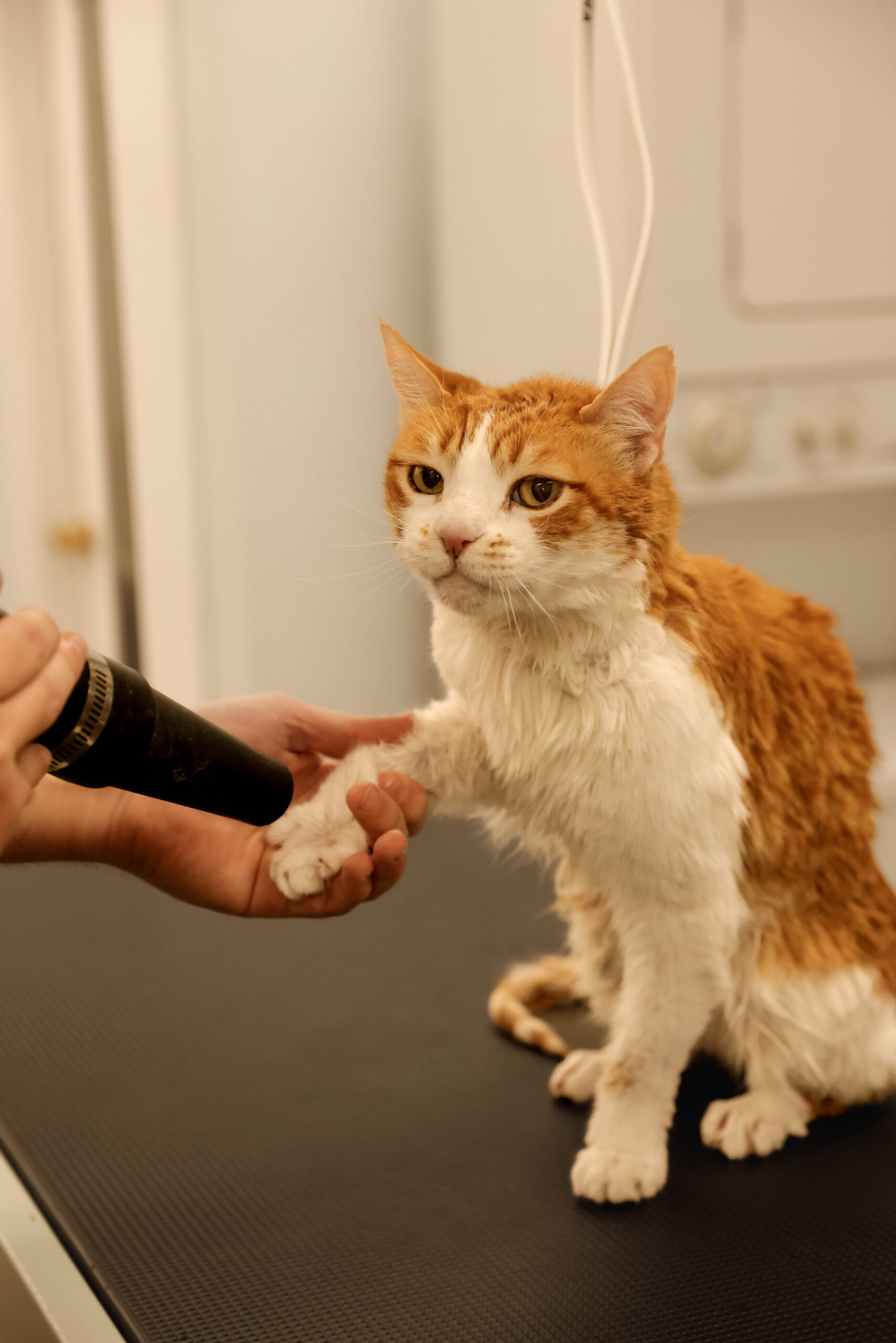
Credit: dapperdoggery.com
Types Of Sedatives
Choosing the right sedative for your cat during grooming is crucial for their safety and comfort. Sedatives come in various forms and strengths, each suited for different situations and temperaments. Understanding the types can help you make informed decisions and ensure a smoother grooming experience for your furry friend.
Common Medications
Veterinarians often recommend specific sedatives to calm cats during grooming. These medications are carefully dosed to minimize stress and avoid side effects.
- Acepromazine:A popular choice that helps relax your cat but may cause drowsiness for several hours.
- Gabapentin:Known for reducing anxiety and making handling easier without heavy sedation.
- Diazepam (Valium):Used occasionally for mild sedation and anxiety relief but requires vet supervision due to possible side effects.
Always consult your vet before giving any medication. Have you noticed how some cats respond differently to the same drug? Monitoring their reactions is key.
Natural Alternatives
If you prefer to avoid pharmaceuticals, natural options might offer gentle calming effects. These alternatives work subtly and are often safer for sensitive cats.
- CBD Oil:Many pet owners report reduced anxiety and easier grooming sessions with carefully dosed CBD products.
- Herbal Supplements:Ingredients like chamomile or valerian root can soothe your cat, but their effectiveness varies.
- Feliway Diffusers:Mimic feline facial pheromones, creating a calming environment before grooming begins.
Have you tried any natural remedies on your cat? Sometimes, combining mild natural options with patience can work better than sedatives alone.
Consulting Your Vet
Consulting your vet is essential before sedating your cat for grooming. Your vet evaluates your cat’s health and suggests the safest sedation options. This step protects your pet from risks and ensures a smooth grooming experience.
Health Assessment
Your vet checks your cat’s overall health first. This includes examining the heart, lungs, and liver. They ask about any past illnesses or allergies. Blood tests might be needed to confirm your cat is healthy enough for sedation. A thorough health assessment helps prevent complications during grooming.
Dosage And Safety
Your vet decides the correct sedation dose based on your cat’s weight and health. They choose medications that cause minimal side effects. The vet explains how to give the sedative safely at home or in the clinic. Monitoring your cat during sedation is vital to catch any problems early. Following your vet’s instructions keeps your cat safe and calm during grooming.
Preparing Your Cat
Preparing your cat for sedation before grooming is crucial for a smooth and safe experience. It helps reduce stress for both you and your feline friend. Taking time to set up the right environment and follow proper pre-sedation care steps can make all the difference in your cat’s comfort and cooperation.
Environment Setup
Create a calm and quiet space where your cat feels secure. Avoid loud noises and sudden movements that might startle them.
Use soft lighting and place familiar items like their favorite blanket or toy nearby. This helps your cat feel more at ease in an unfamiliar setting.
Make sure the area is clean and free of clutter to prevent accidents during grooming. Have all grooming tools within reach so you can work efficiently once sedation takes effect.
Pre-sedation Care
Check with your vet about fasting requirements before sedation. Many cats need to avoid food for several hours to reduce the risk of nausea or vomiting.
Monitor your cat’s health closely in the days leading up to sedation. Any signs of illness or unusual behavior should be reported to your vet immediately.
Keep your cat hydrated but avoid giving water right before sedation unless your vet advises otherwise. This small step can help prevent complications during the process.
Administering Sedation
Administering sedation to a cat before grooming helps reduce stress and ensures safety. It requires careful planning and attention. The goal is to keep the cat calm without causing harm. Understanding the right methods and monitoring is essential for success.
Methods And Techniques
Several sedation methods exist. The choice depends on the cat’s size, health, and temperament. Common techniques include:
- Oral sedatives: Pills or liquids given by mouth. Easy but slower to act.
- Injectable sedatives: Administered under the skin or in a muscle. Works faster and is more controlled.
- Inhalant sedation: Gas used in special equipment. Mostly for veterinarians.
Always use sedation under veterinary guidance. Dosage must match the cat’s weight and condition. Never use human medications. Safety comes first.
Monitoring Your Cat
Monitoring is vital during sedation. Watch for breathing rate, heart rate, and temperature. Use a quiet, warm room to keep the cat comfortable. Check the cat’s response to touch and noise often. Keep emergency equipment nearby. Act quickly if any problems arise.
After grooming, allow the cat to recover slowly. Provide water and a soft place to rest. Monitor until the cat fully wakes up. Proper care ensures a safe experience for both cat and owner.
Grooming Tips For Sedated Cats
Grooming a sedated cat requires special care and attention to ensure the process is smooth and safe. Since your cat won’t be able to respond or move much, you have a unique opportunity to handle grooming tasks that might be difficult otherwise. However, this also means you must be extra cautious with your approach and tools.
Tools And Equipment
Choose grooming tools that are gentle but effective. A soft-bristle brush helps remove loose fur without irritating the skin, while a fine-toothed comb can detangle mats carefully.
Keep grooming scissors with rounded tips on hand for any stubborn knots, but use them sparingly to avoid accidental cuts.
- Soft brushes to avoid skin damage
- Rounded-tip scissors for safety
- Pet-safe wipes for quick cleanups
- Absorbent towels to keep your cat dry
Have all your supplies within reach before you begin. This keeps the grooming session short and efficient, minimizing stress for your cat.
Handling Sedated Cats Safely
Even though your cat is sedated, their body still needs gentle support. Always handle your cat with soft, slow movements to avoid startling them.
Use a thick towel or blanket to support their body, especially the neck and limbs. This prevents awkward positions that might cause discomfort or injury.
Monitor your cat’s breathing and color closely during grooming. If you notice any irregularities, stop immediately and consult your vet.
Have you ever thought about how much your touch affects your cat’s comfort? Even sedated, they can sense tension or rough handling.
Keeping a calm environment with minimal noise helps maintain your cat’s relaxed state. You might find playing soft music or using a diffuser with calming scents useful.
Post-grooming Care
Post-grooming care is crucial after sedating a cat for grooming. It helps your cat recover safely and comfortably. Proper care reduces stress and promotes healing. Watch your cat closely and provide a calm space.
Recovery Monitoring
Keep a close eye on your cat’s breathing and movements. Look for signs of distress like heavy breathing or trembling. Check the eyes for normal pupil size and response. Monitor temperature to ensure it stays within the normal range. Note any unusual behavior such as lethargy or lack of coordination. Contact your vet immediately if you see anything concerning.
Comfort And Support
Place your cat in a quiet, warm area away from noise and bright lights. Use soft bedding to cushion the body and keep it cozy. Offer water once your cat is fully awake, but avoid food until the vet says it is safe. Speak softly to reassure your cat and reduce anxiety. Limit activity and handle gently to avoid injury. Keep other pets and children away during recovery.

Credit: services.petsmart.com
Alternatives To Sedation
Sedating a cat for grooming is not the only option. Many cats respond well to gentler techniques that reduce stress and build trust. These alternatives help keep your pet calm without medications. Understanding these methods can make grooming safer and easier for both you and your cat.
Behavioral Training
Training your cat to accept grooming takes time and patience. Start with short sessions that involve gentle touching and brushing. Reward your cat with treats and praise for calm behavior. Use a calm voice to create a positive experience. Gradually increase the grooming time as your cat becomes more comfortable. Consistent practice helps your cat associate grooming with good feelings.
Stress-reducing Products
Several products help calm cats during grooming. Pheromone sprays and diffusers mimic natural calming scents. These products create a relaxing environment for your cat. Soft blankets or towels can provide comfort and security. Use gentle brushes designed for sensitive skin. Playing soft music or using white noise can also soothe anxious cats. These tools reduce fear and make grooming less stressful.
:strip_icc()/spruce-pets-cat-sedative-travel-9be74a8034364749a2cb205881b103ac.png)
Credit: www.thesprucepets.com
Frequently Asked Questions
How Safe Is Sedating A Cat For Grooming?
Sedating a cat for grooming is generally safe when done under veterinary supervision. Proper dosage and monitoring reduce risks. Sedation helps anxious or aggressive cats stay calm, ensuring safe and stress-free grooming sessions.
When Should A Cat Be Sedated For Grooming?
Sedate a cat if it shows extreme fear, aggression, or stress during grooming. Cats with medical conditions or thick matted fur may also need sedation. Always consult a vet before sedation to ensure safety.
What Are Common Sedatives Used For Cat Grooming?
Common sedatives include gabapentin, dexmedetomidine, and midazolam. These medications calm cats without heavy anesthesia effects. Vets choose sedatives based on the cat’s health, age, and stress level to ensure effective and safe grooming.
Can I Sedate My Cat At Home For Grooming?
Never sedate your cat at home without veterinary advice. Incorrect dosages or medications can cause serious harm. Always seek professional guidance to ensure your cat’s safety and comfort during grooming.
Conclusion
Sedating a cat for grooming requires care and caution. Always talk to your vet before using any sedation. Safe doses and proper methods protect your cat’s health. Gentle handling makes grooming less stressful for both of you. Remember, sedation is only one option for difficult grooming.
Patience and kindness often help more than force. Keep your cat calm and comfortable throughout the process. Healthy grooming keeps your cat happy and clean. Choose the best approach for your cat’s needs.
