

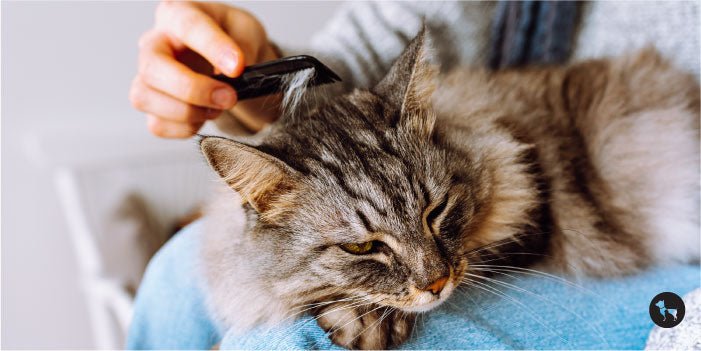
If you have a Maine Coon cat, you know how beautiful and majestic they are. But their thick, long fur needs special care to keep it looking healthy and shiny.
Grooming your Maine Coon isn’t just about keeping them clean—it helps prevent mats, reduces shedding, and strengthens your bond. In this guide, you’ll discover simple steps to make grooming easy and even enjoyable for both you and your cat. Ready to learn how to keep your Maine Coon’s coat soft and stunning?
Let’s dive in!
Maine Coon Coat Basics
The Maine Coon’s coat is one of its most striking features and plays a big role in how you care for your cat. Understanding the basics of their fur helps you keep your pet comfortable and looking great. Their coat isn’t just beautiful; it’s designed to handle cold weather and outdoor adventures.
Unique Fur Characteristics
Maine Coons have a dense, water-resistant double coat. The outer layer is long and silky, while the undercoat is soft and thick. This combination protects them from rain and snow but can make grooming a bit challenging.
One thing you might notice is that their fur is longer around the neck, chest, and tail, giving them a lion-like mane. This fur pattern isn’t just for looks—it helps keep them warm in colder temperatures. You’ll want to pay special attention to these areas during grooming to prevent mats and tangles.
Have you ever felt how soft the undercoat is compared to the glossy outer fur? This difference means brushing needs to be gentle yet thorough. Using a wide-tooth comb followed by a slicker brush can help you reach all layers without hurting your cat.
Seasonal Shedding Patterns
Maine Coons shed year-round, but you’ll see the most hair loss during seasonal changes. In spring, they shed their heavy winter undercoat to prepare for warmer weather. During fall, new undercoat grows back to keep them insulated.
You might find clumps of fur around the house during these times. Regular brushing can reduce shedding and keep your home cleaner. Aim to groom your cat daily during peak shedding seasons to catch loose fur before it falls off.
Does your Maine Coon seem to enjoy grooming sessions more in certain seasons? Their coat condition often changes with the weather, affecting how they feel about being brushed. Paying attention to these changes helps you adjust your grooming routine for their comfort.

Credit: tryfurgo.com
Essential Grooming Tools
Grooming a Maine Coon cat requires the right tools for the best care. These cats have thick, long fur that can easily tangle. Using proper grooming tools keeps their coat healthy and shiny. It also helps prevent mats and reduces shedding around the home.
Choosing the right brushes, combs, nail clippers, and ear cleaners makes grooming easier. These tools protect your cat’s skin and make grooming a pleasant experience. Let’s explore the essential grooming tools every Maine Coon owner needs.
Recommended Brushes And Combs
- Slicker Brush:Removes loose fur and untangles knots gently.
- Wide-Tooth Comb:Works well for detangling thick fur without pulling.
- Fine-Tooth Comb:Helps find and remove small mats and debris.
- Bristle Brush:Smooths the coat and adds shine after detangling.
Use the slicker brush first to loosen dirt and fur. Follow up with a wide-tooth comb for stubborn tangles. Finish with a bristle brush to smooth the coat. Regular brushing keeps the fur soft and healthy.
Nail Clippers And Ear Cleaners
- Cat Nail Clippers:Choose sharp, small clippers designed for cats.
- Styptic Powder:Stops bleeding if you cut nails too short.
- Ear Cleaning Solution:Keeps ears clean and free of wax buildup.
- Soft Cotton Balls or Pads:Use with ear cleaner to wipe ears gently.
Trim nails carefully to avoid cutting the quick. Clean ears regularly to prevent infections. Use a gentle ear cleaner made for cats. These tools help maintain your Maine Coon’s health and comfort.
Brushing Techniques
Brushing a Maine Coon cat requires patience and the right technique. These cats have thick, long fur that can easily tangle if not cared for properly. Knowing how to brush effectively keeps their coat healthy and reduces shedding around your home.
Daily Brushing Routine
Set aside a few minutes each day to brush your Maine Coon. Use a wide-tooth comb or a slicker brush designed for long-haired cats. Gently work through the fur in the direction it grows to avoid pulling on the skin.
Focus on areas where mats commonly form, like behind the ears, under the legs, and around the neck. If your cat enjoys the brushing, it can become a bonding moment. Have you noticed how your Maine Coon responds when you brush these spots?
Keep the sessions short but consistent. Even five minutes daily helps prevent tangles and keeps the coat shiny.
Handling Mats And Tangles
If you find mats, don’t panic. Start by gently teasing the mat apart with your fingers before using a comb. Trying to cut mats can be risky unless you’re very confident and careful.
Apply a detangling spray made for cats or use a bit of coconut oil to soften stubborn knots. Work slowly and reward your cat with treats to keep them calm. Have you noticed how patience changes the grooming experience?
For severe mats, consider consulting a professional groomer. Avoid forcing the brush through tight tangles to prevent hurting your cat or damaging their fur.
Bathing Your Maine Coon
Bathing your Maine Coon can feel like a big task, but it’s important for keeping their thick fur clean and healthy. Unlike some cats, Maine Coons often tolerate baths better, especially if you prepare them well. Knowing the right time to bathe and the best way to do it makes the whole process smoother for both of you.
When To Bathe
Bathing your Maine Coon too often can dry out their skin and damage their fur. Think about bathing only when they’re visibly dirty, have gotten into something sticky, or if they have a skin condition that requires it. Many Maine Coons keep themselves clean, so a bath every few months is usually enough.
If you notice your cat’s coat feeling greasy or smelling unpleasant, it’s a good signal to give them a wash. Also, if your Maine Coon has long fur that mats easily, a bath can help loosen those tangles before grooming. How does your cat react to water? This can help you decide the best time and way to introduce bathing.
Step-by-step Bathing Guide
- Prepare the area:Use a sink or a small tub with a non-slip mat to keep your cat steady. Gather all supplies like cat shampoo, a cup for rinsing, and towels before starting.
- Brush first:Remove loose fur and detangle any knots. This prevents mats from getting worse during the bath.
- Use lukewarm water:Fill the tub with just enough water to reach your cat’s belly. Test the temperature with your wrist to ensure it’s comfortable.
- Wet your cat slowly:Use a cup or sprayer to gently wet their fur, avoiding the face. Talk softly to keep them calm.
- Apply shampoo:Use a shampoo made for cats and lather gently. Focus on areas that get dirty but avoid the eyes, ears, and nose.
- Rinse thoroughly:Soap residue can irritate your Maine Coon’s skin. Rinse until the water runs clear.
- Dry carefully:Wrap your cat in a towel and pat dry. If your cat tolerates it, use a hairdryer on low heat, keeping it moving to avoid overheating.
Remember, patience is key. If your Maine Coon resists, take breaks and offer treats. Have you found a trick that helps your cat enjoy bath time? Sharing your experience could help others facing the same challenge.
Nail Care Tips
Proper nail care is essential for Maine Coon cats. Their large paws and strong claws need regular attention. Keeping nails trimmed prevents scratching furniture and reduces injury risks. It also helps your cat stay comfortable while walking and climbing.
Trimming Frequency
Trim your Maine Coon’s nails every two to three weeks. Some cats may need more frequent trimming if they are very active. Watch for nails that touch the floor or curl under the paw. These signs mean it’s time to trim.
Safe Nail Clipping Methods
Use sharp, cat-specific nail clippers for clean cuts. Hold your cat gently but firmly to avoid sudden moves. Cut only the clear, white part of the nail. Avoid the pink area, called the quick, which has blood vessels and nerves.
- Trim a small tip at a time.
- Use a light source to see the quick clearly.
- Stop if you see any bleeding and apply styptic powder.
- Reward your cat after each session with treats or petting.
Ear And Eye Care
Taking care of your Maine Coon’s ears and eyes is essential for their overall health. These areas can easily collect dirt, wax, and debris, which may cause discomfort or infections if ignored. Regular attention helps keep your cat comfortable and prevents potential health problems.
Cleaning Techniques
Use a soft, damp cloth or cotton ball to gently wipe around your cat’s eyes and ears. Avoid using cotton swabs inside the ear canal, as this can cause damage. You can also use a vet-approved ear cleaner if your Maine Coon’s ears are particularly dirty.
When cleaning the eyes, remove any discharge carefully without touching the eyeball. Warm water works well for loosening dried debris. Always clean from the inner corner outward to avoid spreading dirt.
Have you noticed that your Maine Coon tolerates eye and ear cleaning better when you stay calm and speak softly? Your cat picks up on your mood, so patience is key to making grooming easier for both of you.
Signs Of Infection
Look out for redness, swelling, or an unpleasant smell from your cat’s ears or eyes. Excessive scratching or head shaking can also indicate discomfort or infection. If you see yellow or green discharge, it’s time to consult your vet immediately.
Does your Maine Coon’s eye seem cloudy or watery more than usual? These could be early signs of an eye infection or other problems needing professional attention. Early detection makes treatment simpler and more effective.
Trust your instincts—if something about your cat’s ear or eye health feels off, don’t wait. Regular checks help you catch issues before they escalate, keeping your Maine Coon happy and healthy.
Maintaining A Healthy Diet
Maintaining a healthy diet is key for a Maine Coon’s grooming routine. A balanced diet supports shiny fur and strong skin. Feeding the right nutrients helps reduce shedding and matting. Quality food keeps your cat active and happy.
Nutrition For Coat Health
Proteins build strong hair and skin. Choose foods rich in animal-based protein. Omega-3 and Omega-6 fatty acids improve fur softness and shine. Vitamins like A and E protect skin from dryness. Zinc supports hair growth and repair.
- Include fish oil or flaxseed oil for healthy fats.
- Select cat food with natural ingredients and no fillers.
- Avoid foods with artificial colors or preservatives.
Hydration Importance
Water keeps your Maine Coon’s skin hydrated. Dry skin leads to itching and flaky fur. Always provide fresh, clean water daily. Wet cat food can boost water intake. Monitor your cat’s drinking habits for any changes.

Credit: tryfurgo.com
Behavioral Tips During Grooming
Grooming a Maine Coon cat can be a bonding experience, but it requires patience and understanding of their behavior. These gentle giants may resist at first, especially if grooming feels unfamiliar or uncomfortable. Paying attention to their reactions and adapting your approach can make grooming smoother and more enjoyable for both of you.
Calming Strategies
Start by creating a quiet, comfortable space free from distractions. Soft talking and gentle strokes before grooming can help your Maine Coon relax. If your cat tenses or tries to escape, pause and give them a moment to settle down.
Try using a soft brush initially to avoid overwhelming their sensitive skin. Some owners find that a warm towel wrapped around the cat provides a calming sensation and reduces squirming. Have you noticed how your cat responds to different textures or sounds during grooming?
Rewarding Your Cat
Positive reinforcement makes a big difference. Offer your Maine Coon treats or praise immediately after a grooming session or even after short intervals during grooming. This builds a positive association with the activity.
Keep rewards small and consistent to maintain your cat’s interest. You can also use favorite toys as distractions or rewards during breaks. Over time, your cat will likely look forward to grooming moments, making your job easier and their coat healthier.
Common Grooming Challenges
Grooming a Maine Coon cat can be tricky. Their thick fur can easily tangle and mat. Some cats don’t like being brushed or handled. These challenges can make grooming stressful for both owner and cat.
Knowing common grooming problems helps you prepare and stay calm. Patience is key. Gentle care keeps your cat happy and healthy.
Dealing With Resistant Cats
Some Maine Coons resist grooming sessions. They may scratch, bite, or run away. Stay calm and speak softly to soothe them. Use short grooming sessions to avoid stress.
- Start with gentle petting before brushing.
- Use a soft brush to prevent discomfort.
- Give treats to reward calm behavior.
- Try grooming when your cat is sleepy or relaxed.
- Stop if your cat becomes too upset and try later.
Patience and kindness build trust. Over time, your cat may accept grooming more easily.
When To Seek Professional Help
Some grooming tasks require expert care. If mats are deep or skin is irritated, visit a groomer or vet. Professionals have tools and skills to handle tough fur safely.
Look for signs like:
- Severe mats that pull on the skin
- Redness, sores, or bald spots
- Excessive shedding or hair loss
- Cat shows extreme stress or aggression
Regular professional grooming can keep your Maine Coon comfortable and healthy. It also helps avoid painful skin problems.

Credit: www.amazon.in
Frequently Asked Questions
How Often Should I Groom A Maine Coon Cat?
Groom your Maine Coon at least 2-3 times a week. Regular brushing prevents matting and reduces shedding. Frequent grooming keeps their coat healthy and shiny. It also helps monitor skin and health issues early.
What Tools Are Best For Grooming Maine Coons?
Use a wide-toothed comb, slicker brush, and grooming scissors. These tools help remove tangles and loose fur gently. Avoid harsh brushes that can damage their thick fur. Regular use keeps their coat smooth and mat-free.
How To Prevent Mats In Maine Coon Fur?
Brush your Maine Coon regularly, especially behind ears and under legs. Use detangling spray for stubborn mats. Check common mat areas daily and gently work out tangles. Early prevention keeps their coat comfortable and healthy.
Can Maine Coons Be Bathed Regularly?
Bathing Maine Coons once a month is sufficient. Use cat-friendly shampoo to avoid skin irritation. Regular baths help reduce dirt and excess oil. Always dry them thoroughly to prevent chills and skin issues.
Conclusion
Grooming your Maine Coon keeps their coat healthy and shiny. Regular brushing stops mats and reduces shedding. It also helps you check for skin problems early. Make grooming a calm, fun time for your cat. Use the right tools and be gentle always.
Small, daily efforts bring big benefits to your cat’s comfort. Enjoy the bonding moments during grooming sessions. Your Maine Coon will thank you with love and purrs. Keep up this routine to support their long, fluffy fur. Simple care keeps your cat happy and looking great.
