

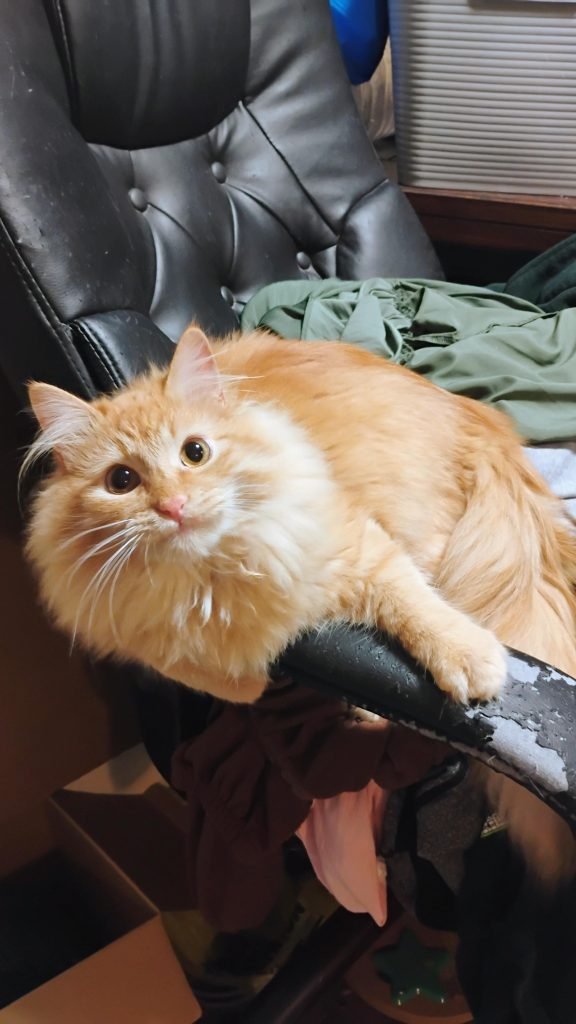
If your cat’s fur is tangled and matted, you know how uncomfortable it can be for them—and frustrating for you. Matted fur can cause pain, skin problems, and even limit your cat’s movement.
But don’t worry; you can help your furry friend feel better with the right grooming steps. You’ll learn simple, effective ways to gently remove mats and keep your cat’s coat smooth and healthy. Keep reading, because your cat’s comfort and happiness depend on it.
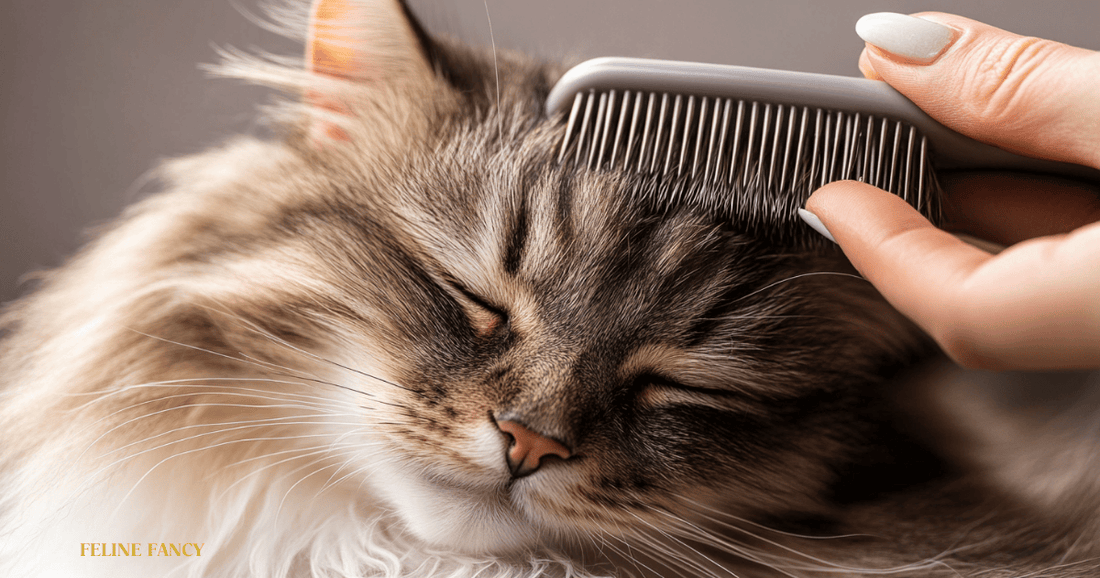
Credit: felinefancy.co.uk
Recognizing Matted Fur
Recognizing matted fur on your cat early can save both you and your pet a lot of discomfort. Matted fur doesn’t just look messy; it can cause real problems for your cat’s skin and overall health. Knowing how to spot these tangles quickly helps you act before they become painful or dangerous.
Common Causes
Understanding why mats form helps you prevent them in the future. Cats with long or curly fur are more prone to mats because their hair easily tangles. Older cats or those with limited mobility may not groom themselves properly, leading to buildup.
Changes in your cat’s routine, like stress or illness, can also reduce grooming habits. Outdoor cats might pick up burrs or debris that cause mats. Even diet can affect coat health—poor nutrition can make fur dry and prone to knotting.
Signs To Watch For
Look for areas where the fur feels thick or clumped together. These mats often form behind the ears, under the legs, or around the neck and tail. Your cat might try to lick or scratch these spots more than usual.
Pay attention if your cat’s fur feels rough instead of soft. Sometimes, you can see small clumps or notice a change in how your cat moves—stiffness can mean discomfort from tight mats. Does your cat flinch when you touch certain areas? That’s a red flag.
Health Risks
Ignoring matted fur can lead to skin infections, as mats trap dirt and moisture close to the skin. These tight knots can pull on the skin, causing pain and even cuts or sores. If left untreated, mats may restrict movement and affect your cat’s behavior.
Severe mats can cut off circulation, leading to serious complications. In some cases, vets may need to sedate your cat to remove painful mats safely. Don’t wait for this stage—catching mats early protects your cat’s comfort and health.
Preparing For Grooming
Preparing your cat for grooming is the first key to success. Cats with matted fur need gentle care and patience. Taking time before grooming helps your cat feel safe and relaxed. Proper preparation makes the process smoother and less stressful for both of you.
Gathering Tools
Collect all tools before starting. Use a wide-tooth comb to loosen mats. Have a pair of blunt-ended scissors for stubborn knots. A slicker brush helps remove loose fur. Keep treats handy to reward your cat during grooming.
Setting Up A Calm Environment
Choose a quiet, comfortable spot for grooming. Soft lighting reduces stress. Avoid loud noises or sudden movements. Speak softly to your cat to keep it calm. Place a soft towel or mat under your cat for comfort.
Safety Precautions
Check your cat’s skin for sores or redness. Be careful with scissors near sensitive areas. Stop if your cat shows signs of distress. Trim mats slowly to avoid hurting the skin. Use treats and breaks to keep the mood positive.
Detangling Techniques
Detangling matted fur on a cat needs patience and gentle care. The right techniques help ease discomfort and prevent skin damage. Start with soft tools and work slowly to soften the mats.
Use gentle strokes and keep your cat calm throughout the process. Break down the mats in small sections. This approach makes grooming less stressful for both of you.
Using Fingers And Combs
Begin by gently loosening mats with your fingers. Pull apart tangled fur softly to avoid hurting your cat. Use a wide-tooth comb to untangle smaller knots. Comb in the direction of hair growth for less pain.
Work from the edges of the mat toward the center. This reduces pulling and breaks down clumps gradually. Take breaks if your cat shows signs of stress. Consistency helps improve fur texture over time.
Applying Detangling Sprays
Choose a pet-safe detangling spray to soften mats. Spray lightly on the matted area before combing. These sprays make fur easier to separate and reduce pulling.
Let the spray sit for a few minutes to penetrate the fur. Then, start combing gently with a wide-tooth comb. Avoid sprays with strong scents that might irritate your cat.
Dealing With Severe Mats
Severe mats may require extra care or professional help. Use blunt-ended scissors only if mats are near sensitive skin. Cut carefully to avoid injury, cutting small sections at a time.
Alternatively, visit a groomer or vet for safe removal. Never pull hard on tough mats; it can hurt your cat. Regular grooming prevents mats from becoming severe.
Bathing Your Cat
Bathing a cat with matted fur requires patience and care. Bathing helps soften the mats and makes grooming easier. It also cleans the fur and skin deeply. Preparing your cat and using the right products is important for a safe experience.
Choosing The Right Shampoo
Select a shampoo made for cats. Choose a gentle, hypoallergenic formula. Avoid shampoos with strong fragrances or harsh chemicals. Look for products that help detangle fur. Medicated shampoos can soothe irritated skin. Always check the label to ensure it is safe for cats.
Bathing Steps
- Brush your cat gently before the bath to remove loose fur.
- Fill the sink or tub with a few inches of lukewarm water.
- Use a cup or handheld sprayer to wet your cat carefully.
- Apply shampoo and massage it into the fur softly.
- Focus on the matted areas but avoid scrubbing hard.
- Rinse thoroughly to remove all shampoo from the fur.
- Keep your cat calm by speaking softly throughout the bath.
Drying Tips
Wrap your cat in a soft towel right after the bath. Pat the fur gently to absorb water. Avoid rubbing, as it may tangle the fur more. Use a hairdryer on the lowest heat setting only if your cat tolerates it. Otherwise, let your cat air dry in a warm, draft-free room. Brush the fur lightly once dry to prevent new mats.
Trimming And Clipping
Trimming and clipping are essential steps to manage matted fur on cats. These methods help remove tough tangles that brushing cannot fix. Proper trimming improves your cat’s comfort and prevents skin problems.
Use careful techniques to avoid hurting your cat. Patience and gentle handling create a safer grooming experience. Here’s how to trim and clip matted fur safely and effectively.
When To Trim Mats
Trim mats when they are tight and close to the skin. Large, painful mats need immediate attention to stop skin irritation. Small mats can sometimes be worked out with gentle brushing first.
Look for mats that pull on your cat’s skin or cause redness. Mats near sensitive areas like the belly or legs require extra care. Avoid trimming if your cat is very stressed or aggressive; seek professional help.
Safe Clipping Methods
- Use clippers with a guard to protect your cat’s skin.
- Choose a quiet, calm area for clipping sessions.
- Hold your cat firmly but gently to prevent sudden moves.
- Clip in the direction of hair growth to avoid pulling.
- Take breaks often to reduce stress for your cat.
- Stop if your cat shows signs of pain or fear.
Avoiding Skin Injuries
Keep the clipper blades sharp and clean to avoid snagging fur. Dull blades can pull hair and cut the skin. Never rush; slow and steady clipping is safer.
Use your free hand to gently lift the mat away from the skin. This creates a gap between the fur and skin, lowering injury risk. Avoid clipping too close to the skin, especially in thin fur areas.
Check the skin often for cuts or irritation during grooming. If you spot any injury, stop grooming and treat the wound carefully.
Preventing Future Mats
Preventing future mats in your cat’s fur is key to keeping them comfortable and healthy. Matted fur can cause pain and skin problems, so stopping mats before they start saves you and your cat a lot of hassle. Understanding what causes mats and how to maintain your cat’s coat daily makes all the difference.
Regular Brushing Routines
Brushing your cat’s fur regularly helps catch tangles before they become mats. Aim to brush at least a few times a week, or daily if your cat has long hair. Use a brush suited for your cat’s fur type—soft bristles for short hair, and a slicker brush for longer coats.
Try to make brushing a calm, enjoyable experience. I once started brushing my shy cat gently after meals, which helped her relax and even look forward to the sessions. Have you noticed how your cat reacts during grooming? Adjust your approach based on their comfort level.
Diet And Health Factors
Your cat’s diet affects the quality of their coat. Feeding a balanced, nutritious diet rich in omega fatty acids can improve fur strength and reduce shedding. A shiny, healthy coat is less likely to mat.
Also, keep an eye on your cat’s overall health. Conditions like skin infections or allergies can cause excessive scratching, leading to mats. Regular vet visits can catch these problems early and keep your cat’s skin and fur in top shape.
Professional Grooming Options
Sometimes, professional help is the best way to manage your cat’s coat. Groomers have tools and experience to safely remove mats without hurting your cat. They can also offer advice tailored to your cat’s breed and fur type.
If your cat hates brushing or has severe mats, consider scheduling grooming sessions every few months. This can prevent painful mats and keep your cat feeling happy. Have you thought about what a groomer might do differently than you at home?
Handling Difficult Cats
Handling a cat with matted fur can be challenging, especially if your feline friend is anxious or resistant. Cats often feel vulnerable during grooming, making patience and gentle handling essential. How you approach your cat can turn a stressful experience into a manageable one for both of you.
Calming Techniques
Start by creating a quiet and comfortable space where your cat feels safe. Soft voices and slow movements help reduce their stress.
- Use gentle petting to reassure your cat before you begin grooming.
- Offer treats or their favorite toy to distract and reward calm behavior.
- Try wrapping your cat in a towel to limit movement safely if they become too squirmy.
Remember, forcing your cat into submission often backfires. Instead, take breaks if your cat becomes agitated. Have you noticed how a calm voice can sometimes soothe even the most stubborn cat? That little patience can make a big difference.
When To Seek Veterinary Help
If mats are too tight or close to the skin, attempting to remove them yourself can hurt your cat. Look for signs like bleeding, swelling, or your cat hiding more than usual.
Veterinarians can safely sedate your cat and remove mats without causing pain or injury. In some cases, they might recommend shaving the matted area entirely.
Don’t hesitate to get professional help if grooming becomes too stressful or dangerous. Your cat’s comfort and health should always come first. Could a vet visit save you and your cat from unnecessary stress?

Credit: www.reddit.com
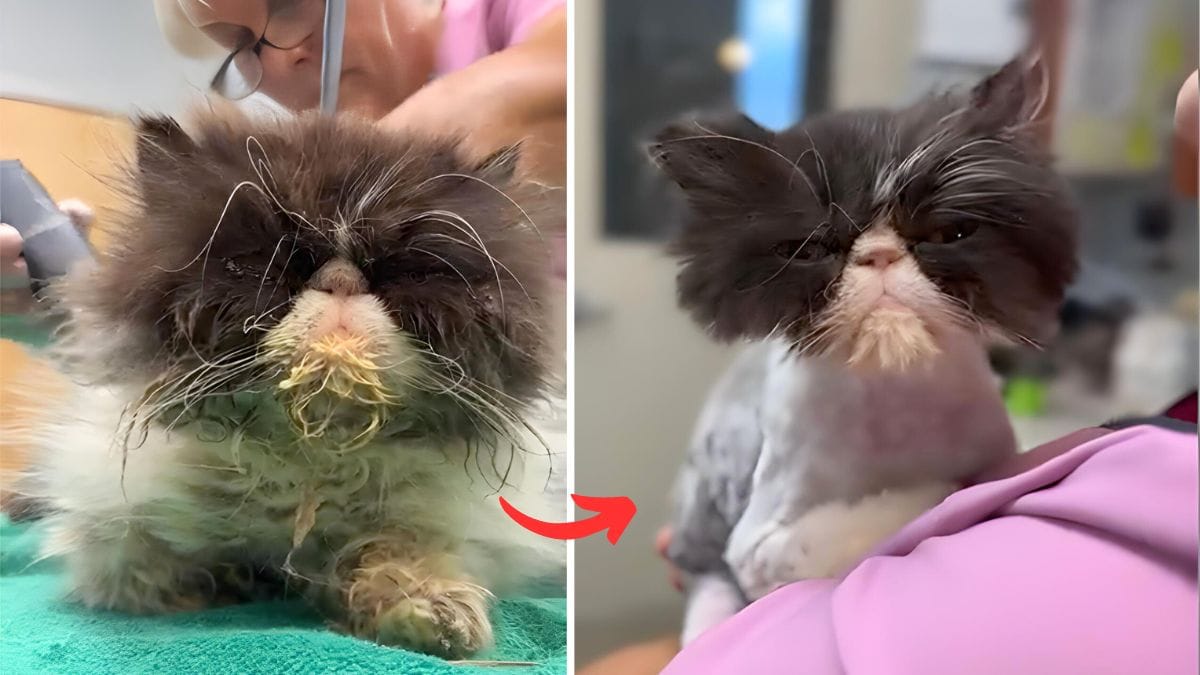
Credit: rockykanaka.com
Frequently Asked Questions
How Do I Safely Remove Matted Fur From My Cat?
Use a wide-tooth comb or mat splitter gently on mats. Avoid pulling hard to prevent pain. If mats are too tight, consult a professional groomer or vet.
What Causes Cat Fur To Become Matted?
Mats form due to lack of grooming, dirt, moisture, and long or curly fur. Cats with health issues also develop mats faster.
How Often Should I Groom A Cat With Matted Fur?
Daily brushing helps prevent mats and keeps fur smooth. Regular grooming is essential for long-haired or older cats prone to mats.
Can I Use Scissors To Cut Out Mats Safely?
Using scissors is risky and may cut your cat’s skin. Use mat removal tools or seek professional grooming instead.
Conclusion
Grooming a cat with matted fur takes time and patience. Use gentle tools and slow movements to avoid hurting your cat. Regular brushing helps prevent mats from forming again. Keep your cat calm by speaking softly and giving breaks. If mats are too tight or painful, ask a vet for help.
Healthy fur means a happy cat. Small steps every day make grooming easier. Your cat will thank you with love and purrs.
