

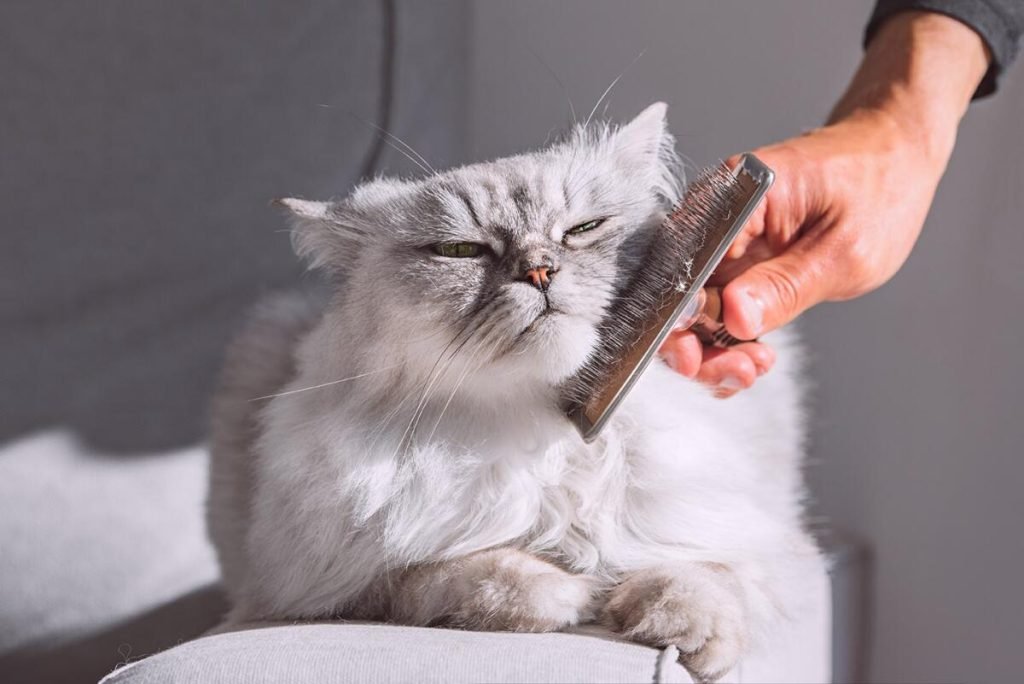
Have you noticed your cat grooming a lot lately? It might seem normal, but excessive grooming can be a sign of something more.
Your cat’s constant licking and biting could mean they’re stressed, itchy, or even in pain. Understanding why your feline friend is spending so much time cleaning themselves can help you keep them healthy and happy. Keep reading to discover what’s behind your cat’s grooming habits and what you can do to help.
Why Cats Groom Excessively
Cats spend a lot of time grooming themselves every day. Grooming keeps their fur clean and healthy. Sometimes, cats groom too much. Excessive grooming can cause problems like bald spots or skin sores. Understanding why cats groom excessively helps pet owners keep their cats safe and comfortable.
Normal Grooming Behavior
Cats groom to remove dirt and loose fur. Grooming helps control body temperature. It also reduces stress and calms the cat. Most cats groom several times a day for short periods. Their tongues have tiny hooks that help clean fur. Normal grooming keeps the coat shiny and healthy.
Signs Of Overgrooming
- Bald patches or thinning fur
- Red or irritated skin
- Scabs or sores from scratching
- Hairballs more than usual
- Frequent licking or biting of the same area
Overgrooming can cause pain and discomfort. Watch your cat carefully for these signs.
Common Causes
- Stress:Changes in home or routine can upset cats.
- Allergies:Food or environmental allergies may cause itching.
- Parasites:Fleas or mites irritate the skin.
- Skin infections:Bacterial or fungal infections may lead to licking.
- Pain:Injury or arthritis can make cats lick sore spots.
- Boredom:Lack of play or attention can cause overgrooming.
Finding the cause helps treat the problem. Consult a vet if your cat grooms too much.
Health Issues Linked To Overgrooming
Overgrooming in cats is more than just a bad habit. It often signals underlying health issues. Excessive licking or scratching can cause serious damage to your cat’s skin and overall well-being. Understanding these health problems helps pet owners take quick action and keep their cats healthy.
Allergies And Skin Problems
Allergies are a common cause of overgrooming. Cats may react to food, pollen, or dust mites. This causes itching and irritation. Constant licking leads to hair loss and sores. Skin problems like dermatitis also appear. The skin becomes red, dry, and flaky. These issues make cats uncomfortable and worsen over time.
Parasites And Infections
Parasites such as fleas and mites trigger intense itching. Cats scratch and groom themselves to ease the discomfort. This behavior can create open wounds. Bacterial and fungal infections often follow. These infections cause pain, swelling, and bad odors. Left untreated, they can spread and cause more harm.
Stress And Anxiety
Stress makes cats groom excessively as a coping mechanism. Changes in the environment or routine often cause anxiety. Overgrooming helps relieve tension but damages the skin. It can lead to bald patches and raw spots. Stress-related grooming indicates deeper emotional problems. Addressing these causes is crucial for the cat’s mental health.
Grooming Tools For Cats
Choosing the right grooming tools for your cat can make a huge difference in how much your pet enjoys the experience—and how well you keep their coat healthy. The market offers many options, but not every tool fits every cat’s needs. Understanding what each tool does will help you build a grooming kit that suits your furry friend perfectly.
Brush Types And Uses
Different brushes serve different purposes depending on your cat’s coat type and grooming needs. A slicker brush is great for removing loose fur and preventing mats, especially in long-haired cats. Meanwhile, a bristle brush works well for short-haired breeds, adding shine and distributing natural oils.
If your cat is prone to shedding, a deshedding tool like the Furminator can reduce hair around your home. But be gentle—some cats find these tools a bit intense. How does your cat react to grooming brushes? Their behavior can guide your choice.
Nail Clippers And Alternatives
Trimming your cat’s nails prevents painful scratches and keeps your furniture safe. Traditional nail clippers designed for cats are simple to use, but if your cat resists, try a nail grinder. It smooths the edges and is less likely to cause discomfort.
Keep styptic powder or cornstarch nearby to stop bleeding if you accidentally cut too close. Regular trimming sessions, even just a few nails at a time, make the process less stressful for both of you. What’s your strategy for keeping those claws in check?
Bathing Supplies
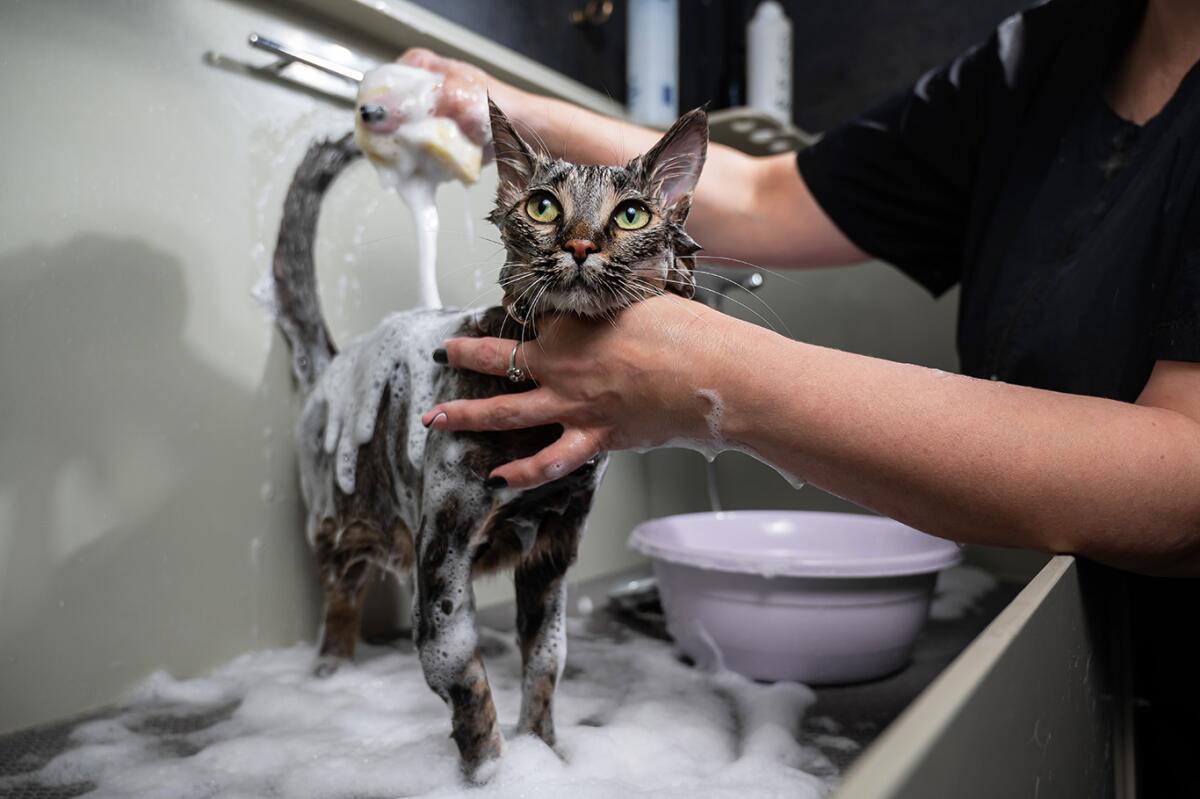
Many cats dislike water, but occasional baths may be necessary. Use a mild, cat-specific shampoo to avoid skin irritation. A non-slip mat in the sink or tub helps your cat feel secure and reduces stress.
Have towels ready for quick drying, and consider a pet-friendly conditioner if your cat has a long coat. If your cat absolutely hates baths, wipes or waterless shampoos can help keep them clean without the drama. What’s your best tip for bath time peace?

Credit: www.downtowntabbycattery.com
Daily Grooming Routine
Keeping your cat well-groomed every day can make a huge difference in their health and happiness. A daily grooming routine helps prevent mats, reduces shedding, and keeps your feline friend comfortable. Plus, it’s a great way to bond with your cat and notice any changes in their skin or coat early on.
Brushing Techniques
Use a brush that suits your cat’s fur type—slicker brushes work well for long-haired cats, while rubber brushes are great for short-haired ones. Brush gently but thoroughly, following the direction of hair growth to avoid pulling on their skin. Pay close attention to common trouble spots like behind the ears and under the legs where mats tend to form.
If your cat resists brushing, try short sessions of just a few minutes and reward them with treats. Have you noticed how some cats prefer slow, steady strokes while others enjoy quick, light brushing? Observing your cat’s preferences can make grooming smoother for both of you.
Cleaning Ears And Eyes
Check your cat’s ears daily for dirt, wax buildup, or unusual odors. Use a soft, damp cloth or a cotton ball moistened with a vet-approved ear cleaner to gently wipe the outer ear—never insert anything deep into the ear canal. For eyes, wipe away any discharge with a clean, damp cloth, moving from the inner corner outward.
Cleaning these sensitive areas regularly prevents infections and discomfort. Have you ever caught an ear infection early just because you looked carefully during grooming? That simple act can save your cat from a lot of trouble.
Nail Care Tips
Trim your cat’s nails every few days to avoid overgrowth and reduce scratching damage. Use sharp, cat-specific nail clippers and cut just the tip, avoiding the pink quick inside the nail. If you’re unsure where the quick ends, trim little by little.
Keep styptic powder or cornstarch nearby in case you accidentally cut too close and cause bleeding. Some cats don’t mind nail trims, especially when you pair the session with gentle petting and treats. Have you found a trick that calms your cat during nail care? Sharing those insights can help others too.
Managing Overgrooming Behavior
Overgrooming in cats can cause discomfort and skin problems. It often signals stress, boredom, or medical issues. Managing this behavior helps keep your cat healthy and happy. Understanding the reasons behind overgrooming is key to finding the right solution.
Environmental Enrichment
Providing a stimulating environment reduces stress and boredom. Add toys that encourage play and exercise. Scratching posts and climbing trees help cats stay active. Rotate toys regularly to keep your cat interested. Create cozy resting spots near windows for natural stimulation. These changes can redirect grooming behavior into positive activities.
Behavioral Training
Use gentle training to discourage excessive grooming. Distract your cat with play or treats when grooming starts. Reward calm behavior to reinforce positive habits. Avoid punishment, as it can increase stress and worsen grooming. Consistent routines help cats feel secure. Patience and persistence improve results over time.
When To See A Vet
Seek veterinary advice if overgrooming causes bald spots or wounds. A vet can rule out allergies, parasites, or infections. They may suggest medications or special shampoos. Behavioral issues linked to medical problems need professional care. Early intervention prevents serious health complications. Keep track of grooming changes to share with your vet.
Diet And Grooming
Your cat’s diet plays a crucial role in how often they need grooming. A well-balanced diet can improve the health of their skin and coat, reducing excessive shedding and matting. Paying attention to what your cat eats can make grooming easier and more effective for both of you.
Nutritional Support For Skin And Coat
Healthy skin and a shiny coat start from the inside. Foods rich in omega-3 and omega-6 fatty acids help maintain moisture and reduce inflammation in your cat’s skin. Protein is another key nutrient; it supports hair growth and repair, so make sure your cat’s food has high-quality animal protein.
Have you noticed your cat scratching more or losing fur? This might mean their diet needs adjustment. Sometimes, food allergies or deficiencies can cause skin problems, making grooming a challenge.
Supplements To Consider
If your cat’s diet isn’t enough, supplements can help fill the gaps. Fish oil capsules or liquid supplements provide extra omega-3s that boost skin health. You can also try biotin, a vitamin known to strengthen hair and reduce shedding.
- Choose supplements with clear dosage instructions for cats.
- Consult your vet before adding new supplements.
- Watch for any allergic reactions after starting supplements.
Have you tried adding supplements to your cat’s diet? Sometimes a small change can reduce the need for constant grooming. What changes have you noticed in your cat’s coat after adjusting their diet?
Seasonal Grooming Tips
Cat grooming changes with the seasons. Each season brings new challenges for your feline friend’s coat. Adjusting your grooming routine helps keep cats healthy and comfortable all year.
Shedding In Spring And Fall
Spring and fall cause heavy shedding. Cats lose old fur to make way for new coats. Brush your cat often to remove loose hair. Use a gentle, fine-toothed comb or brush. This reduces hairballs and keeps your home cleaner. Pay attention to sensitive areas like the belly and tail.
Keeping Cats Cool In Summer
Summer heat can stress cats with thick fur. Grooming helps thin their coat for better airflow. Trim long hair around the neck and underarms carefully. Offer frequent brushing to remove dead hair. Provide cool, shaded spots for rest. Avoid bathing too often to prevent dry skin.
Winter Coat Care
Winter brings cold temperatures and dry air. Cats grow thicker fur to stay warm. Brush less often but gently to avoid skin irritation. Check for mats and tangles, especially in long-haired cats. Keep your cat indoors more to protect from harsh weather. Hydrate well to maintain healthy skin and coat.
Credit: www.latimes.com

Credit: www.latimes.com
Frequently Asked Questions
Why Is My Cat Grooming A Lot Suddenly?
Excessive grooming in cats may signal stress, allergies, or skin issues. It’s important to observe behavior and consult a vet if it persists.
Can Over-grooming Harm My Cat’s Skin?
Yes, over-grooming can cause skin irritation, bald spots, or infections. Early intervention helps prevent serious skin damage and promotes healing.
How To Reduce My Cat’s Excessive Grooming?
Provide a calm environment, check for parasites, and ensure balanced nutrition. Regular vet visits help identify and treat underlying causes effectively.
Is Frequent Grooming Normal For Certain Cat Breeds?
Some breeds like Persians groom more due to long coats. However, sudden increases should be checked for health concerns or stress triggers.
Conclusion
Cats that groom a lot may need extra care and attention. Watch for signs of skin problems or stress. Regular check-ups can help keep your cat healthy. Offer a calm environment to reduce over-grooming. Use gentle brushes to keep their fur clean.
Understanding your cat’s behavior helps prevent issues. Small steps can improve their comfort and happiness. Stay patient and observe changes carefully. Your care makes a big difference in your cat’s life.
