

Is your cat licking or biting itself more than usual? Excessive grooming in cats can be a sign that something is wrong.
If you’ve noticed your furry friend spending too much time cleaning certain spots or losing patches of fur, it’s important to understand what’s causing this behavior—and how you can help. You’ll discover effective treatments that can ease your cat’s discomfort and restore their happiness.
Keep reading to learn what steps you can take to stop excessive grooming and keep your cat healthy and content.
Credit: najupets.com
Causes Of Excessive Grooming
Excessive grooming in cats can be puzzling and concerning for any pet owner. Understanding why your cat might be over-grooming is the first step toward helping them feel better. Various factors, ranging from health problems to stress, can trigger this behavior.
Medical Issues
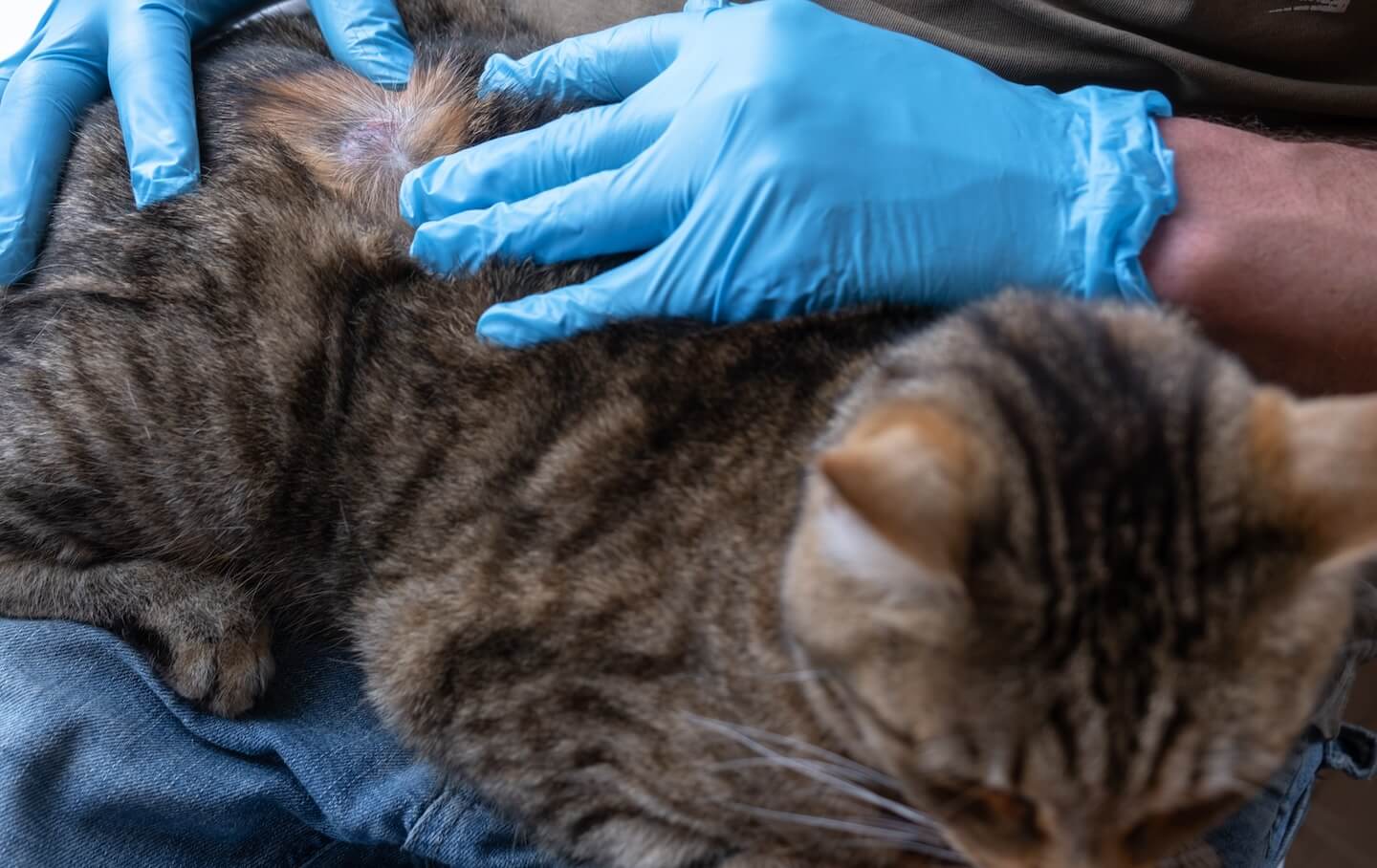
Health problems often cause cats to groom excessively. Skin allergies, parasites like fleas, or infections can make your cat itchy and uncomfortable. If you notice bald patches or redness, it might be time to visit the vet.
Sometimes, pain from arthritis or injury leads cats to lick certain areas repeatedly. Have you checked if your cat shows signs of discomfort or limping? Early diagnosis can prevent long-term problems.
Behavioral Factors
Cats also groom excessively due to stress or anxiety. Changes in their environment, such as a new pet or moving houses, can upset their routine. You might notice your cat licking more when you’re away or during loud noises.
Compulsive grooming can become a coping mechanism, similar to nail-biting in humans. Watching your cat’s daily habits can help identify if boredom or anxiety is driving the behavior.
Environmental Triggers
Sometimes, the environment itself can push cats to over-groom. Harsh cleaning products, certain fabrics, or even temperature changes might irritate their skin. Have you recently switched their litter or bedding?
Outdoor cats face additional challenges like pollen or insect bites. Keeping a clean and comfortable living space reduces these triggers and helps your cat stay calm and content.

Credit: pennypaws.com
Signs To Watch For
Excessive grooming in cats can signal underlying health or emotional issues. Early detection helps prevent serious problems. Watch for changes in your cat’s skin and behavior. These signs guide you to take prompt action and seek help.
Physical Symptoms
- Notice bald patches or thinning fur on your cat’s body.
- Look for red, irritated, or scabby skin areas.
- Check for wounds or sores caused by constant licking or biting.
- Observe any swelling or unusual lumps under the fur.
- Spot flaky or dry skin that might indicate irritation.
Behavioral Changes
- Watch if your cat grooms much more than usual.
- See if your cat seems restless or unable to settle down.
- Notice if your cat hides more or avoids interaction.
- Pay attention to signs of anxiety, like pacing or vocalizing.
- Observe if your cat shows irritability or aggression toward others.
Veterinary Diagnosis
Veterinary diagnosis plays a key role in treating excessive grooming in cats. It helps find the root cause of this behavior. Early diagnosis can prevent more serious health issues. A vet uses different methods to check your cat’s health and behavior. These steps guide proper treatment and care.
Physical Examination
The vet starts with a careful physical exam. They check your cat’s skin, coat, and body for signs of irritation or injury. The vet looks for:
- Redness or swelling
- Hair loss patterns
- Wounds or sores
- Parasites like fleas or mites
- Overall body condition
Examining the cat’s behavior and stress levels is also important. The vet may ask questions about your cat’s daily routine and environment. This helps identify possible causes like allergies or anxiety.
Diagnostic Tests
Diagnostic tests help confirm or rule out medical problems. Common tests include:
- Skin scrapings to check for mites or infections
- Allergy testing to identify triggers
- Blood tests to check overall health
- Fungal cultures to detect ringworm
- Biopsy of skin lesions if needed
These tests provide clear information about underlying issues. Accurate diagnosis guides the vet to choose the best treatment. Early testing improves the chances of quick recovery for your cat.
Medical Treatments
Medical treatments play a crucial role in managing excessive grooming in cats. This behavior often signals underlying health issues like allergies, infections, or stress. Addressing these causes with targeted therapies can reduce your cat’s discomfort and stop the cycle of over-grooming.
Medications
Medications often help control the symptoms that trigger excessive grooming. Your vet might prescribe antihistamines if allergies are the culprit, which can reduce itching and irritation.
In cases where anxiety drives the behavior, anti-anxiety drugs or mild sedatives can calm your cat. Steroids may also be used short-term to reduce inflammation and itching quickly.
Antibiotics come into play if there’s a skin infection caused by constant licking. Always give medications exactly as your vet instructs to avoid side effects and ensure the best results.
Topical Therapies
Topical treatments target the affected skin directly, providing quick relief for your cat. Medicated shampoos can soothe irritated skin and remove allergens or parasites.
Ointments or creams containing corticosteroids or antibiotics might be applied to inflamed or infected areas. These help reduce swelling and speed up healing.
Have you noticed how some cats resist applying creams? Using a gentle touch and rewarding your cat can make treatment easier and less stressful for both of you.
Behavioral Approaches
Behavioral approaches play a crucial role in treating excessive grooming in cats. This problem often stems from stress or boredom rather than physical issues alone. Addressing your cat’s mental and emotional well-being can reduce the urge to over-groom and improve their overall happiness.
Stress Reduction Techniques
Stress is a common trigger for excessive grooming. You can help your cat relax by creating a calm environment. Try playing soft music or using pheromone diffusers designed specifically for cats.
Routine is another powerful stress-buster. Feeding and playtime at the same hours each day can give your cat a sense of security. Have you noticed how your cat reacts to sudden changes in the household? Minimizing these disruptions can prevent stress-related grooming.
Sometimes, spending extra quiet time with your cat can soothe their nerves. Gentle petting and talking softly to them can reassure your feline friend that everything is safe and okay.
Environmental Enrichment
Keeping your cat mentally and physically stimulated distracts them from over-grooming. Adding new toys or puzzle feeders encourages natural hunting instincts and keeps their mind busy.
Vertical spaces like cat trees or shelves offer your cat places to explore and feel secure. Have you tried rotating toys to keep your cat interested? Changing their playthings regularly helps prevent boredom.
- Introduce scratching posts to satisfy scratching urges.
- Provide hiding spots to help your cat feel safe.
- Use interactive toys to engage your cat during your absence.
Remember, a well-stimulated cat is less likely to develop harmful habits like excessive grooming. What small change can you make today to enrich your cat’s environment?
Home Care Tips
Excessive grooming in cats can cause skin damage and stress. Home care plays a key role in easing this behavior. Simple changes at home help your cat feel calm and reduce over-grooming. Focus on diet and safe grooming options to support your cat’s health and comfort.
Dietary Adjustments
Healthy skin starts with a balanced diet. Choose foods rich in omega-3 and omega-6 fatty acids. These nutrients soothe irritated skin and improve coat shine. Avoid foods with artificial additives or fillers that may trigger allergies. Fresh water must always be available to keep your cat hydrated. Consider adding supplements after talking to your vet. A well-fed cat grooms less out of discomfort.
Grooming Alternatives
Offer gentle grooming tools as alternatives to licking. Soft brushes can help remove loose fur and calm your cat. Use grooming gloves for a soothing massage effect. Short, regular grooming sessions build trust and reduce stress. Distract your cat with toys or treats during grooming time. Avoid harsh grooming products that irritate the skin. These alternatives help satisfy grooming needs safely.
When To Seek Help
Knowing when to seek help for your cat’s excessive grooming is vital. Early action can prevent serious health issues. Some signs mean a vet visit is urgent. Understanding these signs keeps your cat safe and comfortable.
Warning Signs
- Bald patches or raw skin spots
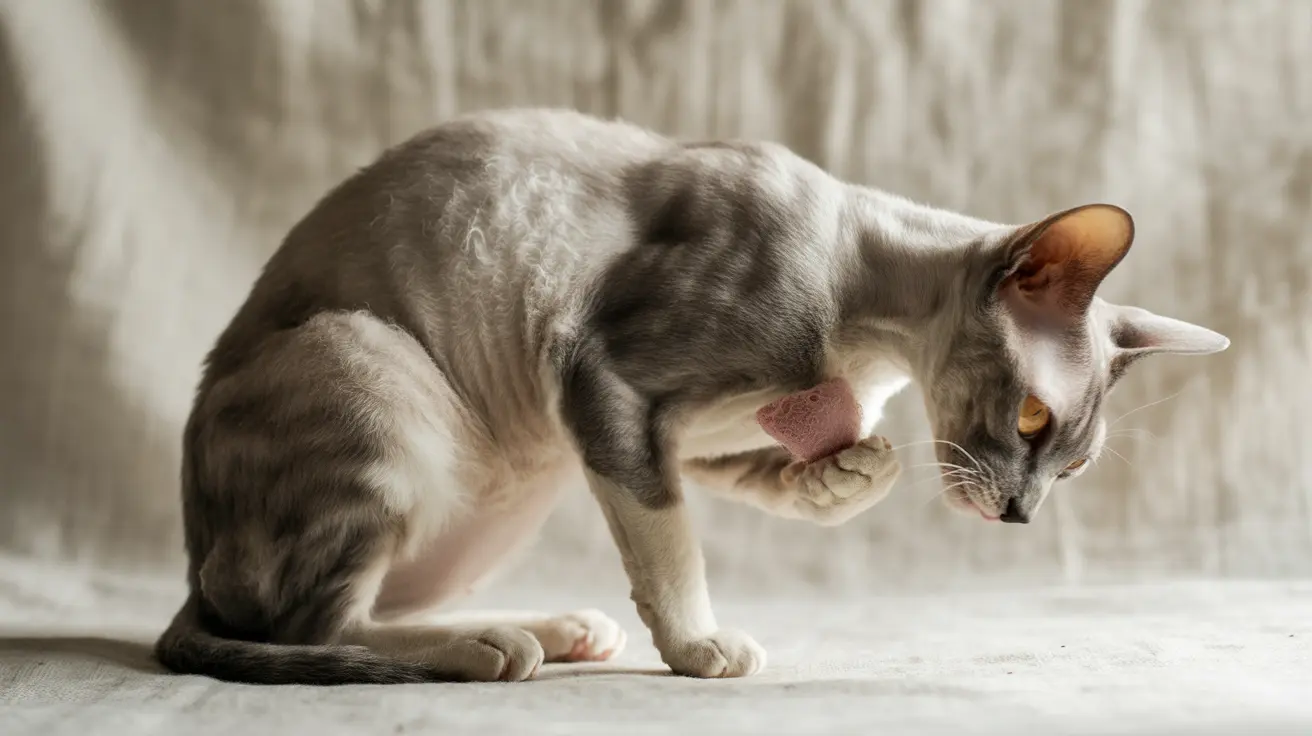
- Continuous licking or biting at one area
- Open wounds or scabs that don’t heal
- Changes in behavior, such as irritability or hiding
- Hair loss spreading quickly
- Excessive grooming lasting more than a week
- Swelling or redness on the skin
These signs suggest pain or infection. Immediate care is needed to avoid worsening.
Finding A Specialist
Start with your regular veterinarian for a check-up. They may refer you to a specialist.
Look for a veterinary dermatologist or behaviorist. These experts handle skin and stress-related problems.
Choose a specialist with good reviews and experience. Clear communication helps your cat get the best care.
Prepare a list of your cat’s symptoms and history. This speeds up diagnosis and treatment planning.
Credit: www.petscare.com
Frequently Asked Questions
What Causes Excessive Grooming In Cats?
Excessive grooming in cats is often caused by stress, allergies, parasites, or skin infections. It can also result from boredom or underlying medical issues. Identifying the root cause is essential for effective treatment and preventing further complications.
How Is Excessive Grooming In Cats Diagnosed?
Veterinarians diagnose excessive grooming by examining the cat’s skin and fur. They may perform allergy tests, skin scrapings, or blood work to find infections or parasites. A thorough history and behavior assessment help pinpoint emotional triggers.
What Treatments Help Reduce Excessive Grooming In Cats?
Treatment depends on the cause but may include medications for allergies or infections, parasite control, and behavioral therapy. Environmental enrichment and stress reduction techniques also help manage excessive grooming. Prompt veterinary care ensures the best outcome.
Can Diet Changes Reduce Excessive Grooming In Cats?
Yes, hypoallergenic or specialized diets can reduce allergies that trigger grooming. Nutritional support with omega-3 fatty acids may improve skin health. Always consult a vet before changing your cat’s diet to address grooming issues effectively.
Conclusion
Excessive grooming in cats can signal health or stress issues. Catching signs early helps protect your pet’s well-being. Treating the root cause improves your cat’s comfort and happiness. Keep a close eye on behavior and skin condition. Regular vet visits support early diagnosis and care.
Simple changes at home can reduce stress and irritation. Your cat deserves a calm and healthy life. Stay patient and consistent with treatments. Small steps lead to big improvements over time.
