

Have you ever wondered how often your cat cleans itself? You might think cats groom all day long, but there’s more to it than meets the eye.
Understanding your cat’s grooming habits can help you spot when something isn’t quite right. You’ll discover how often your cat should groom itself and what signs to watch for if grooming changes. Keep reading to learn how to keep your furry friend healthy and happy through the power of proper grooming.
Credit: www.petscare.com
Cat Grooming Habits
Cats are known for their fastidious grooming habits, and understanding these routines can help you keep your feline friend healthy and happy. Grooming is more than just a way for cats to stay clean—it plays a key role in their overall well-being. Observing your cat’s grooming habits can reveal a lot about their health and mood.
Frequency Of Self-grooming
Most cats groom themselves multiple times a day, often spending up to 50% of their waking hours cleaning their fur. This high frequency helps them remove dirt, loose hair, and parasites. However, grooming frequency can vary based on age, health, and breed.
Have you noticed your cat grooming less or more than usual? Changes in grooming habits can be a sign of stress, illness, or discomfort, so it’s worth paying close attention.
Reasons Cats Groom Themselves
Cats groom themselves to regulate body temperature, reduce stress, and maintain a shiny coat. Grooming also helps distribute natural oils evenly across their fur, keeping it soft and waterproof.
Grooming serves as a calming activity for cats, similar to how humans might meditate or take deep breaths. If your cat suddenly stops grooming, it might be feeling anxious or unwell.
Common Grooming Behaviors
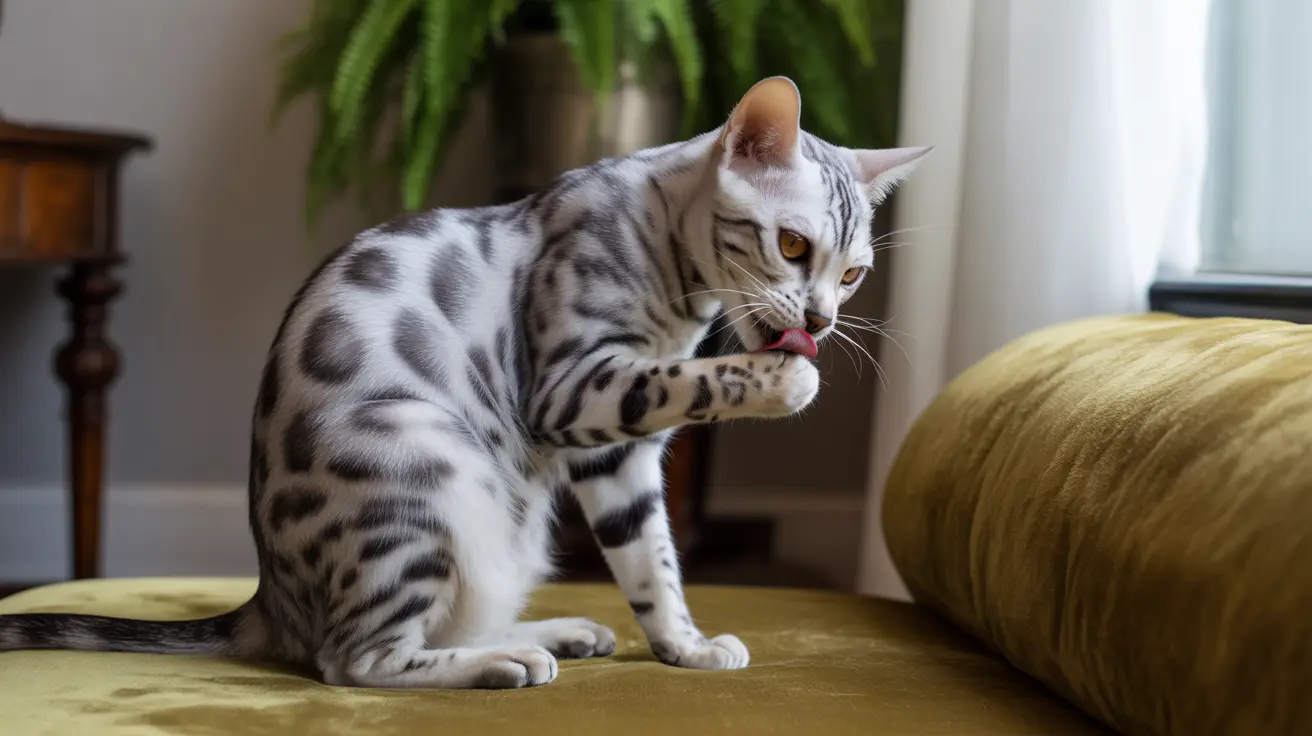
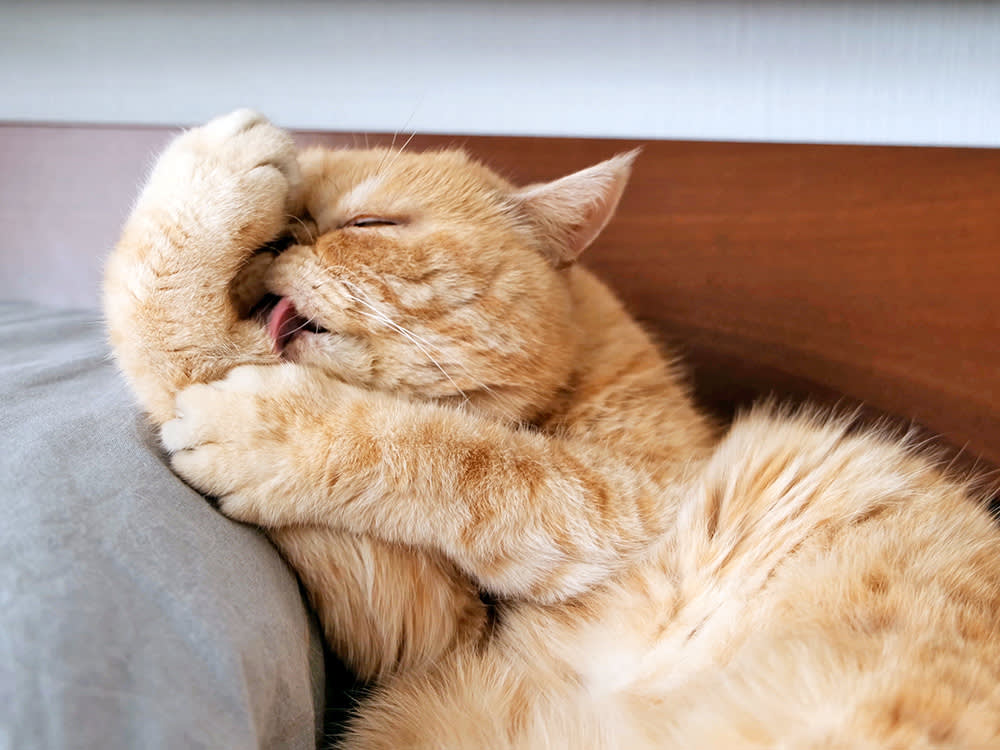
Typical grooming behaviors include licking their paws and rubbing them over their face, scratching with their hind legs, and nibbling at knots or mats in their fur. Cats also use their tongues to clean hard-to-reach areas.
- Licking: Removes dirt and loose hair
- Scratching: Helps dislodge debris and stimulate skin
- Nibbling: Breaks up mats and tangles
Watching your cat carefully groom themselves can give you clues about their health. For example, excessive licking might indicate allergies or skin irritation, while a sudden stop in grooming could mean pain or dental problems.
Factors Influencing Grooming Frequency
Understanding what affects how often your cat grooms itself can help you keep their coat healthy and shiny. Grooming frequency varies widely depending on several key factors. Paying attention to these can help you spot any changes that might signal health issues or discomfort.
Age And Health Conditions
Young cats and kittens tend to groom frequently to keep their fur clean and learn social habits. Older cats, however, might groom less due to arthritis or dental problems making it painful to lick themselves. If your senior cat suddenly stops grooming or looks matted, it could be a sign of underlying health issues.
Health conditions like obesity or skin infections also impact grooming habits. Cats with skin allergies might groom excessively, causing hair loss or sores. Have you noticed your cat grooming more than usual or barely at all? This behavior can provide clues about their well-being.
Breed And Coat Type
Different breeds have different grooming needs. Long-haired breeds like Persians require more frequent grooming to prevent tangles and mats. Short-haired cats usually groom themselves sufficiently with less effort.
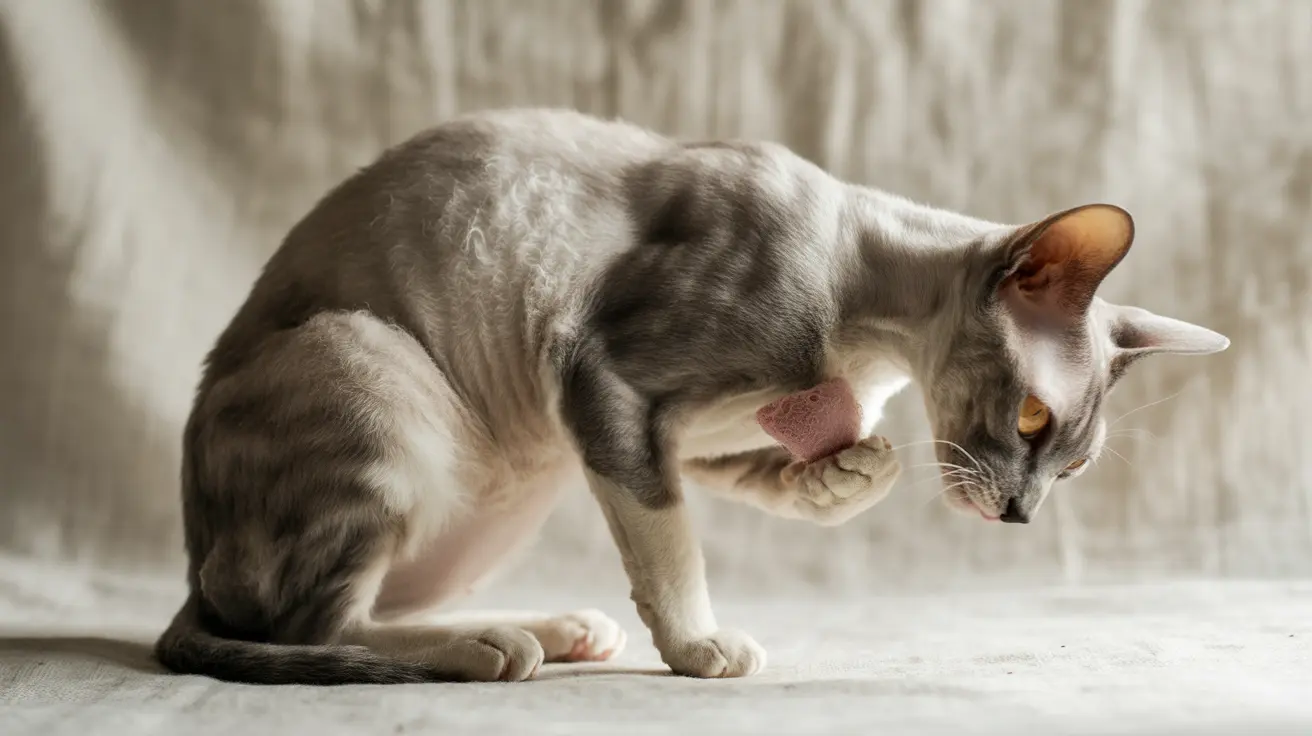
Some breeds have unique coat textures that affect how often they need to groom. For instance, the Sphynx cat, having little to no fur, needs regular bathing instead of traditional grooming. Knowing your cat’s breed traits can help you support their natural grooming routine.
Environment And Lifestyle
Indoor cats often groom more regularly because they stay cleaner and face fewer outdoor challenges. Outdoor cats might groom less often due to dirt, debris, or even injuries from their environment. Does your cat go outside frequently? Their grooming needs could be quite different from a strictly indoor feline.
Stressful environments can also impact grooming habits. Cats under stress might over-groom or stop grooming altogether. Observing your cat’s surroundings and daily routine can help you understand changes in their grooming behavior.
Signs Of Grooming Issues
Noticing changes in your cat’s grooming habits can be a crucial clue to their health and well-being. Cats usually keep themselves impeccably clean, so any signs of grooming issues deserve your attention. Understanding these signs helps you act early and keep your feline friend comfortable and happy.
Over-grooming Symptoms
If your cat is grooming too much, you might see bald spots or irritated skin. Excessive licking can cause redness, sores, or scabs, especially on legs, belly, or tail. Sometimes, over-grooming is linked to stress, allergies, or pain, so watch for sudden changes in behavior.
Have you noticed your cat obsessively licking one area or biting its fur? This might be a sign that something is bothering them physically or emotionally.
Under-grooming Warning Signs
When cats stop grooming enough, their fur looks dull, greasy, or tangled. Matted fur and a strong odor can also indicate under-grooming. Older cats or those with arthritis often struggle to reach certain spots, leading to patches of dirty or oily fur.
Does your cat’s coat feel rough or clumpy? This might mean they need help with grooming or a vet check to find out why they are neglecting it.
When To Seek Veterinary Help
If you spot persistent bald patches, wounds, or your cat seems in pain during grooming, it’s time to consult a vet. Sudden changes in grooming habits can signal skin infections, parasites, or underlying illnesses. Early diagnosis often means easier treatment and faster recovery.
Remember, you know your cat best. If their grooming routine looks off for several days or weeks, don’t hesitate to get professional advice. Your cat’s comfort and health depend on it.
Credit: www.kinship.com
Helping Your Cat Stay Clean
Cats groom themselves daily to stay clean and healthy. Their natural grooming helps remove dirt and loose fur. Sometimes, they need a little extra help from their owners. Helping your cat stay clean supports their comfort and skin health. It also reduces hairballs and shedding around your home.
Brushing Techniques And Tools
Regular brushing removes loose fur and prevents mats. Use a brush suited for your cat’s coat type. Short-haired cats need a soft bristle brush. Long-haired cats benefit from a comb or slicker brush.
- Brush gently to avoid hurting your cat’s skin.
- Follow the direction of hair growth for comfort.
- Brush daily for long-haired cats, twice a week for short-haired.
- Use a grooming glove for sensitive cats.
Bathing Tips For Cats
Cats rarely need baths, but some situations require one. Use a mild cat shampoo designed for sensitive skin. Prepare warm water and keep the room quiet.
- Brush your cat before the bath to remove loose hair.
- Wet the fur slowly and avoid the face.
- Apply shampoo gently and rinse well to remove all soap.
- Dry your cat with a towel or low heat dryer.
Maintaining A Healthy Coat
A healthy coat reflects good overall health. Feed your cat a balanced diet rich in omega fatty acids. Provide fresh water daily to keep skin hydrated. Regular vet check-ups catch skin or coat problems early.
- Keep your cat’s environment clean to reduce allergens.
- Watch for signs of fleas or skin irritation.
- Offer supplements only after consulting your vet.
Impact Of Diet On Grooming
A cat’s diet greatly affects how well it grooms itself. Healthy skin and shiny fur depend on good nutrition. Poor diet can cause dry skin and dull fur, making grooming harder. Nutrients help maintain a cat’s coat and skin health.
Nutritional Needs For Skin And Fur
Cats need proteins, fats, and vitamins for healthy fur and skin. High-quality animal protein supports strong hair growth. Omega-3 and omega-6 fatty acids keep the skin soft and reduce itching. Vitamins A and E help repair skin and protect fur from damage.
Supplements That Support Grooming
Some cats benefit from supplements that boost coat health. Fish oil is rich in omega-3 fatty acids. It can reduce inflammation and improve fur shine. Biotin and zinc also support healthy skin and hair growth. Always check with a vet before adding supplements.
Hydration And Its Role
Water is vital for a cat’s skin and coat. Proper hydration keeps the skin elastic and less prone to dryness. Cats that drink enough water usually have softer fur. Wet food can help increase water intake. Dry skin causes itchiness, reducing grooming activity.
Credit: www.petscare.com
Frequently Asked Questions
How Often Do Cats Groom Themselves Daily?
Cats groom themselves several times a day, usually 2 to 4 times. Grooming helps them stay clean, regulate body temperature, and reduce stress.
Why Do Cats Spend So Much Time Grooming?
Cats groom to remove dirt, loose fur, and parasites. Grooming also promotes blood circulation and strengthens their bond with other cats.
Can Over-grooming Indicate A Health Problem?
Yes, excessive grooming may signal stress, allergies, or skin issues. Consult a vet if your cat grooms excessively or shows bald spots.
How Does Grooming Affect A Cat’s Health?
Regular grooming keeps a cat’s coat healthy and reduces hairballs. It also helps detect wounds, parasites, or skin conditions early.
Conclusion
Cats groom themselves several times a day to stay clean and healthy. This natural habit helps remove dirt and loose fur. Sometimes, cats need extra help, especially if they have long hair or health issues. Watching your cat’s grooming habits can show you when they feel well or stressed.
Regular grooming by owners can also keep cats comfortable. Remember, a well-groomed cat is often a happy cat. Keep an eye on your cat’s self-care to support their health and happiness every day.
