

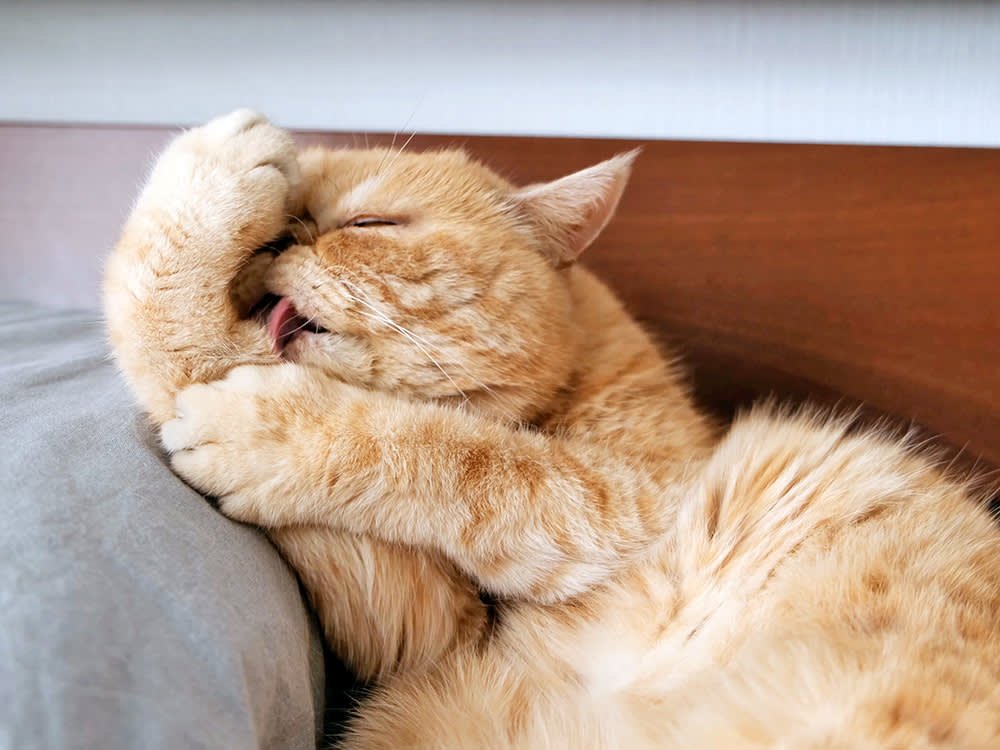
Have you ever noticed your cat biting herself while grooming and wondered why she does it? It can be puzzling—and sometimes worrying—to see your furry friend nibbling on her own fur or skin.
You might ask yourself if this is normal behavior or a sign that something’s wrong. Understanding why your cat bites herself during grooming can help you keep her happy and healthy. You’ll discover the common reasons behind this behavior and learn what you can do to support your cat’s well-being.
Keep reading to find out more about what’s really going on when your cat bites herself.
Normal Grooming Behavior
Understanding your cat’s grooming habits can help you see why biting herself is often just a part of normal behavior. Cats are naturally meticulous about their cleanliness, and self-grooming plays a crucial role in their daily routine. Let’s dive into what normal grooming looks like and why it’s beneficial for your feline friend.
How Cats Groom Themselves
Cats use their tongues, teeth, and paws to clean their fur. Their rough tongues act like tiny combs, removing dirt and loose hair.
They often nibble or bite gently to remove tangles or stuck debris. You might notice your cat biting herself—not aggressively, but as part of this grooming process.
Besides licking and biting, cats use their paws to wipe their faces, spreading saliva to hard-to-reach spots. This combination keeps their coat in top condition.
Benefits Of Self-grooming
Self-grooming does more than keep your cat clean. It helps regulate body temperature and stimulates blood flow to the skin.
Grooming also reduces stress and strengthens the bond between your cat and herself, promoting a sense of security.
Have you noticed how your cat often grooms after waking up or during quiet moments? This behavior calms her and helps maintain her health.
When Grooming Turns Into Biting
Cats groom themselves to stay clean and healthy. This behavior is natural and soothing for them. Sometimes, grooming can change into biting. This shift may worry cat owners. Understanding why this happens helps keep your cat happy and safe.
Signs Of Excessive Biting
- Red or irritated skin on your cat’s body
- Hair loss or bald patches
- Open sores or wounds from biting
- Frequent scratching or licking at the same spot
- Your cat seems restless or stressed
These signs show your cat may be biting too much. Excessive biting can cause pain and infection.
Difference Between Grooming And Biting
| Grooming | Biting |
|---|---|
| Gentle licking of fur and skin | Hard nibbling or chewing on the skin |
| Helps clean and remove dirt | Causes redness and sometimes bleeding |
| Short and calm sessions | Long, repeated, or aggressive behavior |
| Cat looks relaxed after grooming | Cat may seem anxious or restless |
Recognizing these differences helps identify if your cat needs help. Biting is often a sign of discomfort or stress.
Common Causes Of Self-biting
Cats often bite themselves during grooming. This behavior may seem normal but can signal issues. Understanding common causes helps keep your cat healthy. Some reasons are simple, others need attention. Watch your cat closely to spot changes early.
Skin Allergies And Irritations
Allergies can cause itching and discomfort. Cats may bite to relieve the itch. Common allergens include pollen, dust, or certain foods. Skin irritations like rashes or dryness also lead to biting. Check for redness or flaky skin regularly.
Parasites And Flea Infestations
Fleas and mites cause intense itching. Biting helps cats try to remove these pests. Flea dirt or tiny bugs may be visible on fur. Parasite infestations require quick treatment to avoid skin damage. Keep flea control products up to date.
Stress And Anxiety
Stress can cause cats to groom excessively. Biting may become a coping mechanism. Changes in the environment or routine often trigger anxiety. Cats may bite themselves to feel calmer. Provide a safe, quiet space to reduce stress.
Pain Or Discomfort
Injuries or underlying health issues cause pain. Cats might bite areas that hurt. Look for swelling, wounds, or limping. Pain-related biting needs veterinary care for proper diagnosis. Treating pain helps reduce self-biting behavior.
Behavioral Issues
Some cats develop habits of over-grooming and biting. This may stem from boredom or lack of stimulation. Behavioral causes require attention to environment and mental health. Toys and playtime can reduce this problem. Consulting a vet or behaviorist can help.

Credit: www.reddit.com
Health Problems Linked To Self-biting
Self-biting during grooming can signal health issues in cats. It may indicate discomfort or pain under the fur. Understanding these health problems helps in providing proper care. Some conditions cause itching or irritation, prompting the cat to bite itself. Others affect the nervous or hormonal systems, influencing behavior.
Dermatitis And Skin Infections
Dermatitis causes redness, swelling, and itching on the skin. Cats bite to relieve the intense itch. Skin infections from bacteria or fungi worsen the irritation. Biting can lead to sores and open wounds. This makes the area more prone to further infections.
Neurological Disorders
Neurological disorders affect the brain and nerves. These can cause abnormal sensations or pain. Cats may bite themselves as a reaction to these feelings. Conditions like neuropathy or nerve damage often trigger this behavior. Identifying these disorders requires veterinary assessment.
Hormonal Imbalances
Hormonal imbalances can change a cat’s skin and behavior. Conditions like thyroid problems may cause itching or discomfort. The cat might bite itself to ease these symptoms. Hormone-related issues need medical tests and treatment. Managing these imbalances improves the cat’s well-being.
How To Identify The Root Cause
Understanding why your cat bites herself during grooming helps you address the problem correctly. Identifying the root cause requires careful watching and checking. This process avoids unnecessary stress for your cat and keeps her healthy.
Observing Your Cat’s Behavior
Watch your cat closely when she grooms. Notice how often she bites herself and where. Pay attention to changes in her usual grooming habits. Sudden increases in biting may signal discomfort or stress.
Look for signs like restlessness or excessive licking. These actions often accompany biting and can hint at irritation or anxiety. Record these behaviors to share with your vet if needed.
Checking For Physical Symptoms
Examine your cat’s skin and fur carefully. Look for redness, swelling, or hair loss in the areas she bites. These signs often indicate allergies, infections, or parasites.
Check for fleas, ticks, or scabs. These can cause itching and lead to biting. Also, feel for lumps or bumps that might cause pain. Keep your cat calm during the check to avoid stress.
When To Visit The Vet
Schedule a vet visit if biting continues or worsens. Bring your notes about her behavior and any physical changes. The vet can perform tests to find allergies, infections, or skin conditions.
Seek immediate care if your cat has open wounds or shows signs of pain. Early treatment prevents complications and helps your cat feel better faster.
Treatment And Prevention Tips
Seeing your cat bite herself during grooming can be worrying, but there are effective ways to treat and prevent this behavior. Understanding the root causes helps you provide the right care and comfort. Here’s how you can help your feline friend feel better and stop the biting habit.
Managing Allergies And Parasites
Allergies and parasites often cause itching that leads cats to bite themselves. Start by checking your cat’s fur and skin for fleas, ticks, or signs of irritation. Regular flea treatments and a vet-approved allergy management plan can make a huge difference.
Have you noticed your cat scratching more after a change in diet or environment? Food allergies or environmental allergens like pollen might be the culprit. Discuss with your vet about hypoallergenic diets or allergy tests to find the exact trigger.
Reducing Stress For Your Cat
Stress can cause your cat to over-groom and bite. Cats are sensitive to changes—new pets, loud noises, or even shifts in routine can upset them. Observe when your cat bites herself most and try to identify any stress factors.
Offer calm and quiet spaces where your cat can retreat. Interactive playtime and gentle petting can help reduce anxiety. Have you tried pheromone diffusers? Many cat owners find they create a soothing environment that cuts down on stress behaviors.
Using Medications And Topicals
Sometimes, your cat may need medical help to stop the biting. Your vet might prescribe anti-itch creams, antibiotics, or medications for underlying skin infections. Always follow the dosage instructions carefully to avoid side effects.
Topical treatments like medicated shampoos can relieve itching and promote healing. If your cat resists these, try wrapping her gently in a towel to keep her calm during application. Have you noticed any improvement after using topical treatments? Keeping track helps your vet adjust care if needed.
Improving Environment And Enrichment
Boredom can make your cat focus too much on grooming and biting. Add toys, scratching posts, and climbing areas to keep her busy. Cats need mental and physical stimulation to stay balanced.
Rotate toys regularly to maintain interest. Even simple things like paper bags or cardboard boxes can provide entertainment. How often do you change your cat’s playthings? Small changes might prevent the biting habit from returning.
When To Seek Professional Help
Excessive biting during grooming can signal underlying problems. Determining when to seek professional help is vital for your cat’s health. Persistent wounds, hair loss, or changes in behavior require expert attention. Early diagnosis and treatment improve outcomes and prevent further harm.
Veterinary Diagnosis Procedures
A vet will perform a physical exam to check your cat’s skin and coat. They may take skin scrapings or samples to test for parasites, infections, or allergies. Blood tests help rule out underlying medical issues. Detailed history about your cat’s behavior and environment aids diagnosis.
Behavioral Therapy Options
Behavioral causes often need specialized care. A professional may suggest changes in your cat’s environment to reduce stress. Training and positive reinforcement can help modify repetitive biting habits. Sometimes, medication may be prescribed to manage anxiety or compulsive behaviors.
Long-term Care Strategies
Ongoing care focuses on preventing relapse and maintaining well-being. Regular vet check-ups monitor skin health and behavior changes. Nutritional support and enrichment activities keep your cat mentally and physically healthy. A consistent routine helps reduce stress and encourages positive grooming habits.

Credit: www.reddit.com

Credit: www.reddit.com
Frequently Asked Questions
Why Does My Cat Bite Herself During Grooming?
Cats bite themselves while grooming to clean hard-to-reach areas. It helps remove dirt, loose fur, and parasites. Sometimes, biting also soothes itchy spots or skin irritations.
Is My Cat’s Biting During Grooming A Sign Of Stress?
Yes, excessive biting can indicate stress or anxiety. Cats may over-groom to cope with changes or discomfort. If biting seems obsessive, consult a vet for advice.
Can Biting While Grooming Cause Harm To My Cat?
Occasional biting usually doesn’t harm cats. However, persistent biting can cause skin damage or infections. Monitor your cat and seek veterinary help if wounds appear.
How Can I Stop My Cat From Biting Herself Too Much?
Provide regular play and mental stimulation to reduce stress. Use flea treatments and maintain good hygiene. Consult a vet if biting persists or worsens.
Conclusion
Cats bite themselves during grooming for several reasons. Sometimes, they feel itchy or have skin problems. Stress or boredom can also cause this behavior. Watch your cat closely to spot any signs of discomfort. Offering regular playtime helps reduce stress and keeps your cat happy.
If biting seems too frequent or causes wounds, consult a vet. Understanding your cat’s grooming habits helps keep her healthy and comfortable. Caring for your cat means paying attention to small changes in behavior. This way, you ensure she stays content and well cared for.
