

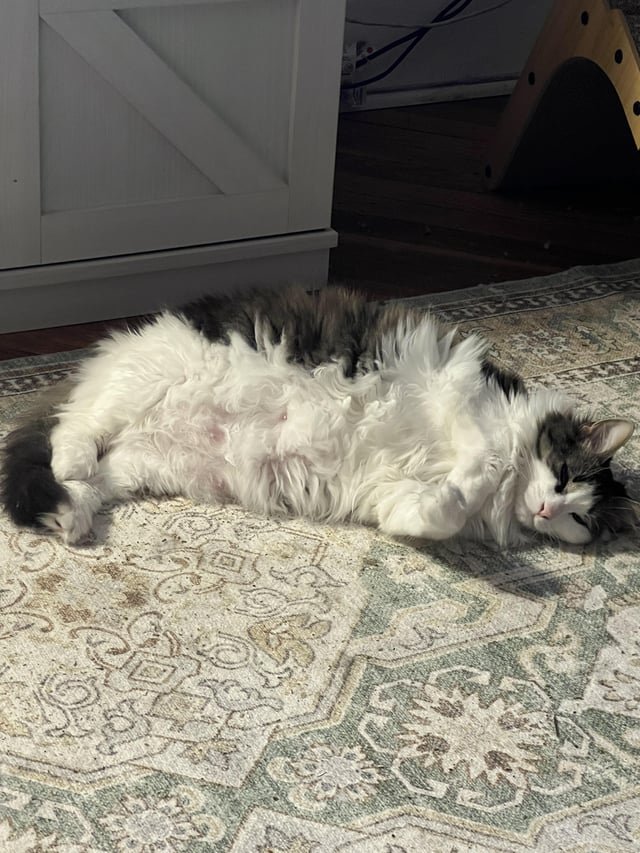
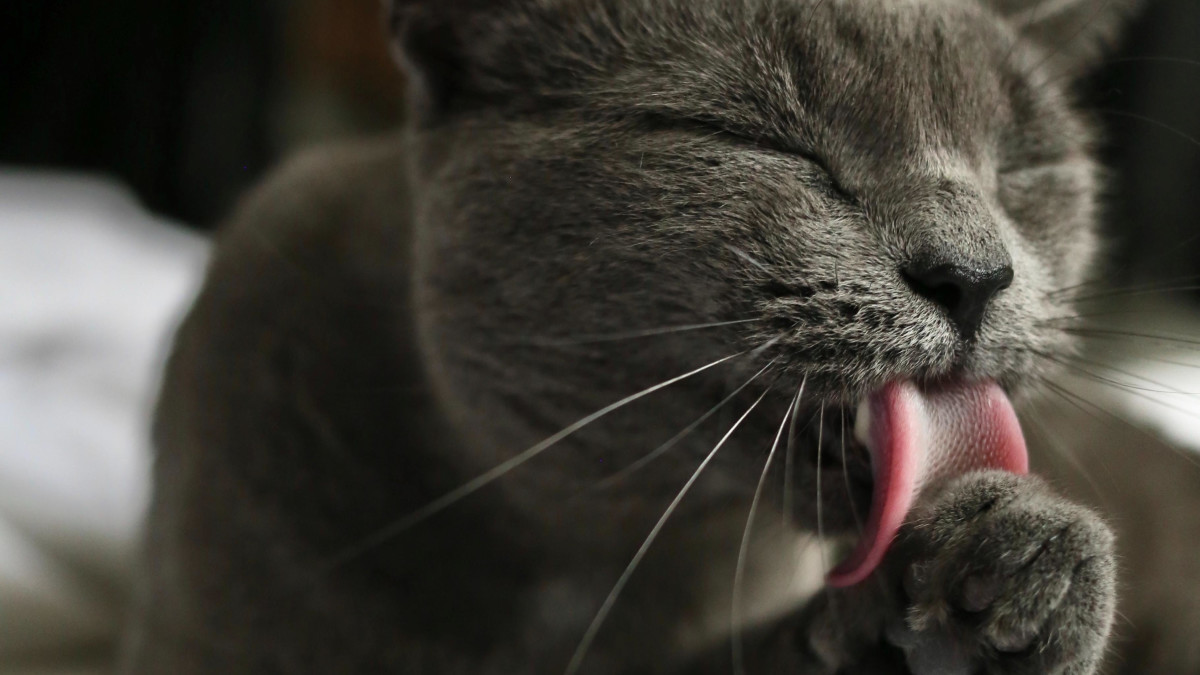
Have you noticed your cat licking or biting its fur more than usual? Over grooming in cats can be more than just a quirky habit—it might be a sign that something is wrong.
If your furry friend is constantly cleaning themselves to the point of hair loss or skin irritation, you need to understand why this happens and what you can do to help. Keep reading to discover the surprising reasons behind over grooming and how you can protect your cat’s health and happiness.
Reasons Behind Over Grooming
Understanding why your cat over grooms is key to helping them stop. Over grooming is not just a quirky habit; it often signals underlying issues. These can be physical, psychological, or related to the environment your cat lives in. Knowing the reasons lets you address the root cause and improve your cat’s well-being.
Physical Causes
Physical discomfort often drives cats to groom excessively. Skin allergies, parasites like fleas, or wounds can irritate your cat’s skin. I once noticed my cat licking one spot nonstop—it turned out to be flea bites that weren’t obvious at first.
Other health problems like arthritis or pain can also lead to over grooming as a coping mechanism. Does your cat lick or chew a specific area repeatedly? It might be worth a vet visit to check for physical issues.
Psychological Triggers
Cats can groom too much when they feel stressed or anxious. Changes in the household, like a new pet or moving homes, can upset them. Think about any recent changes in your cat’s life—could they be feeling insecure or bored?
Some cats develop compulsive grooming habits similar to human OCD. This behavior often needs patience and sometimes professional help to manage. Have you noticed your cat grooming more during quiet or lonely times?
Environmental Factors
The environment your cat lives in plays a big role in their grooming habits. Lack of stimulation or a dull routine can cause them to groom for lack of anything better to do. Adding toys or playtime can reduce their need to over groom.
Temperature and humidity also matter; dry skin can lead to more grooming. Is your home too dry or too warm for your cat? Adjusting these can make a surprising difference in their comfort and grooming behavior.
Signs Of Excessive Grooming
Excessive grooming in cats can signal stress or health issues. Noticing the signs early helps in addressing the root cause. Cats usually groom to stay clean, but too much grooming may harm their skin and fur. Understanding the signs is key to keeping your cat healthy and happy.
Behavioral Indicators
- Your cat spends much time licking or biting a specific area.
- Restlessness or nervousness increases during grooming sessions.
- Sudden changes in grooming habits compared to normal behavior.
- Repeated scratching or rubbing against furniture or walls.
- Your cat may hide or avoid social interactions.
Physical Symptoms
- Redness or inflammation on the skin.
- Open sores or scabs appear on the body.
- Swollen or irritated patches on commonly groomed areas.
- Signs of hair loss in spots or large patches.
- Dry, flaky, or scaly skin may develop.
Changes In Coat Condition
- Fur looks uneven or patchy.
- Coat loses its shine and becomes dull.
- Thinning fur around the neck, belly, or legs.
- Broken or brittle hairs noticeable on touch.
- Excessive shedding beyond normal levels.
Health Risks From Over Grooming
Over grooming in cats can lead to serious health problems. It is more than just a bad habit. Constant licking or biting damages their skin and fur. This behavior often signals underlying issues that need attention. Understanding the risks helps protect your cat’s well-being.
Skin Irritations And Infections
Excessive grooming causes raw, red skin. The constant licking breaks the skin’s surface. This opens the door for bacteria and fungi. Infections develop quickly and cause pain. Cats may scratch more, making wounds worse. Untreated infections can spread and become severe.
Hair Loss And Bald Patches
Over grooming pulls out fur, leading to bald spots. These patches can be small or cover large areas. Hair loss exposes sensitive skin to the environment. This makes skin vulnerable to sunburn and injury. Bald patches are often a sign of stress or illness. They may also cause embarrassment for your cat.
Stress And Anxiety Effects
Over grooming is often linked to stress and anxiety. Cats use grooming to calm themselves. Too much grooming shows they feel unsafe or nervous. Stress can come from changes in the home or health problems. Anxiety worsens over time if not addressed. It lowers their quality of life and happiness.

Credit: www.reddit.com
Diagnosing The Root Cause
Over grooming in cats can signal deeper health or emotional issues. Finding the true cause requires careful diagnosis. This helps in choosing the right treatment and improving your cat’s well-being.
Veterinary Examination
A full veterinary exam is essential. The vet looks for skin problems, wounds, or parasites. They check the cat’s overall health too. Blood tests or skin scrapings may be needed. These tests rule out infections or diseases that cause itching.
Behavioral Assessments
Behavioral issues often cause over grooming. Stress, anxiety, or boredom can trigger this behavior. Observing your cat’s daily routine helps find stress points. The vet or a behaviorist may suggest changes. New toys, more playtime, or calm spaces can reduce anxiety.
Allergy Testing
Allergies are a common cause of over grooming. Food, pollen, or dust can irritate the skin. Allergy testing identifies specific triggers. The vet may recommend a special diet or medicine. Managing allergies helps stop the over grooming cycle.
Treatments And Remedies
Over grooming in cats can be distressing to watch and often signals underlying issues. Tackling this problem involves a mix of medical, behavioral, and environmental strategies. Knowing the right approach can help your feline friend feel comfortable and reduce this harmful habit.
Medical Interventions
Start with a vet visit to rule out health problems like allergies, parasites, or infections that cause itching and discomfort. Your vet might prescribe medications such as antihistamines, antibiotics, or anti-inflammatory drugs to address these issues.
Sometimes, treatment includes medicated shampoos or topical creams to soothe irritated skin. In more severe cases, corticosteroids or other prescription drugs may be necessary to control inflammation and break the grooming cycle.
Behavioral Modifications
Stress often triggers over grooming. Identifying stressors in your cat’s life can make a huge difference. Does your cat get overwhelmed by loud noises, new pets, or changes in routine?
Provide positive distractions like interactive toys or puzzle feeders to keep your cat engaged. Regular playtime helps reduce anxiety and redirects grooming impulses. Reward calm behavior with treats and affection to reinforce good habits.
Environmental Adjustments
Creating a calm and safe environment helps prevent over grooming. Add cozy hiding spots where your cat can retreat and feel secure. Cats love vertical spaces, so consider cat trees or shelves for them to climb and observe.
Keep litter boxes clean and place them in quiet areas. Reducing household chaos—like loud noises or frequent visitors—can also lower stress levels. Have you noticed if your cat’s grooming worsens in certain situations or places?

Credit: www.reddit.com
Preventing Over Grooming
Preventing over grooming in cats helps keep their skin and fur healthy. It also reduces stress and discomfort. Small changes in their daily routine can make a big difference. Understanding and addressing the causes is key to prevention.
Stress Reduction Techniques
Stress often triggers over grooming in cats. Use these simple ways to reduce stress:
- Provide quiet and safe spaces for your cat.
- Use calming pheromone sprays or diffusers.
- Spend regular time playing and bonding.
- Keep a consistent daily routine.
- Introduce new pets or changes slowly.
Proper Grooming Habits
Good grooming helps prevent skin irritation and fur loss. Follow these tips:
- Brush your cat regularly to remove loose fur.
- Check for fleas or skin problems often.
- Use gentle grooming tools suited for your cat’s fur type.
- Trim nails carefully to avoid scratching injuries.
- Consult a vet for skin or coat issues.
Creating A Comfortable Environment
A calm environment supports your cat’s well-being. Create a space that feels safe and cozy:
- Provide soft bedding in quiet corners.
- Offer hiding spots like boxes or cat trees.
- Maintain proper room temperature and lighting.
- Keep food, water, and litter boxes clean and accessible.
- Limit loud noises and sudden disturbances.
Credit: pethelpful.com
Frequently Asked Questions
What Causes Over Grooming In Cats?
Over grooming in cats can be caused by stress, allergies, or skin conditions. It may also result from boredom or anxiety. Identifying the root cause is essential for effective treatment. Consult your veterinarian for a proper diagnosis and tailored advice to ensure your cat’s well-being.
How Can I Stop My Cat From Over Grooming?
To stop over grooming, identify and address the root cause. Provide enrichment toys to reduce boredom. Ensure a stress-free environment and check for allergies or skin conditions. Regular vet check-ups can help identify underlying health issues, ensuring a healthy and happy cat.
Is Over Grooming Harmful To Cats?
Yes, over grooming can be harmful to cats. It may lead to skin irritation, infections, or hair loss. Identifying and addressing the root cause is crucial. Regular veterinary consultations can help prevent complications and ensure your cat maintains a healthy coat and skin.
Can Diet Affect My Cat’s Grooming Behavior?
Yes, diet can impact your cat’s grooming behavior. Nutrient deficiencies or allergies may lead to skin issues, causing over grooming. Providing a balanced diet with essential nutrients can promote healthy skin and coat. Consult your veterinarian for dietary recommendations tailored to your cat’s needs.
Conclusion
Over grooming in cats needs careful attention and care. Watch your cat’s behavior closely for signs of stress or illness. Early action can prevent serious skin problems and discomfort. Provide a calm environment and regular vet visits to keep your cat healthy.
Understanding your cat helps stop over grooming before it worsens. Your care makes a big difference in your cat’s life. Stay patient and gentle while helping your furry friend feel safe and happy.
