

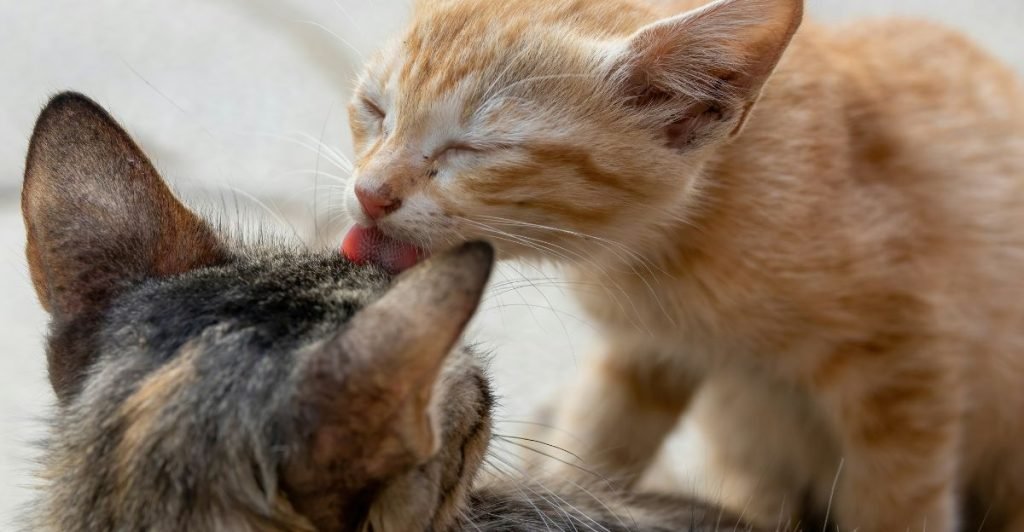
Have you ever noticed your cats licking each other and wondered why they do it? When cats groom each other, it’s more than just keeping clean.
This simple act reveals a lot about their feelings and relationships. If you want to understand what your cats are really saying when they groom each other, keep reading. You’ll discover surprising reasons behind this behavior and how it affects your furry friends’ bond.
Let’s dive into the fascinating world of cat grooming together!
Credit: www.petscare.com
Why Cats Groom
Cats groom themselves and each other for many reasons. Grooming keeps their fur clean and healthy. It also helps them feel calm and safe. Cats use grooming as a way to bond and show care for one another. This behavior is natural and important for their well-being.
Benefits Of Grooming
- Removes dirt, loose fur, and parasites
- Prevents skin problems and infections
- Keeps fur smooth and shiny
- Regulates body temperature by spreading natural oils
- Reduces stress and helps cats relax
- Strengthens social bonds between cats
Types Of Grooming Behavior
- Self-grooming:Cats lick their own fur to clean and arrange it.
- Allogrooming:Cats lick and groom each other to build trust and friendship.
- Social grooming:Grooming shared among cats in a group to maintain peace and connection.
- Mother grooming:Mother cats clean their kittens to keep them safe and healthy.
Social Grooming Among Cats
Have you ever watched two cats gently licking each other and wondered why they do it? This behavior is more than just cleaning; it’s a powerful social tool cats use to bond and communicate. Social grooming helps cats build trust and maintain peace within their group, showing you a side of their relationship that goes beyond mere companionship.
What Is Allogrooming
Allogrooming is the term used to describe one cat grooming another. It’s a common social activity, especially among cats that share a close bond, like siblings or feline friends. This behavior isn’t just about hygiene—it plays a key role in strengthening social ties and reducing stress.
When cats groom each other, they exchange scents, which helps them recognize each other as part of the same group. Have you noticed how your cats sometimes groom each other after a play session? That’s their way of saying “we’re good.”
Common Grooming Spots
Cats usually focus on certain areas when grooming each other. These spots can tell you a lot about their relationship and comfort level. The most common areas include:
- Head and neck:These are places cats can’t easily reach themselves, so grooming here is a sign of trust.
- Behind the ears:This sensitive area is often groomed to soothe and calm.
- Back and shoulders:These spots are accessible and often targeted to strengthen bonds.
When your cats groom these areas on each other, it’s a clear sign they feel safe and connected. If you see this behavior, consider it a positive indicator of your pets’ social health.
Strengthening Bonds Through Grooming
Grooming is more than cleaning for cats. It is a social activity that builds and strengthens bonds. Cats use grooming to show care and friendship. This shared behavior helps create a sense of safety and belonging among them.
Building Trust
Grooming each other shows deep trust between cats. They expose vulnerable parts like the head and neck. Letting another cat clean these areas means they feel safe. This trust grows stronger with each grooming session. It helps cats form lasting friendships and peaceful group living.
Reducing Stress
Grooming lowers stress and anxiety in cats. The gentle licking calms their nerves. It releases feel-good chemicals in their brains. Cats groom each other to soothe worries and tension. This makes them more relaxed and happy together.

Credit: catcuddlezone.com
When Cats Refuse To Groom Each Other
Cats usually groom each other to show affection and build trust. This behavior is called allogrooming. It helps keep their fur clean and strengthens their social bonds. Sometimes, cats stop grooming one another. This change can signal a problem in their relationship or health.
Understanding why cats refuse to groom each other helps owners manage their pets better. It can also prevent fights and stress. Watch for clues in their behavior to know what is going on.
Possible Reasons
- Health issues like pain or illness make grooming uncomfortable.
- Stress from changes in the environment or new pets.
- Social tension or rivalry between cats.
- Age differences causing less interest in social grooming.
- Past negative experiences or trauma.
Signs Of Conflict
- Hissing, growling, or swatting at each other.
- Avoiding eye contact or turning away.
- Stiff body posture or puffed-up fur.
- Refusing to be near each other.
- Marking territory with urine or scratching.
Encouraging Grooming Between Cats
Getting cats to groom each other is more than just a cute sight—it’s a sign of trust and bonding. Encouraging this behavior can improve their relationship and reduce stress. But how do you create the right atmosphere for your cats to start sharing those grooming moments?
Creating A Comfortable Environment
Your cats need to feel safe and relaxed to groom each other. Make sure they have quiet, cozy spots where they can hang out together without interruptions. Soft blankets or cushions can invite them to settle side by side.
Keep their food, water, and litter boxes separate but nearby to avoid competition or tension. Sometimes, a calm environment is all it takes for cats to start grooming each other naturally. Do you notice your cats relaxing more when their space feels secure?
Introducing New Cats
Introducing a new cat requires patience to build comfort and trust. Start by letting them sniff each other’s scent through a door or a blanket before any face-to-face meeting. This small step helps reduce anxiety and curiosity in a safe way.
When they finally meet, watch their body language closely. If you see signs of stress or aggression, separate them and try again later. Gradual introductions often lead to grooming sessions as cats become more familiar and accepting of one another.
Grooming And Health Indicators
Cats spend a lot of time grooming themselves and each other. This behavior is more than just cleaning. It can show how healthy a cat is. Watching how cats groom helps understand their well-being. Changes in grooming habits may signal health issues early.
Spotting Illness Through Grooming
When cats groom less or stop grooming, it could mean illness. Cats in pain or feeling sick often avoid cleaning themselves. Matted fur, bald patches, or greasy coats can point to health problems. Over-grooming or licking one area too much may show skin irritation or allergies. Owners should watch these signs closely. Quick action can help catch illness early and improve treatment.
Grooming And Parasite Control
Cats groom to remove dirt and parasites. Fleas and ticks hide in fur and cause discomfort. Grooming helps reduce these pests naturally. Cats also groom each other to reach places they cannot. If a cat stops grooming or scratching increases, parasites may be present. Regular checks during grooming sessions help spot parasites early. Keeping cats clean supports their health and comfort.
Credit: basepaws.com
Frequently Asked Questions
Do Cats Groom Each Other Regularly?
Yes, cats groom each other often to strengthen bonds and maintain cleanliness. This behavior is called allogrooming and promotes social connection.
Why Do Cats Groom Each Other’s Heads?
Cats can’t easily reach their heads, so they rely on each other to groom those areas. It helps keep them clean and comfortable.
Does Grooming Show Cat Affection?
Absolutely, mutual grooming is a sign of trust and affection between cats. It helps reduce stress and reinforces social bonds.
Can Cats Groom Strangers Or Only Familiar Cats?
Cats typically groom familiar cats within their social group. Grooming strangers is rare and may only occur if cats quickly bond.
Conclusion
Cats grooming each other shows trust and friendship. It helps them stay clean and calm. This behavior builds strong bonds among cats. Watching cats groom can be quite soothing. It tells us how social and caring they are. Understanding this helps us appreciate our pets more.
Cats use grooming to share comfort and love. So, yes, cats do groom each other often. It’s a natural and important part of their life.
