

Have you ever wondered how your cat’s tongue stays so clean and effective at grooming? Understanding your cat’s tongue is the key to keeping your furry friend healthy and happy.
You’ll discover why your cat’s tongue is more than just a tool for licking—it’s a natural grooming powerhouse. Learn how this unique feature helps your cat stay spotless and what you can do to support their grooming routine. Keep reading to unlock the secrets behind grooming tongue for cats and ensure your pet’s coat shines with health.

Credit: www.amazon.com
Cat Tongue Anatomy
The cat’s tongue is a unique tool designed for grooming and survival. It plays a key role in keeping cats clean and healthy. Understanding its anatomy helps explain why cats groom themselves so often and so well.
Papillae Structure
The tongue is covered with tiny, hook-shaped structures called papillae. These papillae are made of keratin, the same material found in human fingernails. They point backward, giving the tongue a rough texture. This structure helps cats remove loose fur and dirt from their coat. It also aids in gripping food, making eating easier.
Texture And Function
The rough texture of the cat’s tongue feels like sandpaper. This texture helps cats clean their fur thoroughly. It also helps spread natural oils across their coat, keeping it shiny and healthy. The tongue’s surface can also help cats cool down by licking their fur. This unique texture is a perfect tool for grooming and survival.

Credit: www.walmart.com
How Cats Groom Themselves
Cats spend a large part of their day grooming themselves. This behavior keeps them clean and healthy. Their tongues play a special role in this process. Understanding how cats groom themselves helps us care for their health better.
Licking Techniques
Cats use their tongues to clean their fur with quick, gentle licks. Their tongues have tiny, hook-like structures called papillae. These help remove dirt and loose hair. Cats lick in a rhythmic pattern to cover their whole body. They start from the head, moving down to the tail. Licking also spreads natural oils, keeping their coat shiny.
Self-cleaning Benefits
Grooming helps cats stay free from dirt and parasites. It also cools them down by spreading saliva. Grooming reduces stress and calms cats. Clean fur prevents skin infections and matting. This habit keeps their body temperature steady. Regular grooming supports overall health and comfort for cats.
Benefits Of The Tongue’s Design
The unique design of a cat’s tongue plays a crucial role in their grooming routine. Its rough texture and specialized features help your feline friend maintain cleanliness and overall health. Understanding these benefits can give you a new appreciation for how your cat keeps itself so well-groomed.
Removing Loose Fur
The tiny, hook-shaped structures on a cat’s tongue, called papillae, act like a natural comb. They catch loose fur and pull it away from the skin. This not only prevents matting but also reduces the amount of fur your cat swallows, which can help avoid hairballs.
Have you noticed your cat leaving fur all over your furniture? Their tongue is actually doing double duty—cleaning themselves and managing shedding. Next time you pet your cat, think about how their tongue is constantly working to keep their coat smooth and tidy.
Stimulating Skin Health
As your cat licks, the papillae gently massage their skin. This stimulates blood flow, which supports healthy skin cells and fur growth. It’s like a mini spa treatment happening every day without any extra effort from you.
This stimulation also helps your cat detect any skin irritations early on. If you ever see your cat licking one spot repeatedly, it might be their way of responding to discomfort. Paying attention to this behavior can help you catch potential skin problems sooner.
Distributing Natural Oils
Your cat’s tongue spreads natural oils produced by their skin evenly across their fur. These oils keep the coat shiny, waterproof, and protected from dirt. Without this distribution, their fur could become dull and more prone to damage.
Think about how your cat looks after a grooming session—sleek and clean. That’s the natural oils working their magic, making their coat healthy and attractive. You can support this by ensuring your cat’s diet is rich in nutrients that promote skin and coat health.
Common Grooming Issues
Grooming is essential for your cat’s health, but it can come with some challenges. Understanding common grooming issues helps you keep your feline friend comfortable and healthy. Let’s look at two frequent problems related to your cat’s tongue and grooming habits.
Hairballs And Their Causes
Hairballs are a common issue caused by cats licking themselves to clean their fur. Their rough tongues pull loose hair, which they swallow, leading to hairballs in their stomachs.
Some cats are more prone to hairballs because of their long or thick fur. You might notice your cat coughing or gagging, which is often a sign they’re trying to expel a hairball.
To reduce hairballs, you can:
- Brush your cat regularly to remove loose hair.
- Offer specialized hairball control food or treats.
- Ensure your cat drinks plenty of water to aid digestion.
Overgrooming Concerns
Overgrooming happens when a cat licks its fur excessively, sometimes leading to bald spots or skin irritation. It’s often a sign of stress, allergies, or underlying health problems.
If you notice your cat licking a specific area nonstop, it’s important to check for skin issues or parasites. This behavior can also mean your cat feels anxious or bored.
Helping your cat might involve:
- Providing more playtime and mental stimulation.
- Visiting the vet to rule out allergies or infections.
- Using calming products like pheromone diffusers.
Have you ever caught your cat licking too much or struggling with hairballs? Paying attention to these signs can make a big difference in your cat’s comfort and health.
Supporting Your Cat’s Grooming
Supporting your cat’s grooming helps keep their coat clean and healthy. Cats naturally use their tongues to remove dirt and loose hair. You can assist this process to reduce hairballs and skin issues.
Providing extra care makes grooming easier for your cat. It also strengthens your bond and keeps your cat comfortable and happy.
Regular Brushing Tips
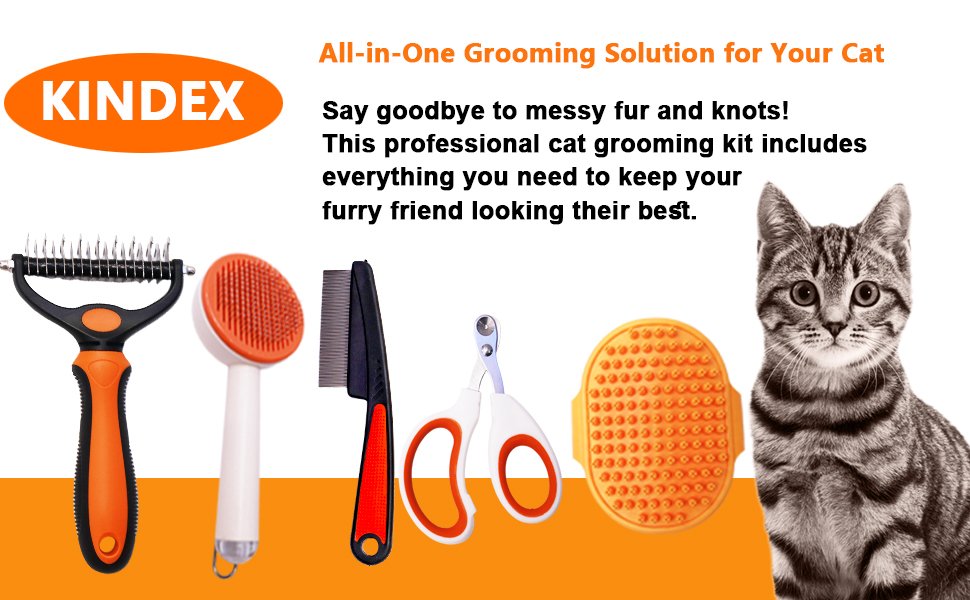
Brush your cat’s fur gently every day or several times a week. Use a brush suited to your cat’s fur type. Short-haired cats need softer brushes, while long-haired cats need combs or slicker brushes.
Start brushing in calm moments. Let your cat sniff the brush first. Brush in the direction of hair growth. Watch for signs of discomfort and stop if your cat resists.
- Remove loose hair to prevent mats and tangles.
- Check skin for redness or bumps.
- Make brushing a positive experience with treats or praise.
Diet And Hydration Impact
Your cat’s diet affects fur quality and skin health. Feed a balanced diet rich in proteins and omega fatty acids. These nutrients keep the coat shiny and soft.
Hydration also plays a role. Provide fresh water every day. Cats often drink little water, so wet food can help increase fluid intake.
- Proper nutrition supports natural grooming habits.
- Hydrated skin reduces itchiness and dryness.
- Healthy cats groom more effectively with their tongues.
When To Seek Veterinary Advice
Notice changes in your cat’s grooming routine or coat condition. Excessive licking, bald spots, or a dull coat may signal problems. Skin infections, allergies, or parasites could be causes.
Consult a vet if your cat scratches often or shows signs of pain. Early diagnosis helps treat issues before they worsen. Your vet can recommend treatments or special shampoos.

Credit: www.walmart.com
Frequently Asked Questions
What Is The Purpose Of A Cat’s Grooming Tongue?
A cat’s grooming tongue has tiny, hook-like structures called papillae. These help remove loose fur and dirt. It also spreads natural oils, keeping the coat shiny and healthy. Grooming soothes cats and helps regulate their body temperature.
How Does A Cat’s Tongue Aid In Self-cleaning?
The rough texture of a cat’s tongue acts like a brush. It pulls away dirt, debris, and dead skin from the fur. This self-cleaning process reduces the risk of infections. It also keeps cats smelling fresh and feeling comfortable.
Can Grooming With A Cat’s Tongue Prevent Hairballs?
Yes, grooming helps reduce loose fur that cats might ingest. When cats lick themselves, they swallow some hair, which can form hairballs. Regular grooming by cats lowers the amount of loose hair, decreasing hairball formation and related digestive issues.
Why Do Cats Groom Each Other’s Tongues?
Cats groom each other to strengthen social bonds and show affection. Grooming tongues reach hard-to-clean areas and help maintain hygiene. This behavior promotes trust and reduces stress among cats living together.
Conclusion
Grooming your cat’s tongue helps keep their coat clean and healthy. Cats use their tongues to remove dirt and loose fur. Regular care supports their natural grooming habits. It also reduces hairballs and skin problems. Pay attention to any changes in licking behavior.
A clean tongue means a happier, healthier cat. Small efforts make a big difference. Keep your cat comfortable and well cared for every day.
