

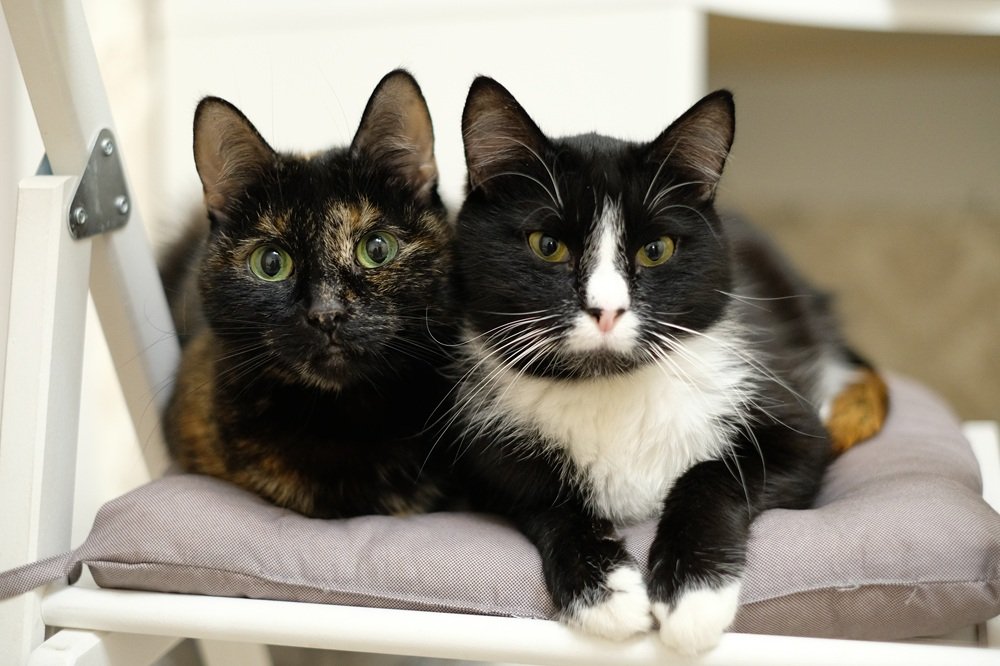
You love your two cats like family, and you want the best for them. But what happens if one of them gets sick or has an accident?
Vet bills can add up quickly, leaving you stressed and worried. That’s where pet insurance for two cats comes in. It can help protect your furry friends and your wallet, giving you peace of mind when you need it most.
Keep reading to discover how the right insurance can keep your cats safe and your finances secure.
Credit: www.healthypawspetinsurance.com
Why Insure Two Cats
Owning two cats means double the joy, but it can also mean double the responsibility. Insuring both pets under the same plan ensures you are prepared for unexpected health issues without the stress of juggling separate policies. Have you ever thought about how much easier managing vet visits could be with one comprehensive insurance plan covering both of your cats?
Benefits Of Dual Coverage
Dual coverage allows you to protect both cats with one insurance policy, simplifying your paperwork and claims process.
It ensures both pets get the care they need without delay, even if one faces a sudden illness or injury.
Imagine not having to decide which cat gets treatment first because both are covered equally. This peace of mind can make a huge difference in stressful times.
Cost Savings Compared To Separate Plans
Bundling two cats under one insurance plan often reduces your overall premium compared to buying two separate policies.
Insurance companies usually offer discounts for multi-pet plans, which can save you a significant amount over the year.
These savings add up quickly and can free up your budget for other pet needs, like toys or special food.
Types Of Cat Insurance Plans
Choosing the right insurance plan for your two cats means understanding the different types of coverage available. Each plan offers varying levels of protection and benefits, so knowing what fits your cats’ needs and your budget is key. Here’s a breakdown of common cat insurance plans to help you make an informed choice.
Accident-only Policies
Accident-only plans cover unexpected injuries like broken bones or poisoning. These policies don’t pay for illnesses or routine care, making them a budget-friendly option if your cats are generally healthy.
Think about how active your cats are. If they love climbing and exploring, accident coverage might give you peace of mind without a high monthly cost. However, if your cats are older or prone to health issues, this plan might leave you exposed to expensive illness-related bills.
Comprehensive Coverage
This plan covers both accidents and illnesses, including chronic conditions like diabetes or infections. It often includes diagnostic tests, surgeries, and hospital stays, making it ideal for cats with ongoing medical needs.
Imagine your cat suddenly develops a costly condition. With comprehensive coverage, you won’t have to hesitate before seeking treatment. It’s like having a safety net that catches most health-related expenses, but the premiums are usually higher than accident-only plans.
Wellness And Preventive Care
Wellness plans focus on routine care like vaccinations, flea treatments, and annual checkups. These are often add-ons to accident or comprehensive policies, helping you manage regular health costs.
Regular vet visits can prevent bigger problems down the road. By including wellness coverage, you can spread out your expenses and keep your cats healthier. Think about whether you want to handle these routine costs upfront or spread them over time with insurance.
Key Factors Affecting Premiums
Pet insurance premiums vary based on several important factors. Understanding these can help you choose the best plan for your two cats. Each factor plays a role in determining the cost and coverage of your insurance policy.
Age And Breed Considerations
Older cats usually have higher premiums because they face more health risks. Some breeds are prone to specific illnesses, which can raise costs. Insurers may charge more for breeds with known health problems. Young, healthy cats often get lower rates. Knowing your cats’ breed and age helps predict insurance expenses.
Location And Vet Costs
Where you live affects vet fees and insurance prices. Urban areas tend to have higher vet costs than rural regions. Insurance companies adjust premiums to match local medical expenses. High vet prices mean higher premiums for your cats. Check local vet fees to estimate insurance costs accurately.
Coverage Limits And Deductibles
Coverage limits set the maximum amount paid by insurance. Higher limits usually mean higher premiums. Deductibles are the amount you pay before insurance kicks in. A higher deductible lowers your monthly premium. Balancing coverage and deductible levels can save money. Choose limits and deductibles that fit your budget and needs.
Credit: caaneo.ca
Choosing The Best Plan For Two Cats
Choosing the best pet insurance plan for two cats can save money and stress. It requires careful thought about coverage, cost, and benefits. A good plan offers peace of mind and helps with unexpected vet bills.
Multi-pet Discounts
Many insurance companies offer discounts for insuring more than one pet. These discounts can lower your total monthly cost. Check if the provider gives a percentage off or a fixed amount reduction. Multi-pet plans often simplify managing policies for both cats.
Comparing Policy Features
Look closely at what each policy covers. Some cover accidents and illnesses, while others include wellness visits. Check the limits on payouts and deductibles. Consider if hereditary conditions are covered. Understand waiting periods before coverage begins. Compare what each plan offers for the price.
Customer Reviews And Reputation
Read reviews to learn about customer experiences. Pay attention to claim approval rates and customer service quality. A strong reputation shows reliability and trustworthiness. Look for consistent positive feedback from pet owners. This insight helps pick a plan that works well for two cats.
Saving Money On Cat Insurance
Saving money on cat insurance is about more than just picking the cheapest plan. It’s about understanding how to get the best value for your coverage. You want to protect your two cats without breaking the bank, and a few smart choices can make a big difference.
Bundling Policies
Have you checked if your insurer offers discounts for bundling multiple policies? Combining your cat insurance with other pet policies or even home insurance can lower your overall costs.
Many providers give a percentage off when you insure more than one pet or add additional coverage. This can be especially helpful if you have two cats, as separate policies might cost more than a bundled one.
Annual Vs Monthly Payments
Paying your premium annually usually saves you money compared to monthly installments. Some insurers charge extra fees or interest for monthly payments, which add up over time.
If budgeting monthly feels easier, consider setting aside the annual amount in advance. This way, you avoid extra fees and still manage your cash flow.
Avoiding Common Pitfalls
Are you clear on what your insurance actually covers? Some plans exclude pre-existing conditions or have limits on certain treatments, which can lead to unexpected out-of-pocket costs.
Read the fine print carefully and ask questions about deductibles, reimbursement rates, and claim processes. Avoiding surprises means you get the protection you expect without hidden expenses.
Filing Claims And Getting Reimbursed
Filing claims and getting reimbursed for your two cats’ pet insurance can seem tricky at first, but it doesn’t have to be. Understanding the process clearly can save you time and stress, and help you get the most out of your policy. Let’s walk through how you can handle claims smoothly and boost your reimbursement chances.
Step-by-step Claim Process
Start by collecting all the necessary documents after your vet visit. This usually includes the itemized invoice and proof of payment. Keep digital or physical copies organized to avoid last-minute scrambles.
Next, check your insurer’s preferred method for submitting claims. Many offer online portals or mobile apps for quick uploads. Others accept claims by email or mail, so choose the easiest way for you.
Fill out the claim form carefully, making sure to include your pet’s details, treatment dates, and any policy numbers. Missing information can delay your reimbursement. After submission, note the expected turnaround time—usually between 5 to 15 business days.
Maximizing Your Reimbursement
Read your policy fine print to understand what’s covered and any limits. Some policies require you to pay upfront and then reimburse, while others pay the vet directly. Knowing this helps you plan your finances better.
Keep detailed records of all vet visits, medications, and follow-ups. This documentation strengthens your claim if questions arise. Also, ask your vet for clear, itemized bills to avoid confusion.
Consider bundling multiple claims if your insurer allows it, especially for ongoing treatments. This can reduce administrative hassle and speed up payments. Have you checked if your policy has annual or per-condition limits that could affect your claim?
Alternatives To Pet Insurance
Pet insurance is not the only way to manage vet costs for two cats. Some pet owners prefer other methods to cover unexpected expenses. These alternatives can provide financial relief and peace of mind. They offer flexibility and control over how money is saved or spent on pet care.
Pet Savings Accounts
A pet savings account is a simple way to prepare for vet bills. Set aside a small amount of money regularly. Over time, this fund grows and can cover emergencies or routine care. It works like a personal safety net for your cats’ health needs.
You decide how much to save and when to use the money. No approval needed for treatments or procedures. The account stays under your control, giving freedom to spend as you choose.
Care Credit And Financing Options
Care Credit is a credit card designed for health expenses, including pets. It allows you to pay vet bills over time with low or no interest. This can ease the burden of large, unexpected costs.
Many veterinary clinics accept Care Credit. You can apply online and get quick approval. Financing options like this help spread payments into smaller, manageable amounts.
Be sure to understand the terms before using credit. Plan to pay off balances on time to avoid extra fees.

Credit: theoreticallyteddy.com
Frequently Asked Questions
What Is The Cost Of Insuring Two Cats?
The cost of insuring two cats varies based on their age and breed. On average, expect to pay between $20 to $50 monthly per cat. Discounts are often available for insuring multiple pets.
Does Pet Insurance Cover Routine Vet Visits For Cats?
Routine vet visits are usually not covered by standard pet insurance plans. However, some insurers offer wellness add-ons. These add-ons can cover routine care like vaccinations and check-ups for an additional fee.
Can I Insure Older Cats?
Yes, you can insure older cats, though premiums may be higher. Some insurers have age limits or may exclude pre-existing conditions. It’s best to compare policies to find the right coverage for older cats.
Are There Discounts For Insuring Multiple Pets?
Many insurers offer discounts for insuring multiple pets, including cats. These discounts can reduce your overall premium costs. It’s a good idea to ask about multi-pet discounts when shopping for insurance.
Conclusion
Choosing pet insurance for two cats helps protect their health. It makes vet visits less stressful on your budget. You can focus on your cats’ care, not costs. Plans vary, so compare options carefully before deciding. Good insurance gives peace of mind for emergencies and routine care.
Healthy cats mean happy homes. Taking this step shows you care deeply about your pets. Keep their well-being a priority with smart choices. Pet insurance supports your cats through all life stages. It’s a wise way to guard their future health.
