

Have you noticed your cat spending more time than usual licking or biting its fur? Excessive grooming can be more than just a quirky habit—it might be a sign that something is wrong.
If you’re wondering, “Why is my cat excessively grooming? ” you’re not alone. Understanding the reasons behind this behavior is important for your cat’s health and happiness. Keep reading to discover what could be causing your furry friend’s constant grooming and what you can do to help.
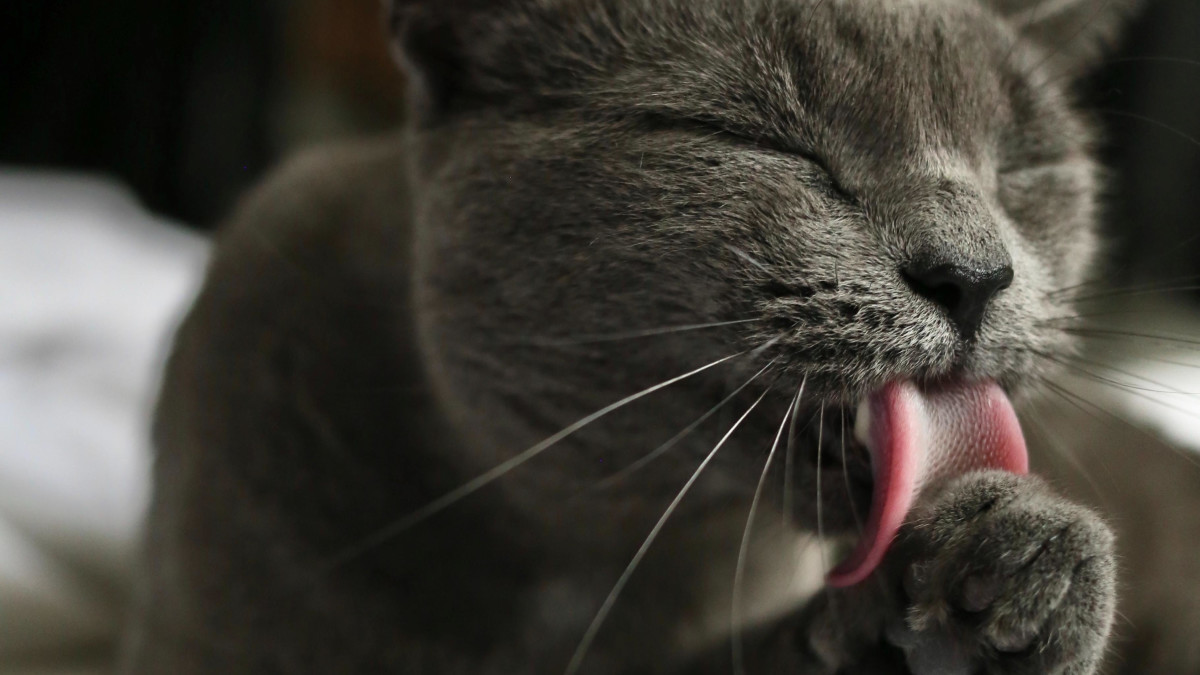
Credit: pethelpful.com
Signs Of Excessive Grooming
Recognizing signs of excessive grooming in cats is crucial for their health. Excessive grooming can signal stress, allergies, or skin problems. Watch for changes in your cat’s usual habits and any physical signs on their body. Early detection helps prevent serious issues.
Changes In Grooming Habits
Your cat may groom more often than normal. They might lick certain spots repeatedly. Notice if grooming sessions last longer or happen more times each day. Some cats even groom until their fur looks thin or patchy. Sudden shifts from their regular grooming routine are a key warning sign.
Physical Symptoms To Watch For
- Red or irritated skin
- Bald patches or thinning fur
- Scabs, sores, or wounds on the body
- Swelling or bumps on the skin
- Dry or flaky skin
These symptoms often show where your cat grooms excessively. Check your cat’s coat and skin regularly. Noticing these signs early helps you act quickly and keep your cat comfortable.
Common Medical Causes
Excessive grooming in cats often signals an underlying medical problem that needs your attention. It’s not just about keeping clean—your cat might be trying to tell you something through this behavior. Understanding common medical causes can help you act quickly and get your feline friend the relief they need.
Skin Allergies And Irritations
Skin allergies are a frequent reason cats groom themselves too much. Your cat might be reacting to food, environmental factors, or even cleaning products used around the house. If you notice redness, bumps, or flaky skin, these are signs that irritation is driving the grooming behavior.
Have you checked if your cat’s diet or environment recently changed? Sometimes switching to hypoallergenic food or avoiding certain household chemicals can reduce symptoms significantly.
Parasites And Infections
Parasites like fleas or mites cause intense itching that leads to over-grooming. Even if you don’t see fleas, tiny parasites can hide well, making it easy to miss them. Infections, whether bacterial or fungal, can also cause discomfort and prompt your cat to lick or bite affected areas.
Regular vet checkups and preventive treatments are crucial. Have you noticed hair loss or scabs? Those might be signs your cat needs parasite control or medical treatment for infections.
Pain And Discomfort
Sometimes grooming is a way for cats to soothe pain from injuries or arthritis. Your cat may focus on one spot, licking it excessively to relieve discomfort. This behavior can be easy to overlook if the pain isn’t obvious.
Does your cat seem reluctant to jump or move like before? Pain could be the hidden reason behind the grooming, and a vet’s exam can pinpoint the cause. Don’t ignore persistent grooming—it could be your cat’s call for help.
Behavioral Triggers
Excessive grooming in cats often points to underlying behavioral triggers. Understanding these triggers can help you identify why your cat licks or scratches more than usual. It’s rarely just about cleanliness—behavioral factors play a big role in how your cat cares for itself.
Stress And Anxiety
Stress can cause your cat to groom excessively as a way to calm itself down. Changes like moving to a new home, new pets, or loud noises might trigger this behavior.
Have you noticed your cat licking more after a vet visit or during thunderstorms? This is a sign anxiety might be pushing them to over-groom. Try creating a quiet, safe space for your cat and see if the grooming decreases.
Boredom And Lack Of Stimulation
Boredom can also lead to excessive grooming. Cats need mental and physical activities to stay happy and healthy.
If your cat is home alone for long hours without toys or interaction, it might start over-grooming out of sheer boredom. Adding puzzle feeders, interactive toys, or regular playtime can redirect this energy into healthier habits.
Compulsive Grooming Disorders
Sometimes, excessive grooming becomes a compulsive habit, similar to OCD in humans. This disorder makes the cat groom more than necessary, leading to skin irritation or hair loss.
Is your cat grooming to the point of injury? Consult your vet about compulsive grooming disorders. They can suggest treatments or behavior therapy that might help reduce this obsessive behavior.

Credit: www.reddit.com
Environmental Factors
Environmental factors play a big role in a cat’s grooming habits. Changes around your cat can cause stress or discomfort. This often leads to excessive grooming. Understanding these factors helps in managing your cat’s behavior better.
Changes In Household Routine
Cats love routine. Sudden changes in daily life may upset them. Moving furniture, new pets, or visitors can cause stress. This stress may trigger repetitive grooming. Your cat might lick or bite its fur more than usual. Keeping a stable environment helps reduce this behavior.
Exposure To Irritants
Some household items can irritate a cat’s skin. Cleaning chemicals, perfumes, or certain plants may cause discomfort. Allergens like dust or pollen can also affect your cat. These irritants make your cat lick or scratch often. Identifying and removing irritants can calm your cat’s skin.
Temperature And Humidity Effects
Extreme weather affects cats too. Hot and humid conditions may cause skin irritation. Dry air in winter can also make skin itchy. Your cat may groom more to relieve discomfort. Providing a comfortable environment helps keep your cat calm and healthy.
When To See A Vet
Excessive grooming in cats can sometimes be more than just a quirky habit. It might signal discomfort or health issues that need professional attention. Knowing when to see a vet is crucial to catch problems early and keep your feline friend comfortable.
Identifying Serious Symptoms
Watch for signs like bald patches, red or inflamed skin, and open sores. These could mean your cat is causing self-injury through over-grooming.
Also, note any changes in behavior such as lethargy, loss of appetite, or unusual aggression. These symptoms might suggest underlying health problems that require a vet’s expertise.
Has your cat’s grooming increased suddenly or become obsessive? This change can be a red flag that something is wrong.
Preparing For The Vet Visit
Before the appointment, observe and note your cat’s grooming habits. How often, which areas, and for how long does your cat groom?
Gather any other unusual behaviors or symptoms you’ve noticed. This information helps the vet understand the full picture quickly.
Consider bringing a recent photo of the affected skin areas. Visual evidence can help your vet assess the problem more accurately.
Potential Treatments
Treatment depends on the cause. Your vet might prescribe medication for allergies, infections, or parasites.
In some cases, stress or anxiety leads to over-grooming. Your vet may suggest environmental changes or calming aids to reduce your cat’s stress.
Follow the treatment plan carefully and monitor your cat’s progress. Quick action can prevent complications and improve your cat’s quality of life.
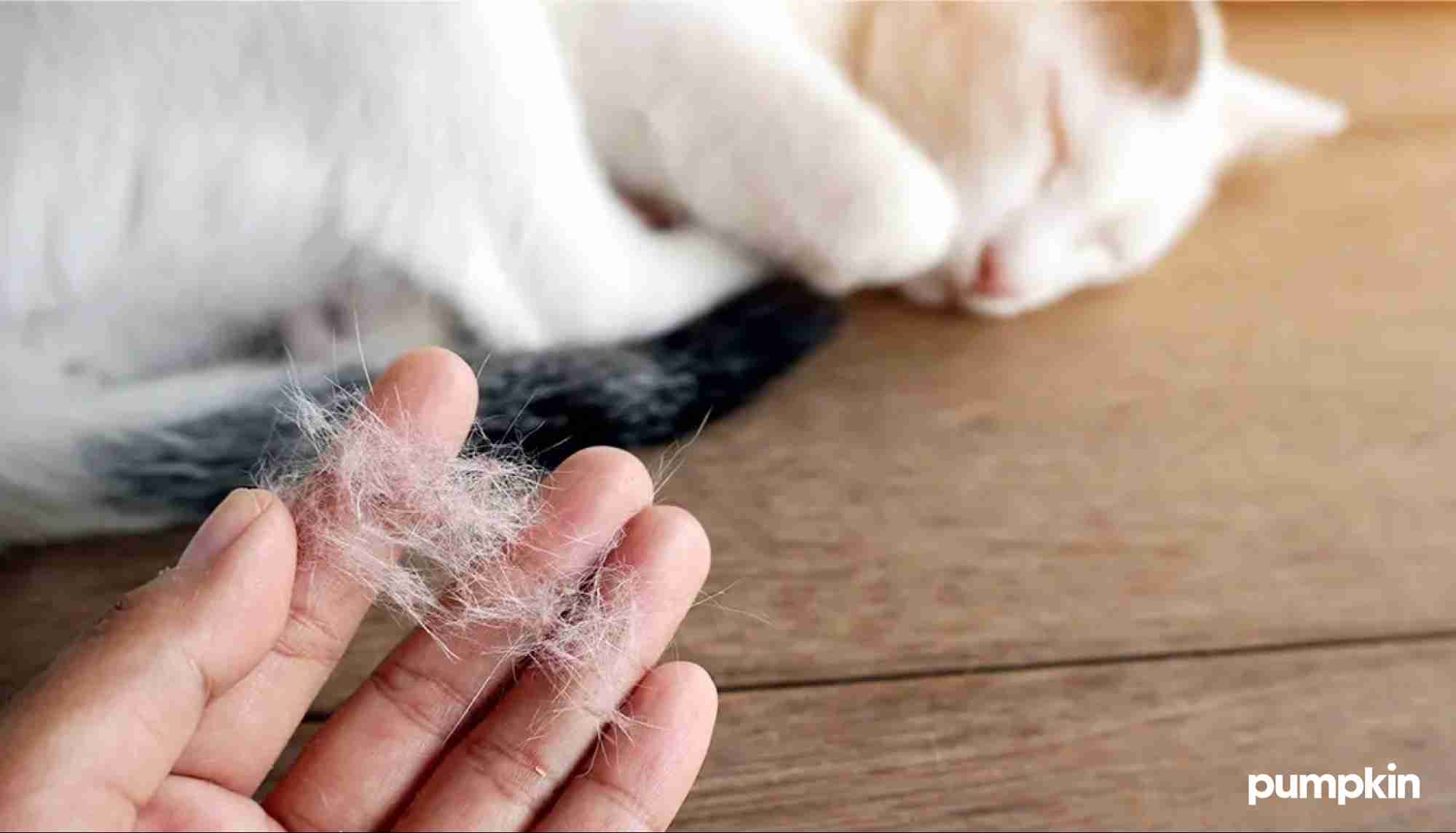
Credit: www.pumpkin.care
Managing Excessive Grooming At Home
Managing excessive grooming at home requires patience and attention. Cats may groom too much due to stress, boredom, or skin problems. By creating a calm and stimulating space, you can help reduce this behavior. Understanding your cat’s needs plays a big role in controlling excessive grooming.
Reducing Stress For Your Cat
Stress often causes cats to groom excessively. Create quiet spaces where your cat feels safe. Use gentle voices and avoid sudden loud noises. Keep a consistent daily routine to help your cat feel secure. Offer plenty of affection but respect your cat’s personal space. Sometimes a pheromone diffuser can help soothe anxious cats.
Improving Environment And Enrichment
Boredom leads to over-grooming. Provide toys that encourage play and exercise. Rotate toys regularly to keep your cat interested. Set up scratching posts and climbing areas. Spend quality time playing to keep your cat active. Enrichment helps your cat focus on fun, not grooming.
Using Topical Treatments Safely
Skin problems can cause your cat to lick too much. Use vet-approved creams or sprays only. Follow all instructions carefully to avoid harm. Avoid using human products on cats. If you see redness or sores, consult your vet right away. Safe topical treatments can soothe irritated skin and reduce grooming urges.
Frequently Asked Questions
Why Is My Cat Grooming Itself Excessively?
Excessive grooming in cats often indicates stress, allergies, or skin problems. It can lead to hair loss or sores. Consult a vet to identify the cause and get appropriate treatment to stop the behavior and keep your cat healthy.
Can Excessive Grooming Cause Health Problems In Cats?
Yes, excessive grooming can cause skin irritation, wounds, and hair loss. It may also lead to infections. Monitoring your cat and seeking veterinary help early can prevent severe health issues and promote recovery.
How Can I Reduce My Cat’s Excessive Grooming?
Reduce stress by providing a calm environment and regular playtime. Check for allergies or parasites with your vet. Use recommended treatments and calming products to help your cat feel comfortable and reduce over-grooming.
Is Excessive Grooming A Sign Of Anxiety In Cats?
Yes, excessive grooming is often a sign of anxiety or stress in cats. Changes in environment or routine can trigger it. Identifying and addressing the stressor can help manage your cat’s behavior effectively.
Conclusion
Excessive grooming can signal your cat is stressed or unwell. Pay close attention to changes in behavior and skin condition. Regular check-ups with a vet help catch problems early. Create a calm and safe environment for your cat. Small changes can make a big difference in their comfort.
Remember, healthy grooming is normal, but too much is not. Stay alert and act quickly to keep your cat happy and healthy. Your care matters most for their well-being.
