

Do you ever wonder if your cat is bored or lonely when you’re not around? Keeping your furry friend entertained is more important than you might think.
When your cat is happy and engaged, it shows in their behavior and health. Imagine coming home to a playful, curious, and content kitty every day. You’ll discover simple and effective ways to keep your cat entertained, boost their happiness, and strengthen the bond you share.
Ready to make your cat’s day a little brighter? Let’s dive in!
Choosing The Right Toys
Choosing the right toys for your cat goes beyond just picking colorful objects off the shelf. The toys you select can shape your cat’s daily happiness and mental sharpness. Finding toys that fit your cat’s personality and energy levels keeps them excited and prevents boredom.
Interactive Toys For Engagement
Interactive toys grab your cat’s attention and invite them to play actively. Toys like laser pointers, feather wands, and puzzle feeders require your cat to think and move. These toys turn playtime into a bonding experience and help release excess energy.
My own cat went from lounging all day to eagerly chasing a feather wand every evening. It’s amazing how a simple toy can transform their mood and curiosity.
Diy Toy Ideas
Making toys at home can be fun and budget-friendly. Simple items like crumpled paper balls, cardboard boxes, or a sock filled with catnip often become your cat’s favorite playthings. These homemade toys add variety without costing much.
Try tying a string to a small ball or creating a paper bag tunnel. Watch how your cat explores and interacts with these new objects—it’s often surprising how little they need to stay entertained!
Toys That Stimulate Hunting Instincts
Cats have natural hunting instincts, and toys that mimic prey help satisfy this need. Small stuffed mice, feather toys, or even battery-operated toys that move unpredictably can spark your cat’s interest. These toys encourage stalking, pouncing, and batting behaviors.
Notice how your cat’s eyes widen and muscles tense when chasing a fluttering feather. Providing these toys taps into their instincts and keeps them mentally sharp and physically active.
Creating Play Spaces
Creating dedicated play spaces for your cat can transform their daily routine. It offers them a safe environment to satisfy their natural curiosity and energy. Thoughtful play areas not only keep your cat entertained but also reduce stress and destructive behaviors.
Setting Up Climbing Areas
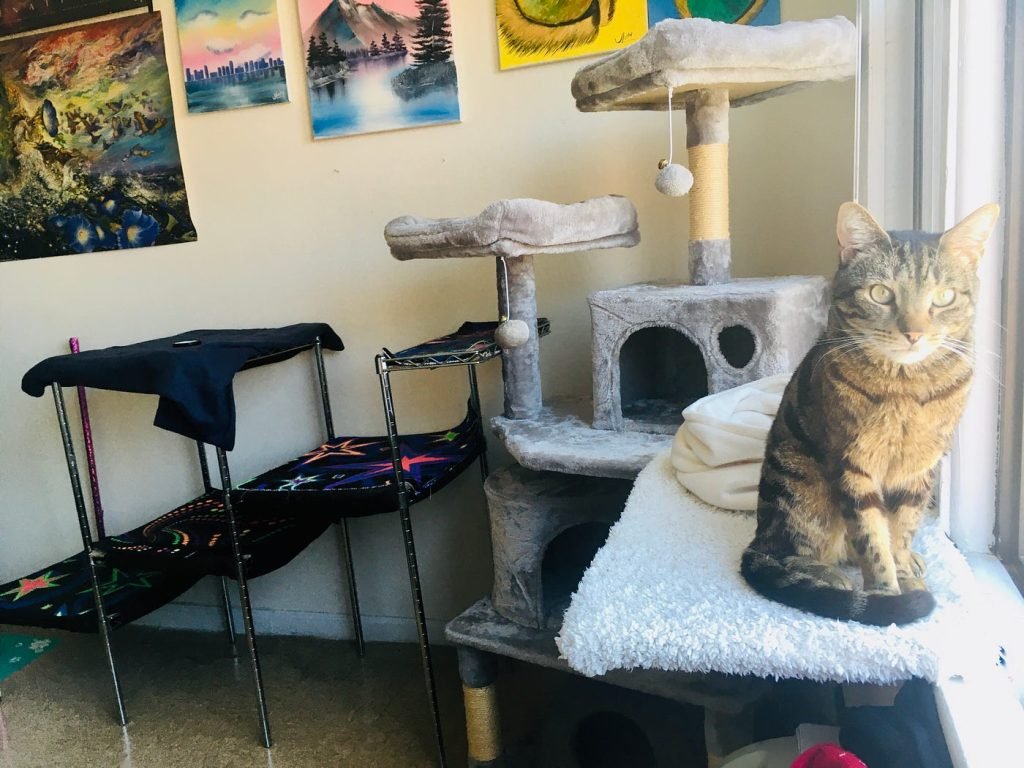
Cats love to climb and observe their surroundings from high spots. Adding cat trees or shelves at various heights encourages exercise and mental stimulation. You can use sturdy wall-mounted platforms or a multi-level cat tower to give your feline friend plenty of vertical space.
Consider placing these climbing spots near windows. This way, your cat can watch birds or outdoor activity while staying safely indoors. Have you noticed how your cat’s personality changes when they get a good view of the outside world?
Cozy Hideouts For Exploration
Creating small, cozy hideouts satisfies your cat’s love for privacy and exploration. Cardboard boxes, soft tunnels, or covered beds provide perfect retreat spots. These hideaways give your cat a sense of security and a chance to rest between play sessions.
You can rotate toys and bedding inside these spaces to keep things interesting. Watching your cat sneak in and out of their hideout shows how much they enjoy having their own secret spot. How can you make these hideouts even more inviting for your cat?
Safe Outdoor Play Zones
If you have outdoor space, setting up a safe play zone can be a game-changer. Enclosed patios or “catios” allow your cat to enjoy fresh air without the risks of roaming free. Adding climbing posts, scratching surfaces, and interactive toys makes the outdoor area exciting and secure.
Ensure the area is escape-proof and free of toxic plants or harmful objects. Have you thought about how much your cat’s mood improves after some safe outdoor play? Even a few minutes a day can make a big difference in their happiness and health.
Incorporating Daily Playtime
Adding daily playtime to your cat’s routine is essential for keeping them active and happy. Cats often have short bursts of energy, so fitting play into their day helps prevent boredom and destructive behavior. Even a few minutes can make a big difference in your cat’s mood and health.
Short, Frequent Sessions
Cats usually prefer quick, intense play rather than long sessions. Try playing with your cat three to five times a day for five to ten minutes each. This matches their natural hunting rhythms and keeps their interest high.
You might notice your cat’s energy spikes at certain times, like early morning or evening. Use these moments to engage them with toys or games. This approach helps you avoid overwhelming your cat and makes playtime more enjoyable for both of you.
Using Laser Pointers Wisely
Laser pointers are a favorite for many cats, but they need to be used carefully. Avoid shining the laser directly in your cat’s eyes to prevent damage. Instead, move the light around on the floor or walls to mimic the movement of prey.
To make laser play more satisfying, end the session by letting your cat catch a tangible toy. This gives them a sense of accomplishment and prevents frustration. Have you ever seen your cat chase a laser for minutes only to stop suddenly? That’s a sign they need a real “catch” to feel rewarded.
Involving Family Members
Getting everyone in the household involved makes playtime more fun and consistent for your cat. Assign each family member a time slot to engage your cat with different toys or games. This variety can stimulate your cat’s mind and body in new ways.
Kids especially can be great play partners, but supervise to ensure gentle handling. You might be surprised how much your cat enjoys the extra attention and interaction from everyone. Have you tried setting up a family play schedule yet?

Credit: www.goodhousekeeping.com
Using Treats To Encourage Activity
Using treats to encourage activity is a smart way to keep your cat engaged and moving. Treats turn playtime into a rewarding experience, motivating your cat to be more active. But not all treats work the same, and how you use them can make a big difference in your cat’s enthusiasm and health.
Puzzle Feeders And Food Toys
Puzzle feeders and food toys challenge your cat’s brain and body. These devices make your cat work to get their treat, which adds mental stimulation to physical exercise.
For example, a treat ball that releases kibble as your cat bats it around keeps them entertained for longer periods. It also slows down fast eaters, preventing overeating. Have you noticed how your cat gets more interested when they have to “hunt” for their food?
Choosing the right puzzle feeder depends on your cat’s personality. Some cats prefer simple puzzles, while others enjoy more complex challenges. Start with easy ones and increase difficulty as your cat gets better.
Reward-based Play
Using treats as rewards during playtime encourages your cat to move and learn new tricks. If your cat loves chasing toys, toss a small treat each time they bring the toy back or perform a desired action.
This method strengthens your bond and gives your cat a clear reason to stay active. It’s like giving them a high-five for every effort they make. How often do you reward your cat for playful behavior?
Keep treats small and frequent to maintain motivation without overfeeding. This way, your cat stays eager to participate and gets exercise at the same time.
Healthy Treat Options
Not all treats are created equal. To keep your cat healthy while encouraging activity, choose treats low in calories and free from harmful additives.
Look for natural options like freeze-dried chicken or fish treats. These provide protein and taste great without extra fillers. You can even cut regular kibble into smaller pieces to use as treats.
Remember, treats should complement your cat’s diet, not replace it. How do you balance treats and meals to keep your cat fit and happy?
Recognizing Your Cat’s Preferences
Understanding what your cat enjoys is key to keeping them happy and active. Each cat has unique likes and dislikes. Knowing these preferences helps create fun and engaging playtime. Observing your cat closely reveals their favorite toys and activities. Also, recognizing when they want to rest avoids stress and fatigue. Paying attention to these signs makes playtime more rewarding for both of you.
Observing Play Behavior
Watch how your cat interacts with different toys and objects. Notice which movements catch their attention. Some cats like chasing, others prefer pouncing or climbing. Look for signs of excitement like tail twitching or playful pounces. See if they enjoy noisy toys or soft, quiet ones. Observe the times of day when your cat is most active. These clues show what activities your cat enjoys the most.
Adjusting Activities Accordingly
Change play sessions based on your cat’s reactions. Offer toys that match their preferred style of play. For example, use feather wands for cats that like chasing. Try puzzle feeders if your cat enjoys problem-solving. Vary play length to keep them interested but not tired. Watch for signs your cat is losing interest. Adapt the games to keep playtime fun and stimulating.
Respecting Rest Times
Cats need plenty of rest between play sessions. Notice when your cat stops playing and looks for a quiet spot. Avoid forcing them to continue if they seem tired. Rest helps your cat recharge and stay healthy. Create cozy resting places away from noise and distractions. Respecting their rest time ensures your cat stays happy and energetic for future play.

Credit: www.lordsandlabradors.co.uk

Credit: supakit.co
Frequently Asked Questions
What Toys Keep Cats Entertained?
Interactive toys like feather wands and laser pointers are excellent for keeping cats engaged. Puzzle feeders stimulate their minds while providing a reward. Balls, tunnels, and catnip toys also offer great fun. Rotate toys regularly to maintain their interest and prevent boredom.
How Often Should I Play With My Cat?
Engage your cat in play sessions at least twice daily. Each session should last around 15 to 20 minutes. Consistent playtime helps maintain their physical and mental health. It also strengthens your bond with your feline friend. Adapt playtimes based on your cat’s energy levels.
Do Cats Get Bored Easily?
Yes, cats can get bored if they lack stimulation. Boredom may lead to destructive behaviors or lethargy. Providing varied toys, engaging in regular play, and offering interactive environments help prevent boredom. Ensure your cat has enough mental and physical activities to stay entertained.
How Do I Make Indoor Cats Happy?
Indoor cats thrive with a stimulating environment. Offer climbing trees, scratching posts, and window perches for enrichment. Rotate toys and engage in interactive play daily. Ensure they have spaces to hide and explore. A diverse environment keeps indoor cats happy and healthy.
Conclusion
Keeping your cat entertained helps them stay happy and healthy. Playtime strengthens your bond and keeps boredom away. Small toys and simple games can bring lots of joy. Rotate toys often to keep things fresh and fun. Watch your cat’s reactions to find what they like best.
Regular interaction prevents bad behavior caused by loneliness. Spend a few minutes daily to keep their mind active. Happy cats make happy homes.
