

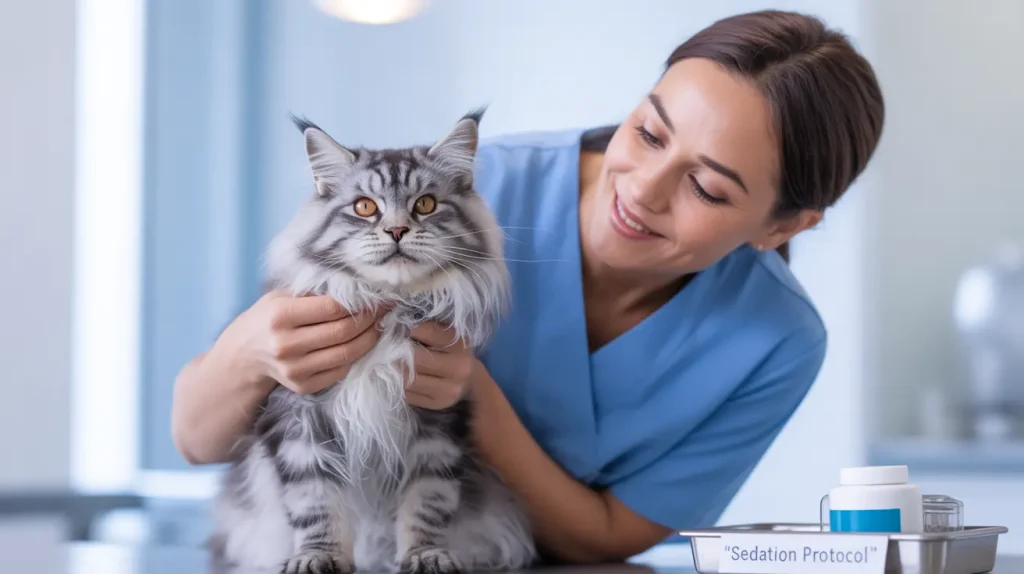
Grooming your cat at home can be a tough task, especially if your furry friend is anxious or restless. You want to keep your cat calm and safe, but how do you do that without causing stress?
If you’ve ever struggled to trim your cat’s nails or clean their fur, you’re not alone. Learning how to sedate a cat for grooming at home can make the process smoother and less stressful for both of you. Keep reading, and you’ll discover simple, safe ways to help your cat relax during grooming sessions—so you can both enjoy a calmer, happier experience.
Reasons To Sedate Cats For Grooming
Understanding why sedation might be necessary during your cat’s grooming is important before you decide to proceed. Grooming can be stressful for many cats, and sedation can sometimes be the safest way to ensure the process goes smoothly. Let’s look at the common challenges you might face and how sedation can actually help both you and your cat.
Common Grooming Challenges
Many cats resist grooming because they feel scared or uncomfortable. This can lead to scratching, biting, or frantic attempts to escape. If your cat has thick or matted fur, grooming becomes even more difficult and potentially painful for them.
Some cats have health issues like arthritis or skin conditions that make grooming painful. Others might be elderly or have anxiety, which makes staying still during grooming nearly impossible. Have you noticed your cat hiding or acting aggressively when you pull out the brush? This is a clear sign that grooming is stressful for them.
Benefits Of Sedation
Sedation helps calm your cat, making grooming a less traumatic experience. When sedated, your cat will stay still, reducing the risk of injury to both you and your pet. This allows you to groom thoroughly without rushing or causing stress.
Using sedation can also help you handle delicate tasks like nail trimming or dealing with painful mats more safely. It’s a way to protect your cat’s well-being while maintaining their hygiene. Have you ever struggled to groom your cat and worried about hurting them or getting scratched? Sedation can be a practical solution to those concerns.
Safe Sedation Methods
Safe sedation methods are crucial when grooming your cat at home. You want to keep your furry friend calm without risking their health. Understanding the different sedation options helps you make a smart and caring choice for your pet’s comfort and safety.
Over-the-counter Options
Some over-the-counter products can gently relax your cat before grooming. These often include calming sprays, pheromone diffusers, or supplements with ingredients like valerian root or L-theanine.
Be cautious—these are not strong sedatives but can reduce anxiety in mild cases. Always follow the instructions carefully and watch how your cat reacts. If your cat shows any unusual behavior, stop using the product immediately.
Prescription Sedatives
Prescription sedatives are the safest choice when a stronger calming effect is needed. Your vet can recommend medications tailored to your cat’s health and temperament.
Some common sedatives include gabapentin or trazodone, which effectively reduce stress and keep your cat still during grooming. Never give prescription drugs without veterinary guidance; incorrect dosing can be dangerous.
Natural Remedies
Natural remedies offer a gentle way to calm your cat without chemicals. Options like chamomile tea or CBD oil have gained popularity for their soothing effects.
However, natural doesn’t always mean safe—some plants and oils can harm cats. Research thoroughly and consult your vet before trying any natural remedy to ensure it’s safe for your pet.
Preparing Your Cat
Preparing your cat for sedation at home is essential for a safe grooming session. The right preparation calms your cat and reduces stress. It also helps ensure the sedative works effectively without risks. Start by setting the scene and checking your cat’s health carefully.
Creating A Calm Environment
Choose a quiet room free from noise and distractions. Close windows and doors to block outside sounds. Dim the lights to help your cat feel relaxed. Remove other pets to avoid stress or fights. Keep grooming tools nearby to avoid leaving your cat alone. Speak softly to reassure your cat. Use familiar blankets or toys to create comfort.
Pre-sedation Health Check
Check your cat’s weight to give the correct sedative dose. Look for signs of illness like coughing or vomiting. Make sure your cat has not eaten for at least four hours. Ensure your cat is hydrated but avoid giving water just before sedation. Consult your vet if your cat has heart or liver problems. Always follow your vet’s advice before sedating at home. A healthy cat reduces risks during sedation.
Step-by-step Sedation Process
Helping your cat stay calm during grooming can be a challenge. Sedation can make the process smoother, but it requires careful attention and safety. Let’s walk through the sedation process step-by-step to keep your furry friend comfortable and safe.
Administering Sedatives Safely
Always consult your vet before giving any sedatives to your cat. They will recommend the right type and dose based on your cat’s weight, health, and temperament.
Use the exact dose prescribed. Never guess or adjust the amount on your own. Giving too much can be dangerous, while too little might not help at all.
Administer the sedative in a calm environment. You can mix liquid medication with a small amount of food or use a pill pocket if it’s a tablet. Make sure your cat swallows the full dose.
Monitoring Your Cat’s Response
After administering the sedative, watch your cat closely. Keep them in a quiet, comfortable space to rest.
Look for signs like relaxed muscles, slower breathing, or reduced activity to know the sedative is working. However, if your cat shows unusual behavior—such as vomiting, difficulty breathing, or extreme lethargy—contact your vet immediately.
Stay nearby and check on your cat every 10-15 minutes until the sedative wears off. This helps you catch any unexpected reactions early and ensures your cat is safe throughout the grooming process.
Grooming Tips While Sedated
Grooming a sedated cat requires care and gentle handling. The cat may feel weak or unsteady. It is important to be calm and patient during the process.
Focus on making the experience as comfortable as possible. Avoid sudden movements or loud noises. Keep the environment quiet and warm to help the cat relax.
Handling Techniques
Support the cat’s body fully to prevent stress. Use slow, smooth motions to avoid startling the cat. Hold the head gently but firmly to keep it steady. Keep the cat close to your body for security. Always watch for signs of discomfort or distress.
Tools To Use
- Soft-bristle brush for gentle fur removal
- Wide-tooth comb to detangle knots carefully
- Pet-safe wipes for cleaning sensitive areas
- Blunt-nosed scissors for trimming around paws
- Towels to support and wrap the cat if needed

Credit: www.latimes.com
Aftercare And Recovery
After grooming a cat under sedation, proper aftercare is key to a smooth recovery. Cats may feel groggy or disoriented as the sedative wears off. Gentle handling and a calm environment help your pet regain comfort quickly. Observing your cat closely ensures any issues are caught early. This section covers important steps to support your cat’s well-being after sedation during grooming.
Post-grooming Monitoring
Keep your cat in a quiet, warm space for several hours. Watch for signs like unusual sleepiness, difficulty walking, or excessive drooling. These may indicate the sedative is still active or your cat is stressed. Offer fresh water once your cat is alert. Avoid feeding until your cat fully wakes up to prevent vomiting. Check breathing and heart rate periodically. Note any behaviors that seem different from normal.
When To Contact A Vet
Contact a vet immediately if your cat:
- Remains unconscious or very lethargic for over four hours
- Has trouble breathing or rapid breathing
- Shows signs of pain or distress, such as crying or hiding
- Throws up repeatedly or cannot keep water down
- Has an irregular heartbeat or seizure
Early veterinary advice can prevent serious complications. Keep the sedative information handy to inform the vet. Your quick response can ensure your cat recovers safely and comfortably.
Precautions And Warnings
Before sedating your cat for grooming at home, understanding the necessary precautions is crucial. Sedation is not a risk-free process, and your cat’s health and safety must come first. Knowing the warnings can help you avoid serious complications and ensure a smoother grooming experience for both you and your feline friend.
Risks Of Sedation
Sedating a cat carries several risks that you need to consider carefully. Cats react differently to sedatives depending on their age, health, and temperament. Some may experience breathing difficulties, low heart rate, or allergic reactions.
Did you know that even a mild sedative can cause a drop in blood pressure? This can be dangerous, especially in older cats or those with underlying health issues. Always monitor your cat closely during and after sedation.
Another risk is overdosing, which can lead to severe complications or even be fatal. That’s why precise dosing based on your cat’s weight and veterinary advice is essential. Never guess the amount or use human medications.
Avoiding Common Mistakes
One common mistake is sedating your cat without consulting a vet. Even if you feel confident, a professional opinion can prevent many problems. They can recommend the safest sedative and proper dosage for your cat’s specific needs.
Skipping a pre-sedation health check is another error. Cats with hidden health conditions may react poorly to sedatives. A vet can spot issues that you might miss, like heart or kidney problems.
Also, don’t ignore your cat’s behavior and stress levels. If your cat is extremely anxious or aggressive, sedation alone might not be enough to ensure safety. You might need additional calming techniques or professional grooming help.
- Never use human medications or unprescribed drugs.
- Always prepare a safe, quiet space for recovery.
- Keep emergency contact numbers handy.
Have you ever wondered how much your cat’s unique health history affects sedation outcomes? Taking the time to understand these risks and avoid mistakes can make a big difference in your pet’s comfort and safety during grooming.

Credit: meowcove.com
Credit: www.petscare.com
Frequently Asked Questions
How Can I Safely Sedate My Cat At Home For Grooming?
Always consult a veterinarian before sedating your cat. Use only vet-approved sedatives and follow dosage instructions carefully. Never use human medications, as they can be toxic to cats. Monitor your cat’s behavior throughout grooming to ensure safety.
What Are Natural Ways To Calm A Cat During Grooming?
Try pheromone sprays, calming treats, or gentle massage to relax your cat. Play soothing music and maintain a quiet environment. These natural methods reduce stress without medication, making grooming easier and safer at home.
When Should I Avoid Sedating My Cat For Grooming?
Avoid sedation if your cat has health issues like heart or respiratory problems. Also, do not sedate if your cat is pregnant or very young. Always get a vet’s advice to prevent complications during grooming.
What Are Common Sedatives Used For Cats At Home?
Veterinarians may recommend mild sedatives like gabapentin or trazodone. These help reduce anxiety and keep your cat calm. Only use medications prescribed by your vet to ensure safety and proper dosing.
Conclusion
Sedating a cat for grooming requires care and patience. Always check with your vet before using any sedatives. Use safe methods to keep your cat calm and comfortable. Watch your cat closely during the process. Stay gentle and calm to reduce stress.
Proper preparation helps make grooming easier and safer. Remember, your cat’s health comes first. Take small steps and learn what works best for your pet. Grooming at home can be peaceful with the right approach. Keep your cat’s safety as the top priority.
