


Have you ever noticed your cat biting herself while grooming and wondered why she does it? It’s a behavior that can seem strange or even worrying.
You might be asking yourself if it’s normal or if something is wrong with your furry friend. Understanding why your cat bites herself is important because it can tell you a lot about her health and comfort. Keep reading, and you’ll discover the surprising reasons behind this behavior and what you can do to help your cat feel her best.
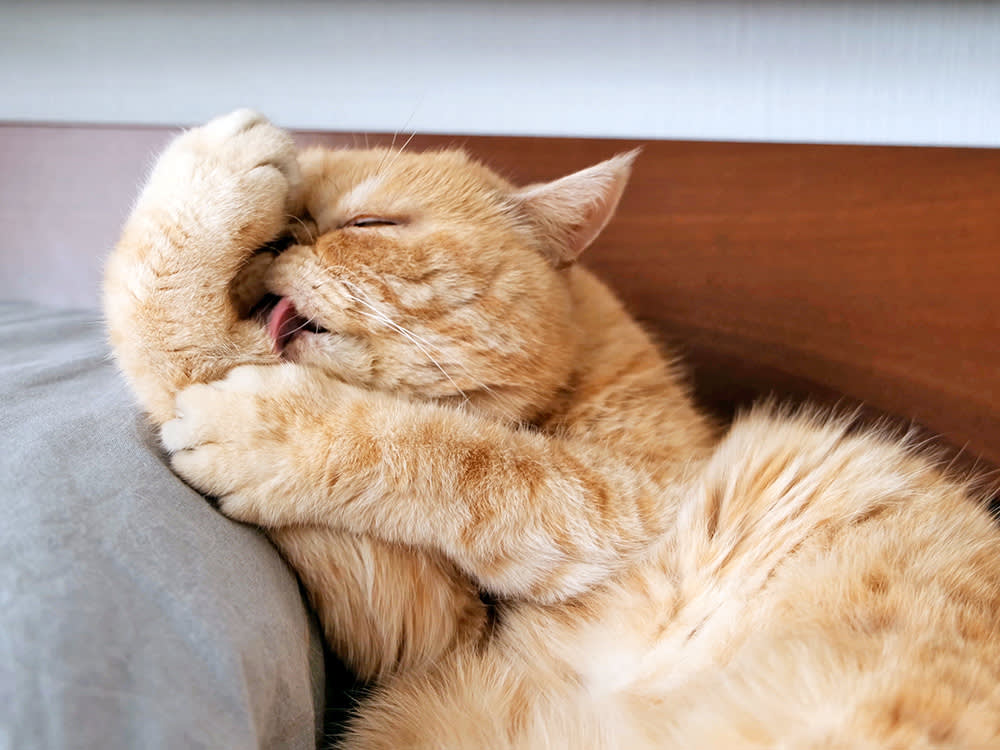
Credit: www.kinship.com
Common Grooming Habits
Understanding your cat’s grooming habits is key to knowing whether her biting is normal or a sign of something else. Cats spend a good part of their day cleaning themselves, which helps keep their fur smooth and their skin healthy. But how do you tell if your cat’s grooming is just routine or if it’s becoming a problem?
Normal Grooming Behavior
Cats usually lick and nibble their fur to remove dirt and loose hair. This behavior is gentle and focused on different body parts in a systematic way. You might notice your cat biting lightly around her paws or neck, which is perfectly normal.
Grooming also helps cats relax and reduce stress. When your cat grooms herself calmly, it’s a sign she feels safe and comfortable. Have you seen her pause and look content after a grooming session? That’s a good sign.
When Grooming Turns Excessive
If your cat starts biting herself hard or obsessively, this could mean trouble. Excessive grooming can lead to skin irritation, bald spots, or sores. You might find her licking the same spot over and over, which isn’t typical behavior.
Sometimes, this change is caused by allergies, fleas, or skin infections. Other times, stress or anxiety triggers the behavior. Watch if your cat is biting more during certain situations—this might help you pinpoint the cause.
Have you noticed your cat’s grooming habits changing after moving to a new home or after a new pet arrives? That can be a clue you should investigate further. Paying close attention to these signs will help you decide when to seek a vet’s advice.
Possible Causes Of Biting
Understanding why your cat is biting herself during grooming can help you address the issue before it worsens. There are several possible causes, ranging from physical discomfort to emotional stress. Identifying the root cause is key to providing relief and keeping your feline friend happy and healthy.
Skin Irritations And Allergies
Your cat’s skin might be irritated due to allergies or environmental factors. Dust, pollen, certain foods, or cleaning products can trigger itching. If you notice redness, hair loss, or sores, allergies could be the culprit behind the biting.
Have you checked if your cat’s shampoo or bedding has changed recently? Sometimes, small changes can cause big reactions.
Parasite Infestations
Fleas, ticks, and mites are common parasites that cause intense itching and discomfort. Cats often bite or scratch to relieve the irritation caused by these pests. Even if you don’t see fleas, they can hide in your cat’s fur or around your home.
Regular flea prevention and a quick vet check can help you rule out parasites as a cause of biting.
Stress And Anxiety
Just like people, cats can respond to stress by biting or over-grooming. Changes in the environment, new pets, or loud noises might make your cat anxious. This emotional discomfort often leads to self-biting as a coping mechanism.
Do you notice more biting when your cat is left alone or during certain events? Tracking these patterns can reveal if stress is involved.
Pain Or Discomfort
Your cat might bite herself if she feels pain in a specific area. This could be due to injury, arthritis, or internal issues like dental problems. Biting is a way to soothe or distract from the discomfort.
Watching for other signs like limping or changes in appetite can help you decide if a vet visit is necessary.
Health Issues To Consider
Cats often groom themselves to stay clean. Sometimes, biting during grooming signals a health problem. Watching for changes in grooming habits helps catch issues early. Many health problems cause cats to bite or scratch themselves more.
Dermatological Conditions
Skin problems often cause cats to bite themselves. Allergies, dry skin, or parasites like fleas lead to itching. Constant biting worsens skin irritation. Look for redness, scabs, or hair loss on your cat’s body. Treating the skin condition reduces discomfort and biting.
Infections And Wounds
Cats may bite at wounds or infections on their skin. Cuts or insect bites can become infected and painful. Biting tries to relieve irritation or clean the area. Watch for swelling, discharge, or bad smells. These signs need quick veterinary care to prevent worsening.
Underlying Medical Problems
Some diseases cause cats to bite or lick themselves excessively. Conditions like arthritis or nerve pain may trigger this behavior. Stress or anxiety also increase self-biting. Identifying and treating the root cause improves your cat’s comfort. A vet visit can help diagnose hidden medical problems.
Behavioral Factors
Behavioral factors often explain why cats bite themselves during grooming. These actions can be a sign of stress or discomfort. Cats rely on grooming to relax and stay clean. But certain behaviors suggest that something is troubling them.
Understanding these behaviors helps you address your cat’s needs better. Watch for patterns and changes in their grooming habits. Behavioral triggers can be subtle but important.
Boredom And Lack Of Stimulation
Cats need mental and physical activity to stay happy. Without enough play or interaction, they may groom excessively. Biting themselves becomes a way to pass time or relieve boredom. This behavior can develop into a habit if not addressed.
Territorial Or Social Stress
Cats feel stressed in new or crowded environments. Conflicts with other pets or changes in social dynamics can trigger self-biting. Grooming turns into a coping mechanism to handle anxiety. Watch for signs of aggression or hiding.
Changes In Environment
Moving to a new home or rearranging furniture can unsettle cats. They bite themselves as a reaction to unfamiliar surroundings. These changes disrupt their routine and sense of security. Providing a calm space helps reduce stress.
When To See A Vet
Knowing when to see a vet is vital if your cat bites herself while grooming. Some biting is normal, but intense or frequent biting can signal health issues. Early vet visits help catch problems before they worsen.
Signs Of Serious Problems
- Red, swollen, or bleeding skin
- Hair loss or bald patches
- Constant scratching or biting
- Visible wounds or sores
- Change in behavior or appetite
- Signs of pain when touched
Diagnostic Tests
The vet may perform several tests to find the cause. Skin scrapings help check for mites or infections. Blood tests reveal allergies or underlying diseases. Sometimes, allergy testing or biopsies are needed.
Treatment Options
Treatment depends on the diagnosis. The vet might prescribe medication for infections or allergies. Special shampoos or ointments can soothe irritated skin. Behavioral changes or diet adjustments may also help. Follow all vet instructions carefully for best results.
Preventive Measures
Preventing your cat from biting herself while grooming requires a thoughtful approach that targets the root causes. Addressing these early helps keep her comfortable and happy. Let’s look at practical steps you can take to reduce this behavior and improve her well-being.
Regular Parasite Control
Parasites like fleas and mites often trigger excessive biting. You might notice your cat scratching more or seeing tiny black specks in her fur. Using vet-recommended flea treatments regularly can stop these pests before they become a problem.
Keep a close eye on your cat’s skin for redness or scabs. If you spot any, consult your vet immediately to avoid infections. Consistent parasite control not only prevents biting but also protects your cat’s overall health.
Environmental Enrichment
Boredom can make your cat bite herself out of frustration. Adding toys, scratching posts, and interactive play can keep her mind busy. Cats love challenges, so puzzle feeders or new scents can make a big difference.
Think about your cat’s daily routine—does she have enough stimulation? Small changes like rotating toys or creating cozy resting spots can reduce self-biting. What new game could you introduce to keep her engaged today?
Stress Reduction Techniques
Stress is a hidden factor behind many grooming issues. Loud noises, new pets, or changes in the home environment can upset your cat. Creating a calm space with familiar blankets and hiding spots helps her feel safe.
Try gentle massage or pheromone diffusers to soothe anxious cats. Observing her body language can alert you to stress before it leads to biting. How often do you check in on your cat’s emotional comfort?
Tips For Owners
Seeing your cat bite herself while grooming can be worrying. Understanding how to handle this behavior is key to helping your feline friend stay healthy and comfortable. Here are practical tips you can use to keep an eye on your cat’s grooming and know when to step in.
Monitoring Grooming Habits
Watch how often your cat is biting herself. Normal grooming is gentle and quick, but constant biting or scratching could signal a problem. Keep a daily log of her grooming times and note any changes in behavior.
Have you noticed if your cat targets the same spot repeatedly? This might indicate irritation or pain in that area. Also, check for redness, swelling, or hair loss that could hint at skin issues or allergies.
Safe Grooming Practices
Help your cat maintain clean fur by brushing her regularly. Use a brush suited for her coat type to avoid hurting her skin. Brushing also reduces the chance of mats that cause discomfort and biting.
Make sure her environment is clean and free of irritants like dust or harsh chemicals. Providing a calm space can reduce stress, which sometimes causes excessive grooming. You might want to try gentle pet-safe shampoos if you bathe her occasionally.
When To Intervene
Step in if you see open wounds, bleeding, or persistent biting that leads to hair loss. These signs often mean your cat needs medical attention. Don’t wait too long—delaying care can make the problem worse.
If your cat’s biting seems linked to stress or anxiety, consider changes in her routine or consult a vet for behavioral advice. Could a new pet or loud noises be triggering this behavior? Your quick action can make a big difference in her well-being.

Credit: www.reddit.com

Credit: www.reddit.com
Frequently Asked Questions
Why Does My Cat Bite Herself While Grooming?
Cats may bite themselves while grooming to remove dirt, fleas, or loose fur. Sometimes, it’s a sign of irritation or stress. If biting leads to wounds or excessive licking, consult a vet for allergies or skin infections.
Can Stress Cause Cats To Bite Themselves?
Yes, stress or anxiety can cause cats to bite or over-groom themselves. This behavior helps them cope but can cause skin damage. Identifying stressors and providing a calm environment often reduces this behavior.
When Should I Worry About My Cat’s Self-biting?
You should worry if your cat bites until bleeding, shows bald patches, or seems distressed. Persistent biting may signal infections, allergies, or parasites requiring veterinary attention.
How Can I Stop My Cat From Biting Herself?
To stop self-biting, keep your cat’s environment stress-free and flea-free. Use vet-recommended treatments for allergies or infections. Regular grooming and interactive play also help reduce anxiety-driven biting.
Conclusion
Cats biting themselves while grooming can signal discomfort or stress. Watch for signs like redness, swelling, or hair loss. These may mean allergies, fleas, or skin problems. Regular vet visits help catch issues early. Keep your cat’s environment calm and clean.
Offer plenty of love and attention. Understanding why your cat bites helps keep them happy and healthy. Stay patient and observant. Your cat relies on you for care and comfort.
