

Have you ever watched your cat spend hours licking its fur and wondered why grooming is such a big part of their day? Understanding your cat’s grooming behavior can unlock secrets about their health, mood, and even their bond with you.
When you know what’s behind those careful cleaning routines, you can better care for your furry friend and spot any problems early. Ready to discover what your cat’s grooming habits really mean? Keep reading to learn how this simple act reveals so much about your pet’s well-being and happiness.
Credit: www.petscare.com
Why Cats Groom Themselves
Cats spend a lot of time licking their fur. This behavior is natural and important. It helps cats stay healthy and comfortable. Understanding why cats groom themselves shows how they care for their bodies and minds.
Maintaining Cleanliness
Cats groom to keep their fur clean and free of dirt. Their tongue works like a tiny brush. It removes dust, loose hair, and parasites. Clean fur helps prevent infections and skin problems. Grooming also spreads natural oils, making fur shiny and smooth.
Regulating Body Temperature
Grooming helps cats cool down or warm up. When cats lick their fur, saliva evaporates. This evaporation cools their skin. In cold weather, grooming fluffs up fur. Fluffed fur traps warm air close to the body. This keeps cats comfortable in different temperatures.
Stress Relief And Comfort
Grooming calms cats during stress or fear. It works like a natural massage. The repetitive motion soothes their nerves and mind. Grooming can also show contentment and happiness. Cats may groom more when they feel safe and relaxed.
Common Grooming Habits
Cats spend a lot of time grooming themselves. This behavior keeps their fur clean and healthy. Grooming also helps cats feel calm and relaxed. Observing common grooming habits reveals how cats take care of their bodies.
Licking And Biting Fur
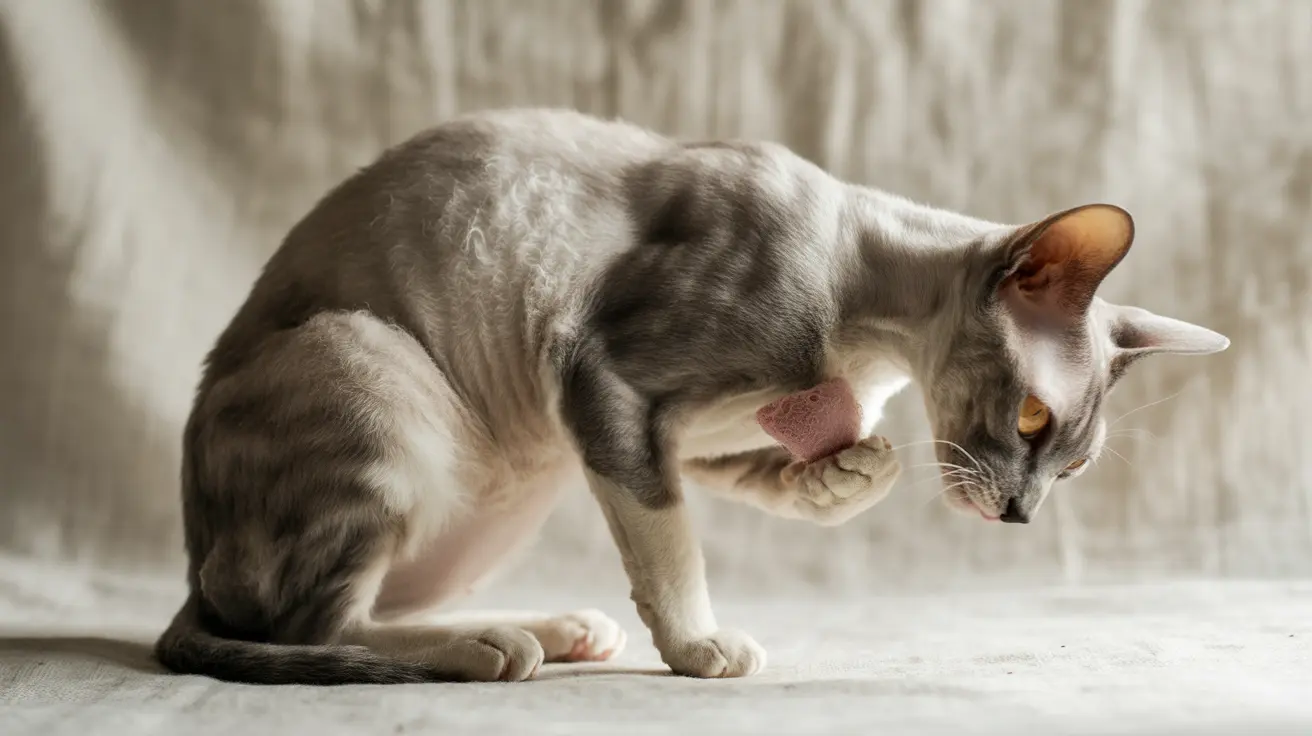
Cats use their tongues to lick their fur. Their tongues have tiny, rough bumps that remove dirt and loose hair. Licking also spreads natural oils that keep the coat shiny. Sometimes cats bite small areas to remove stubborn dirt or tangles.
Nibbling On Paws And Legs
Cats often nibble their paws and legs during grooming. They use their teeth to clean hard-to-reach spots. Nibbling helps remove dirt or debris stuck in their fur. This habit also allows cats to check their skin for any issues.
Scratching And Stretching
Scratching helps cats remove old fur and dead skin. It also sharpens their claws and marks territory. Stretching keeps their muscles flexible and strong. This behavior often happens before or after grooming sessions.
Signs Of Overgrooming
Overgrooming in cats can signal stress or health problems. It is important to notice the signs early. Cats usually groom themselves to stay clean and comfortable. But too much grooming can damage their skin and fur. Spotting overgrooming helps protect your cat’s well-being.
Bald Spots And Skin Irritation
Bald spots appear when a cat grooms the same area too much. The skin there often becomes red or inflamed. You may see scabs or sores on the irritated spots. These patches are clear signs that the grooming is excessive. Check your cat’s coat regularly for any unusual hair loss.
Excessive Licking Patterns
Cats with overgrooming habits lick one spot repeatedly. This licking can last for minutes or even hours. It may seem like the cat cannot stop. This behavior differs from normal grooming, which is brief and covers many areas. Watch for constant licking of paws, legs, or belly.
Behavioral Triggers
Stress and anxiety often cause overgrooming in cats. Changes in the home or routine can trigger this behavior. Boredom and loneliness also lead cats to lick more than usual. Sometimes, pain or allergies cause discomfort, prompting more grooming. Understanding these triggers helps in managing your cat’s health better.

Credit: tryfurgo.com
Grooming And Social Behavior
Grooming plays a crucial role in how cats interact with each other and with you. It’s not just about cleanliness; grooming reflects deep social behaviors that help cats build trust, show affection, and even mark their territory. Understanding these behaviors can help you strengthen your bond with your feline friend and recognize what your cat communicates through grooming.
Mutual Grooming Among Cats
Mutual grooming, or allogrooming, is a clear sign of friendship and trust between cats. When cats groom each other, they clean spots that are hard to reach and reinforce social bonds. Have you ever noticed your cats licking around each other’s neck or head? This behavior reduces tension and helps maintain peace within a group.
If you have multiple cats, encourage this behavior by providing a calm environment. Stress can interrupt grooming sessions and affect their relationship. Watch for signs of discomfort or aggression, which might mean the grooming is not welcome.
Bonding With Humans
Cats also use grooming to bond with their human companions. When your cat licks or nibbles your hand, it is showing affection and acceptance. This behavior often starts when kittens learn grooming from their mother and later extend it to trusted humans.
You can respond by gently petting or brushing your cat to deepen this connection. Notice how some cats prefer certain areas to be groomed—respecting these preferences strengthens trust. What part of your cat’s grooming routine do you think builds the strongest bond?
Territorial Marking
Grooming isn’t just about cleanliness or affection; it also serves as a way for cats to mark their territory. When cats groom themselves, they spread their unique scent across their fur. This scent acts as a message to other cats, signaling ownership of a space.
Have you ever wondered why your cat rubs their face or body against furniture or your belongings? This behavior complements grooming by depositing scent from glands located around their face. Understanding this can help you recognize when your cat feels secure or threatened in their environment.
Tips To Support Healthy Grooming
Supporting healthy grooming habits helps cats stay clean and comfortable. Grooming removes loose fur and dirt. It also prevents hairballs and skin problems. Owners can play a big role in keeping grooming on track. Simple care steps can make a huge difference in a cat’s health and happiness.
Regular Brushing Techniques
Brushing your cat often reduces shedding and matting. Use a brush that suits your cat’s fur type. Short-haired cats need soft bristles. Long-haired cats benefit from wide-toothed combs or slicker brushes. Brush gently to avoid hurting the skin.
- Brush in the direction of fur growth.
- Focus on areas that get tangled easily, like behind ears.
- Spend 5 to 10 minutes brushing each session.
- Make brushing a calm, positive time with treats or praise.
Bathing Guidelines
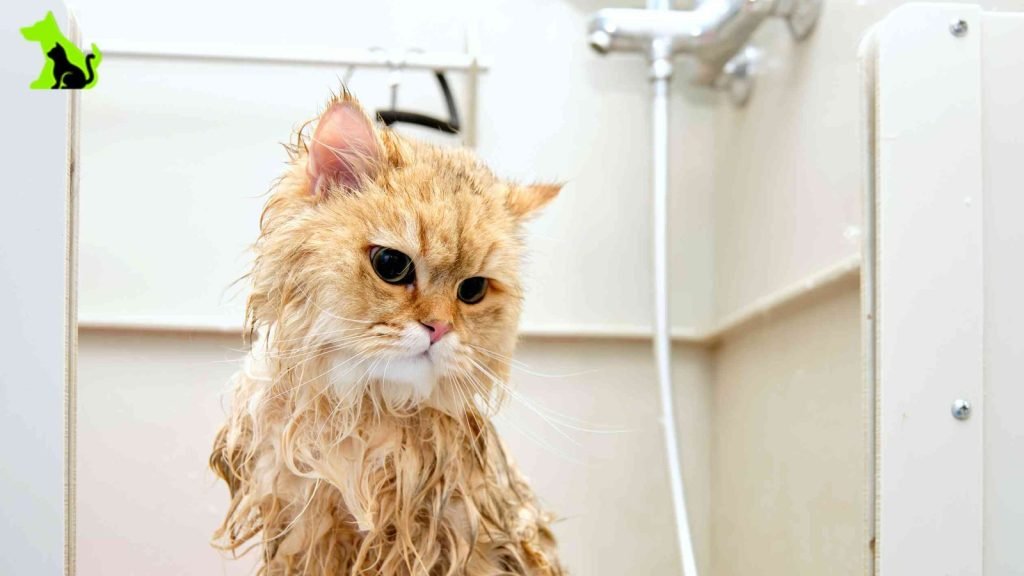
Cats usually clean themselves well and need few baths. Only bathe cats if they get very dirty or have skin issues. Use a shampoo made for cats to protect their skin. Test water temperature to keep it warm but not hot. Rinse thoroughly to remove all soap. Dry cats with a towel and keep them warm until fully dry.
Diet And Hydration Impact
Healthy skin and fur start with good food and water. Feed a balanced diet rich in omega-3 and omega-6 fatty acids. These nutrients support shiny fur and reduce dryness. Fresh water helps flush toxins and keeps skin hydrated. Wet food can increase moisture intake. Monitor your cat’s eating and drinking habits daily.

Credit: basepaws.com
When To Consult A Veterinarian
Knowing when to consult a veterinarian about your cat’s grooming behavior is important. Some grooming habits are normal. Others can signal health problems. Early attention can prevent serious issues. Observe your cat’s grooming closely to spot changes.
Persistent Grooming Issues
Excessive licking or scratching that lasts several days needs a vet’s check. Cats may over-groom due to allergies, parasites, or stress. Patches of missing fur or wounds from scratching are warning signs. Persistent grooming problems rarely fix on their own.
Signs Of Skin Infections
Look for redness, swelling, or sores on your cat’s skin. Scabs, crusts, and unusual smells also indicate infection. Skin infections can cause pain and discomfort. A vet can diagnose and treat these infections quickly.
Behavioral Changes
Changes in grooming often come with shifts in behavior. A cat that suddenly hides or becomes aggressive may be unwell. Loss of appetite or lethargy alongside grooming changes needs veterinary attention. These signs show your cat might need medical help.
Frequently Asked Questions
Why Do Cats Groom Themselves Frequently?
Cats groom to clean their fur, remove dirt, and regulate body temperature. Grooming also reduces stress and strengthens bonds with other cats.
How Often Should I Groom My Cat?
Most cats groom themselves daily, but long-haired breeds need brushing several times a week to prevent mats and tangles.
Can Grooming Affect A Cat’s Health?
Yes, grooming helps prevent skin infections, reduces hairballs, and allows early detection of parasites or wounds. Regular grooming supports overall health.
What Does Excessive Grooming In Cats Mean?
Excessive grooming may indicate stress, allergies, or skin irritation. If your cat grooms too much, consult a vet to identify underlying issues.
Conclusion
Cats groom themselves to stay clean and healthy. This behavior helps control their body temperature and reduce stress. Watching your cat groom can also show you their mood and well-being. Regular brushing supports their natural grooming and prevents hairballs. Understanding cat grooming helps you care for your pet better.
It creates a stronger bond between you and your cat. Keep grooming simple and gentle for the best results. Your cat will thank you with a happy purr and healthy coat.
