

Do you ever wonder if your cat really needs grooming? You might think cats take care of themselves, but the truth could surprise you.
Grooming isn’t just about keeping your cat looking good—it’s about their health and happiness too. If you want to make sure your furry friend stays comfortable and healthy, understanding their grooming needs is key. Keep reading to discover why grooming matters and how it can improve your cat’s life.
Why Grooming Matters
Grooming your cat is more than just keeping them looking neat. It plays a key role in their overall health and happiness. Understanding why grooming matters helps you see it as an essential part of your cat’s care routine, not just a chore.
Health Benefits For Cats
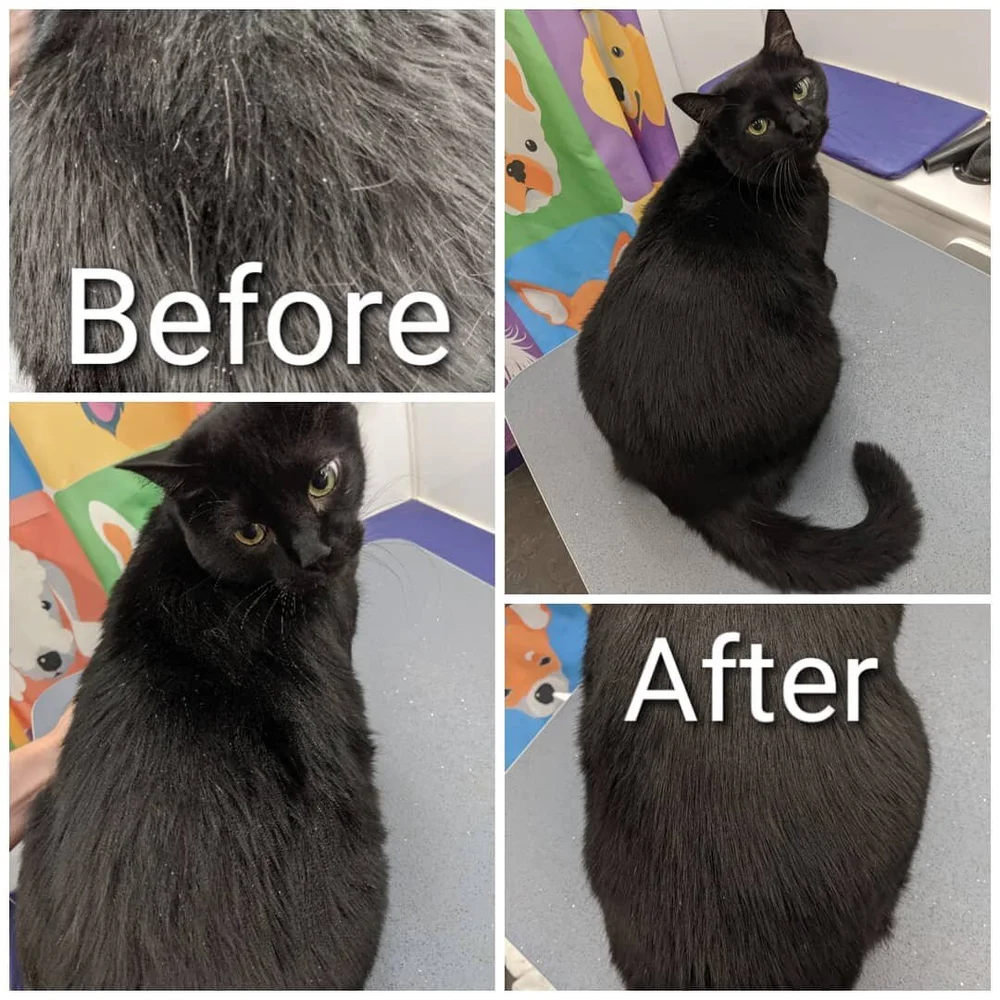
Regular grooming helps remove dirt, loose fur, and parasites like fleas. This reduces the risk of skin infections and irritations.
Brushing also stimulates blood circulation, which can improve your cat’s skin and coat health. Have you noticed how your cat’s fur shines after a good brushing session? That’s a sign of improved health.
Preventing Hairballs And Matting
Cats groom themselves, but they often swallow loose hair, leading to hairballs. By brushing your cat regularly, you reduce the amount of hair they ingest.
Matting is painful and can trap dirt and moisture close to the skin, causing infections. You can prevent this by keeping your cat’s coat smooth and tangle-free.
Improving Cat Comfort
Grooming isn’t just about looks; it’s about how your cat feels. Removing loose fur and mats helps your cat stay comfortable, especially in warmer months.
Many cats find grooming calming and enjoy the close contact with their owners. Have you noticed your cat purring during a brushing session? That comfort builds trust and strengthens your bond.
Credit: www.squeakycleangrooming.com
Types Of Cat Grooming
Cat grooming includes several key practices that keep your pet healthy and comfortable. Each type targets different parts of your cat’s body. Regular grooming reduces shedding and prevents hairballs. It also helps you spot health problems early. Understanding the main grooming types helps you care for your cat better.
Brushing Techniques
Brushing removes loose fur and dirt from your cat’s coat. Use a brush suited for your cat’s fur type. Long-haired cats need brushes with wide teeth. Short-haired cats benefit from soft bristle brushes. Brush gently to avoid hurting your cat’s skin. Regular brushing prevents mats and tangles.
Bathing Your Cat
Most cats clean themselves well, so baths are rarely needed. Baths help if your cat gets very dirty or has fleas. Use warm water and cat-friendly shampoo only. Keep the bath short and calm. Dry your cat thoroughly with a towel afterward.
Nail Trimming Essentials
Trim your cat’s nails to prevent overgrowth and damage. Use special cat nail clippers. Cut only the sharp tip, avoiding the pink quick inside the nail. Trim nails every few weeks. Regular trimming stops scratches and helps your cat climb safely.
Ear And Eye Care
Check your cat’s ears for dirt or wax buildup. Clean ears gently with a damp cotton ball. Avoid inserting anything deep into the ear canal. Wipe around the eyes if you see discharge. Use a soft, clean cloth for eye care. Healthy ears and eyes prevent infections.
Grooming Frequency
Grooming frequency varies depending on the type and age of your cat. Regular grooming keeps cats clean and healthy. It also helps reduce shedding and hairballs. Knowing how often to groom your cat ensures their coat stays in top condition.
Short-haired Cats
Short-haired cats need less grooming than long-haired cats. Brushing once a week usually works well. This removes loose fur and dirt. It also helps spot skin problems early. Bathing is rarely needed unless the cat gets very dirty.
Long-haired Cats
Long-haired cats need more frequent grooming. Daily brushing prevents mats and tangles in their fur. Mats can cause skin pain and infections. Long-haired cats may need baths every month. Regular grooming keeps their coat shiny and soft.
Kittens Vs Adult Cats
Kittens need gentle grooming to get used to it. Start with short sessions and soft brushes. Adult cats tolerate grooming better and need it based on their coat type. Both kittens and adults benefit from regular grooming for healthy skin and fur.
Tools For Grooming
Grooming cats requires the right tools to keep their coats healthy and clean. Using proper equipment makes the process easier and more comfortable for both you and your cat. Different tools serve specific purposes, from removing loose hair to trimming nails safely. Understanding which tools to use helps maintain your cat’s hygiene and reduces shedding around the house.
Best Brushes And Combs
Choose brushes based on your cat’s fur type. Slicker brushes work well for long-haired cats. They remove tangles and loose fur gently. For short-haired cats, a bristle brush helps spread natural oils on their coat. Combs with wide and narrow teeth detangle and catch small mats. Regular brushing reduces hairballs and keeps the coat shiny.
Safe Clippers And Trimmers
Clippers designed for pets make trimming easier and safer. Use quiet clippers to avoid scaring your cat. Rounded blade edges protect delicate skin. Trimmers help manage hair around sensitive areas like paws and ears. Nail clippers made for cats prevent over-cutting and reduce injury risks. Always choose tools that feel comfortable in your hand.
Other Helpful Accessories
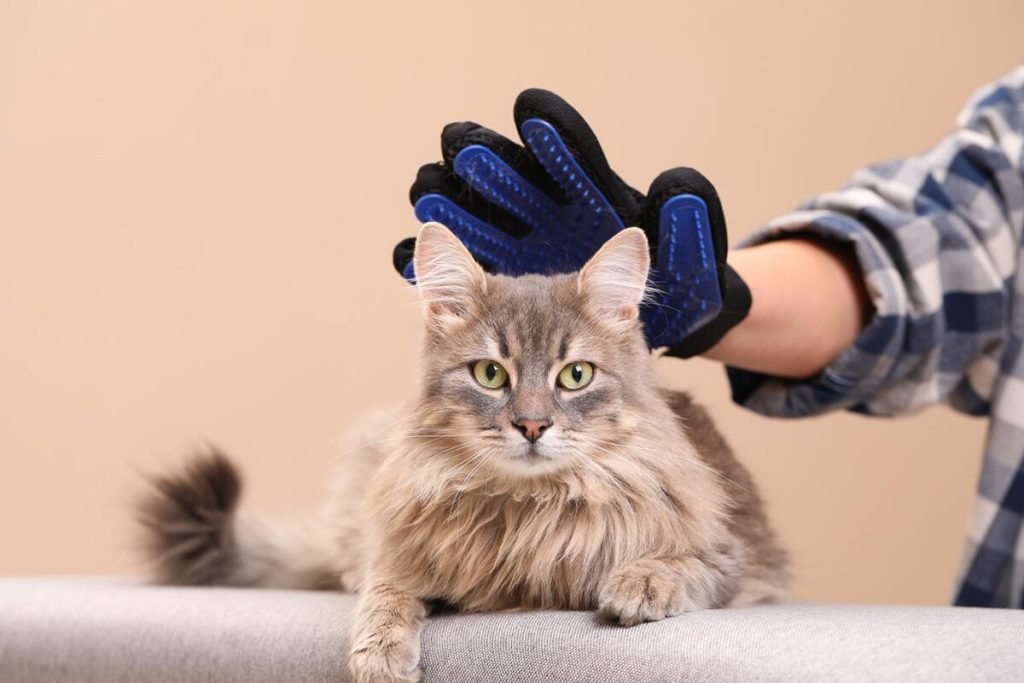
- Grooming gloves to remove loose hair while petting.
- Mat splitters to gently separate tough tangles.
- Pet wipes for quick cleaning between baths.
- Soft towels for drying after grooming sessions.
Having a variety of tools makes grooming simpler and keeps your cat happy. Regular use of these accessories supports your cat’s health and comfort.
Dealing With Grooming Challenges
Grooming cats can be tricky. Many cats dislike brushes and baths. Their fear or resistance makes grooming a challenge for owners. Understanding these behaviors helps manage grooming time better. Staying calm and patient is key. Some cats show aggression when handled. Knowing how to handle this keeps everyone safe. There are moments when professional help is the best choice. Let’s explore ways to deal with grooming difficulties.
Handling Fear And Resistance
Cats often fear grooming tools and touch. Sudden movements can increase their stress. Speak softly and move slowly to calm them. Use gentle strokes with a soft brush. Let your cat sniff the tools first. Short grooming sessions work better than long ones. Reward calm behavior with treats or pets.
Tips For Aggressive Cats
Aggressive cats may scratch or bite during grooming. Protect your hands with gloves if needed. Use a towel to gently wrap and hold the cat. Stay calm and avoid loud noises. Break grooming into small steps over several days. Try different brushes to find one your cat prefers. Always stop if your cat becomes too stressed.
When To Seek Professional Help
Some cats need expert groomers. Professionals handle difficult cats safely. They have special tools and experience. Consider professional grooming if your cat:
- Has severe matting or tangles
- Shows extreme fear or aggression
- Needs nail trimming but resists strongly
- Has medical conditions affecting grooming
Professional help ensures your cat stays clean and healthy without stress. It protects both you and your pet from harm.

Credit: www.latimes.com
Grooming And Cat Behavior
Grooming plays a key role in shaping a cat’s behavior. It affects how cats feel and interact with their human friends. Understanding grooming helps improve your cat’s mood and trust. It also shows if your cat feels safe or stressed during the process.
Bonding Through Grooming
Grooming builds a strong bond between you and your cat. Cats groom each other to show care and trust. When you groom your cat, it feels like a gentle hug. This shared activity creates comfort and closeness. Regular grooming sessions help your cat see you as a friend.
Recognizing Stress Signals
Cats show clear signs if they feel uneasy while grooming. Watch for these signals:
- Tail flicking or twitching
- Ears pinned back
- Restlessness or trying to escape
- Growling or hissing
- Sudden biting or scratching
Noticing these signs helps stop stress early. Respect your cat’s limits to keep grooming calm and safe.
Making Grooming Enjoyable
Keep grooming fun and easy for your cat. Use soft brushes that feel good on their fur. Start with short sessions to avoid overwhelming your cat. Offer treats or gentle praise to reward calm behavior. Always be patient and gentle. This makes your cat look forward to grooming time.

Credit: tryfurgo.com
Frequently Asked Questions
Do Cats Need Regular Grooming?
Yes, cats benefit from regular grooming to remove loose fur and prevent mats. It also reduces hairballs and improves coat health.
How Often Should I Groom My Cat?
Groom short-haired cats weekly, and long-haired cats daily. Frequency depends on breed, coat type, and your cat’s needs.
Can Grooming Reduce Cat Hair Shedding?
Regular grooming helps reduce shedding by removing loose hair before it falls out around your home. It keeps fur healthy and clean.
Is Grooming Necessary For Indoor Cats?
Yes, indoor cats still shed and can develop mats. Grooming keeps their coat tidy and helps you monitor their skin health.
Conclusion
Cats benefit from regular grooming for health and comfort. Grooming helps remove loose fur and prevents mats. It also reduces shedding and hairballs. Regular brushing keeps your cat’s skin healthy. Some cats need more grooming than others. Short-haired cats require less care than long-haired ones.
Grooming also strengthens the bond between you and your cat. A clean cat feels happier and more relaxed. Small daily sessions work better than long, rare ones. Keep grooming simple and gentle for best results. Your cat will thank you with purrs and trust.
