

If you love your cat, you want to give them the best care possible. But what happens when your furry friend already has health issues?
Finding the right cat insurance for pre-existing conditions can feel confusing and frustrating. You might wonder if any plan will cover your cat’s past health problems or if you’ll be left paying expensive bills on your own. Keep reading to discover how cat insurance can work for pets with pre-existing conditions and what you need to know to protect your cat—and your wallet—today.
What Are Pre Existing Conditions
Pre existing conditions in cat insurance refer to health issues your cat had before buying the policy. These conditions can affect what the insurance covers and how much it costs. Understanding pre existing conditions helps you choose the right insurance plan for your pet.
Definition Of Pre Existing Conditions
Pre existing conditions are any illnesses or injuries your cat had before the insurance started. These could be chronic problems or past accidents. Insurers often exclude these from coverage or charge higher premiums.
Examples Of Common Pre Existing Conditions
- Arthritis or joint problems
- Diabetes
- Allergies
- Heart disease
- Previous surgeries or injuries
How Insurers Identify Pre Existing Conditions
Insurance companies ask for your cat’s health history. They may require a vet’s report or health check. Sometimes, they check past medical records to spot any issues before coverage starts.
Impact On Coverage And Claims
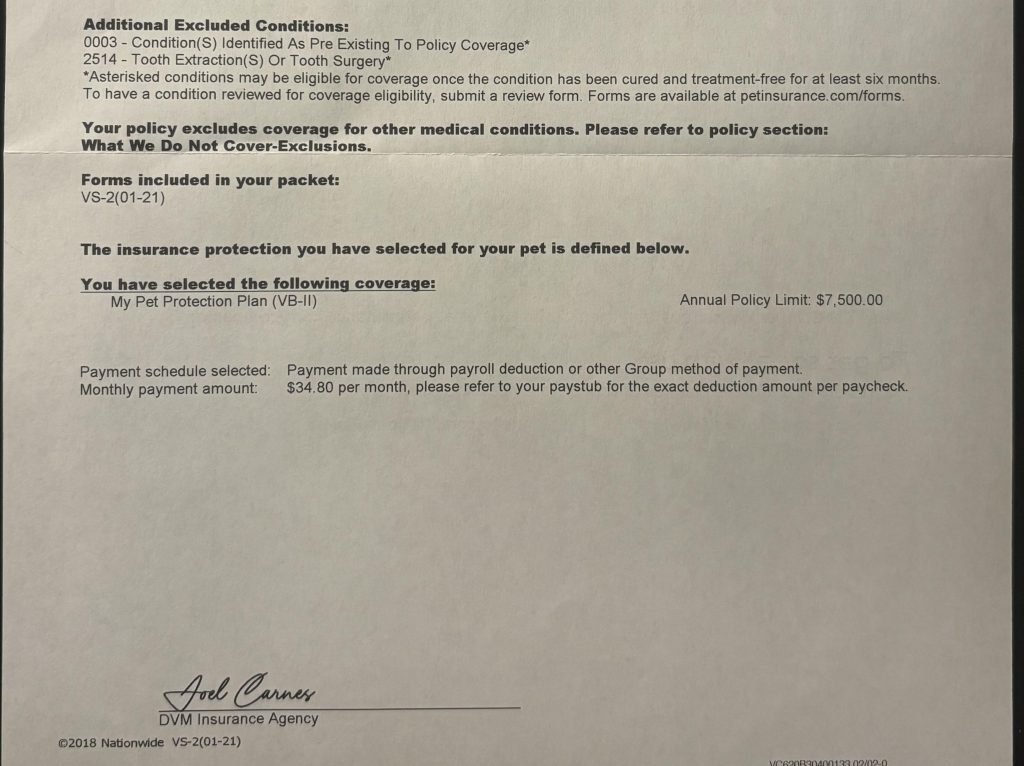
Pre existing conditions often limit what the insurance covers. Treatment for these conditions might be excluded. Some policies may cover them after a waiting period. Always read the terms to know your coverage.

Credit: medium.com
How Insurers View Pre Existing Conditions
Understanding how insurers view pre existing conditions can help you make better decisions about cat insurance. These conditions are health issues your cat had before you applied for coverage. Insurers often treat these cases with caution, affecting your policy options and costs.
Definition And Impact On Coverage
Pre existing conditions refer to any illnesses or injuries your cat showed signs of before the insurance started. Insurers usually exclude these from coverage. This means treatments related to these conditions won’t be paid for under your policy.
Imagine your cat had a minor skin allergy before signing up. If you claim treatment costs for that allergy later, the insurer might reject it. Knowing this upfront helps you avoid surprises when you file claims.
How Insurers Assess Risk
Insurance companies evaluate the risk your cat’s health history brings. If your cat has chronic or recurring problems, insurers see a higher chance of costly claims. This often leads to higher premiums or even denial of coverage.
You might wonder, “Can I get any coverage if my cat has a pre existing condition?” Some insurers offer limited plans or exclude those conditions but still cover new health issues. It’s worth comparing policies to find the best fit.
Variations Between Insurance Providers
Not all insurers treat pre existing conditions the same way. Some may have stricter rules, while others offer more flexibility. Reading the fine print and asking direct questions can save you time and money.
- Some insurers exclude all pre existing conditions permanently.
- Others may impose waiting periods before covering a condition.
- A few might cover pre existing conditions if your cat has been symptom-free for a set time.
Have you checked how different companies handle your cat’s specific health issues? This step is crucial before committing to a policy.
Types Of Coverage For Pre Existing Conditions
Understanding the types of coverage for pre existing conditions in cat insurance helps pet owners choose wisely. Insurance plans differ in how they cover these conditions. Some offer broader protection, while others have strict limits. Knowing these options aids in finding the right fit for your cat’s health needs.
Full Coverage Options
Full coverage plans may include pre existing conditions after a waiting period. These plans help pay for treatments related to old injuries or illnesses. They often cover surgeries, medications, and ongoing care. Full coverage provides peace of mind for cats with known health issues.
Limited Coverage Plans
Limited plans usually exclude pre existing conditions from coverage. They cover new illnesses and accidents only. These plans are cheaper but less comprehensive. They might pay for vet visits but not for treatment of prior diseases. This option suits healthy cats without past problems.
Exclusions To Watch
Check the policy for specific exclusions on pre existing conditions. Some insurers deny claims if symptoms appeared before coverage began. Look for terms like “chronic conditions” or “congenital defects” in the fine print. Understanding exclusions avoids surprise costs later on.

Credit: medipet.co.za
Tips For Choosing The Right Policy
Choosing the right cat insurance policy involves careful thought, especially if your cat has pre-existing conditions. These tips will help you make a smart choice. Understanding your cat’s health needs and the details of each policy ensures better protection and fewer surprises.
Evaluating Your Cat’s Health History
Start by listing all health issues your cat has had. This includes past illnesses, injuries, and ongoing treatments. Check if these conditions are likely to affect future health. Knowing this helps find policies that cover or exclude certain issues. Keep your vet’s records handy for accurate information.
Comparing Policy Terms
Look at what each policy covers and what it does not. Compare limits on payouts, deductibles, and reimbursement percentages. Check if the policy covers chronic conditions or only new illnesses. Some insurers offer wellness coverage, which can be useful. Make a side-by-side list to see differences clearly.
Reading The Fine Print
Carefully read all policy documents before buying. Watch for exclusion clauses related to pre-existing conditions. Check waiting periods and claim rules. See if the insurer requires pre-approval for certain treatments. Understanding these details avoids denied claims and frustration later.
Claims Process With Pre Existing Conditions
Filing a claim for a cat with pre existing conditions can be tricky. Insurers often have strict rules about what they cover. Understanding the claims process helps avoid delays and confusion. Clear communication and proper documents improve your chances of approval.
Documentation Needed
Prepare all medical records related to the pre existing condition. These include:
- Veterinary reports and diagnoses
- Treatment history and medication lists
- Receipts for vet visits and prescriptions
- Any lab test results or X-rays
Keep copies of all documents for your records. Submit them promptly when filing a claim.
Common Claim Challenges
Insurers may deny claims for pre existing conditions. Reasons include:
- Lack of clear proof the condition existed before coverage
- Incomplete or missing documentation
- Policy exclusions for certain illnesses
- Delays in submitting claims
Understanding these issues helps prepare a stronger claim.
Appealing Denied Claims
Denied claims are not the end. You can appeal the decision by:
- Reviewing the denial letter carefully
- Gathering additional evidence or vet opinions
- Writing a clear, polite appeal letter
- Contacting customer service for guidance
Persistence often leads to a successful outcome.
Alternatives To Traditional Insurance
Traditional cat insurance may exclude coverage for pre-existing conditions. This leaves many cat owners searching for other ways to manage health costs. Alternatives offer flexibility and can ease financial stress. They help save money on vet bills without strict policy rules.
Pet Health Savings Accounts
Pet Health Savings Accounts let owners set aside money for future vet visits. These accounts work like a savings plan specifically for pet care. Funds roll over each year if unused. This option avoids insurance limits and waiting periods.
Owners control how much to save and when to spend. It is ideal for cats with ongoing health issues. No claims or approvals needed to access the money.
Discount Plans
Discount plans offer reduced prices on veterinary services. Members pay a small fee to join. Then they receive discounts on treatments, exams, and medications.
These plans do not pay bills but cut costs directly. They work well for cats with pre-existing conditions. Many clinics participate in discount programs. Check local vets for available plans.
Care Credit Options
Care Credit is a special credit card for pet health expenses. It allows spreading out vet bills over time. Some plans offer interest-free periods for new purchases.
This option helps manage large vet bills without upfront payment. It is useful for emergency care or surgeries. Care Credit can be used at many veterinary clinics nationwide.
Real-life Stories And Experiences
Many cat owners face challenges with pre-existing conditions and insurance claims. Real stories reveal how insurance companies handle these situations. These experiences help pet parents decide on the best coverage.
Understanding Coverage Limits Through Real Experiences
One cat owner shared how their insurer denied coverage for diabetes diagnosed before the policy started. The owner had to pay costly vet bills alone. This shows why reading policy details is vital.
How Some Owners Found Flexible Policies
A pet parent found a plan accepting some pre-existing conditions after switching insurers. They saved money and got partial coverage for arthritis treatment. This proves some companies offer more options.
Lessons From Claims Rejections
Several owners reported claim rejections due to unclear documentation of their cat’s health history. Missing vet records caused problems. Keeping detailed medical records is key for smooth claims.
Positive Outcomes With Early Disclosure
Owners who disclosed their cat’s health issues early experienced fewer claim denials. Being honest upfront helped build trust with insurers. Transparency can improve claim chances.
Advice From Experienced Cat Owners
- Check if pre-existing conditions are covered before buying.
- Keep all medical records organized and accessible.
- Ask insurers about waiting periods for pre-existing issues.
- Compare multiple plans to find the best fit.
Credit: www.lemon8-app.com
Frequently Asked Questions
What Is Considered A Pre-existing Condition In Cat Insurance?
A pre-existing condition is any illness or injury your cat had before the insurance started. Insurers usually exclude these conditions from coverage. This means treatments related to these conditions won’t be reimbursed, so it’s important to disclose all prior health issues.
Can Cat Insurance Cover Pre-existing Conditions?
Most cat insurance policies do not cover pre-existing conditions. Some insurers offer limited coverage after a waiting period if the condition is stable. Always check the policy details and discuss with the insurer to understand coverage options for pre-existing conditions.
How To Get Coverage For A Cat’s Pre-existing Condition?
Getting coverage for pre-existing conditions is rare but possible. Some insurers cover chronic conditions if stable for a set time. Providing medical records and proof of stability helps. Comparing policies can reveal insurers with flexible terms on pre-existing conditions.
Does Pre-existing Condition Affect Cat Insurance Premiums?
Yes, pre-existing conditions usually increase premiums or cause exclusions. Insurers see higher risks with these conditions, leading to higher costs. Some policies may charge extra or refuse coverage. Always review premium impacts before choosing a policy.
Conclusion
Cat insurance often does not cover pre-existing conditions. This means vet bills for old illnesses might be your responsibility. Still, some plans offer partial coverage after waiting periods. Always read the policy carefully before buying. Understanding what is covered helps avoid surprises later.
Protect your cat’s health wisely and plan for costs. Choosing the right insurance supports your pet’s well-being. Keep your furry friend happy and safe with smart choices.
