

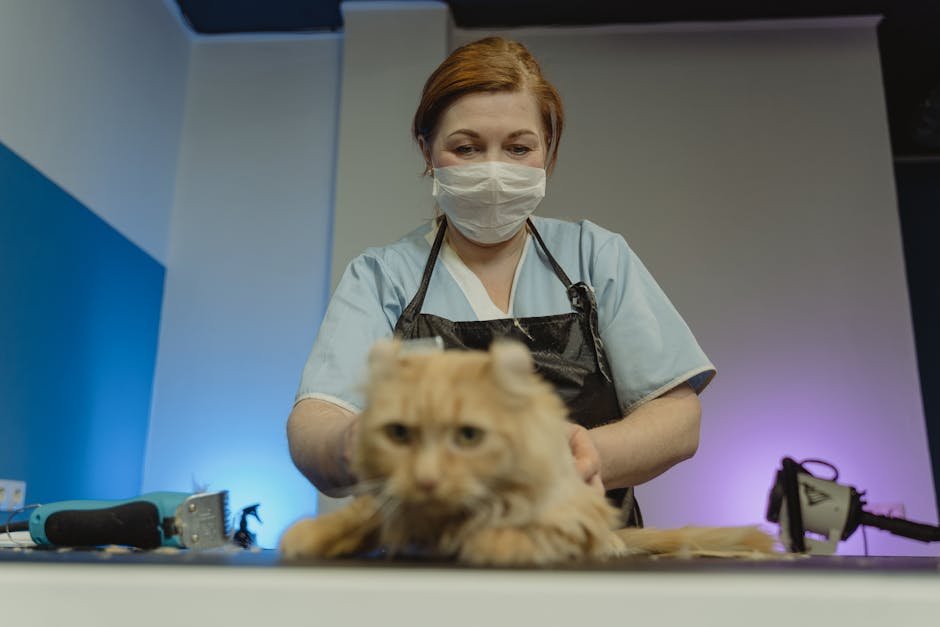
If you have a long-haired cat, you know how important it is to keep their coat smooth and tangle-free. But grooming can sometimes feel like a challenge—mats, shedding, and knots can quickly take over.
The right grooming tools can make all the difference for both you and your furry friend. Imagine turning grooming time into a calm, easy routine that your cat actually enjoys. You’ll discover the best long-haired cat grooming tools that will help you achieve just that.
Ready to make grooming simple and stress-free? Keep reading to find out how.
Essential Brushes For Long Fur
Keeping your long-haired cat’s coat smooth and tangle-free requires the right set of brushes. Each brush type serves a specific purpose, helping you maintain your cat’s fur health and shine. Choosing the best brushes can make grooming a stress-free, even enjoyable, routine for both you and your feline friend.
Slicker Brushes
Slicker brushes are perfect for removing mats and loose hair from thick, long fur. Their fine, short wires gently penetrate deep into the coat to detangle stubborn knots without hurting your cat’s sensitive skin. I found that using a slicker brush regularly reduced shedding significantly and kept my cat’s fur soft.
When brushing, use short, gentle strokes and focus on problem areas like behind the ears and under the legs. Have you noticed how much easier grooming gets when mats don’t build up?
Pin Brushes
Pin brushes work well for smoothing out the coat after detangling. They have widely spaced metal pins with rounded tips that glide through long fur, making your cat’s coat look neat and polished. I often use a pin brush to finish grooming sessions because it leaves the fur looking fluffy without pulling.
Try brushing in the direction of hair growth to prevent discomfort. Would your cat enjoy the gentle massage effect of a pin brush?
Bristle Brushes
Bristle brushes are ideal for adding shine and removing surface dirt from your cat’s coat. The soft bristles stimulate natural oils in the skin, which helps maintain a healthy, glossy look. I like to use a bristle brush for a final pass after detangling and smoothing, especially before outings or photos.
Use light, sweeping motions and pay attention to sensitive areas like the belly. How often do you pamper your cat with a bristle brush grooming session?
Combs And Dematting Tools
Keeping your long-haired cat’s coat smooth and healthy requires the right combs and dematting tools. These tools help you remove tangles, dirt, and pesky mats that can cause discomfort to your feline friend. Choosing the right comb or rake can make grooming easier and more enjoyable for both you and your cat.
Wide-tooth Combs
Wide-tooth combs are essential for gently detangling your cat’s fur without pulling. Their widely spaced teeth glide through long hair, loosening knots and preventing breakage. If your cat dislikes grooming, starting with a wide-tooth comb can reduce stress by minimizing tugging and discomfort.
Try using a wide-tooth comb after brushing to catch any remaining tangles. It’s also helpful for grooming sensitive areas like behind the ears or under the legs. Have you noticed your cat’s hair looks fluffier and less matted after a session with a wide-tooth comb?
Flea Combs
Flea combs have very fine, closely spaced teeth designed to catch fleas, flea dirt, and debris. Even if your cat isn’t showing signs of fleas, using a flea comb regularly helps keep the coat clean and healthy. It also gives you a chance to check for skin issues early.
Run the flea comb through your cat’s fur, especially around the neck and tail base. Dip the comb in soapy water to remove trapped fleas and dirt. Do you find that this simple tool also helps keep your cat’s fur shiny and free of loose hair?
Dematting Rakes
Dematting rakes are built to tackle tough mats and tangles without hurting your cat. Their sharp, curved blades cut through mats safely while combing out loose hair. Using a dematting rake regularly prevents painful mat buildup, which can trap dirt and moisture.
Be patient when using a dematting rake—work slowly and hold the base of the mat to reduce pulling on your cat’s skin. If you encounter a stubborn mat, break it down into smaller sections before combing. Have you noticed how much easier grooming becomes once mats are removed with the right rake?
Clippers And Scissors
Keeping your long-haired cat looking neat often requires more than just a brush. Clippers and scissors are essential tools that help you manage your cat’s fur effectively. These tools allow you to trim mats, shape fur, and maintain a comfortable length for your feline friend.
Electric Clippers
Electric clippers save time when trimming thick or matted fur. They offer consistent cutting power and come with different blade sizes to suit various fur lengths. Look for clippers with a quiet motor to avoid startling your cat during grooming.
Using clippers can be tricky at first. It helps to start on less sensitive areas, like the back or sides, before moving to more delicate spots. Have you noticed how your cat reacts to the sound? Choosing the right clippers can make grooming a calmer experience for both of you.
Grooming Scissors
Grooming scissors are perfect for detailed work and trimming around the face, paws, and tail. Rounded-tip scissors are safer for sensitive areas and help prevent accidental pokes. Keep a pair handy for quick touch-ups between full grooming sessions.
Try cutting small sections at a time to avoid uneven fur or accidental cuts. If your cat is restless, break grooming into short sessions. Have you tried different scissor types to find what works best for your cat’s fur texture?
Nail Trimmers
Nail trimmers are often overlooked but are vital for your cat’s comfort. Long nails can snag fur and cause discomfort, especially in long-haired breeds. Use trimmers designed specifically for cats to ensure a clean, safe cut.
Trim nails regularly to prevent overgrowth and reduce scratching damage. If your cat resists, gently press the paw to extend the nail and trim only the sharp tip. Could regular nail care make grooming easier for both of you?
Bathing Supplies
Bathing a long-haired cat requires the right supplies. Proper tools make the process easier and less stressful. Bathing supplies keep your cat clean and comfortable. They also protect the delicate fur and skin of your pet.
Cat-friendly Shampoos
Choose shampoos made especially for cats. These shampoos avoid harsh chemicals and strong scents. They gently clean without irritating the skin. Look for formulas that add moisture and reduce tangles. Hypoallergenic options are best for sensitive skin. Always rinse thoroughly to remove all shampoo.
Conditioners
Conditioners help soften long fur and prevent knots. They make brushing easier after the bath. Use conditioners designed for cats to avoid harm. Apply lightly and leave for a few minutes. Rinse well to keep the coat shiny and smooth. Conditioners also protect against dryness and breakage.
Drying Towels And Blowers
Use soft, absorbent towels to dry your cat gently. Avoid rough fabrics that can tangle fur. Pat dry instead of rubbing to protect the coat. A quiet, low-speed pet dryer works well for drying long hair. Keep the air temperature warm but not hot. Always watch your cat’s comfort during drying.
Additional Grooming Accessories
Long haired cats need more than just brushes and combs. Additional grooming accessories help keep your cat clean and comfortable. These tools reach areas that are easy to miss with regular grooming items. They make the grooming process easier for you and safer for your cat.
Grooming Gloves
Grooming gloves are soft and flexible. They fit your hand like a glove. The gloves have small rubber tips that remove loose fur gently. Cats often like gloves because they feel like petting. These gloves reduce shedding and help remove dirt.
Ear And Eye Cleaning Tools
Long haired cats can have dirt in their ears and eyes. Special cleaning tools keep these areas healthy. Use soft cotton swabs or pads designed for pets. Clean ears prevent infections. Eye wipes remove tear stains and dust carefully.
Storage And Organization
Keeping grooming tools organized saves time. Use a small box or caddy to store accessories. Label compartments for brushes, gloves, and cleaners. Organized tools are easy to find. This helps keep your grooming routine smooth and quick.
Tips For Using Grooming Tools
Using grooming tools properly makes a big difference for long haired cats. It helps keep their coat healthy and shiny. It also makes grooming time calm and pleasant. Follow these simple tips to use grooming tools effectively and gently.
Establishing A Routine
Set a regular grooming time. Cats feel more comfortable with routine. Choose a quiet place with good light. Use the same tools every session. Start with short sessions to build trust. Gradually increase the time as your cat relaxes. Consistency helps prevent matting and keeps fur soft.
Handling Sensitive Areas
Be gentle around the face, ears, and belly. These spots can be sensitive or ticklish. Use a soft brush or comb for these areas. Avoid pulling or tugging on knots. If your cat resists, pause and try again later. Talk softly and stroke your cat to calm them down.
Avoiding Common Mistakes
- Do not rush the grooming process. Take your time for comfort.
- Avoid using sharp tools near the skin.
- Never force your cat to stay if upset.
- Do not ignore mats; gently work them out.
- Clean your tools after each use to keep them safe.
Frequently Asked Questions
What Are The Best Grooming Tools For Long-haired Cats?
The best tools include a slicker brush, wide-tooth comb, and de-matting rake. These tools help remove tangles and loose fur efficiently. Regular grooming prevents mats and keeps the coat healthy and shiny.
How Often Should I Groom My Long-haired Cat?
Long-haired cats should be groomed at least 3-4 times a week. Frequent grooming reduces matting, hairballs, and shedding. Daily brushing is ideal during shedding seasons to maintain coat health.
Can Grooming Tools Prevent Hairballs In Long-haired Cats?
Yes, grooming tools reduce hairballs by removing loose hair before ingestion. Regular brushing minimizes shedding and hair ingestion, which helps prevent hairball formation and digestive issues in cats.
Which Comb Is Best For Detangling Cat Fur?
A wide-tooth comb is best for gently detangling long cat fur. It helps remove knots without hurting your cat. Use it after brushing with a slicker brush for best results.
Conclusion
Grooming long-haired cats keeps them healthy and happy. Use the right tools. Brushes, combs, and detanglers work best for these fluffy friends. Regular grooming reduces shedding and prevents matting. It also strengthens your bond with your cat. Choose tools that suit your cat’s needs.
Be gentle and patient during grooming sessions. This will make the process enjoyable for both of you. A well-groomed cat looks beautiful and feels great. Investing in quality grooming tools is worthwhile. Your cat will thank you with purrs and cuddles.
