

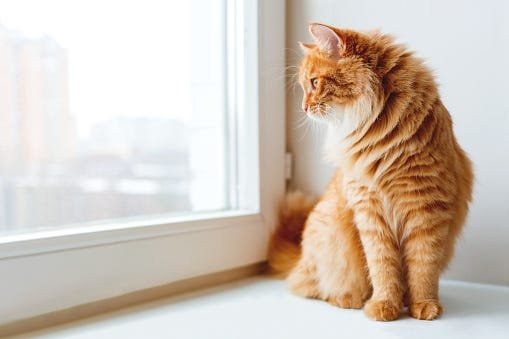
You love your indoor cat like family. But have you ever wondered if pet insurance is really worth it for a cat that rarely leaves the house?
You want the best care for your furry friend without breaking the bank. What if an unexpected illness or accident happens? This article will help you decide if pet insurance makes sense for your indoor cat and how it could protect both your pet’s health and your wallet.
Keep reading to find out what you need to know before making this important choice.
Benefits Of Pet Insurance For Indoor Cats
Indoor cats live safer lives but still face health risks. Pet insurance helps protect them from unexpected costs. It offers peace of mind by covering many medical needs. Understanding these benefits can help decide if insurance suits your cat.
Coverage For Unexpected Illnesses
Indoor cats can get sudden illnesses like infections or allergies. Insurance helps pay for vet visits, tests, and treatments. This coverage reduces the burden of surprise medical bills. It ensures your cat gets care quickly without financial stress.
Protection Against Accidents Indoors
Indoor accidents happen more than many think. Cats may swallow small objects or get injured by household items. Insurance covers emergency care and surgeries if accidents occur. This protection helps manage costly emergency treatments inside the home.
Financial Security For Vet Bills
Vet bills can add up fast, even for indoor cats. Insurance spreads out costs and lowers out-of-pocket expenses. It covers routine exams and unexpected emergencies alike. This financial safety helps maintain your cat’s health without worry.

Credit: weareallaboutcats.com
Common Health Risks For Indoor Cats
Indoor cats enjoy a safer environment than outdoor cats, but they still face health risks. These risks can affect their quality of life and lead to costly vet visits. Understanding common health problems helps pet owners decide if insurance is necessary.
Chronic Conditions And Diseases
Indoor cats can develop long-term health issues. Common chronic conditions include diabetes, kidney disease, and thyroid problems. These diseases need ongoing care and medication. Early detection improves treatment success and lowers costs.
Injuries And Accidents At Home
Accidents happen indoors too. Cats may fall from windows, get stuck in tight spaces, or chew harmful objects. These injuries can cause broken bones, cuts, or poisoning. Emergency vet visits can become expensive without insurance.
Age-related Health Issues
As cats grow older, their health changes. Arthritis, vision loss, and dental problems become common. Regular vet check-ups help manage these issues. Insurance helps cover the rising costs of senior cat care.
Cost Factors Of Pet Insurance
Understanding the cost factors of pet insurance is crucial before deciding if it’s worth it for your indoor cat. These costs vary widely and can influence how much you pay out of pocket. Being aware of what affects the price helps you find a plan that fits your budget and your cat’s needs.
Premiums And Deductibles
Your premium is the monthly or annual amount you pay to keep the insurance active. It depends on your cat’s age, breed, and health history. For indoor cats, premiums might be lower since they face fewer risks, but some insurers still charge based on breed-related health issues.
The deductible is what you pay before insurance starts covering costs. A higher deductible usually means a lower premium, but you’ll pay more upfront if your cat needs care. Consider how often you visit the vet and your emergency fund when choosing deductibles.
Coverage Limits And Exclusions
Insurance plans often have limits on how much they pay per condition or annually. Some cover accidents and illnesses fully, while others have caps that could leave you with unexpected bills. Look closely at what conditions are excluded; pre-existing illnesses are commonly not covered, which matters if your cat has ongoing health issues.
For indoor cats, coverage for accidents like accidental ingestion or injuries from falls is important. Yet, some plans exclude routine care like vaccinations or dental cleanings. Decide what services matter most to you and your cat’s lifestyle before selecting a plan.
Comparing Plans And Providers
Not all pet insurance companies offer the same benefits or pricing. Comparing multiple plans side-by-side helps you spot differences in premiums, deductibles, and coverage details. Use comparison tools or request quotes to get a clear picture of your options.
Read customer reviews to understand real experiences with claims and customer service. A cheaper plan might cost more in the long run if claim processing is slow or coverage is limited. Ask yourself: Are you comfortable with the insurer’s reputation and policy terms?

Credit: www.reddit.com
Alternatives To Pet Insurance
Deciding whether to get pet insurance for your indoor cat can feel overwhelming. If you’re unsure about insurance, there are practical alternatives that can help you manage unexpected vet bills and keep your cat healthy. These options give you more control over your spending while still preparing you for emergencies.
Building An Emergency Fund
Setting aside money regularly for your cat’s health needs can act as a safety net. Even saving a small amount each month adds up over time and can cover unexpected vet visits without stress.
Think about how much a typical emergency vet visit costs in your area. Is it realistic to save that amount within a year or two? Having this fund gives you peace of mind and flexibility without monthly insurance premiums.
Discounts And Wellness Plans
Many veterinary clinics offer wellness plans that cover routine care like vaccinations and check-ups at a discounted rate. These plans don’t cover emergencies but can reduce your regular pet care expenses.
Some clinics also provide discounts for multiple pets or senior cats. Ask your vet about special offers or payment plans—these can ease the financial burden without committing to insurance.
Diy Preventative Care
You can lower the chance of costly health issues by focusing on preventative care at home. Simple habits like feeding high-quality food, maintaining a clean litter box, and providing mental stimulation make a big difference.
Regularly check your cat for signs of illness and schedule routine vet visits. Catching problems early often means less expensive treatment. How much time do you spend observing your cat’s behavior daily? Increasing this awareness can save money and improve your cat’s quality of life.
Making The Decision
Deciding whether to get pet insurance for your indoor cat can feel tricky. You want to make the best choice for your furry friend without stretching your budget. Breaking down the decision into clear parts can help you see what matters most and guide you toward a choice you feel confident about.
Assessing Your Cat’s Health Needs
Consider your cat’s age, breed, and any existing health issues. Indoor cats generally face fewer risks, but accidents and illnesses can still happen. If your cat has a chronic condition or a breed prone to certain illnesses, insurance might offer peace of mind.
Think about how often you visit the vet. Routine check-ups are one thing, but unexpected emergencies can quickly add up. Are you prepared for sudden costs like surgery or expensive treatments?
Evaluating Your Financial Situation
Look closely at your budget and savings. Can you comfortably cover a surprise vet bill if it comes? Insurance premiums add up, but they spread out costs over time.
Ask yourself: Would paying monthly premiums be easier than paying a large bill all at once? Sometimes, insurance can prevent stress from unexpected expenses, even if your cat rarely needs care.
Weighing Pros And Cons
- Pros:Protection against high vet bills, peace of mind, and support for emergency care.
- Cons:Monthly costs, possible exclusions, and waiting periods before coverage starts.
Imagine your cat suddenly needs urgent treatment. Would you hesitate to get care because of cost? Or would you feel reassured knowing insurance helps cover the bill? These questions can help you decide what feels right.

Credit: globalnews.ca
Frequently Asked Questions
Is Pet Insurance Necessary For Indoor Cats?
Pet insurance can be valuable even for indoor cats. It helps cover unexpected vet bills due to accidents or illnesses. Indoor cats face fewer risks but can still develop costly health issues. Insurance offers peace of mind and financial protection for your cat’s care.
What Does Pet Insurance For Indoor Cats Cover?
Pet insurance typically covers accidents, illnesses, and sometimes routine care. Coverage varies by plan but often includes emergency visits, surgeries, and diagnostics. Some plans also offer wellness options for vaccinations and check-ups. Always review policy details to ensure it meets your cat’s specific needs.
How Much Does Pet Insurance Cost For An Indoor Cat?
Pet insurance premiums for indoor cats usually cost less than for outdoor cats. Costs depend on your cat’s age, breed, and plan coverage. On average, expect to pay $15 to $30 monthly. Choosing higher deductibles can reduce monthly premiums but increase out-of-pocket costs.
Are Pre-existing Conditions Covered In Indoor Cat Insurance?
Most pet insurance policies do not cover pre-existing conditions. If your indoor cat has a known illness, it might be excluded from coverage. Some insurers offer limited coverage after a waiting period. Always disclose your cat’s medical history when applying for insurance.
Conclusion
Pet insurance can help with unexpected vet bills for indoor cats. It offers peace of mind for sudden illnesses or accidents. Indoor cats still face health risks worth considering. Choosing the right plan depends on your budget and cat’s needs.
Think about your cat’s age and health history too. Weigh the costs against possible vet expenses carefully. Insurance is not for everyone but can be helpful. Protecting your indoor cat’s health can bring comfort. Make a choice that feels right for you and your pet.
