

Have you ever wondered how often you should groom your cat? Keeping your furry friend clean and comfortable is more important than you might think.
Regular grooming not only helps your cat look great but also keeps their skin healthy and reduces shedding around your home. But how do you know what’s the right grooming routine for your cat’s unique needs? You’ll discover simple tips to make grooming easy and stress-free—for both you and your cat.
Keep reading to learn how often you should groom your cat and why it matters more than you realize.
Benefits Of Regular Grooming
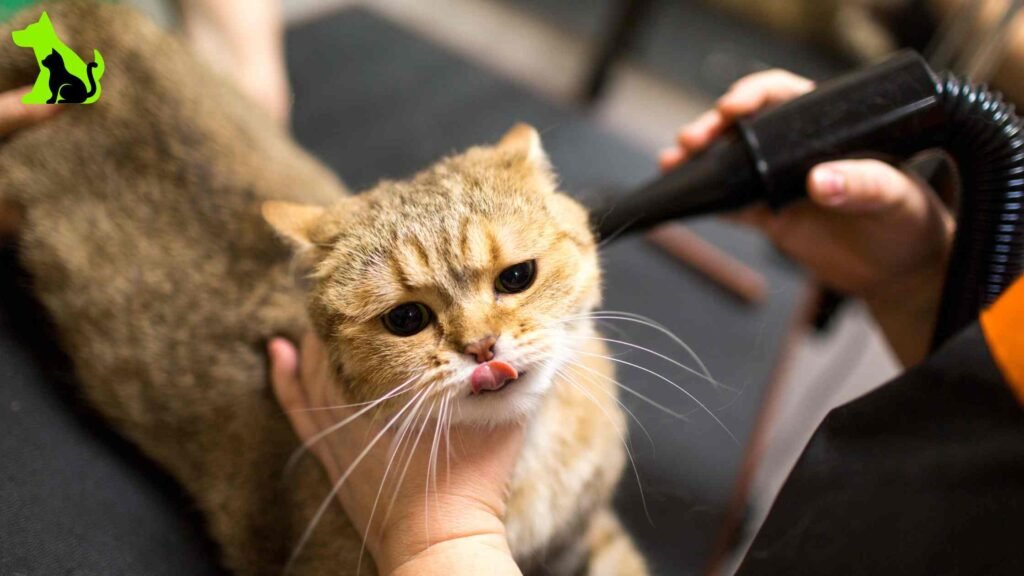
Regular grooming offers many benefits for your cat’s health and happiness. It keeps their coat clean and shiny. Grooming also helps you spot health problems early. Your cat feels more comfortable and relaxed after grooming sessions.
Improved Coat Health
Grooming removes dirt, dust, and loose fur. It prevents matting and tangles, especially in long-haired cats. Brushing spreads natural oils across the coat. This makes the fur soft and shiny. A healthy coat protects your cat’s skin better.
Reduced Hairballs
Cats swallow loose fur while grooming themselves. Too much fur inside can cause hairballs. Regular brushing catches loose hairs before your cat swallows them. This lowers hairball formation and related stomach issues. It also reduces shedding around your home.
Early Detection Of Health Issues
Grooming lets you check your cat’s skin closely. You can find lumps, bumps, or wounds early. It helps spot fleas, ticks, or other parasites quickly. Early detection means faster treatment and better recovery. Your cat stays healthier with regular checks.
Credit: hellopetsinc.com
Factors Influencing Grooming Frequency
Figuring out how often to groom your cat depends on several factors that influence their coat and skin needs. Not all cats require the same grooming routine, so understanding these elements can help you keep your feline friend comfortable and healthy. Let’s break down the main factors that affect grooming frequency.
Breed And Coat Type
Different breeds come with different grooming demands. Cats with long, thick fur, like Persians or Maine Coons, typically need daily brushing to prevent mats and tangles. On the other hand, short-haired breeds such as the Siamese often require less frequent grooming, sometimes just once a week.
Think about your cat’s coat texture. If your cat has a double coat, shedding seasons might mean you need to groom more often to manage loose fur. Have you noticed your cat’s fur getting tangled or shedding excessively? That’s a clear sign to increase grooming sessions.
Age And Health
Young kittens usually need gentle grooming to get used to the process, but they don’t shed much yet. As cats age, they may groom themselves less efficiently due to arthritis or dental issues, making your help crucial. Older cats or those with health conditions might need more frequent grooming to avoid skin problems or matting.
If your cat has a medical condition like obesity or skin allergies, you might need to adjust grooming routines. Regular grooming also gives you a chance to spot lumps, bumps, or skin irritations early. When was the last time you checked your cat’s skin closely?
Indoor Vs Outdoor Cats
Indoor cats generally stay cleaner and face fewer grooming challenges. They don’t come into contact with dirt, debris, or parasites as often, so grooming can be less frequent. Outdoor cats, however, often need more regular grooming to remove dirt, prevent ticks or fleas, and manage shedding caused by exposure to the elements.
Outdoor cats might also bring home burrs or small twigs stuck in their fur, which can cause discomfort if not removed quickly. Consider your cat’s lifestyle when setting your grooming schedule. How much time does your cat spend outside every day?
Grooming Frequency For Short-haired Cats
Short-haired cats generally require less grooming than their long-haired friends, but that doesn’t mean you can skip it altogether. Regular grooming helps keep your cat’s coat shiny, reduces shedding, and gives you a chance to check for skin issues or parasites. How often should you groom your short-haired cat to keep them healthy and comfortable?
Weekly Brushing Tips
Brushing your short-haired cat once a week usually does the trick. It removes loose hair, prevents hairballs, and stimulates natural oils for a healthy coat.
Use a soft-bristle brush or a rubber grooming glove. These tools are gentle and effective without pulling on their delicate skin.
Focus on areas like the back, sides, and under the chin, where shedding is often heaviest. If your cat enjoys the process, you might even turn it into a bonding moment.
Bathing Guidelines
Short-haired cats rarely need baths unless they get into something messy. Over-bathing can dry out their skin and remove essential oils.
When you do bathe your cat, use a shampoo made specifically for cats to avoid irritation. Lukewarm water and a calm approach are key to keeping your cat stress-free.
Consider bathing every few months or only when necessary. Have you noticed any unusual odor or dirt that brushing can’t handle? That’s your cue for a bath.
Grooming Frequency For Long-haired Cats
Long-haired cats demand more attention when it comes to grooming. Their thick, flowing coats can quickly become tangled and matted without regular care. Understanding how often to groom them helps keep your feline friend comfortable and looking their best.
Daily Brushing Needs
Long-haired cats benefit from daily brushing. This helps prevent hair from knotting and reduces shedding around your home. Spending just 5 to 10 minutes each day on your cat’s coat can make a big difference.
Use a wide-toothed comb or a slicker brush designed for long fur. These tools reach deep into the coat without hurting your cat’s skin. Have you noticed how your cat seems to enjoy the brushing? That’s a good sign you’re on the right track.
Handling Mats And Tangles
Mats can form quickly if you skip grooming sessions. They cause discomfort and even skin problems for your cat. When you find mats, gently work them out with your fingers before using a dematting comb.
Avoid pulling hard to prevent hurting your cat. If mats are severe, a professional groomer may be needed. Do you check your cat’s fur regularly for early signs of tangles? Catching them early makes grooming easier for both of you.
Tools For Effective Grooming
Effective grooming needs the right tools. These tools help keep your cat’s coat clean and healthy. They also make grooming easier and more comfortable for your cat. Using proper brushes, combs, and nail clippers reduces hairballs and mats. It also prevents skin issues and keeps your cat looking great.
Brush Types
Different brushes serve various grooming needs. A slicker brush removes loose fur and dirt from the coat. It is perfect for most cats and helps prevent mats. A bristle brush shines the fur and spreads natural oils. It works well for short-haired cats. A rubber brush gently massages the skin and collects dead hair. It suits cats with sensitive skin and short hair.
Combs And Nail Clippers
Combs help detangle knots and mats that brushes can miss. A wide-toothed comb is good for thick or long fur. A fine-toothed comb removes small tangles and checks for fleas. Nail clippers are essential to trim sharp claws. Use clippers designed for pets to avoid injury. Regular nail trimming keeps your cat comfortable and safe.

Credit: www.purina.com
Signs Your Cat Needs More Grooming
Knowing when your cat needs more grooming is key to keeping them healthy and comfortable. Cats are usually good at grooming themselves, but sometimes they miss spots or don’t do enough. Watching out for certain signs can help you step in before small issues turn into bigger problems.
Excessive Shedding
If you notice more fur on your furniture or clothes than usual, your cat might need extra grooming. Shedding happens naturally, but excessive fur loss can mean your cat isn’t cleaning itself properly. Regular brushing helps remove loose hair and prevents painful hairballs.
Try running your hand through your cat’s coat daily. Does the fur come away easily? That’s a sign to grab the brush more often. Your cat will feel lighter and more comfortable, especially during seasonal changes.
Skin Irritations
Redness, bumps, or flaky skin are warning signals your cat’s grooming isn’t enough. Cats often lick irritated spots, but sometimes they can’t reach everything or miss areas entirely. Grooming helps you spot these issues early and keeps their skin healthy.
If your cat scratches more or seems sensitive when touched, check for hot spots or dry patches. Adding grooming sessions can soothe the skin by distributing natural oils evenly.
Behavioral Changes
Has your cat started hiding or acting restless? Changes in behavior can mean discomfort from poor grooming. Matted fur can be painful and cause your cat to avoid interaction or grooming altogether.
Watch for signs like decreased activity or refusal to be petted. These might suggest your cat needs extra care. Grooming is not just about looks—it’s about your cat’s well-being and happiness.
Tips For Stress-free Grooming Sessions
Grooming your cat can be a calm and pleasant experience for both of you. Reducing stress helps your cat stay relaxed and cooperative. Small changes in how you approach grooming make a big difference. The right setting and rewards keep your cat happy and calm. Here are some tips to create stress-free grooming sessions.
Creating A Calm Environment
Choose a quiet room without loud noises or distractions. Soft lighting helps your cat feel safe. Use a comfortable surface like a towel or mat for grooming. Keep all grooming tools within reach to avoid stopping. Speak in a gentle, soothing voice to your cat. Short sessions work better than long ones. Stop if your cat shows signs of stress or discomfort.
Positive Reinforcement Techniques
Offer treats your cat loves during and after grooming. Praise your cat with soft words and gentle petting. Use a clicker or a calm sound to mark good behavior. Reward small steps, like staying still or allowing brushing. Avoid punishment or force, which increase fear. Building trust takes time and patience. Repeat sessions often to build a positive routine.
)
Credit: www.northroadvet.com.au
Frequently Asked Questions
How Often Should I Groom My Short-haired Cat?
Short-haired cats should be groomed once a week to remove loose fur. This helps reduce shedding and hairballs. Regular grooming also keeps their skin healthy and bonds you with your cat.
Does Long-haired Cat Grooming Require Daily Brushing?
Yes, long-haired cats benefit from daily brushing. It prevents mats and tangles, reducing discomfort. Daily grooming also minimizes shedding and hairballs, keeping your cat clean and comfortable.
Can Grooming Frequency Affect My Cat’s Health?
Absolutely, regular grooming prevents skin problems and detects parasites early. It promotes healthy fur and reduces hairballs. Grooming also strengthens your bond and helps monitor your cat’s overall health.
What Tools Are Best For Grooming Cats?
A slicker brush works well for most cats. Use a comb for tangles and mats, especially in long-haired cats. Nail clippers and flea combs are also useful for complete grooming.
Conclusion
Regular grooming keeps your cat healthy and happy. Short-haired cats need less brushing than long-haired ones. Check your cat’s coat and skin often for mats or dirt. Grooming also helps reduce shedding and hairballs. Make grooming a calm, gentle routine your cat enjoys.
Adjust frequency based on your cat’s age, health, and coat type. Consistency matters more than speed or length of each session. Caring for your cat’s fur shows love and attention every day. Simple steps can make grooming easier for both you and your cat.
