

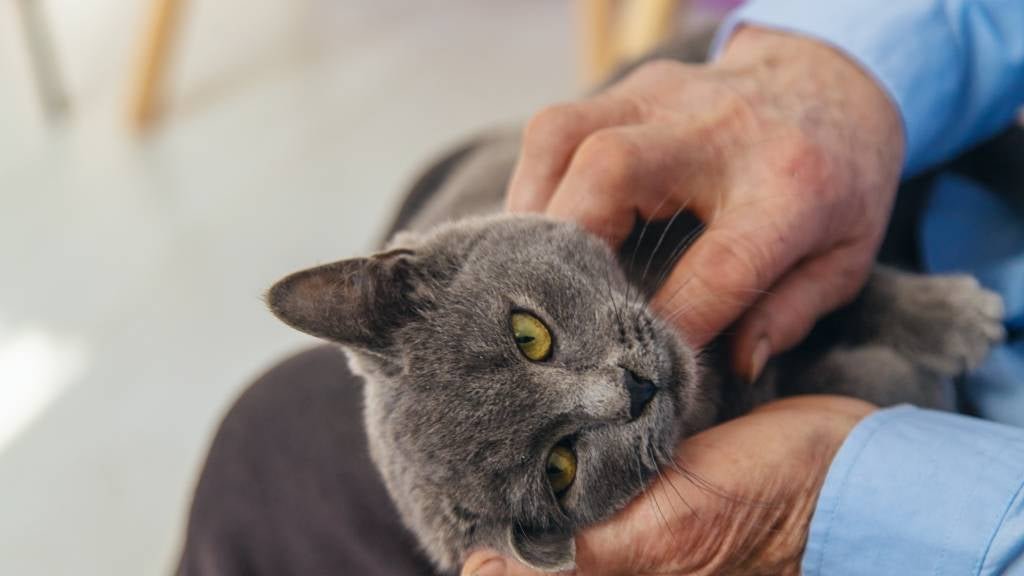
Your senior cat has been by your side through thick and thin. Now, as they grow older, you want to make sure they get the best care possible without breaking the bank.
But what happens when unexpected health issues arise? Pet insurance for senior cats can be the safety net you didn’t know you needed. You’ll discover how the right insurance can protect your furry friend and give you peace of mind.
Keep reading to learn how to choose the best plan for your beloved companion.

Credit: scratchandpatch.co.uk
Why Senior Cats Need Insurance
As your feline companion ages, their health needs change in ways you might not expect. Senior cats are more vulnerable to illnesses and injuries that require prompt and sometimes costly medical attention. Having pet insurance tailored for older cats can give you peace of mind and ensure your pet gets the care they deserve without hesitation.
Common Health Issues In Older Cats
Older cats often face health challenges such as kidney disease, arthritis, diabetes, and dental problems. These conditions can develop gradually but worsen quickly if left untreated. You might notice subtle signs like changes in appetite, mobility issues, or increased thirst—early detection is key to managing these conditions effectively.
Rising Veterinary Costs
Veterinary bills tend to rise as cats age due to the need for more frequent check-ups, diagnostics, and treatments. Surgeries, medications, and specialist visits can add up fast. Have you ever faced a hefty vet bill that made you hesitate to provide necessary care? Insurance can help you avoid that tough choice between finances and your cat’s well-being.
Benefits Of Early Coverage
Signing up for pet insurance before your cat becomes a senior can prevent coverage gaps and reduce premiums. Early coverage means pre-existing conditions are less likely to be excluded. Imagine having the confidence to take your cat to the vet without worrying about unexpected costs—that’s the benefit of planning ahead.
Credit: www.healthypawspetinsurance.com
Types Of Coverage To Consider
Choosing the right pet insurance for senior cats means understanding the types of coverage available. Each plan covers different health needs. This helps keep your cat healthy and your costs manageable. Here are key coverages to consider for older feline friends.
Accident And Illness Plans
These plans cover emergencies and sudden sicknesses. Accidents like falls or injuries are included. Illnesses such as infections or organ problems also qualify. This coverage pays for vet visits, tests, and treatments. It helps reduce expensive bills from unexpected health issues.
Chronic Condition Coverage
Older cats often face long-term health problems. Diabetes, arthritis, and kidney disease are common. Plans with chronic condition coverage support ongoing treatment. They cover medications, check-ups, and therapies. This keeps your cat comfortable and manages persistent illnesses.
Wellness And Preventative Care
This coverage focuses on keeping cats healthy before problems start. Routine check-ups, vaccinations, and dental cleanings are included. Preventative care helps catch issues early. It also supports a healthy lifestyle. Some plans offer discounts on flea control and nutrition.
Choosing The Right Policy
Choosing the right pet insurance policy for your senior cat can feel overwhelming. You want to protect your furry friend without paying for coverage you don’t need. Understanding the details of deductibles, premiums, coverage limits, and reimbursement models will help you make a smart decision.
Evaluating Deductibles And Premiums
Deductibles and premiums directly affect how much you’ll pay out of pocket and monthly. A low deductible means you pay less before insurance kicks in, but premiums tend to be higher. Conversely, higher deductibles lower your monthly cost but increase your initial expense when claims arise.
Think about your budget and how often your cat visits the vet. If your senior cat has frequent health issues, a lower deductible might save you money overall. Would you rather pay a bit more monthly for peace of mind, or risk a big bill when your cat needs care?
Coverage Limits And Exclusions
Look closely at what each policy covers and what it doesn’t. Some plans cap payouts annually or per condition, which could leave you paying large bills yourself. Exclusions on pre-existing conditions or age-related illnesses are common, so verify if your cat’s current health issues qualify.
Ask yourself: Does the policy cover chronic illnesses common in older cats, like kidney disease or arthritis? Missing this could mean you’re left footing expensive vet bills. Make a list of potential health needs your cat might have, and match them against the policy’s coverage.
Reimbursement Models Explained
Understanding how reimbursement works saves you surprises after submitting claims. Most insurers use either a percentage-based model or a benefit schedule. The percentage model reimburses a set percentage of your vet bill, while a benefit schedule pays a fixed amount per service.
Check if the policy requires you to pay the vet upfront and wait for reimbursement or if they can pay the vet directly. This affects your cash flow and convenience. Which reimbursement style fits your financial habits better?
Common Exclusions For Senior Cats
Pet insurance for senior cats helps manage health costs. Understanding common exclusions is key. Some conditions or situations might not be covered. Knowing these exclusions prevents surprises in your pet’s care.
Pre-existing Conditions
Most insurers do not cover pre-existing conditions. These are health issues your cat had before the policy started. Chronic illnesses like arthritis or diabetes often fall here. Insurers avoid paying for ongoing problems. Always check your cat’s medical history before applying.
Age Restrictions
Some policies limit coverage based on age. Many insurers stop offering new plans for cats older than a certain age. Coverage might also reduce as your cat gets older. This affects senior cats more than younger ones. Find out the age limits before buying insurance.
Breed-specific Clauses
Certain breeds have unique health risks. Some insurers exclude specific conditions linked to breed genetics. For example, kidney or heart issues might be excluded for some breeds. These clauses can affect coverage for senior cats with breed-related risks. Review breed-specific rules carefully in the policy.
Tips For Filing Claims
Filing claims for your senior cat’s pet insurance can feel confusing. Clear steps help make the process smooth and fast. Gathering the right papers, sending claims on time, and knowing how to get the most money back are key. Follow these tips to keep your claim process easy and effective.
Documentation Needed
Keep all vet bills and receipts safe. These show the treatments and costs clearly. Your pet’s medical records help prove the illness or injury. Some insurers ask for proof of payment. Write down the date and details of each visit. Organized papers speed up the claim review.
Timely Submission
Send your claim soon after the vet visit. Many insurers have deadlines, often 30 to 60 days. Late claims may get rejected. Use online portals if available for faster submission. Double-check the claim form for missing info before sending. Quick action means quicker refunds.
Maximizing Reimbursements
Read your policy to know covered treatments. Submit all eligible expenses, including tests and medications. Avoid missing small receipts; they add up. Include detailed notes if needed, explaining the treatment. Ask your vet for help if unsure about paperwork. Full and clear claims get better reimbursements.

Credit: www.fetchpet.com
Top Providers For Senior Cat Insurance
Finding the right pet insurance for senior cats is important. Older cats often need more medical care. The best providers offer plans that cover common senior health issues. They also have clear pricing and helpful customer service. This section highlights top providers trusted by many cat owners.
Comparing Plans And Pricing
Plans for senior cats vary widely. Some cover accidents and illnesses only. Others include wellness visits and medications. Pricing depends on the cat’s age and health. Deductibles and reimbursement rates also affect cost.
- Look for plans with flexible deductible options.
- Check if pre-existing conditions are excluded.
- Review annual coverage limits carefully.
Many providers offer customizable plans. This helps match coverage to your cat’s needs and your budget.
Customer Service And Support
Good customer service makes insurance easier to use. Providers with fast claim processing save time. Clear communication helps avoid confusion during claims. Support teams that understand senior cat health are valuable.
- Choose providers with 24/7 customer support.
- Look for easy claim submission methods like apps.
- Check if they offer veterinary advice or helplines.
User Reviews And Ratings
Customer feedback reveals real experiences. Reviews highlight how well providers handle claims. Ratings show overall satisfaction and reliability. Pay attention to reviews from senior cat owners.
- Search for reviews mentioning senior cat coverage.
- Note common complaints or praise about claims.
- Compare ratings across multiple review sites.
Positive reviews often indicate trustworthy insurers for older cats.
Frequently Asked Questions
What Is Pet Insurance For Senior Cats?
Pet insurance for senior cats covers medical expenses as they age. It helps manage costs for illnesses, accidents, and routine care. This insurance is tailored to older cats’ health needs and can reduce financial stress for pet owners.
Why Should I Get Insurance For My Senior Cat?
Senior cats often face higher vet bills due to age-related issues. Insurance can save money on treatments and medications. It ensures your cat receives timely care without financial worry. Early coverage can improve your cat’s quality of life.
Are Pre-existing Conditions Covered For Senior Cats?
Most pet insurance plans exclude pre-existing conditions. However, some insurers offer limited coverage for stable, pre-existing issues. Always read policy details carefully. Choose a plan that suits your senior cat’s health history to avoid surprises.
How Much Does Senior Cat Insurance Typically Cost?
Senior cat insurance usually costs more than for younger cats. Prices vary based on coverage, breed, and location. On average, expect $40 to $70 monthly. Investing in insurance can be cost-effective against unexpected vet bills.
Conclusion
Protecting your senior cat with insurance brings peace of mind. Vet bills can rise quickly as cats age. Insurance helps cover costs, so you can focus on care. It supports treatments for common senior health issues. Choosing the right plan takes time but pays off.
Keep your cat healthy and happy in their later years. A little preparation today can avoid stress tomorrow. Senior cats deserve comfort and care without financial worry. Consider pet insurance as a smart step for your furry friend.
