


You love your cat like family, and you want the best care for them. But what happens if your furry friend gets sick or injured?
Vet bills can quickly add up and cause stress you don’t need. That’s where pet insurance for a cat comes in. Imagine having a safety net that helps cover unexpected medical costs, so you can focus on your cat’s health—not your worries.
Keep reading to discover how pet insurance can protect your beloved companion and give you peace of mind every day.
Why Cat Insurance Matters
Cat insurance offers peace of mind for pet owners. It helps cover unexpected health costs. Protecting your cat means you can focus on care, not bills. Understanding why cat insurance matters is key to making smart choices for your furry friend.
Risks Faced By Cats
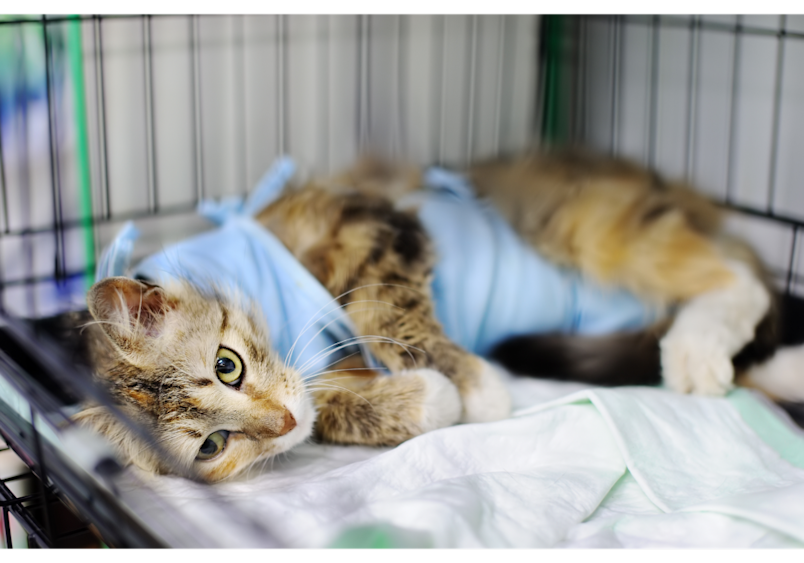
Cats face many health risks daily. They can get injured from falls or fights. Illnesses like infections and chronic diseases are common. Some cats develop allergies or digestive problems. Even indoor cats can face accidents or sudden sickness. Early treatment helps avoid serious issues.
Cost Of Veterinary Care
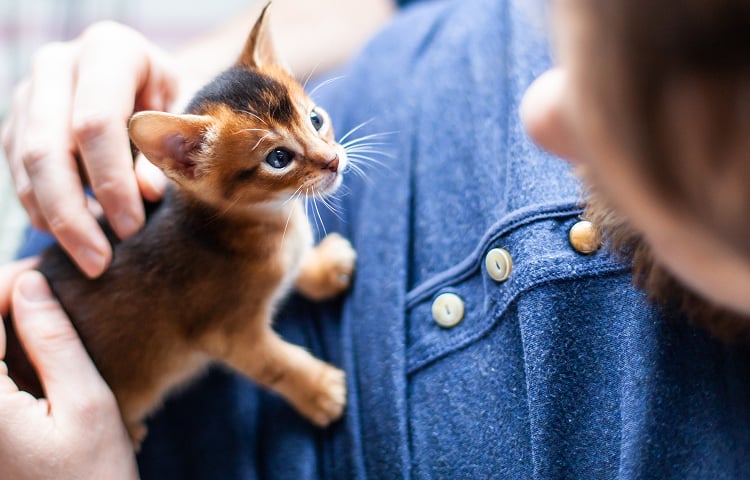
Vet bills can be expensive, especially in emergencies. Routine check-ups, vaccinations, and dental care add up. Surgery or long-term treatment costs more. Without insurance, these expenses can cause stress. Insurance helps manage costs and keep your cat healthy. It spreads out payments and reduces surprises.
Credit: www.healthypawspetinsurance.com
Types Of Coverage Available
Choosing the right pet insurance for your cat means understanding the different types of coverage available. Each plan offers unique benefits that can match your cat’s needs and your budget. Knowing what each type covers helps you make a smarter decision and avoid unexpected expenses.
Accident Only Plans
Accident only plans cover injuries from unexpected events like falls, bites, or car accidents. These plans are usually the most affordable option but do not cover illnesses or routine care. If your cat is young and healthy, this might be a cost-effective choice to protect against emergencies.
Think about how active your cat is. Does your feline love to explore outdoors or jump from high places? Accident only coverage could give you peace of mind without a high monthly cost.
Accident And Illness Plans
This type of coverage protects your cat from accidents as well as common illnesses like infections, allergies, or chronic conditions. It often covers surgeries, medications, and diagnostic tests. These plans are more comprehensive and can save you money on unexpected vet bills.
Imagine your cat suddenly develops an illness requiring expensive treatment. Would you be prepared to cover those costs? Accident and illness plans reduce that financial risk and ensure your cat gets timely care.
Wellness And Routine Care
Wellness plans cover regular check-ups, vaccinations, flea prevention, and dental care. These are usually add-ons to accident and illness policies but can sometimes be standalone plans. This coverage helps you stay ahead of health issues through preventive care.
Have you ever skipped a vet visit because it felt too expensive? With wellness coverage, you can keep your cat healthy without worrying about the cost of routine care. It’s an investment in your cat’s long-term happiness and well-being.
Key Features To Look For
Choosing the right pet insurance for your cat means knowing what features matter most. Some parts of a policy protect better than others. Understanding key features helps you find the best fit for your pet’s needs and your budget.
Coverage Limits And Caps
Coverage limits set the maximum amount the insurer will pay. Some policies have annual or lifetime caps. Check if these limits cover possible vet bills. High caps offer better protection for serious illnesses or accidents. Low caps might leave you paying more out of pocket.
Deductibles And Reimbursement
Deductibles are the amounts you pay before insurance helps. Choose a deductible that suits your budget. Reimbursement is the percentage the insurer pays after deductible. Common rates are 70%, 80%, or 90%. Higher reimbursement lowers your costs but may raise premiums.
Waiting Periods
Waiting periods are days before coverage starts. They protect insurers from immediate claims. Different treatments have different waiting times. Look for shorter waiting periods on accidents. Longer waits often apply to illnesses or hereditary conditions. Knowing these helps plan your coverage start.
Credit: www.embracepetinsurance.com
Exclusions And Limitations
Understanding exclusions and limitations in pet insurance policies can save you from unexpected expenses. These clauses define what your insurance will not cover, helping you make informed choices. Let’s break down some common exclusions you should be aware of when insuring your cat.
Pre-existing Conditions
Most pet insurance policies exclude pre-existing conditions. These are health issues your cat had before the insurance started. If your cat has had a chronic illness, like diabetes or arthritis, treatments related to these might not be covered.
Think about how this affects your decision. If your cat has a known health problem, you might want to look for policies that offer partial coverage or consider the cost of potential treatments without insurance.
Breed-specific Issues
Certain breeds are prone to specific health problems. For example, Siamese cats often face respiratory issues, while Persians may suffer from eye conditions. Some insurers exclude these breed-related conditions to avoid high claims.
Knowing your cat’s breed risks helps you pick a plan that covers or excludes these conditions. Have you checked if your cat’s breed comes with special health concerns?
Behavioral Treatments
Insurance typically does not cover behavioral issues like anxiety or aggression in cats. Treatments such as training or medication for behavior problems are often considered non-essential. This can be frustrating if your cat suddenly develops stress-related behaviors.
Ask yourself: would you be prepared to cover these costs out of pocket? If behavioral health is important to you, explore options like wellness plans or separate coverage.
Choosing The Right Plan
Choosing the right pet insurance plan for your cat can protect their health and your wallet. Plans vary widely, so finding one that fits your cat’s unique needs is important. Consider factors like age, breed, lifestyle, and health history. This helps ensure the plan covers the care your cat might need.
Assessing Your Cat’s Needs
Think about your cat’s age and breed. Some breeds have more health risks. Older cats may need coverage for chronic conditions. Consider your cat’s lifestyle too. Indoor cats face fewer risks than outdoor cats. Review your budget and how much you can spend on monthly premiums and deductibles.
Comparing Providers
Look at different insurance companies and their plans. Compare prices, coverage limits, and claim processes. Check if they cover accidents, illnesses, and routine care. Some providers offer wellness plans for vaccinations and check-ups. Read customer reviews to gauge service quality and claim support.
Reading The Fine Print
Always read the policy details carefully. Note any exclusions or waiting periods. Understand what conditions are covered or excluded. Check if hereditary or chronic illnesses are included. Look for limits on payouts and reimbursement percentages. This prevents surprises when you file a claim.
How To File A Claim
Filing a claim for your cat’s pet insurance can feel overwhelming, especially during a stressful time like a vet visit. But knowing exactly what to do can save you time and hassle. Clear steps and proper documents are key to getting your claim approved smoothly.
Documentation Needed
Make sure you gather all essential papers before you start your claim. This usually includes:
- Vet invoices and receipts:Detailed bills showing treatments, medications, and dates.
- Medical records:Notes or reports from your vet explaining the diagnosis and procedures.
- Claim form:Most insurers provide a specific form to fill out, either online or on paper.
Missing even one of these can delay your claim. Have you ever lost a receipt only to realize it stopped your reimbursement? Keep everything organized right after the visit to avoid that.
Claim Submission Process
Submitting your claim can often be done in a few ways, depending on your insurer:
- Online portals:The quickest and easiest way is usually through your insurance company’s website or app.
- Email or mail:Some providers accept scanned documents or physical copies sent directly.
- Direct vet billing:In some cases, your vet can send the bills directly to the insurer, so you don’t have to handle paperwork.
Check your policy details for the best method. Have you tried submitting a claim online? Most pet owners find it faster and more convenient.
Typical Processing Times
Knowing how long your claim might take helps you plan your finances better. Most pet insurers process claims within 7 to 14 days after receiving all documents.
Some insurers offer faster turnaround times for online submissions, sometimes as quick as 48 hours. But delays happen if your paperwork isn’t complete or if additional information is needed.
How long have you waited for a claim in the past? Keeping track of your insurer’s average processing time can set realistic expectations and reduce frustration.
Cost Factors And Savings Tips
Understanding what drives the cost of pet insurance for your cat can help you make smarter choices and save money. Costs vary widely, but knowing the key factors lets you balance coverage and budget effectively. Let’s break down what influences your premiums and how you can reduce them without sacrificing protection.
Age And Breed Impact
Your cat’s age plays a big role in the price of insurance. Younger cats usually cost less to insure because they’re less likely to have health issues. As cats get older, the risk of illness grows, pushing premiums higher.
Breed also matters. Some breeds have genetic conditions that make them more expensive to cover. For example, Siamese cats might have different health risks compared to mixed breeds, affecting your cost.
Think about your cat’s specific needs before choosing a plan. Would you pay more for a breed prone to certain diseases? Knowing this helps you find the best value.
Multi-pet Discounts
Do you have more than one cat or other pets? Many insurers offer discounts if you insure multiple animals. This can add up to significant savings over time.
Check if your provider rewards you for bundling pets under one policy. Sometimes a 10-20% discount applies, which makes managing insurance easier and cheaper.
Have you asked your insurer about multi-pet deals yet? It’s a simple way to cut costs without cutting coverage.
Annual Vs Monthly Payments
Choosing how you pay your premium affects your overall cost. Paying annually often saves money compared to monthly installments.
Some companies charge extra fees for monthly payments, which add up over the year. If your budget allows, paying once a year can reduce your total expense.
Consider your cash flow and how much you want to spend upfront. Would saving a bit by paying annually make sense for your situation?
Credit: www.embracepetinsurance.com
Frequently Asked Questions
What Does Cat Pet Insurance Cover?
Cat pet insurance typically covers accidents, illnesses, surgeries, and sometimes routine care. Coverage varies by plan, so check details carefully.
How Much Does Cat Pet Insurance Cost?
Costs vary based on coverage, cat’s age, breed, and location. Average monthly premiums range from $10 to $40.
Is Pre-existing Condition Covered By Cat Insurance?
Most cat insurance policies exclude pre-existing conditions. Some may cover curable illnesses after a waiting period. Always read policy terms.
Why Is Pet Insurance Important For Cats?
Pet insurance helps manage unexpected vet bills, ensuring your cat gets timely care without financial stress.
Conclusion
Choosing pet insurance for your cat helps protect their health and your wallet. It can cover vet bills from accidents or illnesses. Plans vary, so compare coverage and costs carefully. Having insurance means fewer worries during emergencies. It supports your cat’s well-being over time.
Remember, early enrollment often brings more benefits. Protect your furry friend with a plan that suits your needs. Peace of mind is worth it. Caring for your cat becomes easier and safer.
