

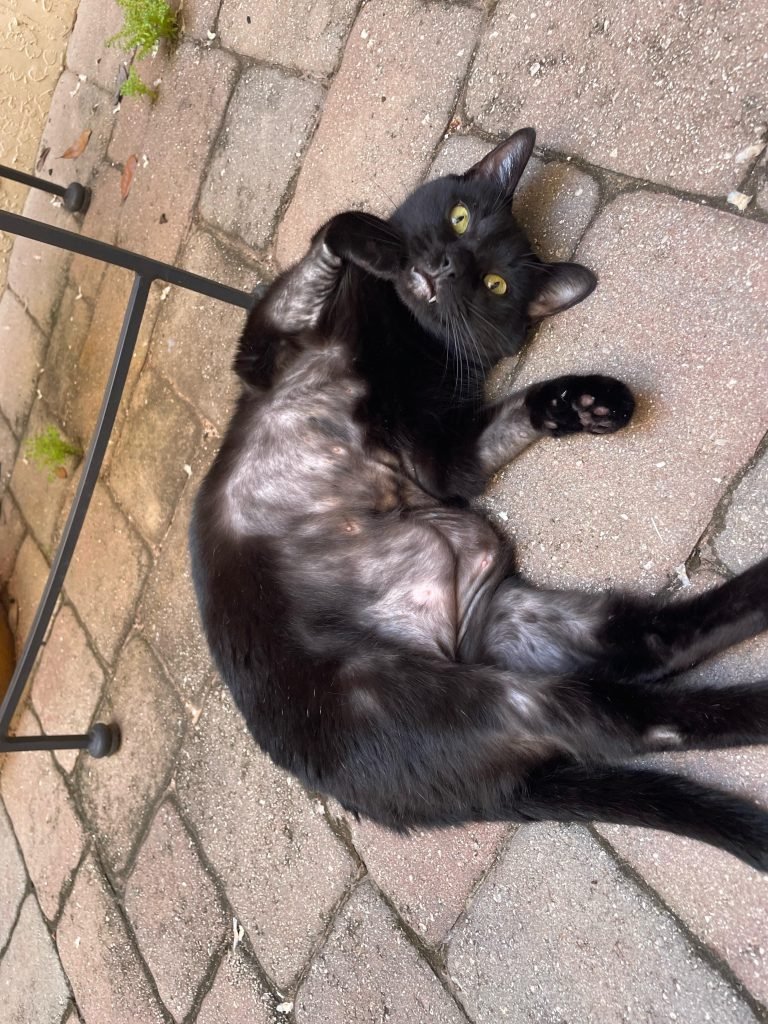
Is your cat spending too much time licking and biting its fur? Over grooming can cause uncomfortable bald spots and skin problems.
You might be worried about what’s causing this behavior and how to help your furry friend feel better. You’ll discover simple, effective ways to stop your cat from over grooming. By understanding the reasons behind it and learning easy steps to manage it, you can bring comfort back to your pet’s life.
Keep reading to find out how you can make a positive change for your cat today.
Causes Of Over Grooming
Understanding why your cat is over grooming is key to helping them stop. Over grooming is more than just a quirky habit—it often signals an underlying issue that needs attention. Identifying the root cause allows you to take the right steps to ease your cat’s discomfort and prevent further problems.
Stress And Anxiety
Cats can over groom when they feel stressed or anxious, much like how some people bite their nails during tense moments. Changes in their environment, such as moving to a new home or a new pet arriving, can trigger this behavior. Have you noticed your cat licking more after loud noises or when left alone? This could be their way of coping.
Allergies And Skin Issues
Just like humans, cats can develop allergies that irritate their skin. These might come from certain foods, pollen, or household chemicals. Over grooming is a response to the itchiness or discomfort caused by these allergies. If you spot redness, bumps, or hair loss, it’s a sign your cat might be trying to soothe irritated skin.
Parasites And Infections
Parasites like fleas or mites can make your cat’s skin feel itchy and inflamed. Even if you don’t see fleas, your cat might be reacting to bites or invisible mites. Infections can also cause discomfort, leading to excessive licking and grooming. Regular checks and vet visits help catch these problems early before they worsen.
Boredom And Lack Of Stimulation
Sometimes, over grooming comes from boredom rather than physical issues. Cats need mental and physical activities to stay happy. Without enough play or interaction, your cat might turn to grooming as a way to fill time and relieve restlessness. How often do you engage your cat with toys or new experiences?

Credit: pennypaws.com
Identifying Over Grooming Signs
Recognizing the signs of over grooming in your cat early can save them a lot of discomfort. Over grooming often signals underlying issues like stress, allergies, or health problems. Keep a close eye on your cat’s fur and behavior to catch any red flags before the problem worsens.
Hair Loss Patterns
Look for unusual bald spots or thinning fur, especially around the belly, legs, or tail. These patches are often uneven and can appear suddenly. Does your cat have smooth skin where fur used to be? That’s a strong indicator of over grooming.
Skin Irritation
Check your cat’s skin for redness, bumps, or scabs. Over grooming can cause raw or inflamed areas that may bleed or ooze. If you notice these signs, your cat is likely causing damage by licking or scratching too much.
Behavioral Changes
Observe if your cat is licking or chewing more than usual, especially in one spot. They might also seem restless, anxious, or hide away more often. Have you noticed your cat grooming to the point it interrupts their sleep or play? These behavior shifts often accompany over grooming and signal stress or discomfort.
Environmental Changes
Environmental changes can help reduce a cat’s over grooming. Cats often groom too much because of stress or boredom. Changing their surroundings can calm them and keep them busy. These small changes make a big difference in their behavior and health.
Creating A Calm Space
Make a quiet area for your cat to relax. Choose a corner or a room with little noise. Add soft bedding and a few favorite toys. Keep this space clean and free of sudden disturbances. A calm spot lowers stress and helps stop over grooming.
Increasing Playtime
Spend more time playing with your cat daily. Use toys like feather wands or balls to engage them. Playtime helps release energy and reduces anxiety. It also creates a strong bond between you and your cat. Regular play distracts them from grooming too much.
Introducing Enrichment Toys
Offer toys that challenge your cat’s mind and body. Puzzle feeders and interactive toys work well. These toys keep your cat busy and curious. They encourage natural hunting instincts in a safe way. Enrichment toys reduce boredom and the need to over groom.
Credit: www.fullbuckethealth.com
Diet And Nutrition Adjustments
Adjusting your cat’s diet can play a big role in stopping over grooming. What your cat eats affects their skin, coat, and overall comfort. Sometimes, simple changes in nutrition can reduce itching and irritation that lead to excessive grooming.
Food Allergies
Food allergies are a common cause of over grooming in cats. If your cat suddenly starts licking or biting certain areas, it might be reacting to something in their food.
Common allergens include:
- Beef
- Dairy
- Fish
- Grains
Switching to a limited-ingredient diet or hypoallergenic cat food can help identify and eliminate allergens. Have you noticed your cat’s over grooming flare up after eating specific meals? That’s a clue worth exploring with your vet.
Supplements For Skin Health
Adding supplements to your cat’s diet can improve skin health and reduce itching. Omega-3 and Omega-6 fatty acids are especially helpful for calming inflamed skin.
Look for supplements that contain:
- Fish oil
- Evening primrose oil
- Vitamin E
These help restore the skin’s natural barrier and keep the coat shiny. I once added fish oil to my cat’s meals, and within weeks, the constant licking stopped. Have you tried supplements to soothe your cat’s skin?
Veterinary Treatments
Veterinary treatments play a crucial role in helping your cat stop over grooming. Sometimes, the issue isn’t just about behavior but underlying health problems that need professional care. Understanding the right treatments can make a big difference for your cat’s comfort and well-being.
Medications For Parasites
Parasites like fleas or mites often cause intense itching that leads to over grooming. Your vet can prescribe effective medications to eliminate these pests quickly. These treatments not only stop the discomfort but also prevent skin infections caused by constant scratching.
Have you noticed your cat scratching more after being outside or around other animals? This could be a sign to check for parasites. Regular flea prevention is a smart way to avoid ongoing grooming problems.
Treating Allergies
Allergies are a common cause of skin irritation and over grooming in cats. Your vet may recommend allergy tests to identify what triggers your cat’s discomfort. Once identified, treatment plans can include special diets, antihistamines, or topical creams to soothe the skin.
Sometimes, changing your cat’s food or environment can reduce allergic reactions dramatically. Have you tried switching to hypoallergenic cat food or using fragrance-free cleaning products? Small changes can lead to big improvements.
Therapies For Anxiety
Stress and anxiety often show up as over grooming in cats. Vets might suggest behavior modification techniques or prescribe medications to help calm your cat. These therapies target the root cause and reduce the urge to groom excessively.
Creating a calm, enriched environment at home supports veterinary treatments for anxiety. Think about adding quiet spaces, interactive toys, or pheromone diffusers to ease your cat’s stress. How do you currently manage your cat’s anxiety?
Behavioral Training Tips
Behavioral training can help reduce your cat’s over grooming. These tips focus on changing your cat’s habits. Training takes patience but can bring great results. Understanding your cat’s behavior is key to success.
Redirecting Grooming Habits
Provide your cat with safe alternatives to focus on. Offer toys or scratching posts to divert attention. Play with your cat often to reduce stress. Create a quiet, comfortable space where your cat feels safe.
Watch for signs of grooming and gently redirect your cat. Use soft distractions like a gentle noise or a toy. Avoid punishment as it can increase anxiety and grooming.
Positive Reinforcement Techniques
Reward your cat when it stops excessive grooming. Use treats, petting, or praise to encourage good behavior. Timing is important—reward immediately after the desired behavior.
Consistency helps your cat learn what is expected. Keep training sessions short and frequent for better results. Positive reinforcement builds trust and reduces stress-driven grooming.
Using Protective Gear
Using protective gear helps stop cats from harming themselves by over grooming. It acts as a barrier between the cat’s skin and their tongue or claws. This gear gives the skin time to heal and reduces irritation. Choosing the right gear depends on your cat’s needs and comfort level.
Collars And Suits
Collars, like the Elizabethan collar, prevent cats from reaching sore spots. They come in hard plastic or soft fabric forms. Soft collars are more comfortable but less restrictive. Hard collars block the head completely but can stress some cats.
Suits cover the cat’s body and stop licking or scratching. They are made from lightweight, stretchy fabric. Some suits cover the entire body except the head and tail. Suits allow more freedom to move than collars.
When To Use Them
Use collars or suits when your cat has wounds or hot spots. They help during skin infection or allergies causing over grooming. Gear is a short-term tool to protect the skin. Long-term use can cause stress or discomfort.
Watch your cat closely after putting on the gear. Remove it if your cat shows signs of distress or panic. Consult your vet for advice on the right gear and wearing time. Always combine gear with other treatments for best results.

Credit: brooklynpetspa.com
Monitoring Progress
Monitoring progress is essential when helping your cat stop over grooming. It lets you see what’s working and what isn’t, so you can adjust your approach quickly. Tracking changes also helps you understand your cat’s behavior better and prevents setbacks before they become serious.
Keeping A Grooming Journal
A grooming journal is a simple but powerful tool. Write down how often your cat grooms each day and note any changes in behavior or environment. Include details like new toys, changes in diet, or stressful events.
Seeing patterns on paper can reveal triggers you might miss otherwise. For example, you may notice your cat overgrooms more after loud noises or when left alone. This knowledge lets you focus on reducing those specific stressors.
Regular Vet Checkups
Frequent vet visits are crucial to rule out medical causes of over grooming, like allergies or skin infections. Your vet can also offer treatments or recommend specialists if needed.
Don’t wait for obvious symptoms. Even if your cat seems fine, regular checkups help catch problems early. How often you visit depends on your cat’s age and health, but every 6 to 12 months is a good rule of thumb.
Frequently Asked Questions
What Causes Cats To Over Groom Excessively?
Cats over groom due to stress, allergies, parasites, or skin infections. Anxiety and boredom also trigger excessive grooming. Identifying the cause helps in effective treatment and prevention. Consulting a vet is essential to rule out medical issues.
How Can I Reduce My Cat’s Over Grooming Behavior?
Provide a calm environment and more playtime to reduce stress. Use pheromone diffusers and keep your cat mentally stimulated. Regular vet check-ups help detect underlying health problems causing grooming.
Is Over Grooming Harmful To My Cat?
Yes, over grooming can cause skin irritation, hair loss, and infections. It can also indicate emotional or physical distress. Early intervention prevents worsening and promotes your cat’s well-being.
When Should I See A Vet For Cat Over Grooming?
Visit a vet if over grooming causes bald spots or sores. If grooming persists for days or increases, seek professional advice promptly. Timely care ensures proper diagnosis and treatment.
Conclusion
Stopping your cat’s over grooming takes time and patience. Watch for signs of stress or allergies. Provide a calm and safe environment for your pet. Regular vet visits help catch any health problems early. Offer toys and playtime to keep your cat busy.
Remember, gentle care and attention make a big difference. Small changes can lead to happier, healthier cats. Keep observing and adjusting your approach as needed. Your cat will feel better with your love and support.
