

If you’re a cat owner, you want to make sure your furry friend is protected no matter what happens. But what exactly does cat insurance cover?
Understanding this can save you from unexpected vet bills and stress down the road. You’ll discover the key benefits of cat insurance, what types of treatments and emergencies it usually includes, and how it can give you peace of mind.
Keep reading to find out how to keep your cat safe and your wallet protected.
Types Of Coverage
Understanding the types of coverage offered by cat insurance helps you choose the best plan for your furry friend. Each type protects different aspects of your cat’s health and well-being. Knowing what is covered can save you from unexpected expenses and stress.
Accident Protection
Accidents happen, no matter how careful you are. Accident protection covers injuries from events like falls, bites, or car accidents. This means vet bills for fractures, wounds, or emergency treatments are covered, so you don’t have to worry about sudden costs.
Illness Coverage
Illness coverage is essential because cats can get sick just like humans. It pays for diagnostics, treatments, and medications for diseases such as infections, cancer, or chronic conditions like diabetes. Imagine catching an illness early because you could afford the vet—doesn’t that peace of mind matter?
Routine Care
Routine care covers regular health needs like vaccinations, flea control, and annual check-ups. Many plans offer this as an add-on, helping you maintain your cat’s health without surprise costs. Keeping up with routine care can prevent bigger health problems down the road.
Emergency Services
Emergencies require immediate attention and can be very costly. Emergency services coverage includes urgent surgeries, hospital stays, and specialist care. Having this coverage means you can focus on your cat’s recovery instead of worrying about the bill.
Credit: www.lemon8-app.com
Common Exclusions
Cat insurance helps cover many health costs for your pet. It supports vet visits, treatments, and emergencies. Still, some things usually do not get covered. Knowing these common exclusions can save you from surprises later. These are some typical areas where cat insurance often says no.
Pre-existing Conditions
Pre-existing conditions mean health problems your cat had before you bought insurance. Most policies do not cover these issues. This includes illnesses or injuries diagnosed before the start date. Insurers see these as risks already known, so they avoid paying for them.
Hereditary And Congenital Issues
Hereditary problems are passed down from parent cats. Congenital issues are born with your cat. Many insurance plans exclude these conditions. Examples include heart defects or joint problems. Some policies allow extra coverage for these, but it often costs more.
Elective Procedures
Elective procedures are not essential for health. They include things like grooming, tail docking, or declawing. Most insurance plans do not cover these costs. You must pay for them yourself. Some plans cover preventive care but usually not elective surgeries.
Additional Benefits
Cat insurance often covers more than just emergency care or illnesses. Many plans offer additional benefits that support your cat’s overall well-being. These extras can make a big difference in how you manage your pet’s health and happiness.
Wellness Packages
Wellness packages cover routine care like vaccinations, flea treatments, and annual check-ups. These benefits help you keep up with preventive care without worrying about extra costs. Imagine avoiding surprise bills for things like dental cleanings or booster shots, which are essential to your cat’s health.
Would you rather pay a little each month or face a big bill after your cat’s routine visit?
Behavioral Therapy
Some insurance plans include coverage for behavioral therapy. If your cat shows signs of anxiety, aggression, or other behavioral issues, this benefit can help you access expert advice. Addressing these problems early can improve your cat’s quality of life and your relationship with them.
Have you noticed your cat acting differently and wondered if professional help could make a difference?
Alternative Treatments
Alternative treatments like acupuncture, chiropractic care, or hydrotherapy might be covered under certain plans. These options offer pain relief and support recovery for chronic conditions or injuries. Including these treatments can give your cat more comfort and mobility.
Would you consider non-traditional therapies if they could ease your cat’s discomfort?
Choosing The Right Plan
Choosing the right cat insurance plan can protect your pet and save you money. Each cat has unique needs. Insurance plans vary widely. Understanding these differences helps you pick the best option. Focus on coverage, costs, and policy details. This approach ensures your cat gets proper care without unexpected expenses.
Assessing Your Cat’s Needs
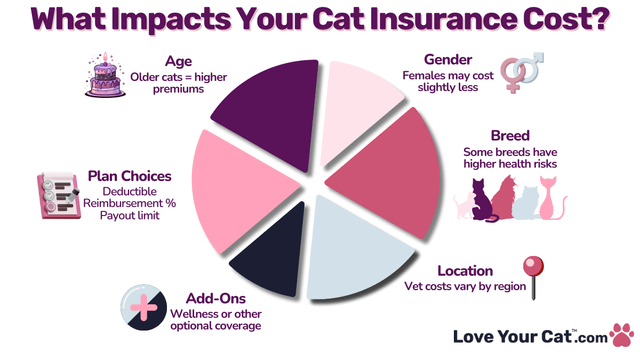
Consider your cat’s age, breed, and health. Older cats may need more coverage for illnesses. Certain breeds face specific health risks. Think about your cat’s lifestyle too. Indoor cats usually have fewer injury risks than outdoor cats. Decide if you want coverage for accidents only or for illnesses as well. Some plans cover routine care like vaccinations and check-ups. Others focus on emergencies and chronic conditions. Match the plan to your cat’s unique health profile.
Comparing Deductibles And Premiums
Deductibles are the amount you pay before insurance helps. Premiums are the monthly or yearly fees. Plans with low premiums often have higher deductibles. High premiums usually mean lower deductibles. Balance these costs based on your budget and risk. Think about how much you can afford each month. Also, consider how much you can pay out-of-pocket in emergencies. Look for plans offering the best value for your money.
Reading Policy Fine Print
Always read the policy fine print carefully. Policies may exclude certain conditions or treatments. Some plans have waiting periods before coverage starts. Check if hereditary conditions are covered. Understand limits on payouts per condition or year. Look for restrictions on pre-existing conditions. Know how claims are filed and reimbursed. Clear knowledge of policy terms avoids surprises later. Ask questions if anything is unclear before buying.
Claim Process Tips
Handling a cat insurance claim can feel overwhelming, but knowing what to expect can make the process smoother. Clear understanding and preparation help you avoid delays and maximize your benefits. Here are some practical tips to guide you through submitting your claim effectively.
Documentation Requirements
Always keep detailed records of your cat’s medical visits. This includes vet bills, treatment notes, and receipts for medications or tests. Having these documents ready saves time and prevents back-and-forth with your insurer.
Photocopy or scan all paperwork as soon as you receive it. Some insurers accept digital copies, which speeds up processing. Don’t forget to note down your policy number and claim reference on every document.
Filing Claims Efficiently
Submit claims as soon as possible after your vet visit. Delays might result in denied claims or lost reimbursements. Use the insurer’s preferred method, whether it’s an online portal, app, or email, to ensure quick receipt.
Double-check forms before sending them. Missing information or signatures can hold up your claim. Have you ever waited weeks just because a simple field was left blank? Avoid that hassle by reviewing thoroughly.
Understanding Reimbursements
Know how your insurer handles payments. Some reimburse directly to your bank, while others pay your vet. Clarify this early to plan your finances better.
Keep track of deductibles and reimbursement percentages. If your policy covers 80%, and the bill is $200, expect $160 back after your deductible. This clarity helps you set realistic expectations and budget accordingly.
Credit: www.petplace.com

Credit: www.which.co.uk
Frequently Asked Questions
What Injuries Does Cat Insurance Typically Cover?
Cat insurance usually covers injuries from accidents like falls, bites, or car accidents. It helps with vet bills for surgeries, treatments, and emergency care related to these injuries.
Does Cat Insurance Cover Chronic Illnesses?
Yes, many cat insurance plans cover chronic illnesses such as diabetes, kidney disease, and arthritis. Coverage includes diagnosis, treatments, medications, and ongoing care costs.
Are Hereditary Conditions Included In Cat Insurance?
Some plans include hereditary and congenital conditions, but coverage varies. Always check policy details to confirm if your cat’s breed-related conditions are covered.
Does Cat Insurance Pay For Routine Care?
Standard cat insurance often excludes routine care like vaccinations and check-ups. However, wellness plans or add-ons may cover these preventive services.
Conclusion
Cat insurance helps protect your pet’s health and your wallet. It covers accidents, illnesses, and sometimes routine care. Choosing the right plan means understanding what is included and excluded. This knowledge makes it easier to handle unexpected vet bills. Your cat stays safe, and you gain peace of mind.
Insurance can be a smart choice for any cat owner. Think about your cat’s needs and budget before deciding. This way, you get the best protection without extra costs. Simple, clear coverage helps you care for your cat better.
