

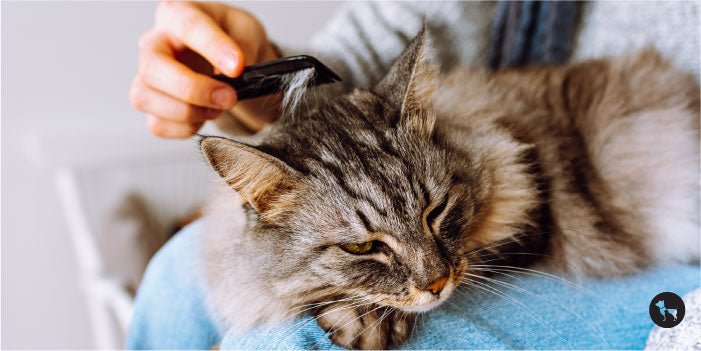
If you have a Maine Coon cat, you know how special they are. Their long, thick fur makes them look majestic, but it also means they need extra care.
Grooming your Maine Coon isn’t just about keeping them clean—it helps prevent mats, reduces shedding, and keeps your cat comfortable. Imagine spending time with your furry friend, running your fingers through their soft coat without any tangles or discomfort. You’ll discover simple, effective grooming tips that make the process easy and even enjoyable for both you and your cat.
Keep reading to learn how to keep your Maine Coon looking and feeling their best every day.

Credit: bellspurr.com
Coat Characteristics
The Maine Coon cat’s coat is one of its most striking features. It is thick, dense, and built for cold weather. This coat protects the cat while adding to its majestic look. Understanding the coat’s traits helps in proper grooming and care. The coat changes with the seasons and needs special attention to stay healthy and shiny.
Fur Texture And Length
The Maine Coon’s fur is long and silky but also water-resistant. The outer layer feels smooth and slightly coarse. The undercoat is soft and dense, providing warmth. The fur around the neck is thicker, forming a mane. The tail is bushy and full. These cats have fur that flows naturally, not matted or tangled when well-groomed.
Seasonal Shedding Patterns
Maine Coons shed more during spring and fall. The change in daylight and temperature triggers this shedding. The undercoat loosens to prepare for warmer or colder months. Regular brushing helps remove loose fur and prevents hairballs. Shedding can vary by individual and environment. Keeping a grooming routine reduces shedding problems and keeps the coat healthy.
Brushing Techniques
Brushing your Maine Coon is more than just a routine; it’s a way to keep their luxurious coat healthy and tangle-free. The right brushing techniques can make grooming easier for both you and your cat, preventing discomfort and matting. Let’s look at how you can brush your Maine Coon effectively.
Choosing The Right Brush
Not every brush works well on a Maine Coon’s thick, dense fur. You want a brush that reaches through the undercoat without hurting their skin.
- Slicker brushesare great for detangling and removing loose hair.
- Wide-tooth combshelp with stubborn mats and prevent pulling.
- Pin brushesare gentle and perfect for finishing touches, adding shine without damaging the coat.
Think about how your cat reacts to each brush. If they seem uncomfortable or try to escape, try switching brushes or adjusting your technique. A softer brush might work better at first, especially if your Maine Coon is new to grooming.
Frequency And Timing
Brushing your Maine Coon regularly is key to preventing mats and keeping their coat healthy. Most owners find that brushing 3-4 times a week works well, but daily brushing during shedding season can make a huge difference.
Choose a time when your cat is calm, like after a meal or during their usual relaxation period. This helps your Maine Coon associate brushing with positive experiences rather than stress.
Ever noticed how a short, consistent brushing session is more effective than a long, rushed one? Keeping sessions under 10 minutes can keep your cat patient and more cooperative.
Bathing Tips
Maine Coon cats have thick, long fur that needs care. Bathing helps keep their coat clean and healthy. It also reduces shedding and prevents mats. Bathing can calm your cat and make grooming easier. Use gentle methods to avoid stress for your pet.
When To Bathe
Bath your Maine Coon only when necessary. Too many baths can dry out their skin. Bathing is good if your cat is very dirty. Also bathe if your cat has fleas or sticky spots. Regular brushing lowers the need for frequent baths.
Safe Products To Use
Choose shampoos made for cats. Avoid human shampoos or harsh chemicals. Look for products labeled gentle or hypoallergenic. Use shampoos that keep the fur soft and shiny. Test the shampoo on a small patch first to check for reactions.

Credit: tryfurgo.com
Dealing With Mats
Mats in a Maine Coon’s fur can quickly become a frustrating problem. These dense, long-haired cats are prone to tangles that, if left untreated, cause discomfort and skin issues. Dealing with mats takes patience and the right approach to keep your cat happy and healthy.
Preventive Measures
The best way to handle mats is to stop them before they start. Regular brushing, ideally several times a week, helps keep the coat smooth and free of debris. Using a wide-toothed comb first can loosen any starting tangles, followed by a finer brush to smooth the fur.
Check your Maine Coon’s favorite hiding spots or places where fur rubs against surfaces—these areas often develop mats faster. You can also trim areas prone to mats, like behind the ears or under the legs, to reduce the risk. Have you noticed your cat’s behavior change when mats start forming? Early detection makes a big difference.
Removing Tangles Safely
When mats do form, you need to be gentle to avoid hurting your cat. Start by using your fingers or a mat splitter to loosen the knots slowly. If the mat is stubborn, apply a detangling spray made for cats to soften the fur before combing.
Never pull hard on a mat; it can hurt your pet and damage their skin. For tough mats, use blunt-end scissors carefully, cutting only the mat without touching the skin. If you’re unsure or the mat covers a large area, it’s best to seek professional grooming help to avoid injury.
Nail And Ear Care
Nail and ear care are essential parts of grooming a Maine Coon cat. These tasks keep your cat comfortable and healthy. Regular attention helps prevent infections and injuries. Maine Coons have strong nails and large ears that need careful care. Spending a little time on nail and ear care can make a big difference in your cat’s well-being.
Trimming Nails
Trim your Maine Coon’s nails every two to three weeks. Use sharp cat nail clippers for a clean cut. Hold the paw gently but firmly. Avoid cutting the pink part inside the nail, called the quick. Cutting the quick causes pain and bleeding. If unsure, trim only the sharp tips.
- Choose a quiet time when your cat is calm.
- Use a soft towel to hold your cat if needed.
- Reward your cat with treats after trimming.
Cleaning Ears Properly
Check your Maine Coon’s ears weekly for dirt or wax. Use a soft cloth or cotton ball dampened with a vet-approved ear cleaner. Gently wipe the outer ear. Never insert anything deep inside the ear canal. Avoid using cotton swabs to prevent injury.
- Look for redness, bad smell, or discharge.
- Stop cleaning and consult a vet if you notice signs of infection.
- Regular cleaning prevents ear mites and infections.
Diet And Hydration
A well-balanced diet and proper hydration play vital roles in maintaining a Maine Coon cat’s luscious coat. Good nutrition supports healthy fur growth and reduces shedding. Water intake keeps the skin hydrated and prevents dryness that can cause irritation. Paying attention to both diet and hydration ensures your Maine Coon looks and feels its best.
Foods For Healthy Fur
A Maine Coon’s fur benefits from foods rich in protein and essential fatty acids. These nutrients help keep the coat shiny and soft. Include high-quality meats like chicken, turkey, and fish in their diet. Omega-3 and Omega-6 fatty acids improve skin health and reduce inflammation.
- Lean meats for strong fur structure
- Fish oils for shine and softness
- Eggs as a source of biotin for hair growth
- Fruits and vegetables provide antioxidants
Avoid foods with fillers or artificial ingredients. These can harm skin and coat condition. Balanced meals support natural fur color and reduce hair loss.
Importance Of Water Intake
Water keeps your Maine Coon’s skin supple and fur hydrated. Dehydration can cause flaky skin and dull fur. Always provide fresh, clean water. Wet cat food can also increase hydration levels.
- Encourage regular water drinking habits
- Use multiple water bowls around the house
- Consider a cat water fountain for attraction
- Monitor water intake to catch health issues early
Proper hydration supports natural oil production in the skin. This helps the fur stay soft and less prone to matting. Healthy skin means less itching and fewer grooming problems.
Professional Grooming
Professional grooming can be a game-changer for Maine Coon cat owners. These majestic cats have thick, long fur that demands more than just a quick brush at home. Sometimes, you’ll need expert hands to keep your cat’s coat healthy, shiny, and free of mats.
When To Seek Help
Have you noticed your Maine Coon’s fur getting tangled despite regular brushing? Mats can cause discomfort and skin problems if left untreated. If grooming sessions at home turn into a battle or your cat shows signs of stress, it’s time to consider professional grooming.
Professional groomers can safely remove stubborn mats and trim excess fur around sensitive areas like the paws and rear. If your cat is shedding excessively or developing dandruff, a groomer’s expertise might be exactly what’s needed to restore coat health.
Choosing A Groomer
Picking the right groomer for your Maine Coon is crucial. Look for someone experienced with large, long-haired cats and who uses gentle handling techniques. You want a groomer who understands how to work patiently with your cat’s unique personality.
- Ask for referrals from your vet or local cat clubs.
- Visit the grooming salon beforehand to check cleanliness and equipment.
- Discuss your cat’s specific needs and any health concerns.
Remember, a good groomer will communicate clearly with you and provide advice on how to maintain your cat’s coat between visits. Would you trust just anyone with your Maine Coon’s care, or do you prefer someone who treats your pet like family?
Common Grooming Challenges
Maine Coon cats have thick, long fur that needs regular care. Grooming can be tough for both the cat and the owner. Some challenges happen more often than others. Knowing these common issues helps in managing your cat’s grooming better.
Handling Stress
Many Maine Coons feel nervous during grooming. They may hide or try to run away. Keep the environment calm and quiet. Speak softly to your cat to make them feel safe.
Short grooming sessions work best. Stop if your cat gets too upset. Use gentle strokes with the brush. Reward your cat with treats to build positive feelings.
Managing Sensitive Skin
Maine Coons can have delicate skin under their thick fur. Brushing too hard can cause redness or irritation. Use a soft brush designed for sensitive skin. Check the skin regularly for signs of dryness or sores.
Bathing should be gentle and infrequent. Use cat-safe shampoos made for sensitive skin. Pat the fur dry instead of rubbing. Keep nails trimmed to avoid scratching sensitive areas.

Credit: bellspurr.com
Frequently Asked Questions
How Often Should I Groom A Maine Coon Cat?
Maine Coons need grooming at least 2-3 times weekly. Regular brushing prevents mats, reduces shedding, and keeps their coat healthy and shiny.
What Tools Are Best For Maine Coon Grooming?
Use a wide-toothed comb, slicker brush, and nail clippers. These tools effectively detangle fur and maintain the cat’s nails.
How Do I Prevent Matting In Maine Coon Fur?
Brush your Maine Coon regularly, especially behind ears and under legs. Promptly remove any knots to avoid painful mats forming.
Can Grooming Reduce Maine Coon Shedding?
Yes, regular grooming reduces loose hair and shedding. Brushing removes dead fur and keeps your home cleaner.
Conclusion
Caring for a Maine Coon cat takes time and patience. Regular brushing keeps their fur soft and healthy. Check their ears and nails often to avoid problems. Grooming helps build a strong bond with your pet. A clean and happy Maine Coon lives longer.
Small daily efforts make a big difference. Enjoy every moment with your furry friend. Simple care routines create a joyful home for both. Keep your Maine Coon comfortable and well-groomed always.
