

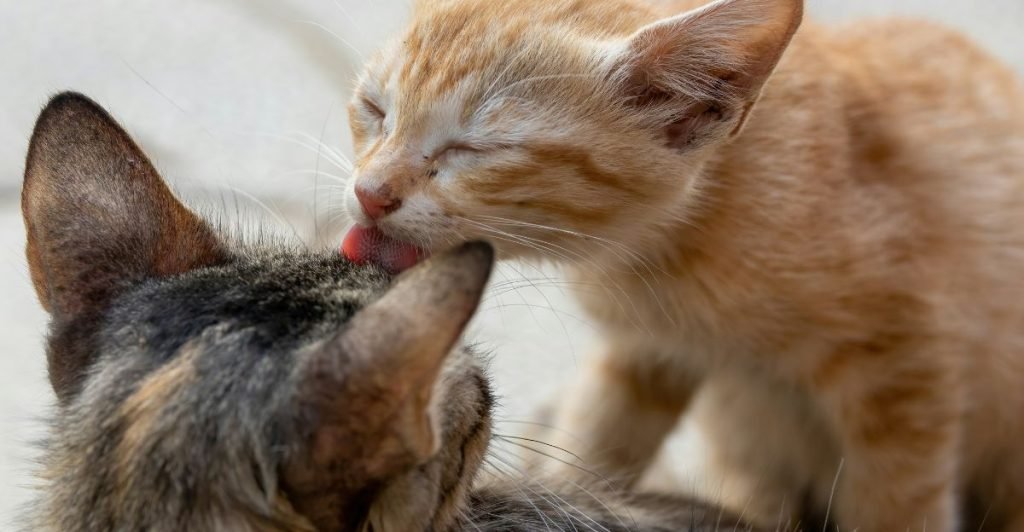
Have you ever watched cats carefully cleaning each other and wondered why they do it? When cats groom each other, it’s more than just keeping clean.
This simple act reveals a lot about their feelings, trust, and social bonds. If you want to understand what your furry friends are really saying when they lick and nibble each other, you’re in the right place. Keep reading to discover the surprising reasons behind this fascinating behavior and how it affects your cats’ happiness and health.

Credit: www.youtube.com
Social Grooming In Cats
Social grooming plays a vital role in cat communities. Cats do not just groom themselves; they also groom each other. This behavior builds trust and strengthens bonds. It keeps their fur clean and healthy. It also helps reduce stress and tension between cats.
What Is Allogrooming
Allogrooming means one cat grooming another. It usually happens between cats that live together. Cats lick and nibble each other’s fur gently. This action removes dirt and loose hair. It also spreads natural oils across their coats. Allogrooming is a sign of friendship and acceptance. Cats often use it to calm each other and show care.
Common Grooming Targets
Cats tend to groom certain areas more than others. They focus on spots hard to reach alone. These include:
- The head, especially around the ears and cheeks
- The neck and shoulders
- Behind the ears
- Under the chin
These areas are important for hygiene and comfort. Grooming these spots helps cats feel safe and relaxed. It also strengthens their social connection.
Bonding Through Grooming
Grooming is more than just cleaning for cats. It is a powerful way they connect and show care. When cats groom each other, they build trust and friendship. This act helps create a calm and safe feeling among them. Understanding this can show us how important grooming is in a cat’s social life.
Strengthening Social Ties
Grooming helps cats form strong bonds with one another. It is a sign of friendship and respect. Cats often groom those they feel close to. This behavior reduces stress and makes them feel secure. Grooming sessions can last several minutes and involve licking and nibbling. This shared activity builds good relationships and keeps peace in the group.
Grooming Among Family Members
Family cats groom each other more often. Mothers lick their kittens to clean and comfort them. Siblings also groom to show love and support. This grooming helps family members stay close and united. It also teaches kittens social skills. Without this bonding, cats may feel lonely or anxious. Grooming is a natural way to keep family ties strong.
Behavioral Benefits
Cats grooming each other offers more than just cleanliness. This social behavior carries many behavioral benefits. It helps strengthen bonds and keeps peace among feline friends. Observing cats grooming reveals a world of subtle communication and trust.
Stress Reduction
Mutual grooming calms cats and lowers stress. The gentle licking releases calming chemicals in their brain. It creates a safe and relaxed atmosphere. Cats feel less anxious and more comfortable around each other. This reduces tension, especially in new or crowded environments.
Conflict Resolution
Grooming helps solve disagreements without fighting. It acts as a peace offering between cats. When tensions rise, grooming can stop a conflict quickly. It shows acceptance and forgiveness. This behavior keeps the group stable and avoids serious fights.

Credit: www.dreamstime.com
Grooming And Hierarchy
Grooming among cats is more than just keeping clean; it reflects their social order and relationships. When cats groom each other, they communicate messages about who leads and who follows. Understanding this behavior can help you better read your cats’ social dynamics and improve their harmony.
Dominance And Submission
In many cat groups, the dominant cat often initiates grooming. This action is a subtle way to assert control without aggression. The submissive cat usually accepts grooming and may even return it cautiously.
Notice how the dominant cat might groom the head or neck, areas hard for cats to reach themselves. This shows trust and respect, but also reinforces the leader’s position. Have you seen your cat choose specific spots to groom another? It’s a quiet power move.
Reciprocity In Grooming
Grooming isn’t just about hierarchy; it’s also about friendship. Cats often groom each other in turns, creating bonds and reducing stress. This give-and-take helps maintain peace in multi-cat homes.
Watch for balanced grooming sessions where cats alternate roles. If one cat grooms but never gets groomed back, it might signal an imbalance or tension. How often do your cats share grooming duties? Encouraging this behavior can ease conflicts and build trust.
Environmental Influences
Environmental factors play a huge role in how cats groom each other. These surroundings shape their behavior in ways you might not expect. Understanding these influences can help you create a better space for your feline friends to bond and stay healthy.
Group Size And Space
The number of cats living together changes how often they groom each other. In small groups, cats tend to groom more frequently because they have fewer companions to interact with.
But in larger groups, the dynamics shift. Cats might groom selectively, focusing on close friends or family members. Space also matters—if there’s not enough room, stress rises, and grooming can decrease.
Have you noticed how your cats behave differently when you add a new pet or rearrange the furniture? Limited space can lead to less grooming and more tension.
Impact Of Human Interaction
Your involvement influences how cats groom one another. Cats that feel safe and relaxed around people often show more social grooming. Your calm presence can encourage them to bond through grooming.
However, too much interference or stress caused by loud noises and sudden movements can reduce grooming behavior. When cats feel threatened, they focus on self-grooming rather than social grooming.
Try spending quiet time near your cats without disturbing them. Watch if this peaceful environment leads to more grooming between them. Could adjusting your interaction style improve their social bonds?
Credit: basepaws.com
Recognizing Grooming Signals
Recognizing grooming signals helps understand how cats build trust and bonds. Cats use grooming to show care and friendship. Watching their signals reveals their feelings during these moments.
Body Language Cues
Cats use many body signs to show they want to groom or be groomed. They often lean into each other gently. Slow blinking is a sign of comfort and trust. Ears pointed forward mean the cat feels safe. Tail position is important; a relaxed tail shows calmness. Pawing lightly can invite grooming or attention. Soft purring usually means the cat enjoys the interaction.
When Grooming Stops
Grooming may end suddenly if a cat feels stressed or uncomfortable. The cat might pull away or flatten its ears. Tail flicking or sudden movements can signal irritation. If a cat licks less or stops altogether, it may want space. Watch for changes in body posture, like crouching or avoiding eye contact. These signs help understand the cat’s mood during grooming.
Frequently Asked Questions
Why Do Cats Groom Each Other?
Cats groom each other to strengthen social bonds and reduce stress. This behavior, called allogrooming, helps them build trust and maintain group harmony. It also keeps their fur clean and free from parasites. Grooming is an essential part of their communication and social interaction.
How Often Do Cats Groom Each Other?
Cats groom each other multiple times daily, especially in multi-cat households. Grooming frequency varies by relationship and environment. Close feline friends groom more often to reinforce bonds. This routine helps maintain cleanliness and emotional well-being among cats living together.
What Does Grooming Mean In Cat Behavior?
Grooming signifies affection, trust, and social bonding in cats. It also serves as a calming activity that reduces anxiety. Cats use grooming to communicate safety and friendship. This behavior fosters group cohesion and helps them feel secure in their environment.
Can Cats Groom Each Other Too Much?
Yes, excessive grooming can indicate stress or health issues. Over-grooming may cause skin irritation or hair loss. If a cat grooms another excessively, it might signal anxiety or dominance problems. Monitoring this behavior ensures cats remain healthy and comfortable.
Conclusion
Cats grooming each other shows trust and friendship. It helps them stay clean and healthy. This behavior also strengthens their bond and reduces stress. Watching cats groom can be calming and heartwarming. Understanding this helps us appreciate their social nature.
It reminds us that cats need connection and care. Their grooming is a simple, natural way to share comfort. Small acts, big meaning. Cats truly know how to support one another.
