

Grooming your cat can sometimes feel like a battle. If your furry friend gets anxious or restless, it makes the process stressful for both of you.
What if there was a way to make grooming calm and easy? A cat sedative for grooming might be the simple solution you need. You’ll discover how the right sedative can help your cat relax, making grooming safer and more comfortable.
Keep reading to learn what works best and how to use it wisely for your pet’s well-being.
Why Cats Need Sedatives For Grooming
Grooming is essential for your cat’s health and comfort, but it’s not always an easy task. Some cats resist grooming fiercely, making it stressful for both you and your furry friend. That’s why sedatives can sometimes be necessary to keep the experience safe and calm.
Common Grooming Challenges
Many cats dislike being groomed because of sensitive spots or past negative experiences. They may scratch, bite, or try to escape, turning a simple brushing session into a struggle. Long-haired breeds often develop mats that are painful to remove, making grooming even more difficult.
Have you noticed your cat hiding or acting anxious when you bring out the brush? This is a clear sign that grooming is a challenge for them.
Behavioral Signs Of Stress
Look for signs like excessive meowing, growling, or tense body language during grooming. Cats might also freeze or try to bolt away at the first touch. These reactions show that your cat is under stress, which can escalate quickly without intervention.
Recognizing these signs early can help you decide when sedation might be necessary to avoid trauma for your pet.
Health Risks Without Sedation
Forcing grooming on an anxious cat can lead to injuries for both you and your cat. Scratches and bites are common when cats feel threatened. Additionally, skipping grooming due to resistance can cause skin infections, matted fur, and discomfort.
Using sedatives under veterinary guidance minimizes these risks, making grooming safer and less stressful for everyone involved.
Credit: www.amazon.com
Types Of Cat Sedatives
Choosing the right sedative for your cat during grooming depends on several factors, including your cat’s temperament, health condition, and how stressful grooming sessions usually are. Knowing the types of sedatives available helps you make a smart decision that keeps your pet calm without unnecessary risks. Let’s look at the main categories of cat sedatives and what each offers.
Natural Remedies
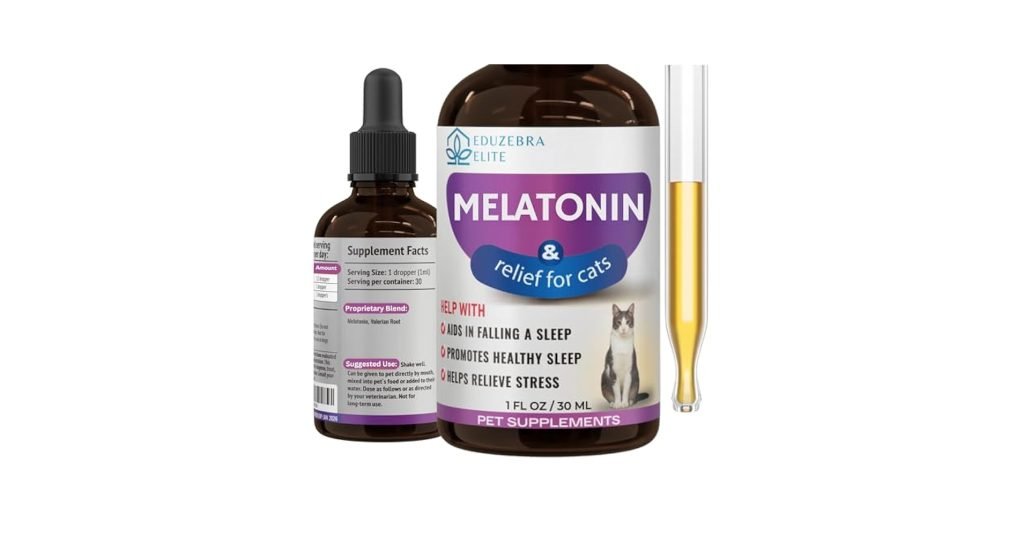
Many cat owners prefer natural remedies first because they often have fewer side effects. Common options include herbal supplements like valerian root, chamomile, and catnip, which can help reduce anxiety and promote relaxation.
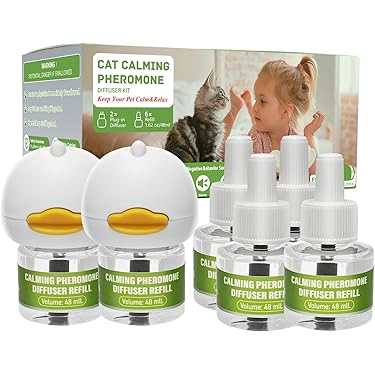
These remedies work gently and can be a good choice for mild stress. Have you ever tried using a calming pheromone diffuser in your home? It mimics natural cat pheromones and can create a soothing environment before grooming.
Over-the-counter Options
Over-the-counter sedatives are widely available and usually contain ingredients like diphenhydramine or melatonin. They are easy to obtain but should be used with caution and ideally after consulting your vet.
These products can provide moderate sedation, making grooming less traumatic. If your cat gets restless or aggressive during grooming, an OTC option might calm them down enough for a smoother session.
Prescription Medications
Prescription sedatives are the strongest option and are recommended for cats with severe anxiety or medical conditions. Medications like gabapentin or trazodone require a vet’s approval and proper dosage instructions.
These drugs can be game changers for difficult grooming sessions but come with a need for careful monitoring. Have you discussed with your vet whether a prescription sedative might improve your cat’s grooming experience safely?
Choosing The Right Sedative
Choosing the right sedative for your cat during grooming is crucial for a smooth and stress-free experience. The wrong choice can lead to unnecessary discomfort or health risks. You need to balance safety with effectiveness to keep your feline friend calm without compromising their well-being.
Consulting A Veterinarian
Your vet knows your cat’s unique health needs better than anyone. Before giving any sedative, have a detailed conversation about your cat’s behavior and grooming challenges. They can recommend safe options based on professional knowledge and your cat’s specific situation.
Never rely on over-the-counter sedatives without veterinary advice. Some sedatives may interact badly with other medications or underlying conditions. Getting approval from your vet protects your cat from harmful side effects and ensures the sedation is appropriate.
Considering Cat’s Health History
Think about your cat’s medical background before choosing a sedative. Conditions like kidney or liver problems, heart disease, or allergies can affect which sedatives are safe. Ignoring this can cause serious complications during grooming.
Ask yourself: Does your cat have any past reactions to medications? Are there ongoing treatments that might conflict with sedatives? Keeping detailed health records helps you and your vet select the safest option.
Evaluating Sedative Strength
Not all sedatives are created equal. Some are mild and only take the edge off anxiety, while others induce deep relaxation or sleep. Understanding the strength needed for your cat’s temperament and grooming session length is key.
Start with the lowest effective dose and watch your cat’s response carefully. Over-sedation can be dangerous, but under-sedation might not calm your cat enough. Think about whether a fast-acting sedative or a longer-lasting one fits your grooming plan better.

Credit: myrabeltrandance.com
Safe Administration Tips
Using sedatives for your cat’s grooming can ease stress and make the process smoother. However, safety should always come first. Understanding how to properly give sedatives can prevent complications and help your pet stay comfortable.
Proper Dosage Guidelines
Always follow the exact dosage recommended by your veterinarian. Giving too little might not calm your cat, while too much can be dangerous. Never guess the amount based on your cat’s size alone—each medication has specific instructions.
Keep a record of the dosage and type of sedative used. This helps avoid accidental overdosing if multiple family members are involved in pet care. Have your vet’s contact handy in case you notice unusual reactions.
Timing Before Grooming
Administer the sedative at the right time before grooming begins. Most sedatives take about 30 minutes to an hour to start working, but this varies by type and your cat’s metabolism. Too early, and the effect may wear off; too late, and your cat may still be stressed.
Think about your schedule and your cat’s usual behavior. If your cat is more anxious in the morning, giving the sedative then can help. Does your cat eat before medication? Some require food in the stomach, others don’t—check with your vet.
Monitoring After Sedation
Watch your cat closely after giving the sedative. Notice their breathing, alertness, and coordination. If you see anything unusual like heavy panting, vomiting, or excessive lethargy, seek veterinary help immediately.
Keep your cat in a calm, quiet space during sedation. Avoid loud noises and sudden movements that could startle them. You might be surprised how much just sitting quietly with your cat can help them feel safe and secure.
Alternatives To Sedatives
If you’re hesitant about using sedatives for your cat’s grooming sessions, you’re not alone. Many pet owners look for gentler ways to keep their feline friends calm without medication. Fortunately, there are several alternatives that focus on behavior, environment, and simple tools to ease your cat’s stress during grooming.
Behavioral Training Techniques
Training your cat to accept grooming takes patience but pays off immensely. Start with short, positive sessions that reward calm behavior with treats or gentle petting. Gradually increase the time spent on grooming, allowing your cat to build trust and associate the process with something pleasant.
Have you noticed how cats respond differently to touch? Some prefer gentle strokes behind the ears, while others might like their paws handled last. Observing your cat’s preferences helps tailor your approach and makes training smoother.
Creating A Calm Environment
The space where you groom your cat can make a big difference. Choose a quiet room with soft lighting to reduce sensory overload. Playing calming music or white noise can also help mask sudden household sounds that might startle your cat.
Think about the surface where grooming happens. A non-slip mat or towel can make your cat feel more secure and prevent slipping, which often causes anxiety. Small changes like these create a safer and more comfortable atmosphere for both of you.
Using Distraction Tools
Distraction tools can shift your cat’s focus away from grooming discomfort. Toys that your cat loves—like feather wands or laser pointers—can keep them engaged during brushing or nail trimming. You might find that a favorite treat or puzzle feeder works wonders to keep your cat’s attention.
Have you tried pheromone sprays or diffusers? These mimic natural calming scents and often reduce stress in cats. Combining these with distraction tools can turn grooming from a stressful ordeal into a more manageable routine.

Credit: feedtheball.com
Benefits Of Stress-free Grooming
Stress-free grooming offers more than just a clean and tidy cat. It transforms the entire experience into a calm and positive interaction for both you and your feline friend. Reducing anxiety during grooming can lead to a healthier, happier pet and a smoother routine that fits easily into your schedule.
Improved Cat Comfort
Your cat’s comfort during grooming is crucial. Sedatives designed for grooming help minimize fear and agitation, allowing your cat to relax rather than resist. When your cat feels calm, you’ll notice fewer scratches, less squirming, and a significant drop in stress-related behaviors.
Imagine brushing your cat’s fur without them darting away or trying to hide. This calm state prevents skin irritation caused by frantic movements and makes grooming a gentle, pain-free process.
Easier Grooming Sessions
Grooming can become a quick, hassle-free task with the right approach to stress management. Using a cat sedative helps create a smoother session where you can focus on thorough cleaning instead of managing your cat’s anxiety. This means less time spent chasing your pet around and more time on actual grooming.
Think about how much easier it is to trim nails or detangle matted fur when your cat stays still. This not only saves you effort but also reduces the risk of accidental injuries to both you and your cat during grooming.
Strengthening Owner-pet Bond
Stress during grooming can damage the trust between you and your cat. When grooming feels safe and calm, it becomes a moment of connection rather than confrontation. Your cat starts associating grooming with comfort, which deepens your bond.
Have you noticed how your cat seeks more attention after a calm grooming session? That’s a sign of trust growing. A relaxed cat is more likely to enjoy cuddles and playtime, making your relationship stronger and more rewarding.
Frequently Asked Questions
What Is The Best Cat Sedative For Grooming?
The best cat sedative for grooming depends on your cat’s health and temperament. Consult your vet for safe options like gabapentin or melatonin. Always use sedatives under professional guidance to ensure your cat’s safety and comfort during grooming sessions.
Are Cat Sedatives Safe For Grooming Sessions?
Cat sedatives are generally safe if prescribed by a veterinarian. They help reduce stress and anxiety during grooming. Never use over-the-counter sedatives without vet approval, as improper use can harm your cat’s health or cause adverse reactions.
How Long Do Cat Sedatives Last During Grooming?
The duration of cat sedatives varies by type and dosage. Most sedatives last between 2 to 6 hours. Your vet will advise the proper timing to ensure your cat stays calm throughout the grooming process without prolonged sedation.
Can I Use Natural Sedatives For Cat Grooming?
Natural sedatives like chamomile or valerian may help calm cats. However, their effectiveness varies and scientific proof is limited. Always consult your vet before using natural remedies to ensure they are safe and suitable for your cat’s specific needs.
Conclusion
Using a cat sedative can make grooming less stressful. It helps calm your cat during brushing or nail trimming. Always choose safe products and follow vet advice carefully. Patience and gentle care matter most for your pet’s comfort. A calm cat means easier grooming and a happier pet.
Keep your cat’s health and mood in mind every time. Regular grooming with the right approach strengthens your bond. Simple steps lead to better care and less struggle. Your cat deserves kindness and calm during grooming sessions.
