

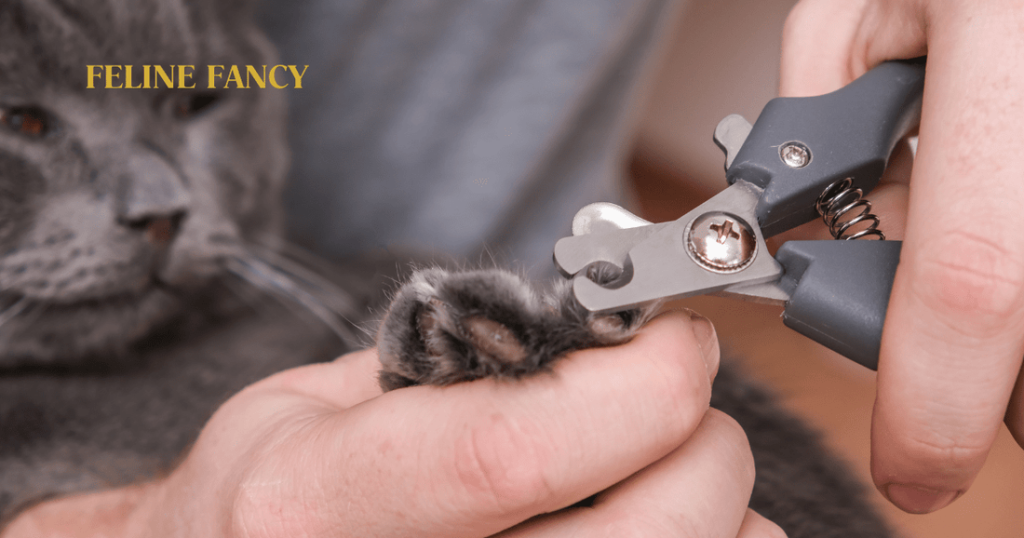
Your cat deserves the best care, and that starts with proper grooming. At Paw & Claw Cat Grooming, we understand how important your furry friend’s comfort and health are to you.
Imagine your cat looking sleek, feeling fresh, and staying happy all year round. Whether your cat struggles with shedding, matting, or just needs a gentle touch, we’re here to help. Keep reading to discover how Paw & Claw can make a difference in your cat’s life—and yours.
Benefits Of Regular Grooming
Regular grooming is more than just keeping your cat looking good. It plays a crucial role in maintaining your cat’s overall well-being. With consistent care, you can notice real changes in your pet’s health, appearance, and behavior that make both your lives easier and happier.
Health Improvements
Grooming helps catch health issues before they become serious. When you brush your cat regularly, you can spot lumps, bumps, or skin problems early. This early detection often leads to quicker treatment and better outcomes.
Removing loose fur reduces hairballs, which can cause discomfort and digestive problems. It also keeps your cat’s skin clean, lowering the risk of infections and parasites like fleas and ticks. Have you ever noticed how much calmer your cat seems after a thorough grooming session?
Enhanced Appearance
Regular grooming keeps your cat’s coat shiny and smooth. It reduces matting, which can be painful and unsightly. When your cat looks good, it’s easier to spot any changes in their fur or skin that might indicate health issues.
Grooming also includes trimming nails, which prevents damage to your furniture and avoids painful nail breaks. A well-groomed cat often feels more confident and comfortable in their own skin. Isn’t it rewarding to see your cat strut around looking their best?
Behavioral Advantages
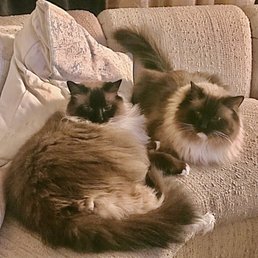
Grooming time can strengthen the bond between you and your cat. Many cats enjoy being brushed, which can reduce stress and anxiety. This calm interaction can lead to a friendlier, more trusting pet.
Regular grooming also helps your cat get used to being handled, making vet visits less stressful. It encourages patience and tolerance, which improves your cat’s overall behavior. How could adding a few minutes of grooming to your routine change your cat’s mood?
Credit: m.yelp.com
Essential Grooming Tools
Essential grooming tools help keep your cat clean and healthy. These tools make grooming easier for both you and your pet. Using the right items ensures a gentle experience. It also prevents skin problems and matting.
Brushes And Combs
Brushes and combs remove loose fur and dirt from your cat’s coat. They help reduce shedding and prevent hairballs. Different brushes suit different fur types:
- Slicker brushes work well for long-haired cats.
- Bristle brushes suit short-haired breeds.
- Metal combs help detangle knots and mats.
Regular brushing improves blood flow and keeps fur shiny.
Nail Clippers
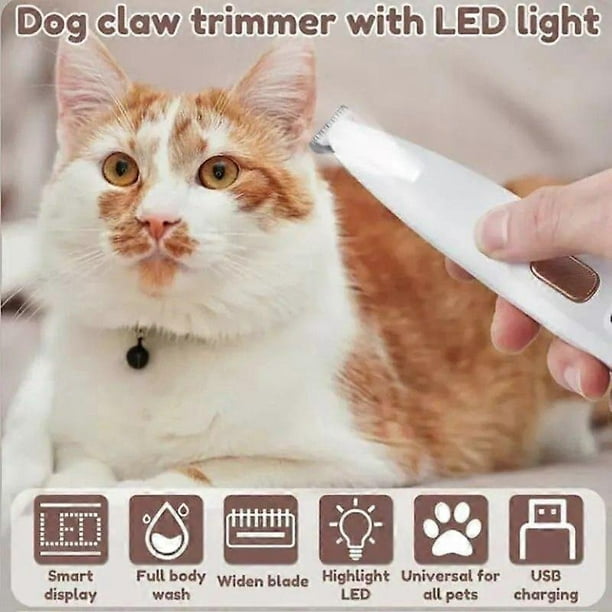
Nail clippers keep your cat’s claws at a safe length. Long nails can scratch furniture or skin. Use clippers designed for cats to avoid splintering. Trim nails carefully to prevent cutting the quick. Regular trimming stops painful nail breaks and infections.
Shampoos And Conditioners
Shampoos clean your cat’s fur and skin gently. Use formulas made specifically for cats, not humans. Conditioners keep fur soft and reduce tangles. Bathing too often can dry your cat’s skin. Use shampoo and conditioner only as needed for best results.
Step-by-step Grooming Process
Grooming your cat at Paw & Claw goes beyond just keeping them clean. It’s about ensuring their comfort, health, and happiness. Understanding each part of the grooming process helps you create a routine your cat will actually enjoy.
Brushing Techniques
Start by choosing the right brush for your cat’s fur type—slicker brushes work well for long hair, while rubber brushes suit short-haired cats. Brush gently in the direction of hair growth to prevent pulling and discomfort.
Pay special attention to areas prone to mats, like behind the ears and under the legs. If your cat suddenly tenses or moves away, pause and try again later. Patience here builds trust and makes future sessions easier.
Bathing Tips
Use lukewarm water and cat-specific shampoo to avoid skin irritation. Keep water shallow and talk softly to your cat to help them stay calm during the bath.
Rinse thoroughly to remove all shampoo residue, which can cause itching. Dry your cat quickly with a towel and, if they tolerate it, use a low-heat hairdryer to finish—just keep it at a safe distance.
Nail Trimming Guide
Trim nails when your cat is relaxed, like after a nap or meal. Use a sharp, cat-sized nail clipper and avoid cutting into the quick—the pink part inside the nail that contains nerves and blood vessels.
If you’re unsure where the quick ends, trim just the sharp tip. Regular trimming prevents painful nail breaks and keeps furniture safe. Have styptic powder ready in case of accidental cuts.
Ear And Eye Care
Check ears weekly for dirt, wax buildup, or unusual odors. Use a cotton ball moistened with a vet-approved ear cleaner to gently wipe the outer ear—never insert anything deep inside.
For eyes, wipe away discharge with a soft, damp cloth. If you notice redness, swelling, or persistent tearing, consult your vet immediately to rule out infections.
Handling Different Coat Types
Handling different coat types at Paw & Claw Cat Grooming means tailoring care to what your cat truly needs. Each coat has unique traits that affect how you groom and maintain your feline friend’s health and comfort. Understanding these differences helps prevent skin issues and keeps your cat looking and feeling great.
Short-haired Cats
Short-haired cats usually require less grooming, but they still benefit from regular brushing. Brushing once or twice a week removes loose hairs and reduces shedding around your home. It also helps you spot any skin problems early, like fleas or irritations.
Use a soft-bristle brush or rubber grooming mitt to gently massage their skin. This not only removes dirt but also boosts circulation. Have you noticed how your short-haired cat enjoys a quick brushing session? It’s a great chance to bond.
Long-haired Cats
Long-haired cats demand more attention because their fur can easily tangle and mat. Daily brushing is essential to prevent knots and keep their coat silky. Use a wide-tooth comb followed by a slicker brush for thorough grooming.
Matting can cause painful skin issues, so don’t ignore any tight clumps. If your cat resists grooming, try breaking the session into shorter, calm intervals. What’s your go-to trick for keeping long fur manageable?
Hairless Breeds
Hairless breeds like the Sphynx need special care since their skin is exposed. Regular baths are necessary to remove oils that would normally be absorbed by fur. Use gentle, cat-safe shampoos and warm water to keep their skin healthy.
Don’t forget to clean their ears and trim nails carefully—no fur means dirt can accumulate more easily. Hairless cats also appreciate warmth, so providing cozy blankets after grooming can make a big difference. How do you keep your hairless cat comfortable during grooming?
Addressing Common Grooming Challenges
Grooming cats presents some common challenges that many pet owners face. Understanding these issues helps create a better grooming routine. Paw & Claw Cat Grooming focuses on gentle techniques that keep cats comfortable and clean. Regular care reduces problems like shedding, matted fur, and anxiety during grooming sessions.
Dealing With Shedding
Shedding is a natural process for cats. It increases during seasonal changes. Frequent brushing removes loose fur and controls shedding. Use soft brushes to avoid skin irritation. Regular grooming helps reduce hair around the house. Healthy diet also supports a shiny, less-shedding coat.
Managing Matted Fur
Matted fur causes discomfort and skin problems. It forms when fur tangles and knots. Gently detangle mats with a wide-tooth comb. For severe mats, seek professional grooming help. Regular brushing prevents mats from forming. Keep your cat’s coat clean and trimmed in problem areas.
Handling Anxious Cats
Some cats feel scared during grooming. Calm your cat by speaking softly and using slow movements. Offer treats to create positive associations. Short sessions work better than long ones. Create a quiet space free from distractions. Patience and gentle touch help anxious cats relax.
Credit: www.walmart.ca
Professional Grooming Services
Professional grooming services at Paw & Claw Cat Grooming offer more than just a fresh look for your feline friend. These services help maintain your cat’s health, comfort, and hygiene. Expert groomers understand the unique needs of different breeds and temperaments, ensuring a stress-free experience for your cat.
When To Seek Experts
Not every cat can be groomed easily at home. If your cat has matted fur, skin conditions, or is unusually anxious during grooming, it’s time to seek professional help. Also, older cats or those with special health needs often require gentle handling that only trained groomers can provide.
Have you noticed your cat scratching a lot or shedding excessively? These can be signs that professional grooming is needed to prevent further discomfort or health issues.
Choosing The Right Groomer
Finding a groomer you trust can make a big difference in your cat’s grooming experience. Look for groomers who specialize in cats, not just dogs. Ask about their experience, techniques, and how they handle nervous or aggressive cats.
Visiting the grooming salon beforehand can help you see the environment and meet the staff. Does the groomer take time to understand your cat’s personality and health history? This personal approach often leads to better care.
Cost Considerations
Professional grooming prices vary based on services like bathing, hair trimming, nail clipping, and flea treatments. It’s important to compare costs but also consider what’s included. A low price may mean fewer services or less experienced staff.
Think about how often your cat needs grooming. Regular visits might be more cost-effective than occasional deep grooming sessions. Ask the groomer for package deals or membership plans that can save you money in the long run.
Diet And Grooming Connection
The link between your cat’s diet and its grooming is often overlooked, but it plays a huge role in keeping your feline friend looking and feeling great. What you feed your cat directly affects the quality of their fur and skin health. If you want to boost the results of Paw & Claw Cat Grooming, understanding this connection is key.
Nutrition For Healthy Fur
Good nutrition builds a strong foundation for shiny, soft fur. Proteins are the building blocks of fur, so make sure your cat’s diet includes high-quality animal protein like chicken or fish. Omega-3 and omega-6 fatty acids are essential too—they help reduce inflammation and keep the coat smooth.
Have you noticed your cat’s fur becoming dull or patchy? This could be a sign that their diet is missing important nutrients. Adding foods rich in vitamins A, E, and biotin can improve fur health. Supplements like fish oil capsules can also make a noticeable difference in just a few weeks.
Hydration And Skin Health
Hydration is just as important as nutrition for your cat’s skin. Dry skin can lead to excessive scratching, which damages fur and makes grooming more difficult. Encourage your cat to drink more water by placing multiple water bowls around the house or using a cat water fountain—they often prefer running water.
Wet cat food is another easy way to boost hydration. It contains more moisture than dry kibble, helping maintain skin elasticity and reducing flakiness. Have you tried switching your cat’s diet to include wet food? Many cat owners notice their pet’s skin and coat improve quickly after making this change.
Seasonal Grooming Tips
Keeping your cat comfortable and healthy throughout the year requires adjusting their grooming routine according to the season. Seasonal grooming helps manage shedding, skin health, and temperature regulation, which are all crucial for your feline friend’s well-being.
Summer Care
Summer heat can be tough on cats, especially those with thick fur. Regular brushing helps remove loose hair and prevents matting, which traps heat and makes your cat uncomfortable.
Consider trimming around problem areas like under the belly or behind the ears to improve airflow. Watch for signs of overheating such as excessive panting or lethargy, and never shave your cat completely—fur protects their skin from sunburn.
Hydration is key. Make sure fresh water is always accessible and supplement grooming with a cool, damp cloth wipe-down to soothe your cat’s skin.
Winter Care
In colder months, your cat’s coat thickens naturally to keep warm. Avoid over-bathing, as it can strip natural oils and dry out their skin, leading to irritation or dandruff.
Focus on gentle brushing to remove dead hair and distribute oils evenly. Pay attention to paw care—winter weather and indoor heating can dry paw pads, so apply pet-safe balms if you notice cracking.
Does your cat seek out warm spots more often? Provide cozy bedding and keep grooming sessions calm and comforting to strengthen your bond during chilly days.
Safety Precautions During Grooming
Grooming your cat safely is a top priority at Paw & Claw Cat Grooming. Careful attention keeps cats calm and avoids harm. Knowing how to handle your pet gently creates a better grooming experience. Following safety steps protects both the cat and the groomer.
Avoiding Injuries
Use sharp tools carefully to prevent cuts. Keep nails trimmed slowly and avoid rushing. Hold your cat firmly but gently to stop sudden moves. Place a soft towel under your cat for extra grip. Always cut away from the skin, not toward it.
Recognizing Stress Signs
Watch for heavy breathing or wide eyes. A cat that hides or grows quiet may feel scared. Tail flicking or ear flattening shows discomfort. Stop grooming if your cat shows these signs. Give breaks and speak softly to calm your cat.
Using Safe Products
Choose shampoos made just for cats. Avoid human soaps or strong chemicals. Test new products on a small skin spot first. Use lukewarm water, not hot or cold. Rinse well to remove all shampoo and prevent irritation.

Credit: www.amazon.com
Frequently Asked Questions
What Services Does Paw & Claw Cat Grooming Offer?
Paw & Claw Cat Grooming provides bathing, brushing, nail trimming, ear cleaning, and flea treatments. They ensure gentle, stress-free care for all cat breeds.
How Often Should I Groom My Cat At Paw & Claw?
Cats generally need grooming every 4 to 6 weeks. Regular visits help maintain coat health and reduce shedding and matting.
Are Paw & Claw Groomers Trained For Cat Safety?
Yes, Paw & Claw groomers are professionally trained in cat handling. They prioritize your cat’s comfort and safety during every grooming session.
Can Paw & Claw Handle Long-haired Cat Grooming?
Absolutely. Paw & Claw specializes in long-haired cat grooming, including detangling and trimming to keep coats smooth and healthy.
Conclusion
Paw & Claw Cat Grooming keeps your cat clean and happy. Regular grooming helps prevent mats and skin problems. It also reduces shedding and keeps fur soft. Cats feel more comfortable after a good grooming session. Trusting experts ensures your cat stays safe and calm.
Give your cat the care it deserves every day. A healthy cat is a happy cat. Pampering your feline friend shows your love. Simple grooming steps make a big difference. Choose Paw & Claw for gentle, caring cat grooming.
