

If you have a cat, you want to give it the best care possible. But vet bills can add up quickly when your furry friend gets sick or injured.
That’s where pet insurance comes in. You might wonder, what does pet insurance actually cover for cats? Knowing this can help you protect your cat’s health without breaking the bank. You’ll discover exactly what expenses pet insurance can handle, so you can make the smartest choice for your beloved pet.
Keep reading to find out how pet insurance can give you peace of mind and keep your cat happy and healthy.

Credit: www.reddit.com
Common Cat Health Issues
Cats can face many health problems throughout their lives. Some are common and can be costly to treat. Pet insurance helps manage these expenses by covering various health issues. Knowing what health concerns are covered helps owners make smart choices for their cats.
Illnesses Covered
Pet insurance usually covers many common cat illnesses. These include:
- Upper respiratory infections
- Gastrointestinal problems
- Urinary tract infections
- Feline diabetes
- Kidney disease
Coverage for these illnesses helps pay for vet visits, tests, and medications.
Injury Protection
Cats often get injured from accidents or fights. Insurance often covers:
- Broken bones
- Wounds and cuts
- Bite injuries
- Burns
This protection helps cover emergency care, surgery, and follow-up treatments.
Chronic Conditions
Chronic health problems can last a long time. Insurance may cover:
- Arthritis
- Allergies
- Thyroid disease
- Heart disease
Coverage supports ongoing treatments, medications, and regular check-ups.
Types Of Coverage
Understanding the types of coverage available in pet insurance for cats helps you choose the best plan for your furry friend. Each plan offers different levels of protection, so knowing what each covers can save you from unexpected expenses. Let’s break down the main types of coverage you’ll encounter.
Accident-only Plans
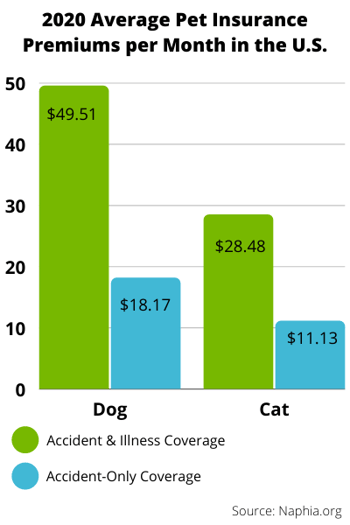
Accident-only plans cover injuries from sudden events like falls, bites, or car accidents. They don’t cover illnesses or routine care, which keeps premiums lower. If your cat is generally healthy and you want basic protection against emergencies, this plan might fit your needs.
Think about how active your cat is. Does your cat love to explore outside? Accident coverage can be a safety net for those unexpected mishaps.
Comprehensive Plans
Comprehensive plans offer broader protection, including accidents, illnesses, and sometimes hereditary conditions. This type of coverage often includes diagnostics, surgeries, medications, and hospital stays. It’s ideal if you want peace of mind against most health problems your cat might face.
When my cat suddenly needed surgery for a blocked urinary tract, having comprehensive insurance meant I could focus on his care instead of the bill. Wouldn’t you want that kind of support if your cat faced a serious health issue?
Wellness Plans
Wellness plans cover routine and preventive care like vaccinations, flea treatments, and annual check-ups. These are usually add-ons to accident or comprehensive plans, helping manage regular health expenses. If you prefer budgeting for your cat’s wellness, this can be a helpful addition.
Keeping up with regular vet visits can prevent bigger problems later. Could a wellness plan help you keep your cat healthier without surprises?
Routine Care Benefits
Routine care benefits in pet insurance help keep your cat healthy and catch problems early. These benefits cover everyday health needs that protect your cat from common illnesses and discomforts. Understanding what routine care covers can help you decide if a policy fits your cat’s lifestyle and health requirements.
Vaccinations
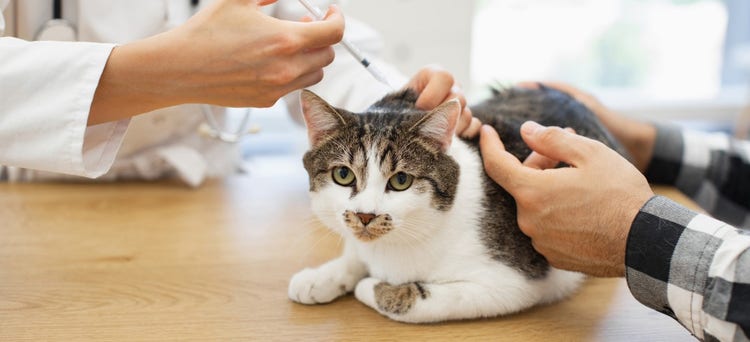
Vaccinations are essential to prevent serious diseases like rabies and feline leukemia. Many pet insurance plans cover the cost of core vaccines, so you won’t have to worry about unexpected vet bills. Imagine avoiding a costly trip to the emergency vet just because your cat was up to date on vaccines.
Ask yourself: Is your cat protected against all recommended vaccines? If not, coverage for vaccinations can save you time and money while keeping your pet safe.
Dental Care
Dental health often gets overlooked but is crucial for your cat’s overall well-being. Some insurance plans include coverage for dental cleanings and treatments for common issues like gum disease. This coverage can prevent painful infections and costly procedures later on.
Think about how often you brush your cat’s teeth. If it’s rarely, dental coverage might be a wise addition to your insurance plan. It’s not just about fresh breath—it’s about preventing serious health problems.
Annual Exams
Annual exams help spot health issues before they become serious. With routine care benefits, these check-ups can be covered, reducing your out-of-pocket expenses. Regular exams give your vet the chance to monitor your cat’s health and adjust care as needed.
Have you noticed subtle changes in your cat’s behavior or appetite? Annual exams provide a chance to discuss these with your vet early. Coverage for these visits means you’re more likely to keep up with routine vet care without financial stress.
Credit: www.petplace.com
Exclusions And Limitations
Pet insurance for cats offers valuable coverage, but it also has clear exclusions and limitations. Knowing these helps avoid surprises during claim time. Some conditions and treatments may not be covered due to policy rules.
Understanding what is excluded ensures better decision-making for your cat’s health care.
Pre-existing Conditions
Most pet insurance policies do not cover pre-existing conditions. These are illnesses or injuries your cat had before the policy started. Even if your cat shows symptoms later, insurance usually won’t pay. This rule helps keep premiums lower for all pet owners.
Breed-specific Issues
Some cat breeds have unique health problems. Insurance companies often exclude these breed-specific issues. For example, certain heart or joint problems common in specific breeds may not be covered. Check your policy carefully to see if your cat’s breed has any exclusions.
Behavioral Treatments
Behavioral issues like anxiety or aggression typically fall outside insurance coverage. Treatments such as training or therapy for these problems are often not covered. Insurance focuses more on physical health conditions rather than behavioral care.
Choosing The Right Policy
Choosing the right pet insurance policy for your cat takes careful thought. Each cat has unique needs, and insurance plans vary widely. Picking a plan that fits your cat’s health and your budget helps ensure good care without surprises. Consider what matters most before making a decision.
Assessing Your Cat’s Needs
Think about your cat’s age, breed, and health history. Some breeds face specific illnesses. Older cats may need coverage for chronic conditions. Active cats might be more prone to accidents. Decide if you want coverage for accidents only or include illnesses and routine care.
Comparing Coverage Options
Not all policies cover the same treatments. Some cover accidents, illnesses, surgeries, and medications. Others exclude hereditary or dental issues. Check if wellness visits, vaccinations, or spaying/neutering are included. Review limits, deductibles, and reimbursement rates carefully. A clear comparison helps avoid unexpected costs.
Budget Considerations
Set a budget for monthly premiums and out-of-pocket costs. Higher premiums often mean better coverage and lower deductibles. Lower premiums may save money upfront but cost more later. Balance how much you pay monthly against potential vet bills. Choose a plan that fits your financial comfort.
Claims And Reimbursement
Understanding the claims and reimbursement process is key to making the most out of your cat’s pet insurance. Knowing how to file a claim, what happens next, and the common hurdles you might face can save you time and stress. Let’s break down these steps so you feel confident handling them when the need arises.
Filing A Claim
Filing a claim usually starts with collecting your cat’s medical bills and any related documents. Most insurers allow you to submit claims online, by mail, or through a mobile app, which can be surprisingly quick and straightforward.
Keep detailed records of your cat’s visits to the vet, prescriptions, and treatments. This helps avoid delays caused by missing information. Have you ever been frustrated by paperwork? Staying organized can make this step much smoother.
Reimbursement Process
Once your claim is submitted, the insurer reviews it to determine what is covered. This review typically takes a few days to a few weeks, depending on the provider and the complexity of the claim.
If approved, the insurer reimburses you either by direct deposit or check. The amount you get back depends on your policy’s coverage limits, deductibles, and co-pays. Knowing your plan’s details upfront can help you anticipate your out-of-pocket costs.
Common Challenges
Claims can sometimes be denied or delayed due to incomplete information or coverage limits. Many pet owners find it tricky to understand why a claim was rejected without clear explanations from the insurer.
It’s also common to face issues when pre-existing conditions are involved or when treatments fall outside the policy’s coverage. Have you read the fine print thoroughly? Being proactive in asking questions before treatment can prevent surprises later.
Remember, persistence pays off. If your claim is denied, don’t hesitate to contact your insurer for clarification or appeal the decision with additional documentation. Your cat’s health—and your peace of mind—are worth the effort.
Credit: www.preventivevet.com
Frequently Asked Questions
What Conditions Does Cat Insurance Typically Cover?
Cat insurance usually covers accidents, illnesses, surgeries, and emergency care. Some plans include hereditary and chronic conditions. Coverage varies by provider, so check policy details carefully.
Does Pet Insurance Cover Routine Cat Care?
Most pet insurance plans exclude routine care like vaccinations and flea treatments. Some offer optional wellness coverage for preventive care. Always verify if wellness plans fit your cat’s needs.
Are Hereditary Diseases Included In Cat Insurance Coverage?
Many policies cover hereditary diseases, but coverage depends on the insurer and plan. Check if your cat’s breed-specific conditions are included before buying.
How Does Reimbursement Work With Cat Insurance?
You pay the vet bill first, then submit a claim. The insurer reimburses a percentage based on your plan. Processing times vary by company.
Conclusion
Pet insurance for cats helps cover many health costs. It usually pays for accidents, illnesses, and some treatments. Routine care might not be included, so check the plan details. Choosing the right coverage saves money and stress later. Protecting your cat’s health is a smart choice.
This way, you can focus on care, not bills. Understanding what is covered keeps you prepared. Pet insurance gives peace of mind for your furry friend.
