

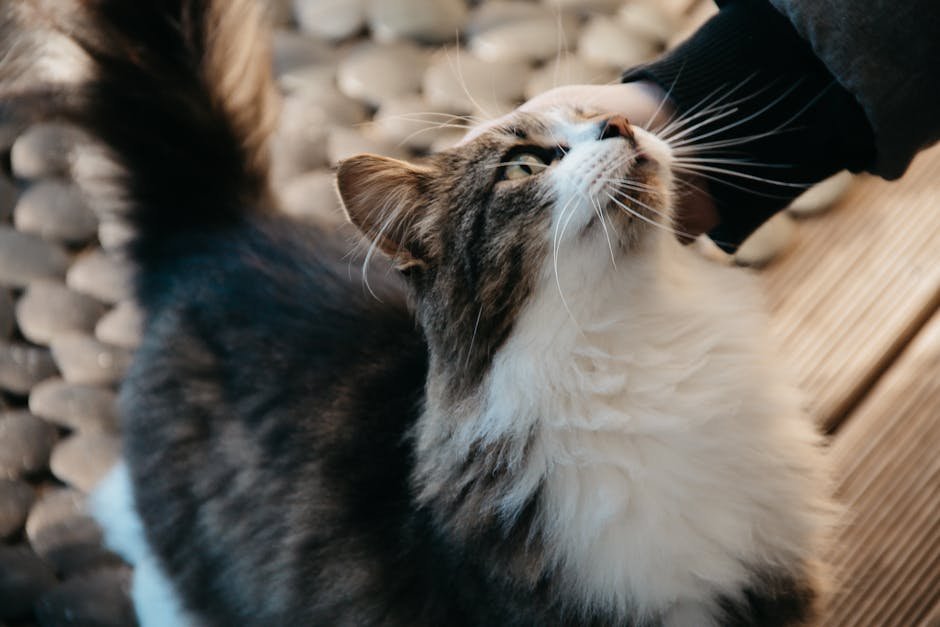
Have you ever noticed how your cat seems to take charge during grooming time? Cats don’t just clean themselves—they show a special kind of confidence and control when they groom.
Understanding this grooming dominance can change the way you see your furry friend’s behavior. You’ll discover why your cat grooms the way it does and what it means for your relationship. Ready to learn the secrets behind your cat’s grooming habits?
Keep reading—you’ll be surprised by what you find out.
Grooming As A Social Tool
Cats use grooming not only to clean themselves but also to connect with others. This act helps them build social bonds and show their place in the group. Grooming works as a silent language among cats, expressing care and respect. It also helps reduce stress and keeps peace within the group. Understanding this social tool gives insight into cat behavior and their relationships.
Role In Feline Hierarchies
Grooming often shows who is in charge. Higher-ranking cats usually groom lower-ranking ones. This action reinforces the social order. Subordinate cats accept this behavior to avoid conflict. Grooming helps maintain balance and reduces fights. It acts as a peaceful way to show dominance without aggression.
Bonding And Trust Building
Grooming strengthens friendships among cats. Cats groom those they trust and feel close to. This behavior creates a sense of safety and comfort. It also lowers tension and builds mutual respect. Grooming sessions can last several minutes, showing deep connection. Cats that groom each other often live in harmony.
Dominance Signals In Grooming
Grooming between cats is more than just a way to stay clean—it’s a subtle conversation about social order. When one cat grooms another, it often sends clear dominance signals that you might not immediately notice. Understanding these signals can help you read your cat’s social dynamics and behavior better.
Initiation And Acceptance
Dominance starts with who initiates grooming. Typically, the cat that begins grooming is the one asserting control or higher status. If your cat approaches another and starts licking or cleaning, it’s a sign they are trying to establish or maintain dominance.
But acceptance is just as important. If the other cat stays still and allows grooming, it’s a sign of submission or acceptance of the social rank. On the other hand, if the grooming is resisted or ignored, it could indicate tension or a challenge to that dominance.
Have you ever noticed your cat insistently grooming a housemate who tries to walk away? That persistence is a direct message about their place in the hierarchy.
Body Language Cues
Watch closely for body language during grooming sessions; it tells you volumes about dominance and submission. The dominant cat often holds a relaxed but confident posture, with ears forward and tail steady.
The submissive cat might crouch slightly, avoid eye contact, or even expose vulnerable areas like their neck or belly. These nonverbal cues show they accept the dominant cat’s role.
Tail twitching, ear flicks, or sudden movements during grooming often signal discomfort or hesitation. Such signs can hint at shifting dynamics—maybe your cat is questioning their rank.
- Dominant cat:initiates grooming, calm posture, steady gaze
- Submissive cat:passive acceptance, lowered body, avoiding direct eye contact
- Signs of tension:tail flicks, ear flattening, restless movements
Next time you see your cats grooming each other, try to read these signals. What can their behavior tell you about their relationship? Paying attention to these details gives you a deeper understanding of your pets’ social world.
Patterns Of Grooming Behavior
Grooming behavior in cats reveals much about their social structure. Cats use grooming to build bonds and show dominance. Observing their grooming patterns helps understand their relationships. These patterns range from mutual grooming to one-sided acts that signal control.
Reciprocal Vs. One-sided Grooming
Reciprocal grooming happens when cats clean each other equally. This behavior strengthens friendships and trust between them. It shows cooperation and mutual respect.
One-sided grooming occurs when one cat grooms more often than the other. The groomer may be asserting dominance or control. The cat receiving grooming might accept this role or tolerate it.
Frequency And Duration
Frequent grooming sessions usually indicate a strong bond or social hierarchy. Cats that groom often tend to stay close and share space peacefully.
Longer grooming periods can signal comfort and trust. Short or rare sessions might suggest tension or distance between cats.
Influence Of Age And Gender
Age and gender play key roles in cat grooming dominance. These factors shape how cats interact and establish social order. Older cats often have more control over grooming sessions. Male and female cats show different grooming behaviors and roles. Understanding these differences helps reveal the complex social world of cats.
Elders And Grooming Privileges
Older cats usually hold grooming privileges in their groups. They groom younger cats more often than the reverse. This behavior shows respect and acceptance of senior status. Elders use grooming to maintain control and calm the group. Younger cats learn social rules through grooming with elders.
Age often means experience and authority in cat communities. Elders can decide who gets groomed and when. Their grooming actions reduce fights and promote peace. Other cats accept this to avoid conflict. Age creates a natural hierarchy in grooming dominance.
Male And Female Roles
Male and female cats have distinct grooming roles. Females groom more frequently and care for kittens. Their grooming strengthens bonds within family groups. Males groom less but may groom females during mating season. This shows interest and builds trust.
Female cats use grooming to create social ties. Males use grooming to show dominance or affection. Both genders rely on grooming to communicate status. These roles vary by personality and environment. Gender influences grooming style and purpose in cat groups.
Impact On Group Dynamics
Cat grooming dominance plays a key role in shaping group behavior and interactions. It affects how cats communicate, share space, and build relationships. Understanding this impact helps explain their social patterns and tensions.
Conflict Resolution
Grooming dominance often helps resolve conflicts without fighting. Dominant cats may groom others to calm them down. This act shows control and reduces tension quickly. Submissive cats accept grooming to avoid aggression. The exchange prevents many fights and keeps peace in the group.
Maintaining Social Order
Grooming dominance establishes a clear social ranking. Cats recognize the leaders through grooming behaviors. This ranking helps them avoid unnecessary disputes. Dominant cats groom more and receive grooming less. This balance maintains respect and order in the group. It helps all cats know their place and roles.
Comparing Domestic And Wild Cats
Domestic cats and wild cats show distinct grooming behaviors that reflect their lifestyles. Grooming helps cats clean themselves, but it also plays a role in social hierarchy and bonding. Understanding these differences sheds light on how cats communicate and maintain order within their groups.
Grooming In Feral Colonies
Feral cat colonies have complex social structures. Grooming acts as a tool to build trust and reduce tension. Cats often groom those they are close to, creating bonds within the group. Grooming also signals dominance, with higher-ranking cats often receiving more attention. This behavior helps maintain peace and cooperation among colony members.
In these colonies, grooming serves multiple roles:
- Cleaning dirt and parasites
- Strengthening social bonds
- Establishing dominance hierarchy
Feral cats groom selectively, showing clear preferences and social connections.
Behavioral Differences
Wild cats groom mainly for hygiene and survival. Their grooming is quick and practical, focusing on removing dirt and parasites. Social grooming is rare among wild cats, as many live solitary lives. In contrast, domestic cats often groom more leisurely and socially. They may groom their owners or other pets, showing affection.
Domestic cats also use grooming to reduce stress and comfort themselves. Grooming frequency can indicate a cat’s mood or health. Understanding these behavioral differences helps owners better care for their pets and respect natural instincts.
Interpreting Grooming In Multi-cat Homes
Grooming is a common social activity among cats, especially in homes with multiple feline residents. However, not all grooming sessions are equal—some reveal subtle power dynamics. Understanding these interactions helps you spot dominance and maintain harmony in your multi-cat household.
Signs Of Dominance
Dominant cats often initiate grooming and choose where and when it happens. They might focus on grooming the neck or head of another cat, areas harder for cats to reach themselves.
Watch for body language too. A dominant groomer usually holds a relaxed but confident posture, while the cat being groomed may stay still or show submissive signals like lowering its head or avoiding eye contact.
Have you noticed one cat always starting the grooming or one cat rarely grooming others? This might hint at a clear hierarchy in your home.
Managing Grooming Conflicts
Sometimes grooming can lead to tension or even fights, especially if one cat feels overwhelmed or forced. If you see growling or swatting during grooming, step in to separate them calmly.
Make sure each cat has its own space and resources to reduce stress. Separate feeding areas, litter boxes, and resting spots can prevent competition and reduce grooming conflicts.
Encourage positive interactions by praising gentle grooming and redirecting rough behavior with toys or treats. Have you tried observing your cats’ grooming patterns to spot when they need a break or a distraction?
Grooming Beyond Dominance
Grooming among cats often signals more than just dominance. While it can establish social hierarchy, grooming also plays a crucial role in maintaining health and providing emotional comfort. Understanding these layers helps you see your cat’s behavior in a new light and respond to their needs better.
Health And Hygiene Benefits
Grooming keeps a cat’s coat clean and free from dirt and parasites. It prevents matting and reduces shedding around your home, which also helps you manage allergens.
When cats groom each other, they reach areas that are hard to clean alone, like the back of the neck. This mutual grooming improves their overall hygiene and reduces the risk of skin infections.
Have you noticed how your cat’s fur looks shinier after a grooming session? That’s because grooming spreads natural oils across the fur, keeping it healthy and waterproof.
Emotional Comfort
Grooming is a way for cats to bond and feel secure. When your cat grooms you or another cat, it’s a sign they trust and feel safe around that individual.
This act can reduce stress and anxiety. Cats often groom themselves more when they feel nervous, calming their nerves through repetitive motion.
Think about how you might stroke your cat’s fur—this mimics grooming and can comfort them emotionally. Next time your cat grooms you, consider it their way of showing affection and offering reassurance.
Frequently Asked Questions
Why Do Cats Groom Each Other?
Cats groom each other to establish social bonds and show affection. This behavior, known as allogrooming, helps strengthen relationships within a group. It also helps them to maintain cleanliness by removing loose fur and dirt. Dominance can sometimes be displayed through grooming, indicating social hierarchy among cats.
Is Grooming A Sign Of Dominance In Cats?
Yes, grooming can be a sign of dominance in cats. In multi-cat households, dominant cats may groom subordinates to reinforce their status. This behavior helps establish social hierarchy and maintain peace. However, it is often a mutual act of trust and friendship between cats.
How Can Grooming Affect Cat Relationships?
Grooming significantly impacts cat relationships by building trust and strengthening bonds. It helps establish and maintain social hierarchy. Mutual grooming shows affection and reduces tension in multi-cat households. By engaging in grooming, cats communicate comfort, security, and companionship, fostering a harmonious environment.
Do All Cats Groom Each Other?
Not all cats groom each other. Grooming is more common among cats with strong social bonds. Cats that are unfamiliar or less friendly may not engage in grooming. Grooming is influenced by individual personalities, social dynamics, and the environment in which the cats live.
Conclusion
Cats use grooming to show who is in charge. This behavior helps them build trust and keep peace. Watching how cats groom each other reveals their social bonds. Understanding these signs helps you care for cats better. Respect their signals to keep harmony at home.
Cats express feelings through grooming, not just cleaning. This simple act holds much meaning in their world. Observing grooming can deepen your connection with your pet. A calm and happy cat grooms with confidence and care.
