

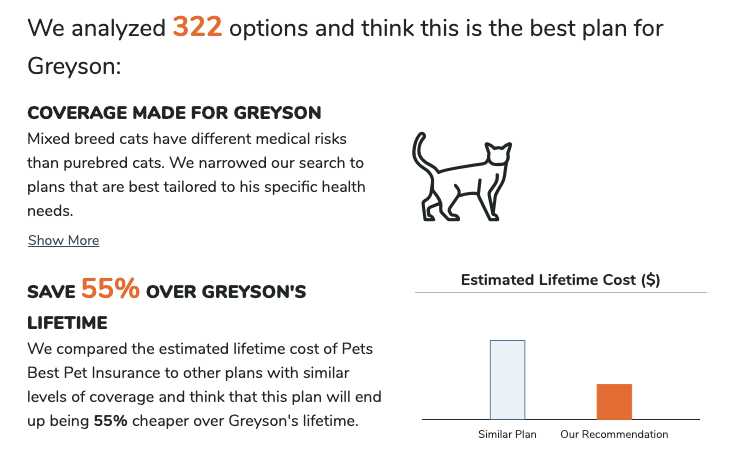
If your cat has a health issue that started before you got insurance, you might wonder if you can still get help with the costs. Cat insurance for pre-existing conditions can be tricky, but it’s not impossible.
You want to make sure your furry friend gets the care they need without breaking the bank. You’ll discover what options are available, how to choose the right plan, and what you need to watch out for. Keep reading to learn how to protect your cat and your wallet, even when dealing with pre-existing conditions.
Credit: www.embracepetinsurance.com
Cat Insurance Basics
Cat insurance helps protect your pet from unexpected health costs. It covers vet visits, treatments, and sometimes routine care. Understanding the basics helps you choose the right plan for your cat. This is important, especially if your cat has pre existing conditions. Knowing how coverage works can save money and stress in the future.
Types Of Coverage
Cat insurance usually offers several types of coverage. Each plan varies in what it pays for. Here are the common types:
- Accident Only:Covers injuries from accidents like falls or bites.
- Illness Coverage:Pays for sicknesses such as infections or chronic diseases.
- Comprehensive Coverage:Includes accidents, illnesses, and sometimes routine care.
- Wellness Plans:Covers vaccinations, checkups, and preventive care.
Choosing coverage depends on your cat’s health and your budget.
How Policies Work
Most cat insurance policies work by reimbursing vet bills. You pay the vet first, then submit a claim. The insurer sends you money based on the policy terms. Policies have limits and deductibles to understand.
- Deductible:The amount you pay before insurance helps.
- Reimbursement Rate:The percentage of the bill the insurer covers.
- Coverage Limit:The maximum amount the insurer pays per year or illness.
Pre existing conditions may have special rules or exclusions. Always read policy details carefully. This knowledge helps avoid surprises and ensures your cat gets care.
Pre Existing Conditions Explained
Understanding pre existing conditions is crucial when you’re considering cat insurance. These conditions are health issues your cat had before you got the insurance policy. Knowing what counts as a pre existing condition can help you avoid surprises when you need to make a claim.
Common Conditions In Cats
Many cats develop health issues that insurers often classify as pre existing. Some of the most frequent ones include:
- Diabetes:Cats with diabetes require ongoing treatment and monitoring.
- Arthritis:Older cats often suffer from joint pain and stiffness.
- Allergies:Skin and food allergies are common in many cats.
- Kidney Disease:Chronic kidney problems are prevalent, especially in senior cats.
If your cat has been diagnosed with any of these conditions before you apply for insurance, it’s likely they’ll be considered pre existing.
Impact On Insurance
Pre existing conditions can significantly affect your cat’s insurance coverage. Most insurance providers exclude these conditions from coverage, meaning any treatment related to them won’t be reimbursed.
You might find some insurers offer partial coverage or exclude only certain treatments related to the condition. However, these plans tend to be more expensive or come with strict limits.
Think about it: Would you want to pay high premiums but still have to cover costly treatments out of pocket for your cat’s ongoing health issues? Understanding the impact helps you choose the right plan and manage your expectations.
Insuring Cats With Pre Existing Conditions
Finding insurance for a cat with pre existing conditions can feel like a challenge. Many pet owners worry that their furry friend’s health history might limit their options or lead to high costs. However, understanding how insurers handle pre existing conditions can help you make informed choices that protect your cat without breaking the bank.
Policy Options
Not all pet insurance policies are the same when it comes to pre existing conditions. Some insurers offer limited coverage specifically designed for cats with known health issues. These policies might cover new illnesses and injuries but exclude conditions your cat had before the policy started.
You might find plans that offer partial coverage or cover chronic conditions after a certain period. It’s worth comparing what each policy covers and how much you will pay in premiums. Have you checked if your cat’s current condition is classified as curable or incurable? This often affects policy acceptance.
Waiting Periods
Waiting periods are a crucial factor to consider. Even if a policy covers your cat’s pre existing condition, there’s often a waiting period before coverage kicks in. This period can range from a few days to several weeks.
During this time, treatment for the condition typically won’t be reimbursed. Think about your cat’s immediate health needs and whether you can manage potential out-of-pocket expenses during this waiting time. Do you have a financial cushion for unexpected vet bills?
Exclusions To Expect
Most pet insurance policies exclude coverage for pre existing conditions, but the exact exclusions vary. Common exclusions include any illness or injury your cat showed signs of before the policy started. This might cover ongoing treatments, medications, or surgeries related to those conditions.
Some insurers might also exclude hereditary or congenital conditions, even if they appear later. Always read the fine print carefully and ask questions about what is and isn’t covered. Knowing these exclusions upfront prevents surprises when you need care the most.
Choosing The Right Policy
Choosing the right cat insurance policy for pre-existing conditions can feel overwhelming. You want to make sure your cat gets the best care without breaking the bank. Understanding how to compare policies, what features matter most, and how costs stack up will help you make a smart decision.
Comparing Providers
Not all insurance companies treat pre-existing conditions the same way. Some may exclude coverage entirely, while others offer limited protection or waiting periods. Look beyond the price and check the fine print on how each provider defines and handles pre-existing conditions.
Read customer reviews and ask pet owners in forums about their experiences. Have you found a provider who covered your cat’s chronic illness? That insight can save you time and frustration.
Key Policy Features
Focus on features that directly affect your cat’s condition. Does the policy cover ongoing treatments, medications, and specialist visits? Are there limits on yearly payouts or specific exclusions?
Consider policies that offer wellness coverage or reimbursement options for vet visits related to pre-existing issues. These extras can make a real difference when managing a long-term condition.
Cost Considerations
Price matters, but cheaper isn’t always better. Policies with low premiums might have high deductibles or limited coverage for pre-existing conditions. Calculate your potential out-of-pocket costs based on your cat’s health needs.
Ask yourself: Can you afford higher monthly payments if it means better coverage? Or would a higher deductible with lower premiums work better for your budget? Balancing cost against coverage ensures you’re prepared for unexpected vet bills.
Claims Process For Pre Existing Conditions
Understanding the claims process for cat insurance covering pre existing conditions helps pet owners manage expectations. These claims often require extra attention and documentation. Knowing the steps improves the chance of a smooth and successful claim.
Filing Claims
Start by checking your insurance policy for coverage details on pre existing conditions. Gather all medical records related to your cat’s condition. Submit a completed claim form along with these documents. Keep copies of everything you send for your records. Some insurers allow online claims submission for faster processing.
Common Challenges
Insurers often exclude or limit coverage for pre existing conditions. Proof that the condition existed before the policy start date may cause claim denial. Delays can happen if the paperwork is incomplete or unclear. Misunderstandings about what is covered also create issues. Patience and careful attention to details are essential.
Tips For Approval
- Provide clear, detailed medical history from your vet.
- Use the insurer’s recommended forms and follow instructions.
- Respond promptly to any requests for more information.
- Keep records organized and easy to access.
- Consult the insurer about your cat’s coverage before treatment.

Credit: www.reddit.com
Alternatives To Traditional Insurance
If your cat has a pre-existing condition, traditional insurance might seem like a dead end. Many standard policies exclude coverage for illnesses or injuries diagnosed before you sign up. Luckily, there are other ways to protect your furry friend and manage vet costs without relying solely on conventional insurance plans.
Wellness Plans
Wellness plans offer a straightforward way to budget for your cat’s routine care. These plans typically cover vaccinations, flea control, dental cleanings, and annual checkups. While they don’t cover accidents or illnesses, they help you stay on top of preventive care, which can reduce the risk of costly health issues later.
Think about it: regular vet visits caught a dental problem early in my cat, saving me hundreds in treatment. Wouldn’t you want to catch issues before they escalate? Wellness plans often come with affordable monthly payments, so you can spread out expenses and avoid surprise bills.
Pet Savings Accounts
Another alternative is setting up a pet savings account dedicated to your cat’s medical needs. This option gives you full control over how much you save and when you spend. It’s a simple way to build a financial cushion for emergencies or ongoing treatment without the restrictions of insurance policies.
You might wonder if saving on your own can keep up with unexpected vet bills. It can, especially if you start early and add a fixed amount regularly. Plus, you avoid dealing with claim denials or waiting periods, which can be frustrating when your cat needs care immediately.
By combining wellness plans with a pet savings account, you create a safety net tailored to your cat’s specific needs. What’s your plan for managing the health costs of a cat with a pre-existing condition?
Tips For Managing Your Cat’s Health Costs
Managing your cat’s health costs can feel overwhelming, especially with pre-existing conditions. Planning ahead helps reduce stress and unexpected bills. Taking simple steps keeps your cat healthier and your wallet safer.
Preventive Care
Regular vet visits catch health issues early. Vaccinations protect your cat from serious diseases. Dental care prevents infections that cause pain and high costs. Feeding a balanced diet supports your cat’s immune system. Exercise keeps your cat fit and less prone to illness.
Budgeting For Emergencies
Set aside money monthly for sudden vet bills. Keep an emergency fund separate from daily expenses. Track your spending on pet care to plan better. Review your cat insurance policy to understand what it covers. Knowing your options helps you act quickly during emergencies.
Credit: www.lemon8-app.com
Frequently Asked Questions
What Is Cat Insurance For Pre-existing Conditions?
Cat insurance for pre-existing conditions covers health issues your cat had before the policy started. It helps with treatment costs but often excludes those specific conditions. Some insurers may offer limited coverage after a waiting period.
Can I Get Coverage For My Cat’s Existing Illness?
Most pet insurers exclude coverage for existing illnesses. However, some companies offer partial or limited coverage after a certain time. Always read policy terms carefully to understand what conditions are covered.
How Does Pre-existing Condition Exclusion Work In Cat Insurance?
Pre-existing condition exclusions mean insurers won’t pay for illnesses diagnosed before coverage began. This protects them from high claims but limits benefits for cats with prior health issues.
Are There Insurance Plans For Cats With Chronic Diseases?
Few insurers provide coverage for chronic diseases if diagnosed after policy start. Some may cover ongoing care but exclude flare-ups linked to pre-existing conditions. Check plans carefully for chronic illness terms.
Conclusion
Choosing cat insurance for pre-existing conditions can protect your pet’s health. Some plans offer partial coverage or waiting periods. Reading the policy details helps avoid surprises later. Caring for a cat with health issues needs extra attention. Insurance can ease unexpected costs and provide peace of mind.
Always compare different options before making a decision. Your cat deserves the best care possible. Taking small steps now can save money and stress later. Keep your furry friend safe and healthy.
