

Are you trying to decide whether to get insurance for your furry friend but wondering which pet costs more to insure—dogs or cats? You want to make the best choice for your wallet and your pet’s health.
Understanding the real differences in insurance costs can save you money and stress down the road. Keep reading, and you’ll discover surprising facts that will help you protect your beloved companion without breaking the bank.
Insurance Basics For Pets
Understanding pet insurance basics helps pet owners make smart choices. Insurance protects pets from unexpected health costs. It offers peace of mind and financial support. Knowing what insurance covers and costs is key before buying a plan.
Types Of Pet Insurance
Pet insurance comes in various types. Each type covers different needs and expenses. Here are common types:
- Accident-Only Insurance:Covers injuries from accidents like broken bones or bites.
- Illness Insurance:Covers diseases and sicknesses such as infections or cancer.
- Comprehensive Insurance:Combines accident and illness coverage for broader protection.
- Wellness Plans:Covers routine care like vaccinations and check-ups, often sold separately.
Coverage Options For Dogs And Cats
Dogs and cats have different health needs. Insurance plans may vary to suit these differences. Common coverage options include:
- Emergency Care:Treatment for sudden injuries or serious illness.
- Chronic Conditions:Coverage for ongoing illnesses like diabetes or arthritis.
- Hereditary and Congenital Issues:Some breeds have genetic problems covered by insurance.
- Prescription Medications:Helps pay for medicine prescribed by a vet.
- Dental Care:Coverage for dental issues varies between dogs and cats.
Factors Influencing Pet Insurance Costs
Understanding what affects the cost of insuring your dog or cat can help you make smarter choices. Insurance premiums vary widely based on several key factors. Knowing these can help you find the best coverage without overspending.
Age And Breed Considerations
Older pets usually cost more to insure. As pets age, they become more prone to illnesses and injuries, leading to higher claims. Younger pets, on the other hand, often get lower premiums because they are generally healthier.
Breed plays a big role too. Some dog breeds like Bulldogs or German Shepherds are more prone to genetic health issues, which pushes up insurance costs. Cats tend to have fewer breed-specific problems, but certain breeds like Siamese or Persian may still carry higher premiums.
Health And Pre-existing Conditions
Your pet’s current health status directly impacts insurance costs. If your dog or cat has pre-existing conditions, insurers often exclude coverage or raise premiums significantly. This can surprise many pet owners who didn’t expect their furry friends’ past health issues to affect the price.
Regular vet visits and maintaining good health can help keep insurance affordable. Some insurers offer wellness plans that encourage preventive care, potentially lowering your overall expenses.
Geographical Impact On Premiums
Where you live influences pet insurance costs more than you might think. Urban areas with higher vet fees usually mean higher premiums. Rural locations often have lower costs but fewer vet options.
Crime rates and local regulations also matter. Areas with higher theft or pet-related incidents may see increased insurance rates. Ask yourself: does your neighborhood’s environment add hidden costs to your pet’s insurance?
Comparing Dog And Cat Insurance Costs
Understanding insurance costs for dogs and cats helps pet owners plan better. Insurance prices vary by type of pet and their health needs. Comparing these costs highlights key differences and what affects the price.
Average Premiums For Dogs
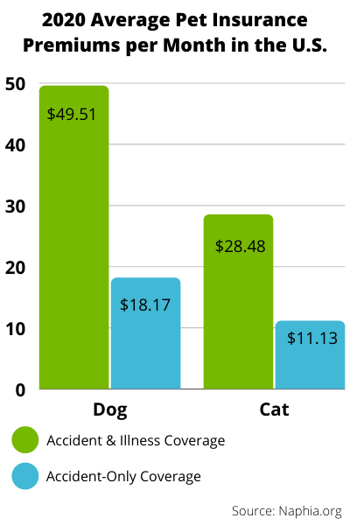
Dog insurance tends to cost more than cat insurance. Large breeds often have higher premiums due to health risks. Small dogs may cost less but still more than cats on average. Factors like breed, age, and location influence the price.
Average Premiums For Cats
Cat insurance usually has lower monthly premiums than dogs. Cats face fewer health risks that require expensive care. Indoor cats often have cheaper rates than outdoor cats. Age and breed also play a role in pricing.
Common Medical Expenses
Both dogs and cats need coverage for accidents and illnesses. Dog medical costs rise with injuries from active lifestyles. Cats often need treatment for chronic conditions like kidney disease. Vaccinations, dental care, and surgeries are common expenses for both pets.

Credit: www.usnews.com
Additional Costs Beyond Insurance
Insurance is a crucial factor when budgeting for your pet, but it’s not the only expense you’ll face. Understanding the additional costs beyond insurance helps you prepare for the true financial commitment of owning a dog or cat. These extra costs can vary widely depending on your pet’s needs and lifestyle.
Routine Care And Preventive Treatments
Routine care includes vaccinations, flea and tick prevention, and regular vet check-ups. These costs can add up quickly over the years. For example, dogs often need more frequent vaccinations and larger doses of medication, which may increase your spending.
Preventive treatments like dental cleanings and parasite control are essential but sometimes overlooked. You might find cats require fewer preventive visits, but their dental care can be pricey if ignored. Are you budgeting enough for these routine but necessary expenses?
Emergency And Specialized Care
Unexpected emergencies can hit your wallet hard, no matter if you have a cat or dog. Accidents, sudden illnesses, or chronic conditions often require specialized care that insurance may only partially cover.
Dogs tend to have more injuries from active lifestyles, leading to surgeries or specialist visits. Cats, on the other hand, might need specialized treatment for chronic kidney issues or feline-specific diseases.
Think about your pet’s breed and lifestyle—could they be more prone to emergencies? Preparing an emergency fund beyond insurance can save you stress and financial strain later.
Tips To Lower Pet Insurance Expenses
Lowering pet insurance costs doesn’t mean you have to cut corners on coverage. Smart choices can make a big difference in what you pay monthly and at claim time. Let’s look at some practical ways to keep your expenses manageable without sacrificing your pet’s well-being.
Choosing The Right Plan
Not every pet insurance plan fits every pet or owner. Think about your pet’s age, breed, and health history before picking coverage. Sometimes a plan with a higher deductible but lower monthly premium works best, especially if your pet is young and healthy.
Look closely at what each plan covers. Does it include routine care, like vaccinations and dental cleanings? Or just accidents and illnesses? Choosing a plan that matches your pet’s needs can save you money over time.
Discounts And Multi-pet Policies
Many insurers offer discounts that you might not be aware of. For example, some provide lower rates if your pet is spayed or neutered. Others give discounts for paying annually instead of monthly.
If you have more than one pet, check if the company offers multi-pet policies. Bundling your pets under one plan often reduces the total cost. Have you asked your insurer if they reward loyalty or have seasonal promotions? These small savings add up quickly.

Credit: bowwowinsurance.com.au
Credit: www.grandviewresearch.com
Frequently Asked Questions
Which Pet Is Cheaper To Insure, Dogs Or Cats?
Cats generally cost less to insure than dogs. They have fewer health issues and lower accident risks. Insurance premiums for cats tend to be lower, making them more affordable for most pet owners.
What Factors Affect Pet Insurance Costs For Dogs And Cats?
Age, breed, health history, and coverage level impact insurance costs. Dogs usually have higher premiums due to breed-specific illnesses. Cats often have fewer breed-related issues, resulting in lower insurance rates.
Do Breed Types Influence Pet Insurance Prices?
Yes, breed types greatly affect insurance costs. Some dog breeds have higher risks of health problems. Cat breeds usually have fewer costly conditions, making their insurance premiums more affordable.
Are Accident-only Insurance Plans Cheaper For Pets?
Accident-only plans are typically cheaper for both dogs and cats. They cover injuries but exclude illnesses, reducing premiums. These plans suit healthy pets with low illness risks and owners seeking basic coverage.
Conclusion
Pet insurance costs vary by many factors. Dogs often cost more due to breed and health risks. Cats usually have fewer health issues and lower premiums. Age, location, and coverage also affect prices a lot. Choose a plan that fits your budget and pet’s needs.
Insurance helps with unexpected vet bills and peace of mind. Think about your pet’s health history before deciding. Protect your furry friend wisely and enjoy many happy years together.
