

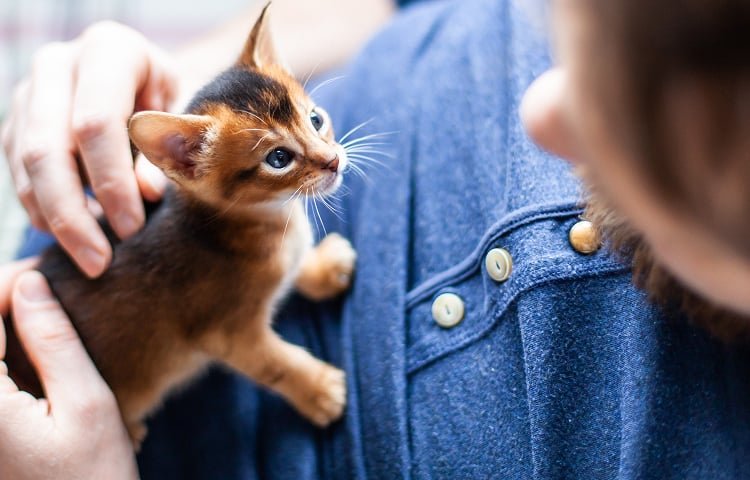
You love your cat like family, and keeping them safe is always on your mind. But have you ever thought about what would happen if your furry friend suddenly got sick or injured?
That’s where insuring your cat comes in. Imagine having peace of mind knowing that unexpected vet bills won’t derail your budget. You’ll discover why cat insurance might be one of the smartest choices you make for your pet’s health and your wallet.
Keep reading to learn how to protect your beloved companion without breaking the bank.

Credit: www.reddit.com
Why Insure Your Cat
Deciding to insure your cat is a step that protects both your furry friend and your peace of mind. Cats are curious creatures, and their unpredictable nature means health issues can arise unexpectedly. You might wonder if insurance is worth it, but understanding the benefits can help you make a confident choice.
Benefits Of Cat Insurance
Cat insurance offers more than just financial coverage. It gives you access to timely veterinary care without hesitation about costs. When your cat needs treatment, insurance can cover:
- Accidents and injuries
- Chronic illnesses and hereditary conditions
- Routine care, depending on the plan
This means you can focus on your cat’s recovery rather than worrying about expensive vet bills. Imagine being able to say “yes” to treatments that could save your cat’s life without a second thought.
Common Health Risks
Cats face various health risks that insurance can help manage. Some common issues include:
- Dental disease, which affects over 80% of cats over three years old
- Kidney disease, especially in older cats
- Accidents like falls or fights that can lead to fractures or wounds
- Infections and chronic conditions such as diabetes or asthma
Would you recognize the early signs of these problems? Insurance encourages regular vet visits, helping catch issues before they become severe.
Cost Savings In Emergencies
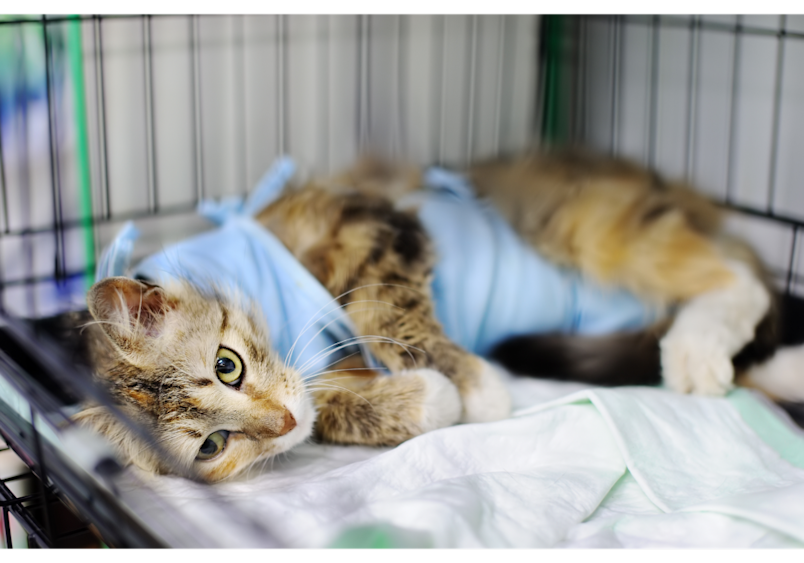
Emergency vet visits can quickly become costly. A broken bone or sudden illness might require surgery, diagnostics, and extended care. These bills can run into thousands of dollars unexpectedly.
Having insurance means you won’t have to choose between your cat’s health and your finances. Instead of stressing over the cost, you can focus on getting your cat the urgent help they need. Think about the last time you faced an unexpected expense—how much easier would it have been with coverage?
Types Of Cat Insurance Plans
Cat insurance plans come in different types to cover various needs. Choosing the right plan helps protect your cat’s health and your wallet. Each plan offers unique benefits and focuses on different aspects of care.
Understanding these options makes it easier to pick the best fit for your cat’s lifestyle and health risks.
Accident-only Coverage
This plan covers injuries caused by accidents, like falls or car accidents. It pays for emergency care, surgeries, and treatments related to accidents. It does not cover illnesses or routine care. This plan is often cheaper but offers limited protection.
Comprehensive Health Plans
These plans cover accidents and illnesses, including chronic conditions. They pay for diagnostics, treatments, surgeries, and hospital stays. Some plans also cover hereditary and congenital conditions. This option offers broad protection for unexpected health issues.
Wellness And Routine Care
This plan focuses on preventive care to keep cats healthy. It covers vaccinations, flea and tick treatments, and annual exams. Some plans pay for dental cleanings and spaying or neutering. This type helps catch problems early and maintain good health.
Choosing The Right Policy
Choosing the right policy for your cat is important. The right coverage protects your pet and your wallet. It helps you avoid surprises during emergencies. Understanding key factors can guide you to the best decision.
Coverage Limits And Exclusions
Check coverage limits carefully. These limits show the maximum amount the insurer will pay. Some policies have annual or per-incident caps. Know what types of treatment are included.
Exclusions are treatments or conditions not covered. Common exclusions include pre-existing illnesses and routine care. Read the policy’s fine print to avoid unwelcome surprises.
Premiums And Deductibles
Premiums are the amount you pay regularly for insurance. Deductibles are the costs you cover before the insurer pays. Lower premiums often mean higher deductibles and vice versa.
Balance premiums and deductibles based on your budget. Consider how often your cat might need care. A cheaper premium might lead to higher out-of-pocket costs later.
Claim Process And Customer Service
Understand how to file a claim quickly and easily. Some insurers offer online claims, speeding up the process. Others may require paperwork or vet visits.
Good customer service helps during stressful times. Look for insurers with positive reviews and quick response times. Supportive service can make a big difference in emergencies.
Factors Affecting Premiums
Understanding what influences your cat’s insurance premium can help you make smarter choices and potentially save money. Premium costs vary widely depending on several key factors that insurers consider carefully. Knowing these can give you a clearer idea of what to expect and how to manage your policy effectively.
Cat’s Age And Breed
Older cats usually cost more to insure because they are more prone to health issues. If your cat is a kitten, you might enjoy lower premiums, but those rates tend to rise as your pet ages.
Breed also plays a big role. Some breeds have genetic conditions that require frequent vet visits. For example, Persian cats often face respiratory problems, which can increase premiums. Have you checked if your cat’s breed is considered high-risk by insurers?
Pre-existing Conditions
Pre-existing health issues can significantly raise your premium or even lead to denial of coverage. If your cat has a history of allergies or chronic illnesses, insurers see this as a higher risk.
It’s important to disclose all health information honestly. Trying to hide existing problems might save money upfront, but it could lead to denied claims later. Would you want to be stuck paying expensive vet bills alone because of non-disclosure?
Lifestyle And Environment
Your cat’s lifestyle affects premiums more than you might think. Indoor cats usually have lower premiums because they face fewer dangers like accidents or infectious diseases.
Outdoor cats, or those living in busy urban areas, are exposed to more risks, which can push premiums up. Do you know how your cat’s daily routine impacts your insurance costs? Simple changes, like keeping your cat indoors, might reduce expenses over time.
Tips For Filing Claims
Filing an insurance claim with Insure Cat can feel overwhelming, but a few smart moves can make the process smoother and faster. Knowing exactly what to prepare and when to act helps you avoid common pitfalls. Here are some practical tips to help you handle your claim efficiently and get the best outcome.
Documentation Needed
Gathering the right documents is your first step. Keep records like your insurance policy, receipts for any damages or repairs, photos of the incident, and any communication with service providers.
Imagine losing your phone and needing to prove its value. Without a purchase receipt or photos, your claim might get delayed or reduced. Make a checklist of documents before you start the claim to save time and stress.
Timely Submission
Submitting your claim quickly can speed up processing and avoid denial. Insure Cat usually requires claims within a specific time frame after the incident.
If you wait too long, you might miss crucial deadlines. Think about how waiting even a week can cause you to lose important evidence or forget key details. Act promptly to keep your claim on track.
Maximizing Reimbursement
To get the full benefit of your insurance, be clear and thorough in your claim description. Detail the incident, the extent of damage, and any steps you took afterward.
Don’t hesitate to ask questions if something isn’t clear. Sometimes, small missed details can cost you money. Would you rather settle for less or take the extra time to ensure full reimbursement?
Common Myths About Cat Insurance
Many cat owners hesitate to get insurance because of common myths that cloud their judgment. These misconceptions can stop you from protecting your furry friend in unexpected situations. Let’s clear up some of the most frequent misunderstandings about cat insurance so you can make a confident choice for your pet’s health and your peace of mind.
It’s Too Expensive
Many people think cat insurance costs a fortune, but that’s not always true. Plans come in various levels, letting you pick one that fits your budget. Sometimes, the monthly fee is less than the price of a single vet visit.
Think about the costs if your cat suddenly needs surgery or treatment for a chronic illness. Wouldn’t it be better to have coverage that eases those expenses? Insurance can actually save you money over time by avoiding large, unexpected bills.
Cats Don’t Need Insurance
You might believe cats are low-maintenance and rarely get sick. While cats are generally good at hiding pain, they still get injured or develop illnesses. Without insurance, you might hesitate to seek care because of cost.
I once delayed a vet visit for my cat because I worried about the bill. It turned out to be a minor issue, but it could have been serious. Insurance gives you the freedom to act quickly without financial stress.
Insurance Covers Everything
It’s a mistake to think cat insurance pays for every expense. Most policies have limits and exclude certain conditions, like pre-existing illnesses or routine care. Reading the fine print helps you understand what’s covered and what’s not.
Ask yourself: Are you prepared for out-of-pocket costs? Knowing the details ensures you pick a plan that fits your needs and avoids surprises when you file a claim.
Top Cat Insurance Providers
Choosing the right cat insurance provider can make a significant difference in how you manage unexpected vet bills and routine care costs. The market offers a variety of options, each with unique plans and benefits tailored to different needs. Understanding these providers helps you find the best fit for your cat’s health and your budget.
Provider Comparisons
Not all cat insurance providers offer the same coverage or pricing. Some focus on comprehensive plans that cover accidents, illnesses, and even wellness visits. Others may offer more affordable premiums but with limited coverage options.
Look closely at deductibles, reimbursement levels, and exclusions. For example, Healthy Paws offers unlimited lifetime coverage, which can be ideal if your cat has chronic conditions. On the other hand, Embrace provides a flexible wellness rewards program that helps with routine care costs.
Comparing these details side-by-side helps you avoid surprises when you file a claim. What features matter most to you—affordability or extensive coverage?
Customer Reviews
Customer feedback reveals how providers handle claims and customer service. Many pet owners praise Trupanion for fast claim processing and clear communication. Others appreciate Nationwide’s coverage options for exotic breeds.
However, some reviews highlight frustrating claim denials or slow reimbursements. These insights can save you from potential headaches.
Reading reviews on multiple platforms can give you a balanced view. Have you checked what other cat owners say about claim turnaround times and support responsiveness?
Unique Features
Some insurers stand out by offering perks beyond basic coverage. For instance, Pets Best includes coverage for alternative therapies like acupuncture and chiropractic care. This can be a game-changer if your cat benefits from holistic treatments.
Others provide multi-pet discounts or cover hereditary conditions without extra charges. These unique features can add real value depending on your cat’s needs.
Consider whether these extras align with your expectations and lifestyle. Could these features influence your decision more than just price or coverage limits?
Credit: www.embracepetinsurance.com
How To Prepare Your Cat For Insurance
Preparing your cat for insurance isn’t just about filling out forms. It’s about making sure your furry friend’s health and lifestyle details are clear and up to date. This helps you get the best coverage and speeds up claims if your cat ever needs medical care.
Health Checkups
Schedule a thorough health checkup before applying for insurance. This gives you a clear picture of your cat’s current health status and flags any existing conditions. Insurers often ask for recent vet reports, so having these ready can make the process smoother.
Think about the last time your cat visited the vet. Did you discuss any concerns or notice changes in behavior? Sharing these details with your vet now can help create a precise health profile for your insurance application.
Vaccinations And Records
Keep all vaccination records organized and up to date. Insurers require proof that your cat has received necessary vaccinations to approve coverage. These records also show that you care for your cat’s health responsibly.
Gather documents like:
- Vaccination certificates
- Previous medical treatments
- Any allergy or medication notes
Having everything in one place saves you time and avoids last-minute scrambles when applying.
Behavior And Lifestyle Notes
Write down your cat’s daily habits and behavior traits. Does your cat spend most of the day indoors or outdoors? Is it social with other pets or shy? Insurers often ask about lifestyle because it affects risk assessment.
Sharing honest details can prevent surprises later. For instance, a cat that roams outside frequently might face different risks than a strictly indoor cat. These notes help tailor the coverage to your cat’s needs.

Credit: www.everypaw.com
Frequently Asked Questions
What Does Cat Insurance Cover?
Cat insurance typically covers accidents, illnesses, surgeries, and sometimes routine care. Coverage varies by plan, so check details carefully.
How Much Does Cat Insurance Cost?
Cat insurance costs range from $10 to $40 monthly. Price depends on coverage, cat’s age, breed, and location.
Is Cat Insurance Worth It?
Cat insurance is worth it if you want financial protection against unexpected vet bills. It offers peace of mind.
Can I Insure An Older Cat?
Yes, many providers insure older cats, but premiums may be higher. Some have age limits or exclusions.
Conclusion
Insuring your cat helps protect their health and your wallet. Vet bills can be costly and sudden. A good insurance plan offers peace and support. It covers accidents, illnesses, and routine care. Choose a policy that fits your needs and budget.
Keep your cat safe and happy with proper care. Taking this step shows you care deeply about your pet. Simple, smart, and helpful for every cat owner.
