

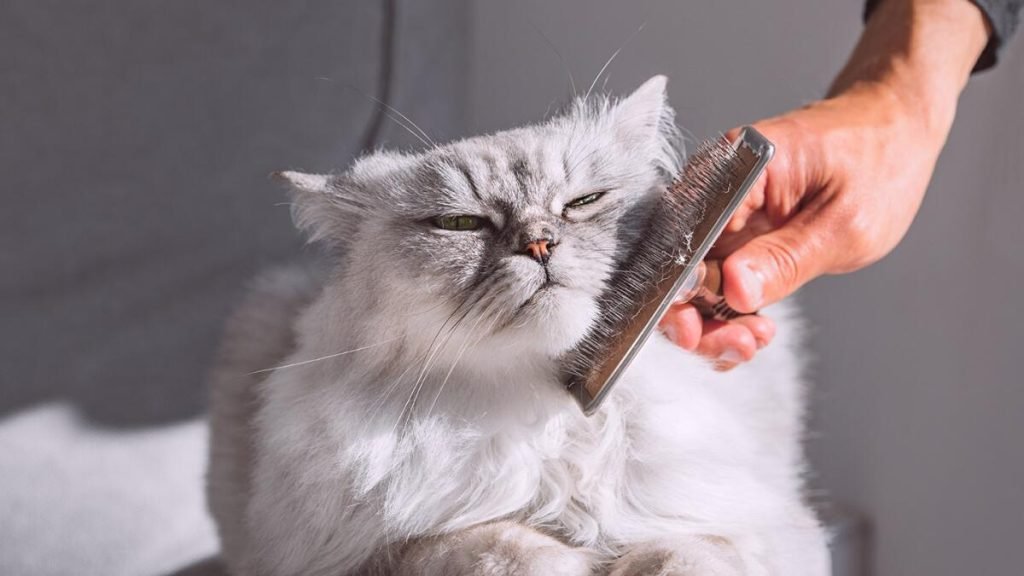
If you want your cat to look and feel its best, grooming is key. But grooming cats isn’t just about keeping them clean—it helps build trust, reduce shedding, and even spot health issues early.
You might think your feline friend won’t enjoy it, but with the right approach, grooming can become a calm and bonding experience for both of you. Keep reading to discover simple tips and tricks that make grooming your cat easier and more enjoyable than you ever thought possible.
Credit: tipptotail.com
Benefits Of Grooming
Grooming your cat is more than just keeping them clean. It has many important benefits for both health and happiness. Regular grooming helps catch problems early and keeps your cat comfortable.
Health Improvements
Grooming removes dirt, dead skin, and loose fur. This lowers the risk of skin infections and irritations. It also helps spot lumps, bumps, or parasites like fleas quickly. Brushing boosts blood circulation, which supports healthy skin and fur. Regular checks during grooming keep your cat in better health.
Bonding With Your Cat
Grooming creates a calm, relaxing time together. It builds trust and strengthens your relationship. Cats enjoy gentle strokes and attention. This quiet time helps your cat feel safe and loved. It also reduces stress for both of you.
Reducing Shedding
Brushing catches loose hair before it falls around your home. This cuts down on hairballs and fur on furniture. Regular grooming controls shedding, keeping your house cleaner. It also helps your cat feel less itchy and more comfortable.

Credit: www.latimes.com
Choosing The Right Tools
Choosing the right grooming tools makes all the difference in keeping your cat comfortable and healthy. Using the wrong brush or clipper can stress your feline friend or even cause harm. Your tools should match your cat’s coat type, nail size, and hygiene needs to make grooming a positive experience for both of you.
Brush Types For Different Coats
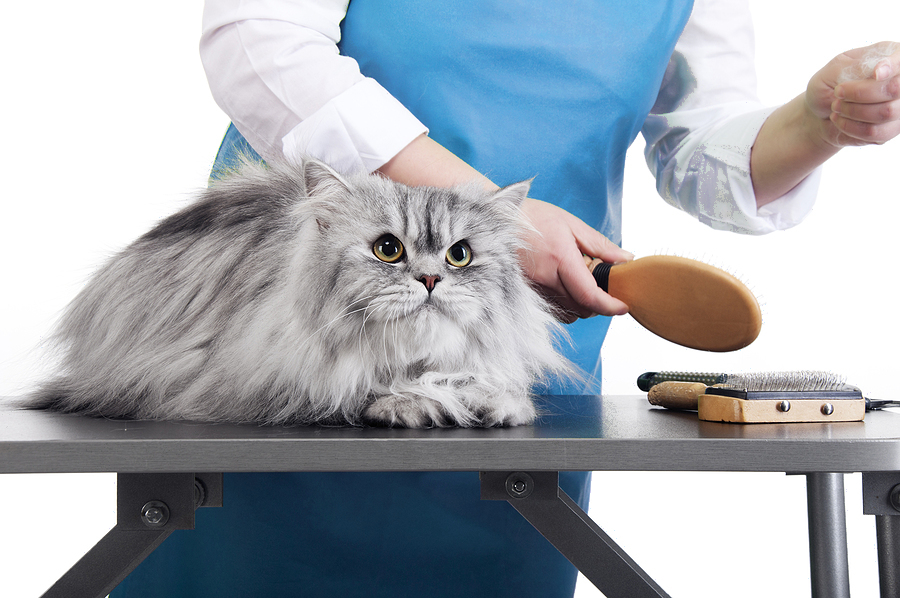
Not all brushes work well for every cat. Short-haired cats often benefit from rubber brushes or bristle brushes that remove loose fur without irritating the skin. Long-haired cats, like Persians or Maine Coons, need slicker brushes or wide-toothed combs to detangle knots gently.
Try different brushes and see how your cat reacts. Does she purr with a soft bristle brush or squirm away? Your cat’s response will guide you to the right choice. Remember, a well-chosen brush reduces shedding and matting, making grooming faster and less stressful.
Nail Clippers And Trimmers
Choosing nail clippers depends on your cat’s nail size and your comfort level. Guillotine-style clippers work well for small to medium nails, offering a clean cut. Scissor-style clippers give you more control, especially for thicker nails.
Many cat owners find a nail grinder helpful for smoothing sharp edges after clipping. It’s quieter and less intimidating for nervous cats. Have you noticed your cat’s reaction to different clippers? Finding a quiet, sharp tool can make nail trimming a quick and calm routine.
Cleaning Supplies
Cleaning tools go beyond brushes and clippers. Keep pet-safe wipes handy for quick fur clean-ups or to wipe tear stains. Ear cleaning solutions designed for cats help prevent infections without causing discomfort.
A gentle toothbrush and cat-specific toothpaste keep your cat’s mouth healthy. Have you ever tried brushing your cat’s teeth? Introducing cleaning supplies gradually can make your cat more accepting and keep hygiene manageable between vet visits.
Brushing Techniques
Brushing your cat is more than just a routine task; it’s a way to connect with your feline friend while keeping their coat healthy and shiny. Knowing the right techniques can make grooming easier for both of you and prevent discomfort or resistance. Let’s look at some practical brushing tips that will help you handle this important part of cat care smoothly.
Frequency And Timing
How often you brush your cat depends on their fur type and activity level. Short-haired cats usually need brushing once a week, while long-haired breeds benefit from daily sessions to prevent mats. Pick a calm time, like after a meal or playtime, when your cat feels relaxed and more cooperative.
Try to keep brushing sessions short but consistent. Even five minutes a day can make a big difference over time. Have you noticed your cat’s mood change after grooming? Watching their reactions can guide you on the best timing.
Handling Sensitive Areas
Cats have spots that are more sensitive, like behind the ears, under the chin, and around the belly. Approach these areas gently to avoid startling your cat. Use a soft brush or your fingers to test their comfort level before using a comb or firmer brush.
If your cat pulls away or shows signs of discomfort, pause and try a different angle or lighter touch. Sometimes, talking softly or offering treats helps your cat stay calm. What tricks have you found effective to soothe your cat during grooming?
Dealing With Mats And Tangles
Mats can be painful and annoying for your cat, so it’s best to tackle them early. Use a detangling spray or a wide-tooth comb to gently work through knots. Hold the base of the fur near the skin to reduce pulling, and be patient as you slowly separate the tangle.
If a mat is too tight, scissors or clippers may be necessary, but only if you’re confident and careful. Otherwise, a professional groomer is the safest choice. Have you ever faced a tough mat? What approach worked best to keep your cat comfortable?
Credit: hellopetsinc.com
Bathing Your Cat
Bathing your cat might seem like a daunting task, but it can be a positive experience with the right approach. Unlike dogs, most cats don’t need frequent baths, yet occasional washing can help with specific issues. Knowing when and how to bathe your cat ensures it stays clean without stress.
When To Bathe
Ask yourself if your cat truly needs a bath. Cats groom themselves well, so bathing is often unnecessary unless they get into something sticky, smelly, or toxic. You might also need to bathe your cat if it has skin conditions or fleas that require medicated shampoos.
Consider your cat’s tolerance too. If your cat hates water, think about alternatives like waterless shampoos or wipes. Sometimes, a bath is unavoidable, but it should be a last resort to avoid stressing your furry friend.
Step-by-step Bathing Process
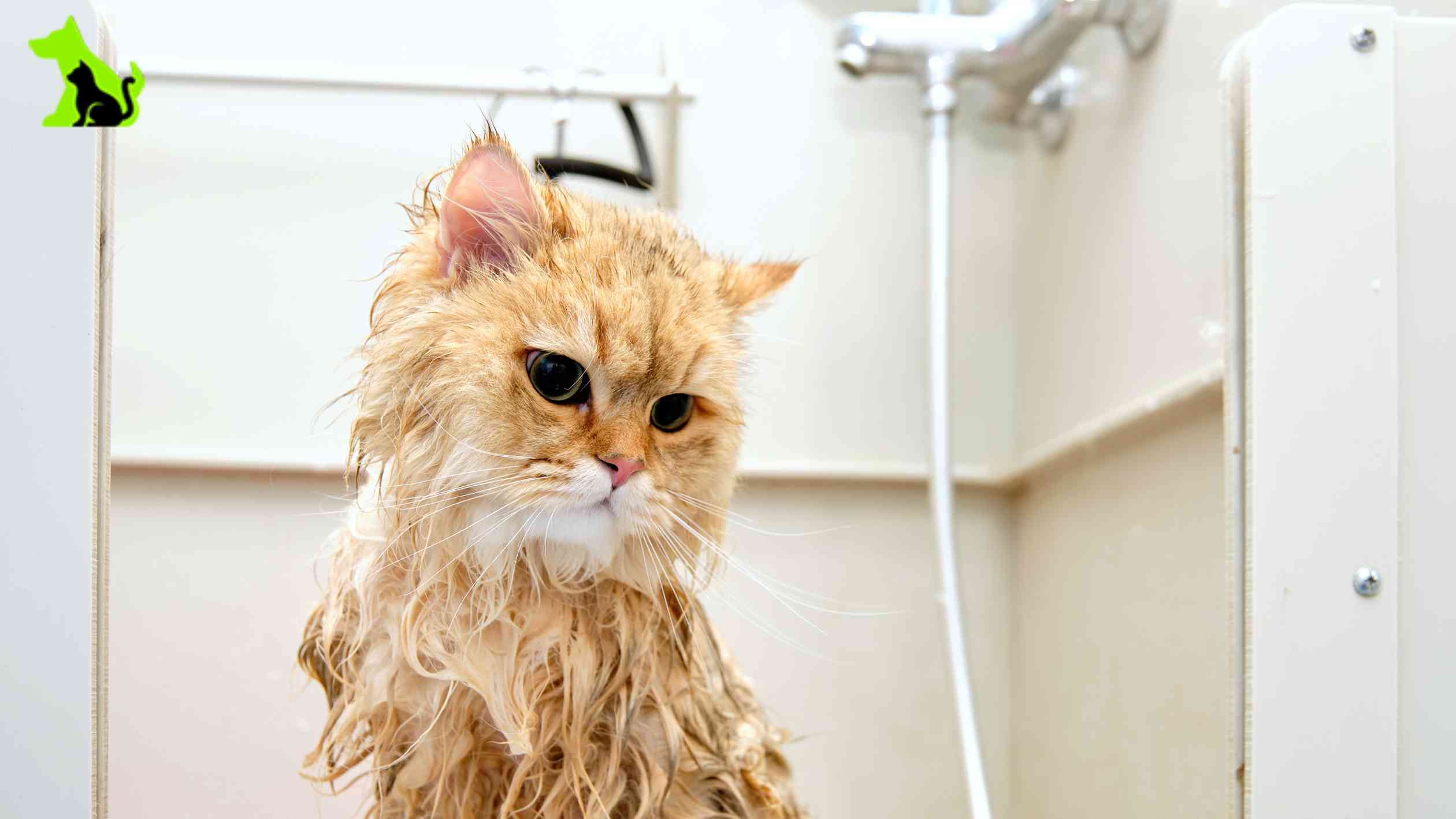
Prepare everything before you start: a shallow tub or sink with warm water, cat shampoo, towels, and a cup for rinsing. Speak softly to your cat to keep it calm and move slowly to avoid sudden scares.
- Gently wet your cat’s fur with lukewarm water, avoiding the eyes and ears.
- Apply a small amount of cat-specific shampoo and lather carefully, focusing on dirty areas.
- Use the cup to rinse off all the shampoo thoroughly to prevent skin irritation.
- Keep talking softly and offer gentle pets to reassure your cat throughout the process.
Have you noticed your cat’s reaction to water before? Knowing your cat’s behavior helps you adjust your technique for a smoother bath.
Drying Tips
After the bath, wrap your cat in a warm towel and gently pat dry. Avoid rubbing vigorously as it can tangle the fur or irritate the skin. If your cat tolerates it, use a hairdryer on the lowest heat and speed setting, keeping it at a safe distance.
Place your cat in a warm room to finish drying naturally. Keep an eye on your cat’s comfort level—if it seems stressed, give it a break and try drying later. Have you tried brushing your cat after the bath? It can help remove loose fur and keep the coat smooth.
Nail Care
Proper nail care is essential for your cat’s health and comfort. Overgrown nails can cause pain and damage to furniture. Regular attention keeps your cat happy and prevents scratches. Understanding how often to trim and safe methods ensures a stress-free experience for both of you.
Trimming Frequency
Most cats need their nails trimmed every 10 to 14 days. Active cats that scratch outdoors may require less frequent trimming. Indoor cats often need more regular care to avoid overgrowth. Watch your cat’s nails for curling or clicking sounds on hard floors. These signs mean it is time for a trim.
Safe Nail Cutting Tips
- Use sharp, cat-specific nail clippers for clean cuts.
- Hold your cat gently but firmly to avoid sudden movements.
- Cut only the white tip of the nail, avoiding the pink quick.
- If unsure, trim small amounts gradually to prevent bleeding.
- Have styptic powder ready to stop any bleeding quickly.
- Reward your cat with treats to create a positive experience.
Alternatives To Trimming
Some cats resist nail cutting, but other options exist. Nail caps can be glued to the claws to prevent scratching damage. Regular use of scratching posts helps wear down nails naturally. Keeping your cat active encourages natural nail filing. Consult your vet for professional trimming if needed.
Ear And Eye Cleaning
Cleaning your cat’s ears and eyes helps keep them healthy and comfortable. Dirt, wax, and discharge can build up and cause problems. Regular cleaning prevents infections and other issues. It also helps you notice any early signs of illness. Gentle care is important to avoid hurting your cat.
Signs Of Infection
- Redness or swelling in ears or around eyes
- Discharge that looks yellow, green, or brown
- Strong or foul smell from ears
- Constant scratching or rubbing of ears or eyes
- Squinting or excessive blinking
- Crust or scabs near the eyes or ear openings
Proper Cleaning Methods
Use a soft cloth or cotton ball for cleaning. Never use cotton swabs inside the ear canal.
For ears, gently wipe the outer area. Avoid pushing deep inside. For eyes, wipe from the corner outward.
Clean one side at a time with a fresh cloth or cotton ball. This prevents spreading dirt or infection.
Products To Use
- Vet-approved ear cleaning solutions for cats
- Saline solution for eye cleaning
- Soft, lint-free cloths or cotton balls
- Avoid alcohol, hydrogen peroxide, or human products
Dealing With Grooming Challenges
Grooming cats can be tricky. Some cats enjoy it, while others resist strongly. Challenges like stress, anxiety, and aggressive behavior often arise during grooming sessions. Understanding these issues helps make grooming easier for both you and your cat. Patience and gentle handling go a long way in overcoming these problems.
Stress And Anxiety Solutions
Stress can make grooming a struggle. Cats may hide or try to escape. Create a calm space with soft lighting and quiet sounds. Use slow movements and speak in a soft voice. Short grooming sessions work better than long ones. Reward your cat with treats or affection after grooming. This builds positive associations.
Handling Aggressive Behavior
Some cats show aggression out of fear or discomfort. Watch for signs like hissing, growling, or swatting. Use a towel to gently wrap your cat if needed. Avoid forcing grooming, as this can increase aggression. Try grooming after playtime when your cat is tired. Keep nails trimmed to reduce scratches during struggles.
When To Seek Professional Help
Persistent grooming issues may need expert attention. Professional groomers know how to handle difficult cats safely. Vets can check for health problems causing grooming resistance. Skin conditions, pain, or arthritis might make grooming painful. Don’t hesitate to ask for help if grooming becomes too hard at home.
Nutrition And Grooming
Nutrition plays a crucial role in your cat’s grooming routine. What your cat eats directly affects the shine, softness, and strength of their fur. You might notice that after changing your cat’s diet, their coat becomes visibly healthier or duller, showing just how connected diet and grooming really are.
Diet’s Impact On Coat Health
Your cat’s coat reflects their overall health, and diet is a big part of that. Foods rich in protein support strong, shiny fur because cats are natural carnivores. If your cat’s diet lacks essential nutrients, their coat might become dry, brittle, or prone to shedding.
Omega-3 and omega-6 fatty acids are especially important. These fats help reduce inflammation and improve skin hydration. You might see less itching and fewer bald patches when these nutrients are included in their food.
Have you ever noticed your cat licking their fur excessively after eating certain foods? This can be a sign of food sensitivities affecting their skin. Paying attention to how your cat’s coat responds to different diets can guide you toward the best feeding choices.
Supplements For Skin And Fur
Sometimes, regular cat food isn’t enough to give your pet the nutrients they need for top coat condition. Supplements can fill nutritional gaps and boost skin and fur health quickly.
- Fish oil:Packed with omega-3 fatty acids, fish oil reduces dryness and supports a glossy coat.
- Biotin:This vitamin strengthens hair follicles and promotes healthy regrowth.
- Zinc:Important for skin repair and immune function, zinc helps prevent flaky skin.
Before adding supplements, consult your vet. Over-supplementing can cause imbalances or health issues. If your cat’s coat is dull or flaky despite a good diet, supplements might be the nudge they need for better skin and fur.
Frequently Asked Questions
How Often Should I Groom My Cat?
Cats should be groomed at least once a week. Long-haired breeds may need daily grooming. Regular brushing removes loose fur and prevents matting.
What Tools Are Best For Grooming Cats?
Use a soft-bristle brush or a grooming comb. Slicker brushes work well for long-haired cats. Choose tools suitable for your cat’s coat type.
Can Grooming Reduce Cat Hair Around The House?
Yes, regular grooming reduces shedding significantly. Brushing removes loose fur before it falls off. This keeps your home cleaner and reduces allergens.
How Do I Make Grooming Comfortable For My Cat?
Start grooming sessions short and gentle. Use treats and praise to create positive associations. Be patient and stop if your cat shows stress.
Conclusion
Grooming cats keeps them healthy and happy every day. It helps remove dirt, loose fur, and prevents hairballs. Regular brushing also builds a strong bond with your cat. Small daily efforts bring big benefits for their skin and coat. Remember to be gentle and patient during grooming sessions.
Your cat will feel calm and loved. Make grooming a fun part of your routine. Healthy cats mean joyful homes. Keep your furry friend clean and comfortable. Simple care shows how much you care.
