

Grooming your cat can be a challenge, especially when they don’t want to stay still. If you’ve ever struggled to trim your cat’s nails or brush their fur, you know how tricky it can be.
Learning how to properly restrain your cat during grooming isn’t just about making the job easier—it’s about keeping your furry friend safe and calm. You’ll discover simple, effective techniques to gently hold your cat so grooming becomes a stress-free experience for both of you.
Keep reading, and you’ll soon feel confident handling your cat with care every time.
Preparing Your Cat
Preparing your cat for grooming is essential for a smooth and stress-free experience. Cats are sensitive creatures, and rushing into grooming without preparation can lead to resistance or anxiety. Taking a little time beforehand to get your cat ready will make the whole process easier for both of you.
Choosing The Right Time
Pick a moment when your cat is naturally calm, like after a meal or a nap. Trying to groom a hyperactive or restless cat often ends in frustration. Have you noticed your cat’s quietest times during the day? Aim for those periods to start your grooming session.
Also, avoid grooming when your cat is hungry or agitated. A well-fed, relaxed cat is more likely to cooperate and stay still.
Setting Up A Calm Space
Find a quiet spot free from loud noises and distractions. This helps your cat focus on the grooming and not on sudden sounds or movements. A familiar area, like a favorite blanket or bed, can make your cat feel secure.
Consider dimming the lights and speaking softly to soothe your cat. Have you tried playing gentle music or using calming sprays? These small touches can reduce stress significantly.
Gathering Grooming Tools
Before you start, collect all the tools you’ll need: a brush suitable for your cat’s fur type, nail clippers, and a soft towel. Having everything within reach prevents unnecessary interruptions that might upset your cat.
- Soft-bristle or slicker brush for removing loose fur
- Gentle nail clippers designed for cats
- Pet-friendly wipes or grooming gloves
- Towel to wrap your cat if needed
Think about your last grooming session—did you have to stop because you forgot something? Preparing your tools in advance helps keep the process calm and continuous.
Credit: www.dhgate.com
Calming Techniques
Calming techniques help keep cats relaxed during grooming. Cats often feel scared or stressed. Using gentle methods can make grooming easier and safer. These techniques reduce anxiety and build trust between you and your cat.
Using Soothing Sounds
Soft, steady sounds help calm cats. Playing gentle music or white noise can lower stress. Avoid loud or sudden noises that frighten cats. Speak softly or hum to create a peaceful environment. Quiet rooms also make cats feel safe.
Applying Pheromone Sprays
Pheromone sprays mimic natural calming scents cats produce. Spraying these around the grooming area can relax cats quickly. Use sprays 10-15 minutes before grooming starts. These scents help reduce fear and aggression. They are safe and easy to use.
Gentle Touch And Voice
Touch your cat with soft, slow strokes. Avoid quick or rough movements. Speak in a calm, steady voice to reassure your cat. Pet areas your cat likes, such as the head or back. This builds comfort and lowers stress during grooming.
Safe Restraint Methods
Restraint is important for grooming cats safely and calmly. Proper restraint prevents injury to both the cat and the groomer. Using gentle methods helps reduce stress and makes grooming easier.
Safe restraint focuses on keeping the cat secure without causing fear or discomfort. Choose techniques that allow control while respecting the cat’s space. These methods help maintain calmness during grooming sessions.
Towel Wrap Technique
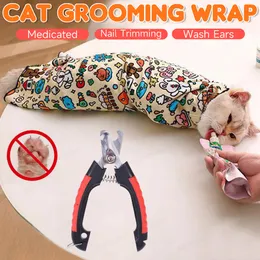
The towel wrap is a simple way to hold a cat during grooming. Use a soft, large towel to gently wrap the cat’s body. Leave the head exposed for easy access to the face and ears.
- Fold the towel to create a secure wrap.
- Place the cat in the center calmly.
- Wrap the towel snugly but not too tight.
- Hold the wrapped cat securely to prevent sudden moves.
This technique keeps claws covered and limits movement. It works well for nervous or squirmy cats.
Using A Grooming Bag
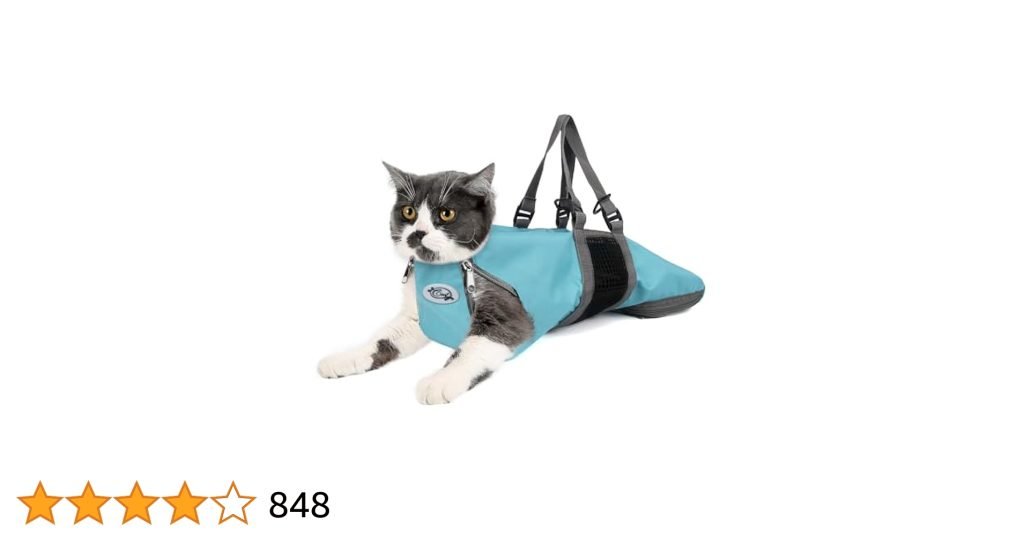
A grooming bag offers a safe, enclosed space for the cat. It restricts movement while allowing access to paws and tail. Choose a bag made of breathable material for comfort.
- Place the cat inside calmly.
- Secure zippers or fasteners gently.
- Access parts of the body through bag openings.
- Use for nail trimming or brushing.
This method helps reduce anxiety by limiting sudden escapes. It is ideal for short grooming tasks.
Harness And Leash Control
A harness and leash give control without full restraint. Use a soft harness that fits well and does not hurt the cat. Attach a leash to guide or hold the cat gently.
- Put the harness on calmly and securely.
- Keep the leash loose but ready to hold.
- Guide the cat gently during grooming.
- Use this for cats comfortable with light restraint.
This method allows freedom while maintaining safety. It works best for cooperative cats and longer grooming sessions.

Credit: www.amazon.com
Handling During Grooming
Handling your cat properly during grooming is key to making the experience safe and less stressful for both of you. Cats can be unpredictable, so the way you hold and support them affects their comfort and cooperation. Paying close attention to how you manage their body, avoid sensitive spots, and watch for signs of stress will help you build trust and make grooming smoother over time.
Supporting The Cat’s Body
Always support your cat’s body firmly but gently. Use one hand to hold their chest or under their front legs, and the other to support their hindquarters. This helps your cat feel secure and reduces sudden movements that could cause injury.
Imagine holding a squirming kitten—without proper support, they can easily slip or panic. I once learned this the hard way when my cat tried to jump away during brushing. After adjusting my hold to support her fully, grooming became much easier.
Avoiding Sensitive Areas
Not all parts of your cat’s body like to be touched during grooming. Avoid areas like the belly, tail, and paws until your cat is comfortable with handling. Start with the back and sides, which are usually less sensitive.
Try to notice your cat’s reactions when you touch different spots. If they tense up or pull away, shift your focus. Over time, you can gently introduce these sensitive areas, making grooming less stressful for your cat.
Monitoring Stress Signals
Watch your cat’s body language closely throughout grooming. Signs like flattened ears, twitching tail, dilated pupils, or growling indicate discomfort or stress. If you see these, pause and give your cat a break.
Have you ever stopped grooming just as your cat started to hiss or squirm? That moment can teach you a lot about their limits. Respecting these signals prevents negative associations with grooming and helps your cat stay calm.
Post-grooming Care
After grooming your cat, the care doesn’t end with putting away the brush. Post-grooming care is crucial to keep your cat comfortable and maintain the quality of your grooming tools. It also helps build a positive grooming routine that your cat will accept more willingly over time.
Rewarding Your Cat
Reward your cat immediately after grooming to create a positive association with the experience. Offer a favorite treat or engage in a short play session to help your cat relax and feel appreciated.
Notice how your cat responds to different rewards. Some cats prefer cuddles while others might enjoy a tasty snack more. What reward works best for your cat?
Cleaning Grooming Tools
Clean your grooming tools right after use to avoid hair buildup and bacteria growth. Use warm water and mild soap to wash brushes and combs, then dry them thoroughly.
Regular cleaning keeps the tools effective and safe for your cat’s delicate skin. Have you checked your grooming tools lately for signs of wear or damage?
Scheduling Regular Sessions
Set a grooming schedule that fits your cat’s coat type and lifestyle. Some cats need weekly brushing, while others do fine with bi-weekly sessions.
Consistency helps your cat get used to grooming and prevents mats and tangles. How often does your cat actually need grooming to stay comfortable?

Credit: www.amazon.com.au
Frequently Asked Questions
How To Safely Restrain A Cat For Grooming?
Use gentle but firm holds to prevent sudden movements. Wrap the cat in a towel if needed. Support its body securely while grooming to avoid stress or injury.
What Tools Help In Restraining Cats During Grooming?
A grooming bag, towel, or soft gloves are useful. These tools keep cats calm and secure. Choose tools that fit your cat’s size and temperament.
How Long Should A Cat Be Restrained For Grooming?
Keep grooming sessions short, ideally 5 to 10 minutes. Prolonged restraint can stress the cat. Take breaks if the cat shows signs of anxiety.
Can Restraining A Cat Harm Its Behavior?
If done gently, restraint won’t harm behavior. Harsh handling may cause fear or aggression. Always use calm, patient techniques to maintain trust.
Conclusion
Grooming a cat can be easier with gentle restraint. Keep calm and use soft hands. This helps your cat feel safe and relaxed. Small steps work best for both of you. Always watch your cat’s mood and stop if stressed.
Regular grooming keeps your cat healthy and happy. Patience and kindness make the process smooth. You and your cat can enjoy grooming time together. Simple care routines build trust and comfort over time.
