

Looking for the best pet insurance for your cat? You want to make sure your furry friend gets the care they need without breaking your budget.
But with so many options out there, how do you choose the right one? This guide will help you compare pet insurance for cats easily. You’ll discover what to look for, how to save money, and which plans give you the most value.
Keep reading to protect your cat and your wallet with confidence.

Credit: medicalaid.com
Why Cat Insurance Matters
Cat insurance can be a lifesaver when unexpected health issues arise. It helps you manage the costs of vet visits, treatments, and emergencies without draining your savings. Thinking about your cat’s health now can prevent difficult decisions later.
Financial Protection Against High Vet Bills
Vet bills can quickly add up, especially if your cat needs surgery or treatment for chronic illnesses. Insurance helps cover these costs, so you’re not caught off guard by expensive medical bills. Would you be able to pay for a sudden $2,000 procedure without insurance?
Access To Better Medical Care
With insurance, you can choose the best treatments and specialists for your cat without worrying about the cost. This means your cat gets the care they deserve. How often do you hesitate to visit the vet because of price concerns?
Peace Of Mind For You And Your Cat
Knowing your cat is covered lets you focus on their recovery rather than the financial stress. This peace of mind improves your ability to make quick, informed decisions when health issues arise. Isn’t that relief worth the monthly premium?
Encourages Preventive Care
Many insurance plans cover routine check-ups and vaccinations, helping catch problems early. Regular vet visits keep your cat healthier and can save money in the long run. Could regular care today prevent costly treatments tomorrow?

Credit: www.usnews.com
Types Of Cat Insurance Plans
Choosing the right insurance plan for your cat can feel overwhelming. Each type of plan covers different needs and expenses. Understanding these options helps you pick coverage that fits your cat’s lifestyle and your budget.
Accident-only Coverage
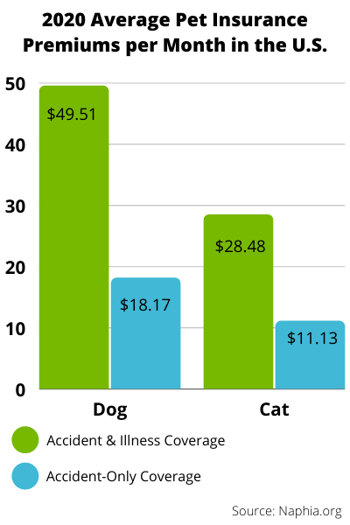
Accident-only plans cover treatments related to injuries from accidents like car crashes or falls. These plans usually have lower monthly premiums since they don’t cover illnesses or routine care.
If your cat is mostly indoors and healthy, this option might save you money. But think about unexpected illnesses—would you be prepared to pay out-of-pocket? Accident-only coverage is a basic safety net, not a full medical shield.
Comprehensive Plans
Comprehensive plans offer broad protection, covering accidents, illnesses, surgeries, and sometimes even hereditary conditions. This plan type gives you peace of mind for most health issues your cat may face.
I once switched to a comprehensive plan after my cat developed a costly kidney condition. The coverage made a huge difference in managing vet bills without stress. Consider if you want extensive coverage that includes emergencies and ongoing treatments.
Wellness And Routine Care
Wellness plans focus on preventive care like vaccinations, flea control, dental cleanings, and annual check-ups. They often work as an add-on or a separate plan from accident or comprehensive insurance.
Keeping up with routine care can prevent bigger health problems and save money in the long run. Ask yourself: do you want a plan that encourages regular vet visits and helps cover these smaller but important expenses?
Key Features To Compare
Choosing the right pet insurance for your cat means knowing what to compare. Key features impact your costs and coverage. Focus on these aspects to find the best plan for your cat’s needs. Each feature affects your protection and budget in different ways.
Coverage Limits
Coverage limits show the maximum amount the insurer will pay. Some plans have yearly limits, while others cover lifetime costs. Higher limits protect you from big vet bills. Check if the limits match your cat’s health risks and age.
Deductibles And Premiums
Deductibles are what you pay before insurance helps. Premiums are your regular payments to keep coverage active. Plans with low premiums often have higher deductibles. Balance what you can pay monthly and when your cat needs care.
Reimbursement Levels
Reimbursement levels tell you what percent of costs you get back. Common levels are 70%, 80%, or 90%. Higher reimbursement means less out-of-pocket spending. Choose a level that fits your budget and expected vet visits.
Waiting Periods
Waiting periods are the time before coverage starts. This can range from a few days to weeks. Shorter waiting means faster help for your cat. Long waits might delay treatment for sudden illnesses or injuries.
Top Cat Insurance Providers
Choosing the right pet insurance for your cat can feel overwhelming with so many options available. Focusing on top providers helps you narrow down choices based on coverage, cost, and customer satisfaction. Understanding each company’s strengths makes it easier to find a plan that fits your cat’s needs and your budget.
Company A Highlights
Company A offers comprehensive coverage that includes accidents, illnesses, and hereditary conditions. Many cat owners appreciate their quick claim process, which often takes less than a week. Their plans also cover alternative therapies like acupuncture, which can be a big plus if your cat needs holistic treatments.
Have you considered how much coverage you actually need? Company A lets you customize deductibles and reimbursement rates, making it flexible for different budgets. This way, you only pay for what matters most to you and your furry friend.
Company B Highlights
Company B stands out for its affordable monthly premiums and no upper age limit for enrolling cats. This is perfect if you’ve recently adopted an older cat and want to ensure they’re protected. Their wellness plans include vaccinations and regular check-ups, helping you stay on top of preventive care.
One cat owner shared how Company B’s customer service helped during a stressful emergency vet visit. Knowing someone is there to guide you can make a big difference when your pet’s health is at stake. Does your current insurer offer that kind of support?
Company C Highlights
Company C is known for its fast payout times and high reimbursement percentages, often up to 90%. They cover a wide range of conditions, including chronic illnesses that might affect your cat over time. Their mobile app makes it easy to file claims and track expenses on the go.
If you want a hassle-free experience, Company C’s digital tools can save you time and frustration. How much do you value managing your pet’s insurance from your phone? This feature might be a game changer for busy pet parents.
Cost Vs. Benefits Analysis
Understanding the balance between cost and benefits is crucial when choosing pet insurance for your cat. You want to ensure you’re not overpaying while still getting valuable coverage that protects your furry friend. Let’s break down what you really get for the price you pay and how to make the best choice for your cat’s health and your budget.
What Does the Cost Cover?Pet insurance premiums vary widely depending on factors like your cat’s age, breed, and health history. Usually, the monthly cost covers accidents, illnesses, and sometimes routine care. However, some plans exclude pre-existing conditions or specific treatments, which can affect your out-of-pocket expenses.
Think about what you expect from your insurance. Are you looking for coverage mainly for emergencies or also for regular check-ups? Your answer will influence the cost you’re willing to pay.
Benefits You Should Look ForGood insurance plans offer more than just basic coverage. Look for benefits like:
- Reimbursement for vet bills after deductible
- Coverage for chronic conditions
- Access to specialists and advanced treatments
- Option for wellness plans covering vaccinations and dental care
These benefits may cost more upfront but can save thousands in expensive emergencies or ongoing treatments.
How to Weigh Cost Against Benefits?Compare the monthly premium with the maximum payout and coverage limits. A cheaper plan might leave you with higher bills if it has low payout caps or excludes common illnesses.
Ask yourself: Would you prefer paying a higher premium for peace of mind, or risk unexpected costs with a cheaper plan? I once chose a low-cost plan and ended up paying more in uncovered vet bills during my cat’s illness. That experience taught me the value of solid coverage.
Using a Comparison Table| Plan | Monthly Cost | Coverage | Deductible | Max Payout | Wellness Coverage |
|---|---|---|---|---|---|
| Plan A | $25 | Accidents & Illnesses | $100 | $10,000/year | No |
| Plan B | $40 | Accidents, Illnesses & Wellness | $50 | Unlimited | Yes |
| Plan C | $30 | Accidents & Illnesses | $200 | $5,000/year | Optional |
This table shows how different plans stack up. Cheaper options might mean higher deductibles or lower payouts. You need to decide what balance works best for your situation.
Questions to Ask Yourself- How often does your cat visit the vet?
- Are you prepared for a sudden emergency expense?
- Do you want coverage that includes routine care?
- What is your budget for monthly premiums and deductibles?
Answering these questions helps you focus on the insurance plan that offers the best value, not just the lowest cost.
How To Choose The Best Plan
Choosing the best pet insurance plan for your cat requires careful thought. Each cat has unique needs and different health risks. The right plan covers what matters most without stretching your budget. Reading the policy details helps avoid surprises later.
Assessing Your Cat’s Needs
Start by considering your cat’s age, breed, and health history. Some breeds face specific health problems. Older cats may need more coverage for chronic conditions. Think about your cat’s lifestyle too. Indoor cats usually have fewer risks than outdoor cats.
List the types of care your cat might need, such as:
- Routine checkups and vaccinations
- Emergency care and surgeries
- Dental treatments
- Prescription medications
This helps to find a plan that fits those needs.
Evaluating Budget Constraints
Set a clear budget for pet insurance. Monthly premiums vary widely. Lower premiums often mean higher deductibles or less coverage. Higher premiums might offer more benefits but cost more upfront.
Consider how much you can afford monthly and for unexpected vet bills. Some plans have annual limits or co-pays. Make sure these costs fit your budget comfortably. Balance price with coverage to avoid paying too much or too little.
Reading Policy Fine Print
Read the policy details carefully before signing up. Look for:
- What conditions are covered or excluded
- Waiting periods before coverage starts
- Reimbursement rates and payout limits
- Clauses on pre-existing conditions
- Claim filing process and deadlines
Understanding these points prevents surprises later. Ask questions if any part is unclear. A clear policy ensures your cat gets the care it needs without hassles.
Tips For Filing Claims
Filing claims for your cat’s insurance can feel overwhelming, especially during stressful times when your pet needs care. But knowing a few simple tips can make the process smoother and faster. These insights come from real experiences and can help you avoid common pitfalls.
Keep Detailed Records Of Your Cat’s Vet Visits
Always save receipts, invoices, and vet reports immediately after each visit. These documents are essential when filing a claim and can speed up the approval process. If you don’t have a clear record, your claim might get delayed or rejected.
Try to note down the date, reason for the visit, treatment given, and any medications prescribed. This helps you provide precise information when asked by your insurer.
Understand Your Policy’s Coverage And Exclusions
Before filing, carefully review your pet insurance policy to know what’s covered and what isn’t. Some treatments or conditions might be excluded or have waiting periods. Submitting claims for non-covered issues wastes your time and causes frustration.
Ask yourself: Does this expense fall under accident, illness, or wellness care? Knowing this will guide you on how to categorize your claim correctly.
Submit Claims Promptly And Follow Insurer Guidelines
Waiting too long to file a claim can hurt your chances of reimbursement. Most insurers have deadlines, often within 30 to 60 days after treatment. Don’t delay submitting your paperwork once you have all the necessary documents.
Also, follow the insurer’s claim submission process exactly. Some prefer online forms, others require mailed documents. Double-checking these details can prevent unnecessary back-and-forth.
Keep Copies Of Everything You Submit
Always keep a copy of your claim form and all attached documents before sending them. This protects you if the insurer loses your paperwork or requests additional information later. You’ll have proof of your submission and can track the claim’s progress more confidently.
Communicate Clearly And Persistently With Your Insurer
If your claim gets delayed or denied, don’t hesitate to contact your insurer for clarification. Be polite but firm, and ask specific questions about what’s missing or why it was rejected. Sometimes a simple misunderstanding can be resolved with a quick call or email.
Have you ever experienced frustration when filing a claim? Sharing your story might help others avoid the same issues.

Credit: www.pawlicy.com
Frequently Asked Questions
What Factors Should I Consider When Comparing Cat Insurance?
Consider coverage options, premiums, deductibles, reimbursement rates, and exclusions. Also, check customer reviews and claim process ease for better decisions.
How Does Cat Insurance Save Money On Vet Bills?
Cat insurance covers unexpected vet costs, reducing out-of-pocket expenses. It helps manage expensive treatments and emergencies more affordably.
Are Pre-existing Conditions Covered By Cat Insurance?
Most cat insurance policies exclude pre-existing conditions. Always read policy terms carefully to understand coverage limitations for prior health issues.
Which Cat Insurance Plan Offers The Best Value?
The best value balances affordable premiums with comprehensive coverage. Look for plans with high reimbursement and low deductibles for optimal benefits.
Conclusion
Choosing the right pet insurance for your cat helps protect their health. Different plans cover different needs and budgets. Compare prices, coverage, and customer reviews before deciding. A good plan saves money on vet bills and ensures care. Keep your cat safe with the best insurance option.
Take your time, and choose what fits best. Your cat deserves the best care you can provide.
