

You want your cat to feel happy and full of energy every day. But did you know that your cat’s gut health plays a huge role in this?
When your cat’s digestive system is balanced, they absorb nutrients better, fight off illness, and even have a shinier coat. If you’ve ever wondered why your cat has upset stomachs or low energy, the answer might be hiding in their gut.
Keep reading to discover simple, effective ways you can support your cat’s gut health and help them thrive like never before.

Credit: leispet.ca
Importance Of Cat Gut Health
Keeping your cat’s gut healthy is more important than many pet owners realize. A balanced digestive system affects everything from nutrient absorption to immune defense. Ignoring gut health can lead to discomfort and serious health problems for your furry friend.
Role Of The Digestive System
Your cat’s digestive system breaks down food into nutrients that fuel energy and repair. It’s not just about eating; it’s about how well the body uses what’s eaten. If the gut is off balance, your cat might experience bloating, diarrhea, or even chronic illness.
I once noticed my cat losing weight despite eating well. A vet visit revealed gut inflammation, showing how crucial the digestive system is to overall health. Simple changes like adding probiotics made a real difference in her energy and mood.
Connection To Overall Wellbeing
Gut health impacts more than digestion. It influences your cat’s immune system, mood, and even skin condition. A healthy gut can help prevent allergies and infections that often puzzle pet owners.
Think about how your cat behaves when upset stomachs strike—they become less playful and more withdrawn. Would you want your companion feeling that way regularly? Supporting gut health means supporting every aspect of your cat’s life.
- Promotes efficient nutrient absorption
- Supports immune defenses against illness
- Helps maintain a shiny coat and healthy skin
- Reduces risk of digestive disorders
What small steps can you take today to check your cat’s gut health? Paying attention to their digestion might be the key to a longer, happier life together.
Common Digestive Issues In Cats
Digestive issues in cats are more common than many pet owners realize. These problems can range from mild discomfort to serious health risks if left untreated. Knowing what signs to watch for and what causes gut problems can make a big difference in your cat’s overall wellbeing.
Symptoms To Watch For
Noticing subtle changes in your cat’s behavior can help catch digestive issues early. Look out for:
- Frequent vomiting or retching
- Diarrhea or constipation
- Loss of appetite or sudden changes in eating habits
- Excessive gas or bloating
- Weight loss or lethargy
One time, my cat suddenly stopped eating and had soft stools for a few days. Recognizing these symptoms early led me to consult the vet promptly, preventing a bigger problem.
Causes Of Gut Problems
Understanding what triggers digestive issues helps you prevent them. Common causes include:
- Dietary changes or poor-quality food
- Food allergies or intolerances
- Infections caused by bacteria, viruses, or parasites
- Stress or anxiety affecting gut health
- Underlying medical conditions like inflammatory bowel disease
Have you ever switched your cat’s food and noticed stomach upset? This simple cause is often overlooked but can lead to recurring digestive troubles.
Diet And Nutrition For A Healthy Gut
Good diet and nutrition play a key role in keeping your cat’s gut healthy. A balanced diet supports digestion and helps maintain good bacteria in the intestines. Proper nutrients improve nutrient absorption and reduce stomach issues.
Choosing the right foods can prevent common gut problems like diarrhea and constipation. Feeding your cat a diet suited to its digestive needs ensures better overall health and energy.
Best Foods For Digestion
- Cooked pumpkin or squash – high in fiber and gentle on the stomach
- Boiled chicken – easy to digest and rich in protein
- Rice – a simple carbohydrate that soothes the digestive tract
- Probiotic-rich foods – support good gut bacteria growth
- Wet cat food – helps maintain hydration and ease digestion
Foods To Avoid
- Dairy products – many cats are lactose intolerant
- Fatty or fried foods – can cause stomach upset
- Raw fish or meat – risk of bacteria and parasites
- Onions and garlic – toxic to cats and harm digestion
- Grains in excess – may trigger allergies or digestive issues
Benefits Of High-quality Protein
High-quality protein supports strong muscles and overall health. It provides essential amino acids needed for body repair and immune function. Protein also helps maintain a healthy gut lining and promotes good digestion.
Look for proteins from animal sources like chicken, turkey, or fish. These are easier for cats to digest than plant proteins. Feeding quality protein leads to better nutrient absorption and a happier tummy.
Probiotics And Supplements
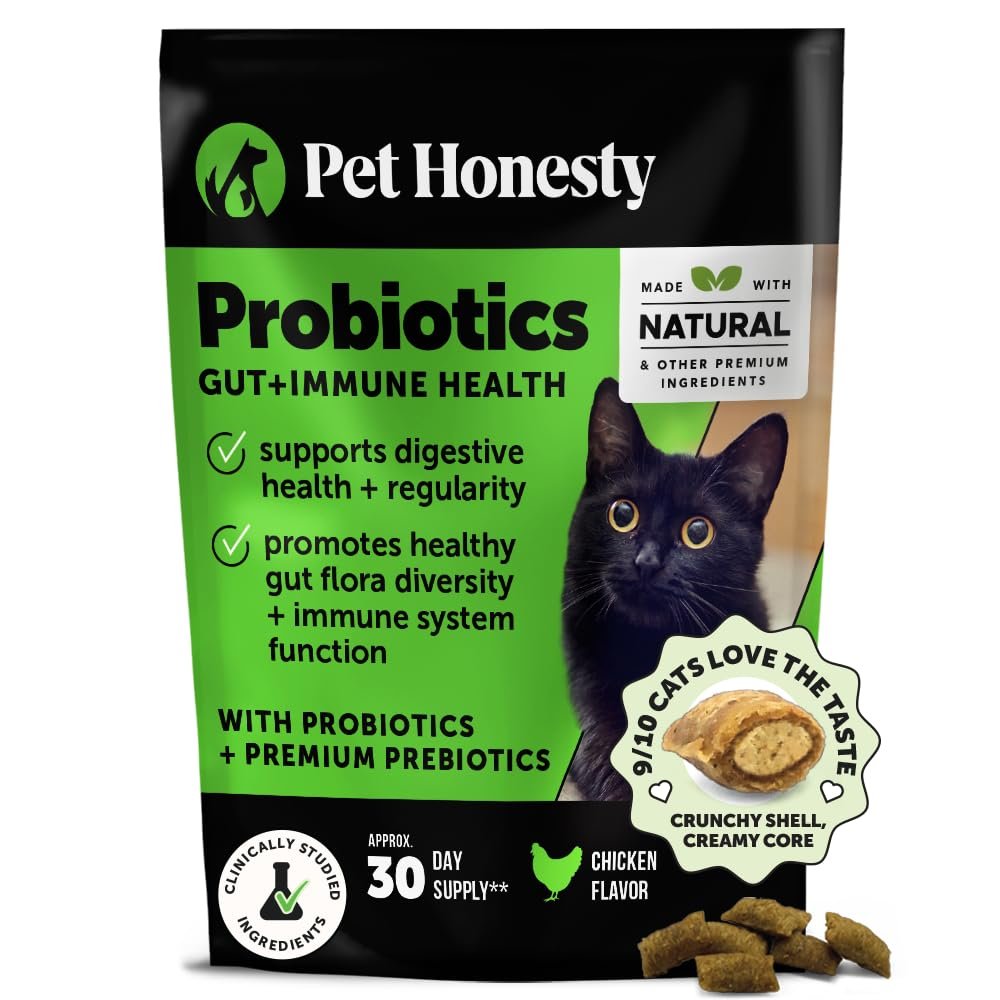
Keeping your cat’s gut healthy is key to their overall well-being. Probiotics and supplements can play a crucial role in this. They help balance the good bacteria in your cat’s digestive system and support proper digestion.
How Probiotics Help
Probiotics are live bacteria that benefit your cat’s gut. They restore balance when the natural flora is disturbed by illness, stress, or antibiotics.
These friendly bacteria improve digestion and boost the immune system. They can reduce symptoms like diarrhea, gas, and bloating.
Have you noticed your cat getting sick after antibiotic treatment? Probiotics can help speed up recovery and maintain a healthy gut environment.
Choosing The Right Supplements
Not all supplements are created equal. Look for products specifically designed for cats, as their digestive systems differ from humans and dogs.
Check the label for strains like Lactobacillus acidophilusor Bifidobacterium bifidum. These have proven benefits for feline gut health.
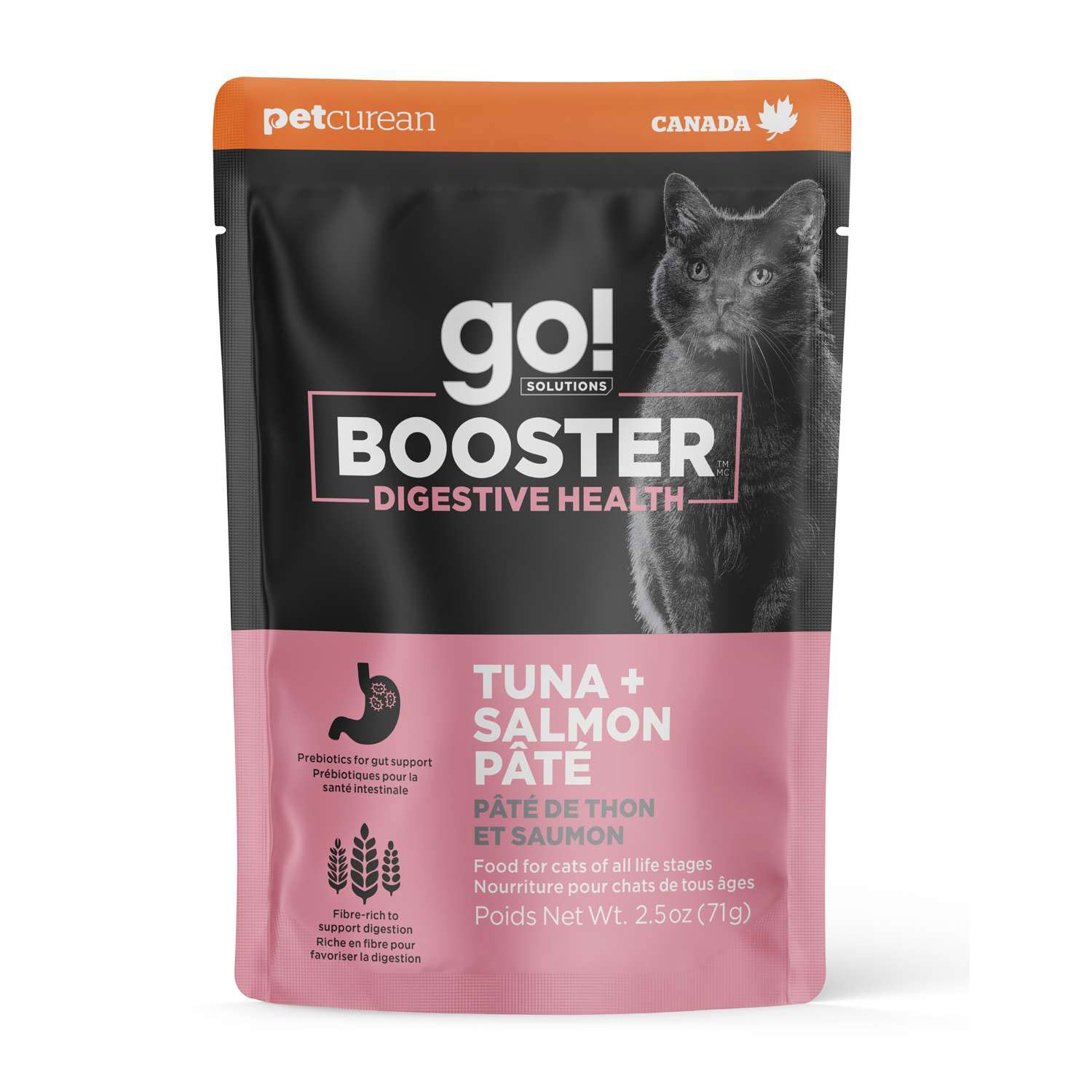
Also, consider supplements that include prebiotics. These feed the good bacteria and help them thrive.
- Choose supplements with guaranteed live cultures until the expiration date.
- Avoid products with fillers or artificial additives.
- Consult your vet before starting any new supplement.
Could your cat benefit from a gut health boost? Trying the right probiotic supplement might make a noticeable difference in their energy and digestion.
Hydration And Its Role
Hydration plays a crucial role in maintaining your cat’s gut health. Water helps digest food properly and supports the movement of nutrients through the intestines. Without enough water, your cat may face digestive problems like constipation or upset stomach.
Importance Of Water Intake
Water keeps your cat’s digestive system running smoothly. It softens stool, making it easier to pass and preventing constipation. Hydration also helps flush out toxins and supports beneficial gut bacteria, which are vital for nutrient absorption.
Have you noticed your cat drinking less water during colder months? This can affect their gut health more than you might expect. Ensuring consistent water intake is key to avoiding digestive issues and keeping your cat energetic.
Tips To Encourage Hydration
- Fresh Water Always:Change the water daily to keep it appealing. Cats prefer fresh, clean water.
- Multiple Water Bowls:Place bowls in different rooms. This encourages your cat to drink more throughout the day.
- Wet Food Addition:Adding wet food can boost your cat’s overall water intake.
- Water Fountains:Some cats love running water. A pet water fountain can make drinking more fun.
- Flavor Boost:Try adding a little low-sodium broth to the water to entice your cat.
Have you tried these tips with your cat? Sometimes small changes make a big difference in their hydration habits and gut comfort.
Lifestyle Habits That Support Gut Health
Supporting your cat’s gut health goes beyond just feeding the right diet. Everyday habits and routines have a huge impact on their digestive system. Small changes in your cat’s lifestyle can lead to noticeable improvements in their overall well-being.
Stress Reduction Techniques
Stress can upset your cat’s gut balance quickly. Cats are sensitive creatures, and even small changes in their environment can cause anxiety.
Try creating a calm space with familiar scents and cozy spots. You might notice your cat relaxing more when you add interactive play sessions or gentle petting to their day.
Have you observed how your cat behaves after a noisy visitor or a move? Those moments often trigger gut issues. Reducing loud noises and providing hiding spots helps them feel safe and keeps their digestion steady.
Regular Vet Checkups
Routine vet visits catch gut problems early, before they become serious. Your vet can spot subtle signs like changes in appetite or stool that you might miss.
Discuss your cat’s diet and any new symptoms during checkups. Your vet may recommend probiotics or dietary adjustments tailored to your cat’s needs.
Think about how often you schedule these visits. Could more frequent checkups prevent discomfort and support a healthier gut long-term? Staying proactive is key to keeping your cat happy and healthy.
Signs Of A Healthy Gut
A healthy gut is key to your cat’s overall wellness. It helps with digestion, nutrient absorption, and immune defense. Watching for signs of a healthy gut allows early care and keeps your cat happy.
Normal Stool And Behavior
Healthy cats have firm, well-formed stools. The color is usually brown without strange smells. No diarrhea or constipation should be present.
Behavior also shows gut health. Cats with a good gut feel comfortable and relaxed. They eat regularly and avoid vomiting or excessive licking of their rear.
Energy Levels And Coat Condition
Good energy is a sign of a balanced gut. Cats with steady energy play and rest well. Lethargy may signal gut issues.
The coat reflects gut health too. A shiny, smooth coat means nutrients absorb well. Dull or patchy fur can indicate poor digestion or gut troubles.
Credit: www.mondou.com

Credit: www.amazon.ca
Frequently Asked Questions
What Are Common Signs Of Poor Cat Gut Health?
Poor gut health in cats shows as vomiting, diarrhea, and weight loss. Other signs include reduced appetite and lethargy. Monitoring these helps early detection and treatment.
How Can Diet Improve My Cat’s Gut Health?
A balanced diet with high-quality protein and fiber supports gut health. Probiotics and prebiotics also promote good bacteria growth. Avoid artificial additives and fillers.
Can Probiotics Benefit My Cat’s Digestion?
Yes, probiotics help restore gut bacteria balance. They improve digestion, reduce inflammation, and boost immunity. Consult your vet for the right probiotic supplement.
What Causes Gut Problems In Cats?
Common causes include infections, parasites, poor diet, and stress. Allergies and inflammatory bowel disease also affect gut health. Regular vet check-ups can prevent issues.
Conclusion
Healthy gut means a happy cat. Good digestion helps your cat absorb nutrients well. Feeding balanced food supports strong gut health. Regular vet visits catch problems early. Simple changes in diet can improve digestion. Clean water and stress-free life also help.
Pay attention to your cat’s stool and behavior. Small steps make a big difference over time. Keep learning about your cat’s needs. A healthy gut leads to a longer, active life.
