

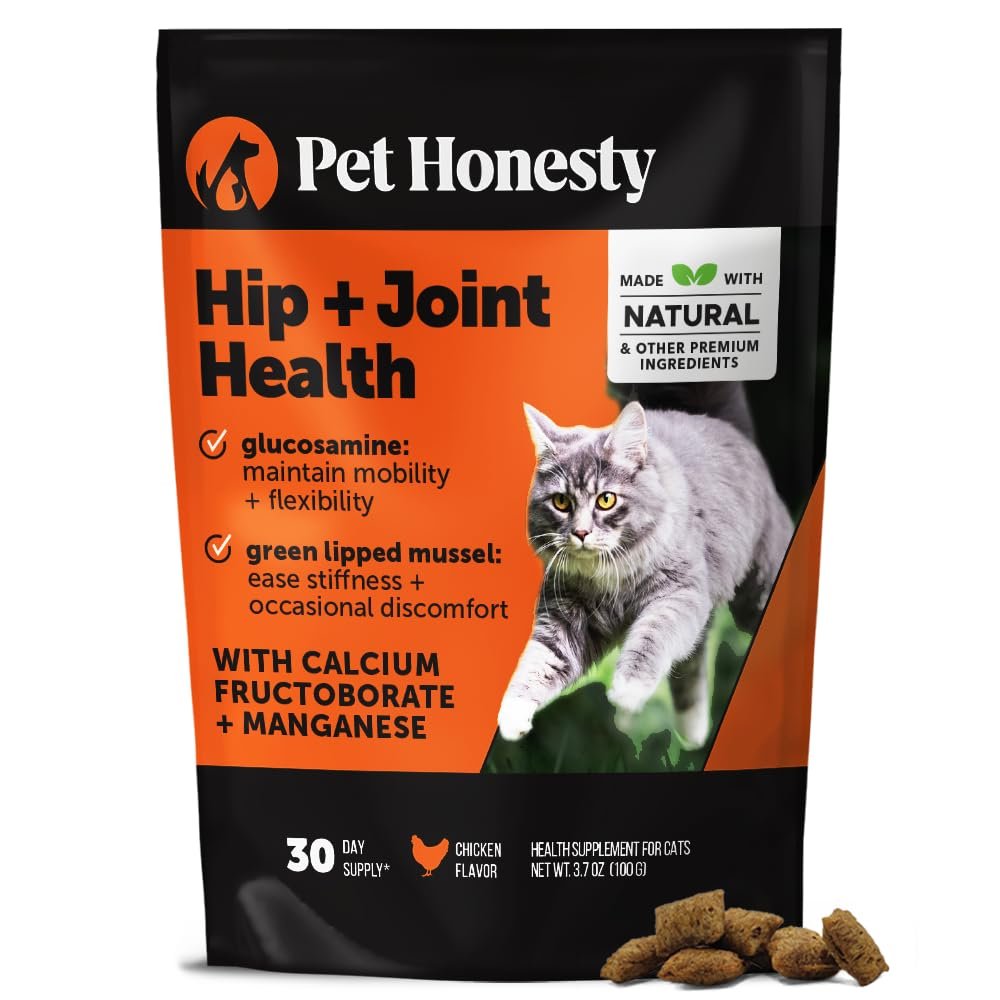
Is your cat showing signs of stiffness or struggling to jump like before? Joint pain can quietly take a toll on your furry friend’s happiness and activity.
You want the best for your cat, and understanding how cat joint health supplements can help is a smart step. These supplements could be the key to keeping your pet moving freely and comfortably. Keep reading to discover how the right support can make a real difference in your cat’s life.
Common Joint Issues In Cats
Joint issues in cats can sneak up quietly but have a big impact on their daily lives. Many cat owners miss the early signs, thinking their pet is just slowing down with age. Understanding common joint problems helps you spot trouble early and take steps to keep your cat active and comfortable.
Symptoms Of Joint Problems
Does your cat hesitate before jumping or seem less playful than usual? These could be signs of joint discomfort. Watch for:
- Stiffness after resting or sleeping
- Limping or favoring one leg
- Reluctance to climb stairs or jump onto furniture
- Swelling or tenderness around joints
- Changes in grooming habits due to pain
Noticing these symptoms early can make a big difference in your cat’s quality of life.
Causes Of Joint Pain
Joint pain in cats often stems from wear and tear, but other factors play a role too. Common causes include:
- Osteoarthritis, the most frequent cause as cats age
- Injuries like sprains or fractures
- Inflammatory conditions such as feline polyarthritis
- Obesity, which adds stress to joints
- Genetic predisposition in certain breeds
Have you noticed your cat putting on weight? That extra pound might be more harmful than you think for their joints.
Impact On Cat Mobility
Joint problems don’t just cause pain—they limit your cat’s freedom to move. When mobility decreases, cats may:
- Become less active and gain weight
- Avoid playing, which affects their mental health
- Experience muscle loss due to inactivity
- Struggle with basic activities like jumping or climbing
How do you think your cat’s life changes when they can’t move as freely? Supporting joint health can help maintain their independence and happiness.

Credit: pdsapetstore.org.uk
Key Ingredients In Joint Supplements
Choosing the right joint supplement for your cat can be confusing. Knowing the key ingredients helps you pick a product that truly supports your cat’s mobility and comfort. Let’s break down the essentials that make a difference in joint health supplements.
Glucosamine And Chondroitin
Glucosamine and chondroitin are the building blocks of healthy cartilage. They work together to repair and maintain the cushioning in your cat’s joints. Many cat owners notice improved movement and less stiffness after consistent use.
Have you ever seen your cat hesitate before jumping? These ingredients can help reduce that discomfort by supporting cartilage repair. You want a supplement that provides both in balanced amounts for best results.
Omega-3 Fatty Acids
Omega-3 fatty acids are known for their anti-inflammatory properties. They help reduce joint swelling and pain, which means your cat can move more freely. Fish oil is a common source, packed with EPA and DHA, vital for joint health.
Think about how your cat reacts after a long nap—stiff or agile? Omega-3s can make a noticeable difference in easing morning stiffness. Including them in supplements helps target inflammation directly.
Antioxidants And Vitamins
Antioxidants like vitamin E and C protect joint tissues from damage caused by oxidative stress. Vitamins play a crucial role in supporting overall joint function and healing. They help keep your cat’s joints strong and resilient.
Have you tried supplements enriched with antioxidants? Many cat owners find these nutrients boost their pet’s energy and mobility. Look for products that combine antioxidants with other joint-supporting ingredients for a well-rounded approach.
Types Of Joint Supplements
Joint health supplements for cats come in different forms. Each type has its own benefits and ways to give it to your pet. Choosing the right supplement depends on your cat’s preference and health needs.
Chewable Tablets And Treats
Chewable tablets and treats are easy to give. Cats often enjoy the taste, making them less stressful to use. These supplements usually contain glucosamine, chondroitin, and other joint-supporting ingredients. They help reduce inflammation and improve joint function. You can give them as rewards or part of daily care.
Powders And Liquids
Powders and liquids mix well with food. This option suits picky cats who refuse tablets. They absorb quickly and act fast. Powders blend into wet or dry food without changing taste much. Liquids can be added to water or given by syringe. Both forms allow flexible dosing based on your cat’s needs.
Prescription Options
Prescription joint supplements come from veterinarians. These products often have stronger or specialized ingredients. They target severe joint problems and arthritis. Your vet can recommend the best choice and dosage. Prescription options may include anti-inflammatory drugs or advanced joint support formulas.
Choosing The Right Supplement
Choosing the right joint health supplement for your cat is crucial for improving their mobility and comfort. Not all supplements are created equal, and selecting one that fits your cat’s specific needs can make a big difference. Understanding what to look for will help you make a confident choice that supports your feline friend’s well-being.
Assessing Your Cat’s Needs
Start by observing your cat’s behavior and physical condition. Are they showing signs of stiffness, reluctance to jump, or decreased activity? These symptoms can indicate joint issues that might benefit from supplementation.
Consider your cat’s age, breed, and lifestyle. Older cats or those with arthritis often need more targeted support. Active cats or certain breeds may have different joint health requirements.
Ask yourself: What specific problems does your cat face? Tailoring the supplement to those needs ensures better results.
Quality And Safety Considerations
Look for supplements made with high-quality, natural ingredients like glucosamine, chondroitin, and omega-3 fatty acids. These components have proven benefits for joint health.
Check for products that are free from harmful additives, fillers, or artificial colors. A trusted brand will provide transparent ingredient lists and manufacturing standards.
Remember, cheaper doesn’t always mean better. Investing in a reputable supplement protects your cat’s health and avoids potential side effects.
Consulting Your Veterinarian
Your vet knows your cat’s health history and can recommend the most appropriate supplement. They may suggest specific dosages or warn against interactions with other medications.
Don’t hesitate to ask questions about the supplement’s effectiveness and safety. A professional opinion adds an essential layer of confidence to your choice.
Have you talked to your vet about your cat’s joint health recently? If not, now is a good time to start that conversation.
Administering Supplements To Cats
Giving your cat joint health supplements can feel tricky at first. Cats are known for their picky eating habits, and you might worry about stressing them out or disrupting their routine. But with a little patience and some smart approaches, you can make supplement time smooth and even enjoyable for your furry friend.
Tips For Easy Administration
Start by getting to know your cat’s preferences. Some cats tolerate pills better when hidden in a soft treat, while others respond well to flavored liquid supplements.
- Use pill pockets or wrap pills in a small piece of cheese or deli meat.
- Try using a syringe to gently squirt liquid supplements into the side of their mouth.
- Stay calm and speak softly to reduce your cat’s anxiety during administration.
Have you noticed how your cat reacts to new foods or medicines? That observation can guide you toward the best method for your pet.
Incorporating Supplements Into Diet
Mixing supplements into your cat’s regular food can be a game-changer. Start by sprinkling a small amount on top to see if your cat accepts the taste.
- If your cat eats wet food, mix the supplement thoroughly to mask any unusual texture or flavor.
- For dry food, moisten it slightly to help the supplement stick better.
- Introduce the supplement gradually over a few days to avoid sudden changes.
Have you tried warming the food slightly? Sometimes a bit of warmth can release aromas that encourage eating.
Monitoring For Side Effects
Watching your cat closely after starting supplements is crucial. Look out for changes in appetite, behavior, or bathroom habits.
- Diarrhea, vomiting, or excessive scratching could signal an intolerance or allergy.
- Keep a daily log of any symptoms to share with your vet.
- Contact your vet promptly if you notice any worrying signs.
Have you ever caught subtle shifts in your cat’s mood that hinted at discomfort? Paying attention to these details helps keep your cat safe and healthy.
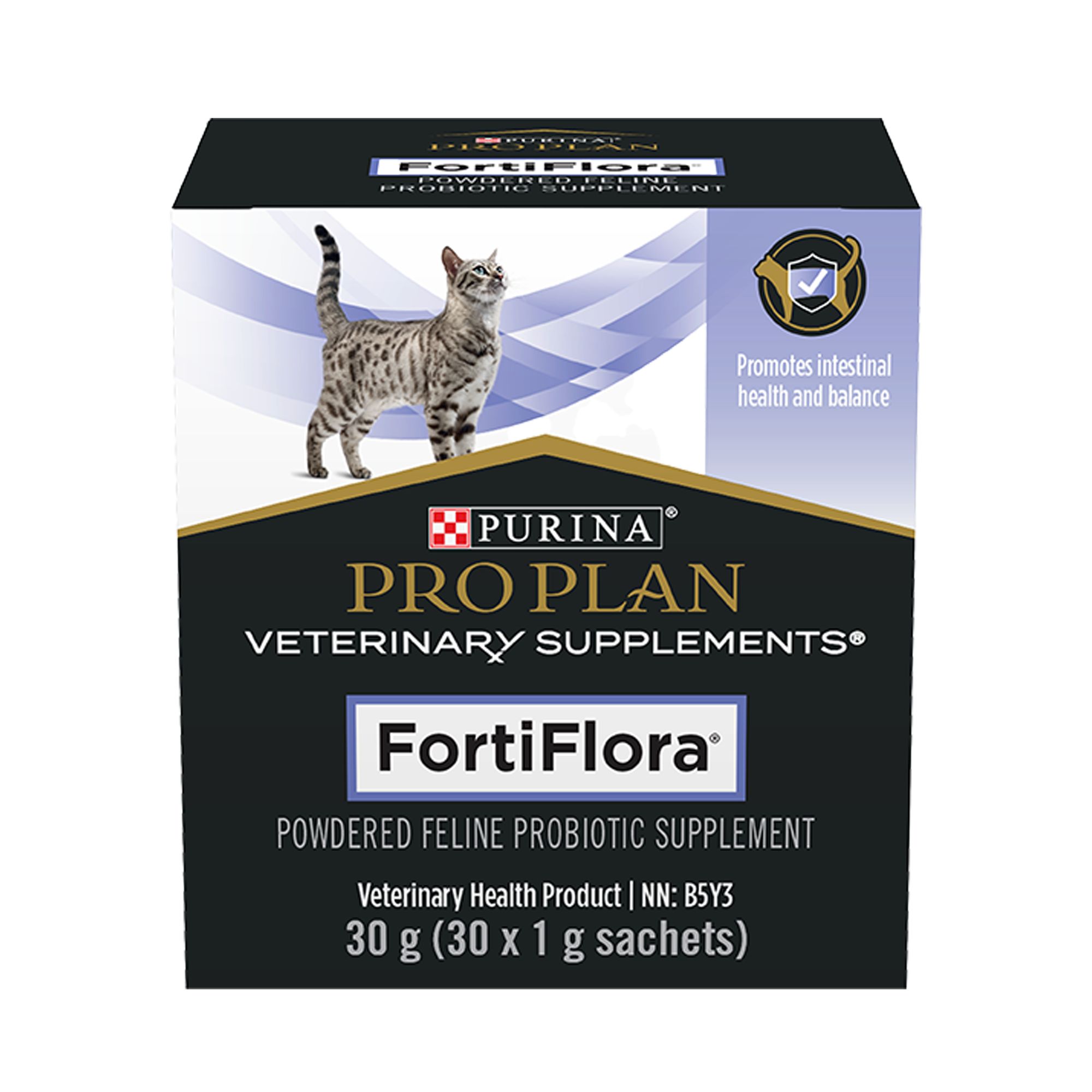
Credit: www.petsmart.ca
Additional Tips For Joint Health
Supporting your cat’s joint health goes beyond supplements. Small daily habits can make a big difference. These tips help keep joints strong and reduce pain. They also improve your cat’s overall quality of life.
Exercise And Weight Management
Regular, gentle exercise helps maintain joint flexibility. Short play sessions with toys encourage movement. Avoid high-impact activities that strain joints. Keeping your cat at a healthy weight reduces stress on joints. Overweight cats face more joint problems. Balanced diet and portion control support healthy weight.
Environmental Adjustments
Make your home easy to navigate for your cat. Provide ramps or stairs for high places. Soft bedding cushions joints during rest. Avoid slippery floors to prevent falls. Keep litter boxes and food bowls accessible. These small changes reduce joint strain and discomfort.
Regular Vet Checkups
Routine vet visits help detect joint issues early. Vets can recommend the right supplements and treatments. Monitor your cat for signs like limping or stiffness. Early care prevents worsening joint problems. Discuss any changes in behavior or mobility with your vet.
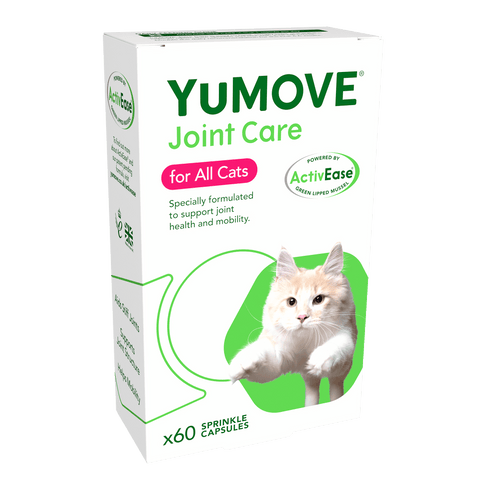
Credit: yumove.co.uk
Frequently Asked Questions
What Are The Best Supplements For Cat Joint Health?
The best supplements for cat joint health include glucosamine, chondroitin, and omega-3 fatty acids. These ingredients support cartilage repair and reduce inflammation. Always choose high-quality, vet-approved products for safety and effectiveness.
How Do Joint Supplements Benefit Aging Cats?
Joint supplements help aging cats by easing stiffness and improving mobility. They reduce joint inflammation and support cartilage health. Regular use can enhance your cat’s comfort and activity levels as they grow older.
When Should I Start Giving Joint Supplements To My Cat?
Start joint supplements when your cat shows signs of stiffness or after age seven. Early use can prevent joint problems and maintain mobility. Consult your vet to determine the best time and dosage for your cat.
Can Joint Supplements Replace Veterinary Treatment For Cats?
Joint supplements support joint health but don’t replace veterinary care. They work best alongside professional treatment for arthritis or injury. Always consult your vet before starting supplements to ensure proper diagnosis and care.
Conclusion
Ensuring your cat’s joint health is essential for a happy life. Supplements can support this goal. They offer necessary nutrients. Always choose high-quality options. Consult your vet for guidance. Every cat is unique. What works for one may not work for another.
Observe your cat’s response to new supplements. Adjust as needed. A healthy cat is a joyful companion. Investing in their joint health pays off. They deserve the best care. Keep them active and playful. Your efforts make a big difference.
Enjoy many more purrs and playful moments together.
