

Is your cat’s weight something you worry about? Keeping your furry friend at a healthy weight is more important than you might think.
Too much weight can lead to serious health problems, while being underweight can signal hidden issues. You’ll discover simple ways to recognize if your cat is at a healthy weight and easy steps you can take to keep them fit and happy.
By understanding your cat’s weight, you’re not just improving their looks—you’re protecting their health and extending their life. Keep reading to learn how you can make a real difference in your cat’s well-being today.

Credit: www.gianteagle.com
Importance Of Healthy Weight
Maintaining a healthy weight for your cat is more than just about appearance. It directly impacts their overall well-being and longevity. You might think a little extra fluff is cute, but it can hide serious health issues beneath.
Risks Of Overweight Cats
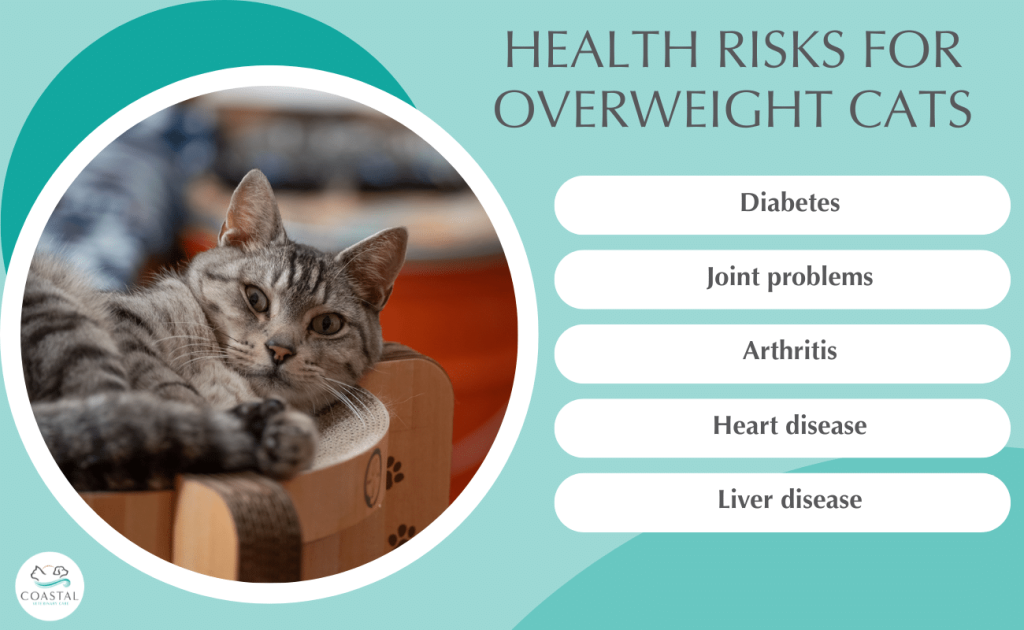
Excess weight puts extra strain on your cat’s heart and joints. Cats carrying extra pounds are more prone to diabetes and arthritis. Have you noticed your cat struggling to jump or becoming less active? These signs often relate to weight problems.
Overweight cats also face a higher risk of liver disease and breathing difficulties. You can spot weight gain through visible fat pads around the abdomen or difficulty grooming. Watching your cat’s eating habits closely can help prevent these risks.
Dangers Of Underweight Cats
On the flip side, cats that are too thin might not be getting enough nutrients. This can lead to weakened immune systems and muscle loss. Does your cat seem lethargic or have a dull coat? These could be signs of undernutrition.
Underweight cats often suffer from underlying health problems such as parasites or dental issues. They may also lack the energy to engage in normal play. Ensuring your cat has a balanced diet and regular vet checkups is key to spotting these dangers early.

Credit: www.walmart.ca
Assessing Your Cat’s Weight
Keeping track of your cat’s weight is essential for its health. Overweight or underweight cats face many health risks. Regularly assessing your cat’s weight helps catch problems early. It also guides diet and exercise plans. Simple checks can make a big difference in your cat’s life.
Body Condition Scoring
Body Condition Scoring (BCS) is a quick way to judge your cat’s weight. It uses a scale from 1 to 9. A score of 1 means very thin, 5 is ideal, and 9 is obese.
Here’s how to check your cat’s body condition:
- Look at your cat from above. You should see a visible waist behind the ribs.
- Feel the ribs with light pressure. You should feel them without excess fat.
- Check the belly. It should tuck up slightly, not hang down.
- Look at the spine and hips. They should not be sharp or buried under fat.
Use the BCS chart to compare your findings. This helps you decide if your cat needs to gain or lose weight.
Weighing Your Cat At Home
Weighing your cat at home is easy and useful. It tracks changes over time. Consistent weight checks help spot health issues early.
Follow these simple steps to weigh your cat:
- Use a digital or bathroom scale.
- Weigh yourself first and note the number.
- Hold your cat and weigh again.
- Subtract your weight from the combined weight. This gives your cat’s weight.
- Record the weight and repeat weekly or monthly.
Try to weigh your cat at the same time of day. This avoids fluctuations due to food or activity.
Nutrition For Weight Management
Managing your cat’s weight starts with understanding the role of nutrition. What you feed your cat directly affects their energy levels and overall health. Making smart food choices can help maintain a healthy weight and prevent related health issues.
Choosing The Right Food
Not all cat foods are created equal, especially when it comes to weight management. Look for products labeled as “weight control” or “light,” which usually have fewer calories but still provide essential nutrients.
High-protein, low-carbohydrate diets tend to work best because cats are natural carnivores. Avoid foods with excessive fillers like corn or soy, which add calories without much nutritional value.
Have you noticed how your cat reacts to different foods? Some cats thrive on wet food because it contains more moisture and fewer calories per serving compared to dry kibble.
Portion Control Tips
Even the best food can lead to weight gain if you overfeed. Measuring your cat’s portions with a kitchen scale or measuring cup helps you stick to recommended serving sizes.
Try dividing the daily portion into smaller amounts to avoid free feeding. This approach prevents overeating and helps you monitor how much your cat actually consumes.
Consider using puzzle feeders or slow-feed bowls. These tools make mealtime more engaging and slow down eating, reducing the risk of gulping food and overeating.
Feeding Frequency
How often you feed your cat can influence their metabolism and weight. Most adult cats do well with two meals a day, spaced about 8-12 hours apart.
Frequent small meals can also work, especially if your cat is prone to begging or snacking on inappropriate items. This can help stabilize blood sugar and control hunger.
Think about your cat’s natural habits. Are they grazers or meal eaters? Adjusting feeding frequency to match their behavior can make weight management easier and less stressful for both of you.

Credit: www.walmart.ca
Exercise And Activity
Exercise and activity play a key role in maintaining a cat’s healthy weight. Cats need regular movement to burn calories and stay fit. Physical activity also keeps their muscles strong and joints flexible. A bored or inactive cat may gain weight or develop health problems. Encouraging your cat to move can be fun and rewarding for both of you.
Interactive Play Ideas
Interactive play stimulates your cat’s mind and body. Use toys that mimic prey, such as feather wands or laser pointers. These toys trigger natural hunting instincts and encourage chasing. Rotate toys often to keep your cat interested. Short play sessions several times a day work best. Try:
- Feather wands for jumping and swatting
- Laser pointers for quick chasing games
- Small balls or mice toys to bat around
- Interactive puzzle feeders that require movement
Encouraging Movement Indoors
Indoor cats need extra encouragement to stay active. Create spaces for climbing and exploring, like cat trees or shelves. Hiding treats around the house makes cats search and move more. Change the environment regularly to keep curiosity alive. Use boxes and tunnels for hiding and running through. Keep play areas safe and free of hazards. Encourage natural behaviors to help maintain a healthy weight.
Monitoring Progress
Keeping an eye on your cat’s weight over time is essential to ensuring they stay healthy. Monitoring progress helps you catch any sudden changes that might signal health issues early. It also motivates you to stick with a proper diet or exercise plan tailored to your cat’s needs.
Tracking Weight Changes
Use a digital pet scale or a regular scale with a stable surface to weigh your cat weekly or biweekly. Record the numbers in a notebook or a simple spreadsheet to visualize trends over time. Small fluctuations are normal, but steady increases or decreases should raise a flag.
Consider weighing your cat at the same time of day, preferably before meals, to get consistent results. If your cat resists being weighed, try placing them in a carrier on the scale to reduce stress. Have you noticed how subtle changes in weight often go unnoticed until they become serious?
Signs Of Healthy Weight Loss Or Gain
Healthy weight changes happen gradually—aim for about 1% to 2% of body weight per week. Look for increased energy, improved coat shine, and better appetite as positive signs during weight gain. For weight loss, a gradual return to normal activity levels and the absence of vomiting or diarrhea are good indicators.
Watch out for sudden lethargy, loss of appetite, or drastic weight shifts, as these could mean underlying problems. If your cat’s ribs become too visible or you can’t feel them at all, it’s time to consult your vet. Have you checked your cat’s body condition score lately? It’s a great tool to assess healthy weight changes.
When To Consult A Vet
Knowing when to consult a vet about your cat’s weight can make a huge difference in their health and happiness. Weight changes can signal underlying problems that need professional attention. Don’t wait for drastic signs—early action can prevent serious complications.
Health Conditions Affecting Weight
Sudden weight loss or gain in cats might not just be about food intake or exercise. Conditions like hyperthyroidism, diabetes, kidney disease, and even certain cancers can cause significant weight changes.
If your cat becomes noticeably thinner despite eating well, or gains weight rapidly without changing their diet, these could be red flags. You might notice changes in behavior too, such as increased thirst, lethargy, or vomiting. These signs mean it’s time to schedule a vet visit promptly.
Professional Weight Management Plans
Sometimes, your cat needs more than just portion control at home. A vet can create a tailored weight management plan that includes diet adjustments, safe exercise routines, and regular monitoring.
These plans often involve specific prescription diets designed to meet your cat’s nutritional needs while promoting healthy weight loss or gain. Regular check-ins with your vet help track progress and adjust the plan if necessary, ensuring your cat stays on a safe path.
Have you ever tried to manage your cat’s weight on your own? Consider how a vet’s guidance might make that journey easier and more effective.
Frequently Asked Questions
What Is The Ideal Weight For A Healthy Cat?
A healthy cat’s ideal weight depends on its breed, age, and size. Generally, most cats weigh between 8-10 pounds. Regular vet check-ups help determine if your cat’s weight is appropriate and maintain optimal health.
How Can I Tell If My Cat Is Overweight?
Check if your cat’s ribs are hard to feel under the skin. Excess fat around the abdomen and difficulty in movement are signs. A vet visit can confirm overweight status and advise on weight management.
Why Is Maintaining Cat Weight Important?
Maintaining a healthy weight prevents diabetes, arthritis, and heart disease. It improves mobility and prolongs life. Balanced nutrition and regular exercise are key to keeping your cat fit and healthy.
What Foods Help Control Cat Weight?
Feed portion-controlled, high-protein, low-carb cat food. Avoid excessive treats and table scraps. Consult your vet for diet plans tailored to weight loss or maintenance.
Conclusion
Caring for your cat’s weight is vital for their health. Regular check-ups and balanced diets help maintain their ideal weight. Watch their eating habits. Provide nutritious food and plenty of playtime. This keeps them fit and active. Always consult your vet for tailored advice.
A healthy weight means a happy cat. Simple steps make a big difference. Keep monitoring. Stay informed. Your cat’s well-being depends on it. Taking these steps can ensure your furry friend lives a long, healthy life. Remember, a healthy cat is a happy cat.
