

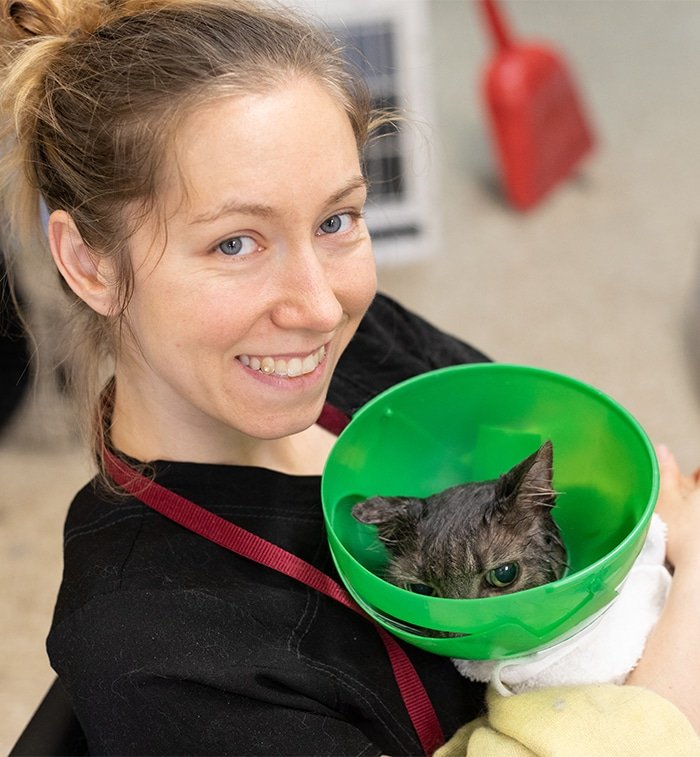
Are you wondering how to keep your cat looking and feeling its best? Cat grooming isn’t just about making your furry friend look good—it’s key to their health and happiness.
Whether your cat hates baths or sheds everywhere, you’ll find simple, effective tips here that make grooming easier for both of you. Ready to discover how to turn grooming time into a bonding moment you both enjoy? Keep reading, and you’ll learn everything you need to know to care for your cat like a pro.

Credit: purrdypawsspa.com
Benefits Of Cat Grooming
Cat grooming offers many benefits beyond keeping your pet clean. It helps maintain their health, improves your relationship, and keeps your home cleaner. Regular grooming supports a happy, healthy cat and a peaceful household.
Health Improvements
Grooming helps spot skin problems early. It removes dirt, loose fur, and prevents matting. This reduces the risk of infections and parasites. Brushing also improves blood circulation and promotes a healthy coat.
Strengthening The Bond
Grooming is a quiet time to connect with your cat. It builds trust and comfort between you. Cats often enjoy gentle brushing, which makes them feel safe and loved. This time together deepens your relationship.
Reducing Shedding And Allergies
Regular grooming lowers the amount of fur shed around the house. It catches loose hair before it falls off. This keeps furniture and clothes cleaner. Less fur also means fewer allergens in your home, helping allergy sufferers breathe easier.
Credit: animals.howstuffworks.com
Essential Grooming Tools
Grooming your cat keeps them clean and healthy. Using the right tools makes grooming easier and safer. Essential tools help manage fur, nails, and skin effectively. Investing in good grooming tools can improve your cat’s comfort and hygiene.
Brushes And Combs
Brushes and combs remove loose hair and prevent mats. Choose a brush suited to your cat’s fur type. Short-haired cats need soft bristle brushes. Long-haired cats benefit from wide-tooth combs and slicker brushes. Regular brushing reduces shedding and hairballs.
Nail Clippers
Clipping nails prevents scratching injuries and damage. Use clippers made for small pets for safety. Trim nails gently, avoiding the quick, the sensitive part. Regular nail care keeps your cat comfortable and your home safe.
Shampoos And Wipes
Shampoos designed for cats clean without harming skin. Use mild, hypoallergenic shampoos to avoid irritation. Wipes help clean paws and fur between baths. Both keep your cat fresh and reduce odors.
Grooming Techniques
Grooming techniques are key to keeping your cat healthy and happy. Regular grooming helps reduce hairballs, prevents matting, and strengthens your bond. Understanding the right way to brush, bathe, and trim nails makes grooming easier and safer for your cat.
Brushing Tips
Choose a brush suited for your cat’s fur type. For short hair, a soft-bristle brush works well. Long-haired cats need a wide-toothed comb or slicker brush.
Brush gently in the direction of hair growth. Avoid pulling or tugging on tangles. Brush your cat daily or several times a week to remove loose fur.
Use treats and calm voices to keep your cat relaxed during brushing. Check for skin issues like redness or bumps while grooming.
Bathing Your Cat
Most cats groom themselves well and need baths rarely. Bathing suits cats with dirty or oily coats, or certain skin conditions.
Use lukewarm water and cat-specific shampoo. Avoid human shampoos as they can irritate your cat’s skin.
- Brush your cat before the bath to remove loose hair.
- Wet the fur gently, avoiding the face and ears.
- Apply shampoo and lather softly.
- Rinse thoroughly to remove all soap.
- Dry your cat with a towel and keep them warm.
Nail Trimming Basics
Trim your cat’s nails every two to three weeks. Use a sharp, pet-specific nail clipper for clean cuts.
Hold the paw firmly and press the toe pad to extend the nail. Avoid cutting the quick, the pink area inside the nail. It contains nerves and blood vessels.
Trim small amounts at a time. If you see blood, stop and use styptic powder to stop bleeding.
Reward your cat after trimming to build positive associations.
Reading Your Cat’s Signals
Reading your cat’s signals is key to a calm grooming session. Cats show how they feel through body language and sounds. Watching these signs helps you know if your cat enjoys grooming or feels uneasy. This understanding makes grooming easier for both of you.
Signs Of Enjoyment
- Slow blinking eyes
- Soft purring sounds
- Relaxed body posture
- Tail gently swaying
- Leaning into your touch
These signs mean your cat feels happy and calm. Keep grooming gently when you see them.
Handling Discomfort
- Flattened ears
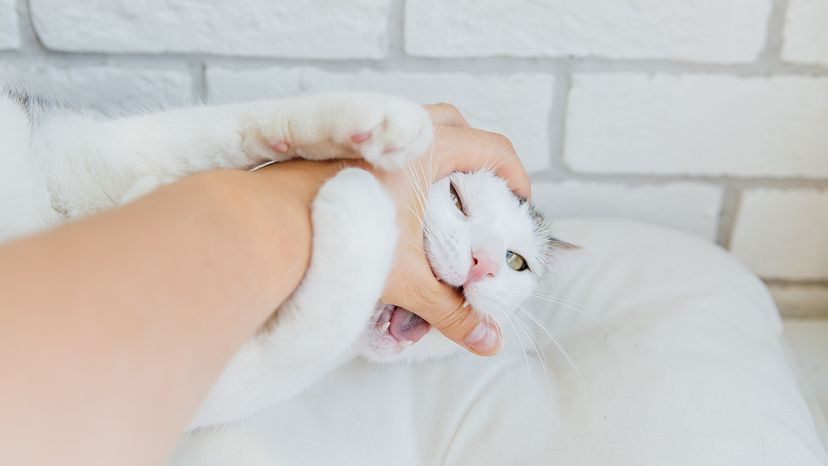
- Hissing or growling
- Swatting with paws
- Tense body or stiff tail
- Trying to escape
Stop grooming immediately if your cat shows these signs. Give your cat space and try again later.
Building Trust
Start slowly and use a soft voice. Let your cat sniff your hands before touching. Reward calm behavior with treats. Gradually increase grooming time each session. Patience helps your cat feel safe and secure.
Common Grooming Challenges
Grooming your cat can sometimes turn into a test of patience and creativity. Many cat owners face hurdles that make the grooming process less smooth and more stressful for both themselves and their pets. Identifying these common grooming challenges helps you prepare and adapt your approach to keep your feline friend comfortable and healthy.
Dealing With Fidgety Cats
Does your cat turn into a whirlwind the moment you bring out the brush? You’re not alone. Cats often resist grooming because it feels unfamiliar or uncomfortable.
Try breaking grooming into short sessions, just a few minutes at a time. Use treats or gentle praise to create a positive association. Sometimes, letting your cat explore the tools first can reduce anxiety.
Managing Matted Fur
Matted fur is more than just an eyesore; it can cause pain and skin problems. Long-haired cats are especially prone to mats in tricky spots like behind the ears or under the legs.
Gently work through mats using a wide-toothed comb or a detangling spray designed for cats. If the mat is too tight, avoid pulling hard to prevent hurting your cat. Instead, try to soften the mat over several days or seek help to trim it safely.
When To Seek Professional Help
Sometimes, grooming challenges go beyond what you can handle at home. Persistent mats, skin issues, or a cat that becomes aggressive during grooming are signs you might need expert assistance.
Professional groomers have the skills and tools to manage difficult grooming situations safely. Don’t hesitate to consult your vet if you notice unusual skin conditions or if grooming causes your cat significant stress.
Creating A Grooming Routine
Creating a grooming routine for your cat not only keeps them looking their best but also strengthens the bond between you. Consistency is key, but flexibility helps too—your routine should fit both your schedule and your cat’s mood. Think about what works best for your lifestyle and your pet’s comfort, then adjust as needed.
Setting A Schedule
Choose specific days and times that fit easily into your week. Regular grooming sessions, even just 10 to 15 minutes, prevent mats and reduce shedding. Pay attention to your cat’s behavior—are they more relaxed in the morning or evening? Scheduling around their calm moments makes grooming easier for both of you.
Keep a calendar or reminder on your phone to stay consistent. Missing a session here and there isn’t a problem, but try to avoid long gaps. Do you find it easier to groom after playtime or a nap? Experiment and find the sweet spot.
Making Grooming Enjoyable
Turn grooming into a positive experience by using gentle strokes and soft brushes. Talk to your cat in a calm voice and offer treats to reward good behavior. If your cat resists, break the session into shorter intervals rather than forcing a long grooming time.
Try different tools like rubber brushes or grooming gloves to see what your cat prefers. Remember, comfort matters more than speed. Have you noticed how a calm environment influences your cat’s cooperation? Keep distractions low and create a peaceful space for grooming.
Involving Family Members
Getting everyone in your household involved spreads the responsibility and helps your cat get used to different hands. Teach family members how to brush gently and recognize signs of stress. This teamwork makes grooming less of a chore and more of a shared activity.
Assign specific days or parts of the routine to each person to keep it organized. Younger children can help with simple tasks like brushing or handing over supplies. How might involving others improve your cat’s comfort and your grooming consistency?

Credit: www.thesoggydogspa.com
Frequently Asked Questions
What Is The Best Way To Groom My Cat At Home?
Start by brushing your cat’s fur gently to remove loose hair. Use a comb for mats and tangles. Trim nails carefully and clean ears with a damp cloth. Regular grooming keeps your cat healthy and reduces shedding.
How Often Should I Groom My Cat?
Groom short-haired cats once a week and long-haired cats daily. Frequent grooming prevents matting and skin issues. Adjust frequency based on your cat’s breed, age, and coat condition for optimal care.
Can Grooming Reduce My Cat’s Shedding?
Yes, regular grooming removes loose fur and reduces shedding. Brushing distributes natural oils, keeping the coat healthy. This helps minimize fur around your home and reduces hairballs.
What Tools Do I Need For Cat Grooming?
Essential tools include a soft-bristle brush, a comb, nail clippers, and ear wipes. Choose tools based on your cat’s coat type. Proper tools make grooming comfortable and efficient for your pet.
Conclusion
Taking care of your cat’s grooming is important for their health. Regular brushing keeps their coat clean and reduces hairballs. It also helps you spot any skin problems early. Grooming can be a bonding time for you and your cat.
Make it gentle and calm to keep them happy. Small, consistent efforts make a big difference over time. Keep your cat comfortable and well-groomed for a happy pet. Simple steps lead to a healthier, shinier coat. Start today and enjoy the benefits together.
