

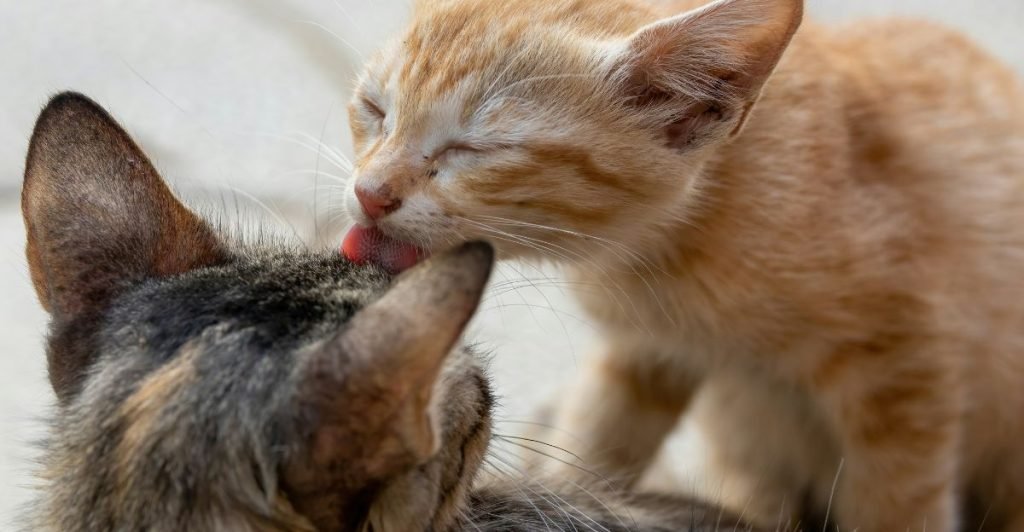
Have you ever watched cats carefully licking each other and wondered why they do it? It’s more than just keeping clean.
When cats groom each other, they are sharing something special that goes beyond appearance. Understanding this behavior can help you see your feline friends in a whole new light. Keep reading, and you’ll discover the surprising reasons behind this affectionate act and what it means for your cat’s well-being.

Credit: www.youtube.com
Social Grooming In Cats
Social grooming in cats is much more than just keeping each other clean. It’s a vital way cats build trust and strengthen their bonds. If you watch your cats closely, you’ll notice grooming acts as a silent conversation, full of meaning and emotion.
How Cats Groom Each Other
Cats use their tongues to gently lick their companions, focusing on areas that are hard to reach alone like the head and neck. This behavior usually happens between cats who share a close relationship, such as siblings or a mother and her kittens.
Sometimes, you might see a cat pause to nuzzle or softly bite while grooming. These subtle actions show affection and help calm both cats. Have you noticed your cats grooming each other after a stressful event? It’s their way of saying, “I’m here with you.”
Common Grooming Behaviors
- Licking:The main grooming action, aimed at removing dirt and loose fur.
- Nibbling:Gentle bites that help untangle fur and express care.
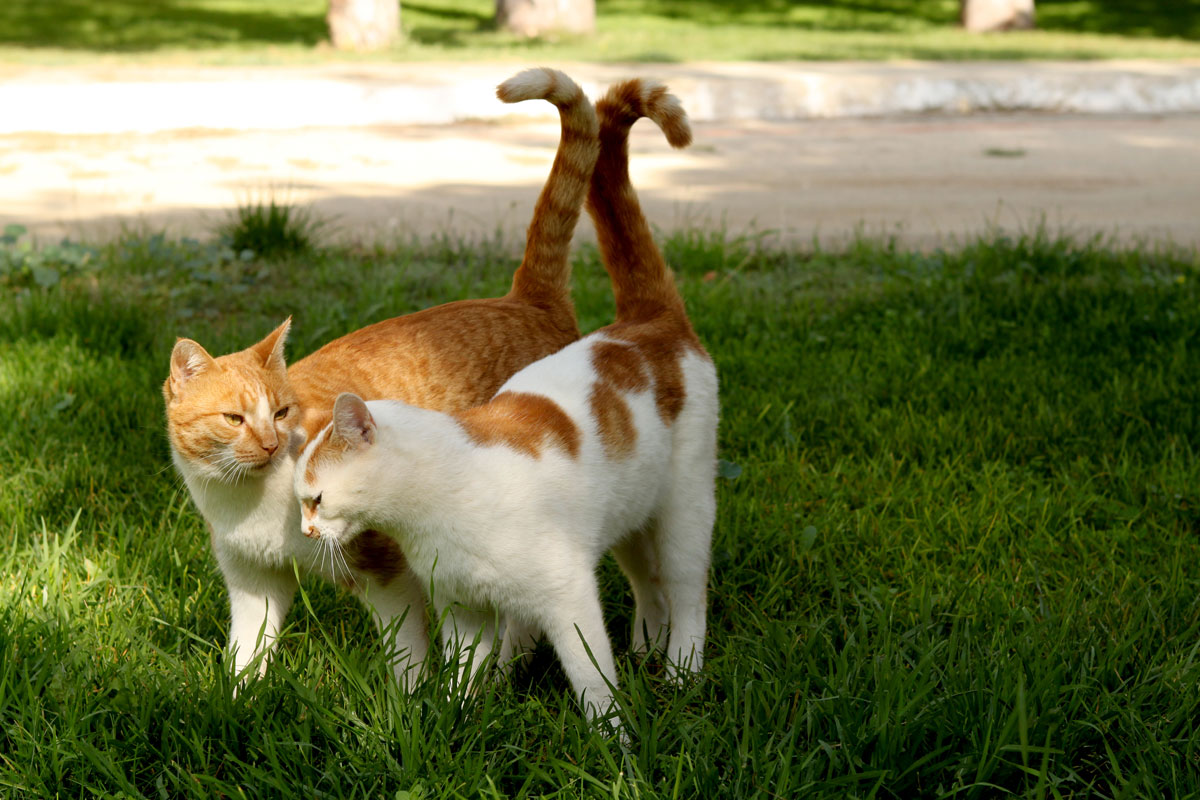
- Head Rubbing:Cats press their heads together or against each other to share scents and reinforce group identity.
- Purring:Often accompanies grooming, signaling comfort and happiness.
Understanding these behaviors can help you see your cats’ social dynamics more clearly. Next time your cats groom each other, watch closely—it’s a peek into their unique social world. How do your cats communicate affection through grooming?
Credit: www.companionanimalpsychology.com
Building Feline Relationships
Cats grooming each other is much more than a simple act of cleanliness. It plays a vital role in building and maintaining their social relationships. Understanding this behavior can give you a clearer picture of how cats communicate and connect with each other.
Strengthening Social Bonds
Mutual grooming, also called allogrooming, helps cats build trust and friendship. When your cats groom each other, they share a moment of calm and comfort that tightens their bond.
Think about your own friendships—simple shared activities often bring people closer. Cats do the same through grooming, signaling acceptance and affection.
Next time you see your cats grooming, notice how relaxed and content they look. This peaceful interaction is their way of saying, “You’re part of my group.”
Hierarchy And Grooming
Grooming also plays a role in establishing social order among cats. Usually, higher-ranking cats groom those lower in the hierarchy more often than the other way around.
This behavior isn’t about dominance alone; it helps keep peace within the group. By allowing grooming, lower-ranking cats accept their place, reducing conflicts.
Have you observed one cat always initiating grooming? This might be a sign of their leadership role. Recognizing these patterns helps you understand your cats’ social dynamics better.
Benefits Of Mutual Grooming
Mutual grooming is more than just a cute behavior among cats. It offers important benefits that help them live healthier and happier lives. Cats use grooming to care for each other’s fur and skin. This simple act helps build strong bonds and supports their overall well-being.
Health And Hygiene
Mutual grooming helps cats stay clean and free from dirt. Cats reach places they cannot clean alone, like the back of the head. Grooming removes loose fur, dirt, and parasites. This keeps their skin healthy and reduces the risk of infections. It also spreads natural oils across their fur, making it soft and shiny.
Stress Reduction
Grooming each other calms cats and lowers stress. The gentle licking feels soothing and safe. It helps reduce anxiety and creates a sense of comfort. Cats that groom each other often show less aggressive behavior. This act builds trust and strengthens their social bonds.
Credit: basepaws.com
Grooming And Communication
Cats use grooming as more than just cleaning. It is a key way they communicate and bond with each other. Grooming helps cats share feelings and build strong social connections. This behavior sends clear messages about their relationships and trust.
Signals And Messages
When cats groom each other, they send important signals. It shows friendliness and calmness. Grooming can lower stress and make cats feel safe together. Cats also use grooming to say, “You are part of my group.”
Through grooming, cats communicate without words. They share comfort and care. It also helps them avoid fights by showing peaceful intentions.
Recognizing Trust
Grooming is a sign of trust between cats. A cat only grooms another if it feels safe. This act means, “I trust you and accept you.”
Trust grows as cats groom more often. It builds their friendship and closeness. Cats that groom each other usually live in harmony. This bond helps them protect each other and stay united.
Factors Influencing Grooming Habits
Understanding why cats groom each other means looking at various factors that influence this behavior. Grooming habits are not random; they change depending on several important elements in a cat’s life. These factors affect how often and how deeply cats engage in mutual grooming.
Age And Experience
Young cats tend to groom less frequently and less thoroughly than older cats. As cats grow, they learn grooming techniques from their mothers and peers, gaining experience that improves their grooming skills. You might notice that older cats take the lead in grooming sessions, showing patience and care that comes with age.
If you observe a kitten trying to groom an older cat, it often looks clumsy or incomplete. This shows how grooming is a learned behavior. Have you ever seen a young cat struggling to reach certain spots? This struggle highlights the role of experience in grooming habits.
Environment And Group Dynamics
The setting where cats live plays a big role in their grooming habits. Cats in larger groups tend to groom each other more to strengthen social bonds. In quieter, solitary environments, cats may groom less often since there are fewer social interactions.
Group dynamics, such as hierarchy and relationships, influence who grooms whom. Dominant cats often receive more grooming, while submissive cats do more grooming. This balance helps maintain peace and trust within the group. Think about your own cats: do you notice who grooms first or most often? This can reveal a lot about their social structure.
When Grooming Becomes Excessive
Grooming is a natural and healthy behavior for cats, but sometimes it can go beyond normal social bonding. When grooming turns excessive, it might signal that something is wrong. Understanding why your cats groom each other too much can help you address potential health or emotional issues early.
Possible Causes
Excessive grooming can stem from several causes, both physical and psychological.
- Stress or Anxiety:Changes in the environment, new pets, or loud noises can make cats uneasy, leading to over-grooming as a coping mechanism.
- Skin Problems:Parasites like fleas, allergies, or infections can cause irritation, prompting cats to groom excessively to relieve discomfort.
- Dominance Behavior:Sometimes, one cat may groom another more than usual to assert social control, which might lead to tension.
- Boredom:Cats left alone without enough stimulation may groom out of boredom, turning it into a repetitive habit.
Signs To Watch For
Keep an eye on your cats to spot if grooming is becoming a problem. Look beyond just the time spent grooming and focus on the effects.
- Hair Loss:Bald patches or thinning fur where grooming is frequent.
- Red or Irritated Skin:Skin that looks inflamed, raw, or scabby.
- Behavior Changes:Cats that seem stressed, hide more, or show aggression during grooming sessions.
- Repeated Grooming in Specific Spots:Concentrated grooming on one area can indicate pain or discomfort.
Have you noticed your cats focusing too much on one another or one cat appearing uncomfortable? Catching these signs early can prevent bigger health problems and help keep your feline friends happy and healthy.
Frequently Asked Questions
Why Do Cats Groom Each Other Regularly?
Cats groom each other to build social bonds and trust. It helps strengthen their relationships and reduces stress. Grooming also keeps their fur clean and free from parasites. This behavior is common among cats that share a close bond or live together.
How Does Mutual Grooming Benefit Cats?
Mutual grooming helps cats stay clean and healthy. It removes dirt and loose fur from hard-to-reach spots. This activity also promotes relaxation and reduces anxiety. Additionally, it reinforces social hierarchy and cooperation within cat groups.
Is Grooming A Sign Of Cat Friendship?
Yes, grooming is a strong sign of friendship in cats. It shows affection and acceptance between cats. When cats groom each other, they express comfort and trust. This behavior indicates a positive social connection and companionship.
Can Grooming Reduce Cat Stress Levels?
Grooming helps reduce stress by releasing calming hormones. It soothes both the groomer and the recipient. This behavior creates a peaceful environment and lowers anxiety. Cats often groom each other to feel safe and secure.
Conclusion
Cats groom each other to build strong bonds and feel safe. This behavior helps them stay clean and healthy too. Grooming shows trust and care among cats in a group. It also helps reduce stress and keeps their fur smooth.
Watching cats groom each other reveals their social nature. Understanding this can deepen your love for your pets. Cats use grooming to connect and show friendship. It is a simple, natural way they communicate.
