

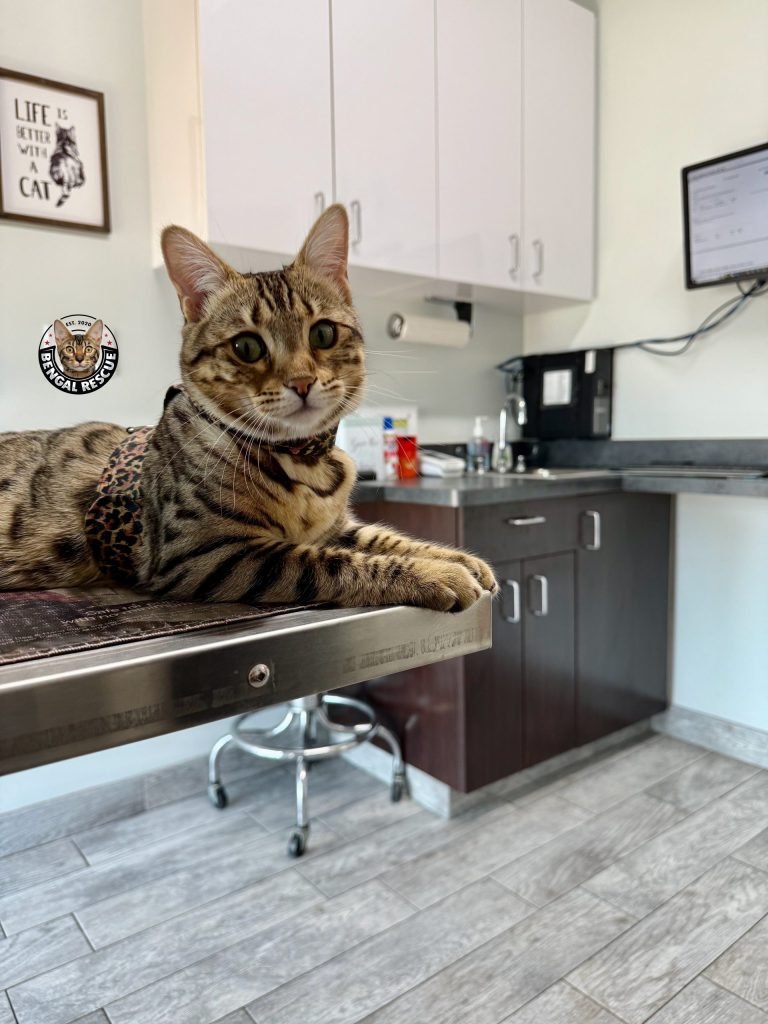
If you own a Bengal cat or are thinking about bringing one into your home, understanding their health is crucial. You want your furry friend to stay happy and lively for years to come.
But Bengal cats can face some unique health problems that you need to be aware of. Knowing what to watch for and how to prevent issues can save you from worry and costly vet visits. Keep reading to discover the most common Bengal cat health problems and how you can keep your pet in the best shape possible.
Your cat’s well-being depends on it!
Common Health Issues
Bengal cats are known for their stunning looks and energetic personalities, but like all breeds, they have health issues you should watch for. Knowing the common health problems helps you catch signs early and give your Bengal the care it needs.
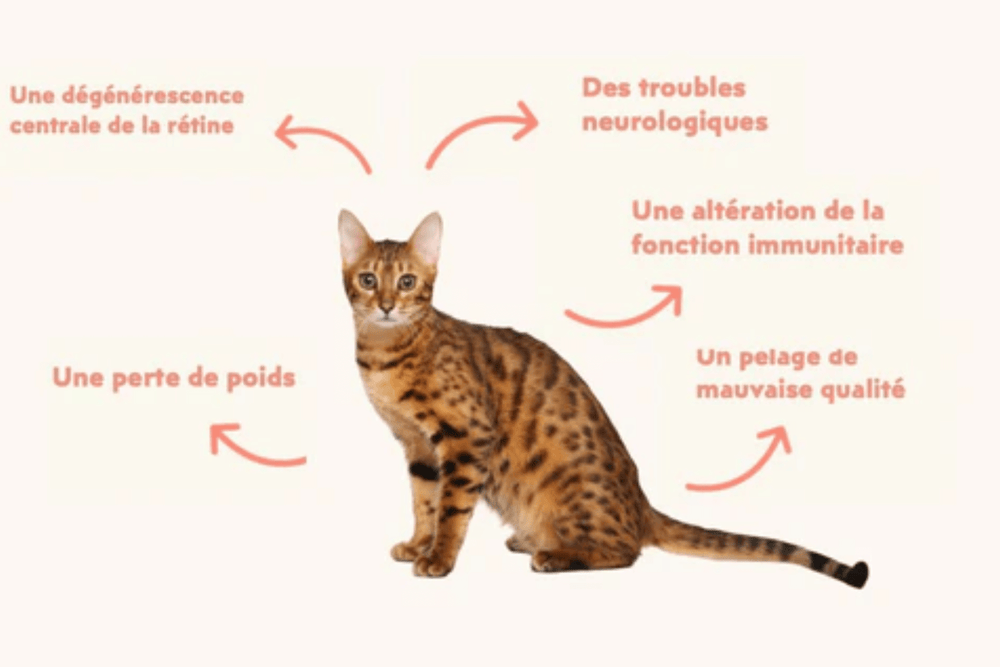
Here are some health challenges Bengal owners often face. Understanding these can make a big difference in your cat’s quality of life.
Hypertrophic Cardiomyopathy
This heart condition causes the walls of the heart to thicken, reducing its efficiency. Bengals can develop this silently, making regular vet check-ups crucial. If your cat seems tired or breathes heavily after play, ask your vet to listen closely for heart murmurs.
Progressive Retinal Atrophy
Progressive Retinal Atrophy (PRA) leads to gradual vision loss. Bengals may start bumping into furniture or seem hesitant in dim light. Early detection is key, so watch for these subtle changes and consult your vet promptly.
Patellar Luxation
This is when the kneecap slips out of place, causing discomfort and limping. It’s common in active cats like Bengals, who love jumping and climbing. If your cat suddenly favors one leg or has trouble jumping, a vet exam can identify this issue early.
Gastrointestinal Problems
Bengals sometimes suffer from digestive troubles such as vomiting or diarrhea. These can be triggered by diet changes, stress, or infections. Keeping a food diary and noting any changes in behavior or appetite can help your vet find the cause faster.
Credit: ziggyfamily.com
Genetic Testing
Genetic testing plays a crucial role in keeping Bengal cats healthy. It helps identify inherited diseases early, allowing you to take preventive measures. Understanding the genetic makeup of your Bengal can save you from future heartache and expensive vet bills.
Importance Of Screening
Screening your Bengal cat for genetic conditions is more than just a precaution—it’s a responsibility. Many health problems in Bengals, like hypertrophic cardiomyopathy (HCM) or progressive retinal atrophy (PRA), can be traced through their genes.
By testing, you catch these issues before symptoms appear. This means you can manage your cat’s health better and make informed breeding choices if you plan to breed. Would you rather wait for symptoms or prevent them altogether?
Available Tests For Bengals
You have several reliable genetic tests designed specifically for Bengals. These tests check for common inherited diseases such as:
- HCM (Hypertrophic Cardiomyopathy)– A heart condition that can cause sudden illness.
- PRA (Progressive Retinal Atrophy)– A disease leading to blindness over time.
- Pyruvate Kinase Deficiency (PK Deficiency)– A blood disorder affecting red blood cells.
Many vets and specialized labs offer these tests with simple cheek swabs or blood samples. Getting these tests done early can guide you in providing the best care and avoiding unexpected health crises.
Nutrition And Diet
Nutrition plays a vital role in maintaining your Bengal cat’s health. A well-balanced diet supports their energy, coat, and overall well-being. Proper feeding can prevent many common health problems in Bengals.
Balanced Feeding Tips
Bengal cats need high-quality protein sources to stay strong and active. Choose foods rich in animal proteins like chicken, turkey, or fish.
- Offer wet and dry food to keep hydration and dental health balanced.
- Feed smaller, frequent meals to match their natural hunting habits.
- Avoid foods with fillers like corn, soy, or wheat that add no nutrients.
- Fresh water should always be available to prevent dehydration.
Supplements For Health
Some Bengals benefit from supplements to fill nutritional gaps. Omega-3 fatty acids promote a shiny coat and healthy skin.
- Probiotics can improve digestion and nutrient absorption.
- Glucosamine supports joint health, especially in active cats.
- Always consult a vet before adding supplements to your cat’s diet.
Regular Vet Visits
Keeping your Bengal cat healthy means staying on top of regular vet visits. These checkups help catch health problems early, especially since Bengals can be prone to certain genetic issues. You might think your cat looks fine, but subtle signs can easily be missed without a professional’s eye.
Vaccination Schedule
Vaccinations protect your Bengal from common feline diseases like feline leukemia virus (FeLV) and feline distemper. Your vet will set a vaccination schedule tailored to your cat’s age and lifestyle. Kittens need a series of shots in their first months, and adult cats require boosters annually or every three years.
Missing vaccines can leave your Bengal vulnerable to serious illnesses. Ask your vet what vaccines are essential based on your environment and your cat’s habits. Keeping a vaccination record helps you stay organized and ensures your Bengal stays protected.
Routine Checkups
Routine checkups give your vet a chance to examine your Bengal’s overall health, including teeth, weight, and coat condition. Bengals may develop heart or kidney problems as they age, and these can be caught early during exams. Your vet might also suggest blood tests or urine analysis to spot hidden issues.
Have you noticed any changes in your cat’s behavior or appetite? Mentioning these during checkups can guide your vet to the right diagnosis. Regular visits also allow you to ask questions and learn more about your Bengal’s specific health needs.
Exercise And Enrichment
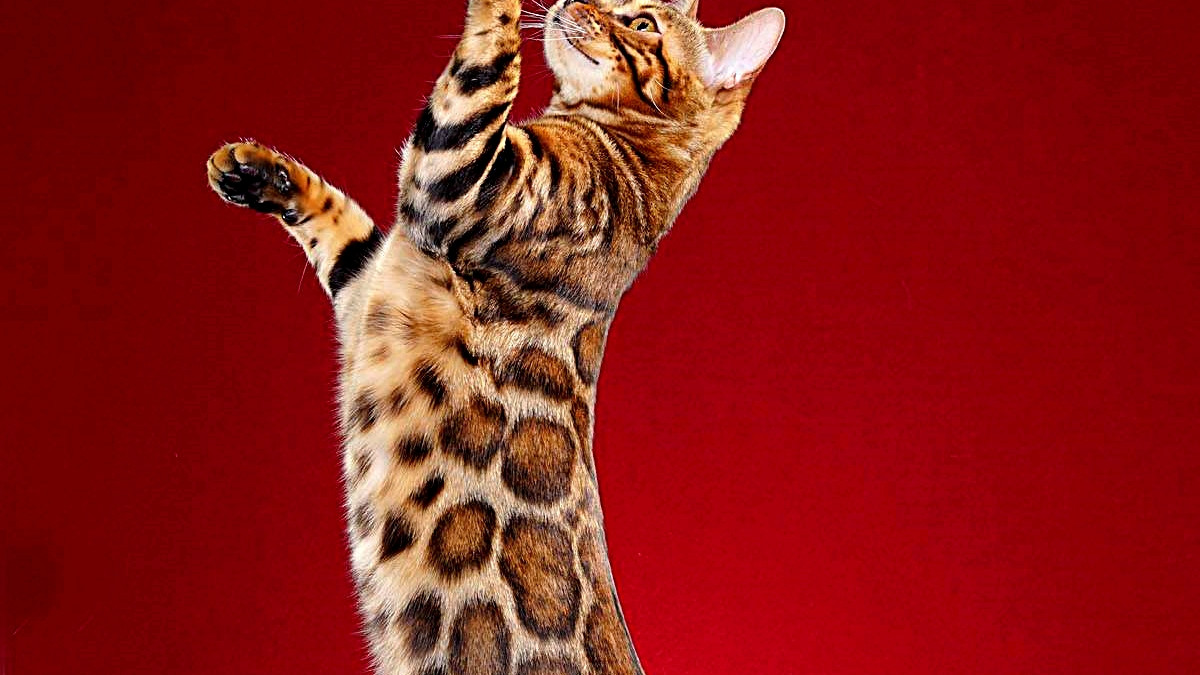
Bengal cats are active and intelligent creatures. They need regular exercise and mental challenges. Exercise and enrichment help keep them healthy and happy. Without enough activity, Bengals may face health issues.
Preventing Obesity
Obesity is a common problem in Bengal cats. It can lead to diabetes and joint pain. Regular exercise helps burn calories and maintain weight. Encourage your cat to run and jump daily. Use toys like laser pointers, feather wands, or balls. Create climbing spaces with cat trees or shelves. These activities keep muscles strong and support overall health.
Mental Stimulation
Bengals are smart and curious animals. They need mental challenges to stay sharp. Puzzle feeders and treat-dispensing toys work well. Rotate toys often to keep their interest high. Teach simple tricks using rewards and patience. Mental stimulation reduces boredom and destructive behavior. It improves your cat’s quality of life and wellbeing.
Credit: pethelpful.com
Recognizing Symptoms Early
Spotting Bengal cat health problems early helps protect your pet. Cats often hide pain or illness well. Careful observation can catch issues before they worsen. Knowing what to watch for improves your cat’s quality of life. Small changes in behavior or body might signal a problem.
Behavioral Changes
Watch for shifts in your Bengal’s usual actions. Signs include:
- Less activity or play than normal
- Hiding or avoiding contact with family
- Increased aggression or irritability
- Loss of appetite or sudden food refusal
- Excessive grooming or scratching
- Changes in sleeping patterns or restlessness
These changes might mean discomfort or illness. Early notice allows for quick care.
Physical Signs
Look closely at your Bengal’s body for unusual signs. Common physical symptoms include:
- Weight loss or gain without reason
- Swollen or painful joints
- Hair loss or dull coat
- Discharge from eyes or nose
- Difficulty breathing or coughing
- Vomiting or diarrhea
Noticing these signs early helps prevent serious health issues. Regular checks keep your Bengal healthy.
Treatment Options
Treating Bengal cat health problems requires careful attention and timely action. Treatment options vary depending on the condition and severity. Early diagnosis improves the chances of successful treatment. Owners should work closely with veterinarians for the best care. Treatments aim to relieve symptoms and promote healing effectively.
Medications
Medications help manage many common Bengal cat health issues. Vets often prescribe antibiotics for infections. Anti-inflammatory drugs reduce swelling and pain. Special supplements support joint health and immunity. Always follow the vet’s dosage instructions carefully.
- Antibiotics for bacterial infections
- Anti-inflammatory drugs for pain relief
- Supplements for joint and immune support
- Medications for skin conditions and allergies
Regular medication checks ensure the cat’s condition improves. Monitor for side effects and report any concerns to the vet immediately.
Surgical Interventions
Surgery may be necessary for serious Bengal cat health problems. Common reasons include removing tumors or repairing injuries. Some congenital issues require surgical correction early in life. Surgery demands skilled veterinary care and post-operative monitoring.
- Removal of tumors or cysts
- Repair of fractures or injuries
- Correction of congenital defects
- Dental surgeries for severe oral problems
Post-surgery care involves pain management and wound care. Keeping the cat calm and comfortable supports faster recovery.
Credit: pethelpful.com
Breeding Considerations
Breeding Bengal cats requires careful thought beyond just selecting beautiful coats and striking patterns. The health of future generations depends heavily on the choices breeders make. Focusing on breeding considerations can help you avoid passing on genetic issues and ensure your Bengals live long, vibrant lives.
Health Screening For Breeders
Health screening is essential before you decide which Bengals to breed. Screening tests can identify hereditary diseases like hypertrophic cardiomyopathy (HCM) and progressive retinal atrophy (PRA).
Ask yourself: Are you prepared to invest in genetic testing for both parents? This step helps reduce the risk of serious health problems in kittens.
Many responsible breeders use DNA tests and regular veterinary check-ups as part of their process. Sharing these results with potential buyers builds trust and shows your commitment to healthy Bengals.
Ethical Breeding Practices
Ethical breeding means prioritizing the cat’s well-being over profit or appearance. This includes not breeding cats with known health issues or poor temperaments.
Consider the long-term impact of your choices. Are you breeding only to improve the breed’s health and behavior, or just to produce more kittens quickly?
Keeping detailed records, providing proper care, and socializing kittens early are all part of ethical breeding. These practices increase the chances of raising happy, healthy Bengals that thrive in their new homes.
Frequently Asked Questions
What Are Common Bengal Cat Health Problems?
Bengal cats often face heart disease, hip dysplasia, and progressive retinal atrophy. Regular vet check-ups can detect these early. Maintaining a healthy diet and exercise helps prevent some issues.
How To Recognize Bengal Cat Heart Disease?
Signs include lethargy, difficulty breathing, and fainting. Early diagnosis via echocardiogram is crucial. Prompt treatment improves Bengal cats’ quality of life significantly.
Are Bengal Cats Prone To Hip Dysplasia?
Yes, Bengal cats can develop hip dysplasia. It causes joint pain and mobility issues. Regular vet exams and weight management help reduce risks.
Can Bengal Cats Get Hereditary Eye Diseases?
Yes, progressive retinal atrophy is common in Bengals. It leads to vision loss over time. Early detection allows better management and care.
Conclusion
Bengal cats need regular health checks to stay happy and strong. Watch for signs of common problems early. Good care and a healthy diet help prevent many issues. Keep your cat active and stress-free for better health. Visit the vet often to catch problems on time.
Knowing these health risks helps you protect your Bengal cat. A healthy Bengal is a joyful companion for years. Take small steps daily for your cat’s well-being.
