

Have you ever wondered why your cat suddenly darts across the room or stares intently at a shadow on the wall? Understanding your cat’s behavioural adaptations can unlock the secrets behind these curious actions.
These natural instincts help cats survive, communicate, and thrive in their environment. By learning how your feline friend adapts, you’ll not only deepen your bond but also improve how you care for them every day. Keep reading to discover the fascinating ways your cat’s behaviour is shaped by nature—and how you can respond to their needs better than ever before.
Physical Traits For Survival
Cats have evolved physical traits that help them survive in the wild. These traits allow them to hunt, protect themselves, and navigate their environment. Understanding these traits reveals how cats stay alive and thrive.
Sharp Claws And Teeth
Cats use their sharp claws to catch and hold prey. Their claws also help them climb trees quickly. Strong, pointed teeth allow cats to tear meat easily. These teeth are perfect for hunting and eating small animals.
Enhanced Senses
Cats have excellent vision, especially in low light. Their eyes help them see during dawn and dusk when prey is active. Their hearing is very sensitive, catching even quiet sounds. Cats also have a strong sense of smell to detect nearby animals.
Flexible Bodies
Cats have flexible spines that let them twist and turn quickly. This helps them jump high and land safely. Their flexible bodies also allow them to squeeze into small spaces for hiding or hunting. This agility is key for survival in many environments.
Hunting Techniques
Cats have sharp hunting skills shaped by nature. Their hunting techniques help them catch prey efficiently. These skills are vital for survival and show their clever behavior. Understanding these techniques reveals how cats use their bodies and senses to hunt.
Stalking And Pouncing
Cats move slowly and quietly to get close to their prey. They keep low to the ground and watch carefully. Their eyes focus on every small movement. When near enough, they suddenly jump to catch the prey. This quick pounce needs perfect timing and strength.
Nocturnal Hunting
Cats are mostly active at night. Their eyes can see well in the dark. Hunting at night helps avoid bigger predators. It also gives them a better chance to surprise prey. Nighttime hunting is a smart way to find food safely.
Silent Movement
Cats walk softly on padded paws. This quiet step stops prey from hearing them. Their flexible bodies allow smooth and slow movements. Silent walking helps cats stay hidden until they are ready to strike. This skill makes cats excellent hunters.
Communication Styles
Cats communicate in many ways to express their feelings and needs. Their communication styles help them connect with humans and other cats. These styles include sounds, movements, and scents. Understanding these signals can improve your bond with your cat.
Vocalizations
Cats use different sounds to share messages. Meowing is common, often used to get attention or ask for food. Purring usually shows contentment but can also signal pain or stress. Hissing warns others to stay away. Chirps and trills often express curiosity or excitement. Each sound tells a story about the cat’s mood.
Body Language
Body posture and movements speak volumes for cats. A raised tail means friendliness and confidence. Flattened ears and a low body show fear or aggression. Slow blinking signals trust and relaxation. Flicking the tail can indicate irritation or excitement. Watching these signs helps to read what the cat feels.
Scent Marking
Cats use scent to mark territory and communicate ownership. They rub their cheeks and bodies on objects to leave scent marks. Scratching also spreads their scent through glands in their paws. This behavior helps cats feel safe and signals to others that an area is claimed. It plays a big role in their social life.
Territorial Behavior
Cats mark their space to keep others away and feel safe. This behavior helps them protect food and rest areas. Territorial actions show their natural need to control their environment.
Cats are fascinating creatures, often displaying behaviors that captivate and sometimes puzzle their human companions. One intriguing aspect of their behavior is their territorial nature. Understanding how cats establish and maintain their territory can offer insight into their daily activities and interactions with other animals and humans. Let’s dive into the different aspects of territorial behavior, which can help you better understand your feline friend.Marking Territory
Cats have a unique way of marking their territory that goes beyond simple ownership. They use scent glands located on their cheeks, paws, and even their tails to leave behind their signature scent. You might notice your cat rubbing against furniture, walls, or even you! This isn’t just affection—it’s a clear message to other animals that this space is claimed. Scratching also plays a crucial role. It’s not just about keeping their claws sharp; it’s about leaving a visual and scent marker. Have you ever wondered why your cat scratches the couch despite having a scratching post? They might be marking a frequently used area to reinforce their presence.Defending Space
Once a cat has marked its territory, defending it becomes a priority. Cats can exhibit a range of behaviors when they feel their space is threatened. This can include hissing, growling, or even swatting at perceived intruders. If you’ve ever introduced a new pet to your home, you may have seen this firsthand. Cats are particularly sensitive to changes in their environment. A new piece of furniture or a visiting friend can trigger defensive behavior. Ensuring your cat has a safe space they can retreat to can help mitigate stress and aggression.Territory Size Variation
Not all cats have the same territorial needs. Factors like breed, age, and personality can influence how much space they require. For instance, a solitary indoor cat may consider your entire apartment as its domain, while an outdoor cat might roam several blocks. Cats’ territories can overlap, especially if they share a home with other cats. In multi-cat households, each cat may have a preferred area where they feel most comfortable. Observing where your cat spends the most time can offer clues about their personal territory preferences. Understanding territorial behavior in cats not only fosters a harmonious home environment but also deepens your bond with your furry friend. How does your cat express its territorial nature? Share your experiences in the comments!Social Adaptations
Cats have evolved unique social adaptations that shape their interactions with others and influence their survival strategies. Understanding these behaviors can help you better connect with your feline companions and respect their natural instincts. These social traits vary widely, reflecting the diverse lifestyles cats have adapted to.
Solitary Vs Social Cats
Not all cats are social creatures. Many domestic cats prefer solitude, spending most of their time alone to hunt or rest. However, some breeds and populations thrive in groups, especially where food is abundant.
Solitary cats often mark territory with scent glands to avoid conflicts. Social cats, on the other hand, develop complex communication methods to coexist peacefully. Knowing your cat’s social style can improve how you care for and interact with them.
Mother-kitten Bonds
The bond between a mother cat and her kittens is one of the strongest social adaptations. Mothers teach survival skills such as hunting and grooming through gentle guidance and observation. This early socialization impacts how kittens behave as adults.
Have you noticed how your cat still follows some behaviors learned from their mother? This connection shapes their confidence and social skills. Supporting this bond during kittenhood can lead to more well-adjusted cats.
Group Dynamics
In groups, cats establish social hierarchies that reduce conflict and organize resources. Dominant cats usually control prime resting spots and food sources while others accept their roles to maintain peace. This balance keeps the group stable.
Group living also encourages cooperative behaviors like grooming each other to strengthen bonds. Watching your cats interact can reveal subtle signals like tail flicks or ear positions that communicate status and mood. How well do you understand your cat’s social cues?
Adaptations To Environment
Cats have evolved unique behaviours to live well in different environments. These adaptations help them find food, stay safe, and reproduce. Their flexible nature allows them to survive in cities, cold places, and wild areas. Understanding these traits shows how cats thrive around the world.
Urban Survival
Cats in cities change their habits to avoid dangers. They become more active at night to escape busy streets. They learn to hide and find food near humans. Cats use quiet spots like parks and alleys for hunting small animals. They also avoid loud noises and large crowds. This cautious behaviour helps them stay safe and healthy in urban areas.
Adaptation To Climate
Cats adjust their behaviour to match the weather. In cold climates, they grow thicker fur to stay warm. They also reduce activity during freezing temperatures to save energy. In hot places, cats rest in shaded areas and stay still during midday heat. They groom themselves more to cool down by evaporation. These changes help cats survive in both hot and cold environments.
Shelter Seeking
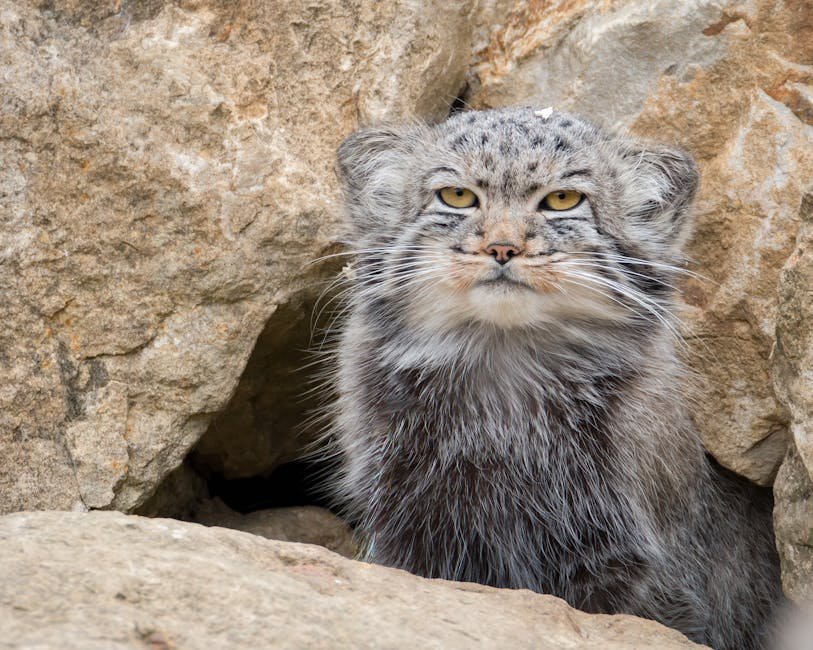
Cats always look for safe and warm shelters. They use natural places like bushes, tree holes, and rock crevices. In cities, cats find shelter under cars, inside buildings, or in quiet corners. Shelters protect cats from predators and bad weather. They often return to the same safe spots to rest and raise kittens. This behaviour shows how important shelter is for their survival.
Frequently Asked Questions
What Are Common Cat Behavioural Adaptations?
Cats adapt by hunting stealthily, marking territory, and grooming to stay clean. These behaviours enhance survival and communication.
How Do Cats Use Body Language To Adapt?
Cats communicate mood and intentions through tail position, ear movement, and eye contact. This helps avoid conflicts and attract mates.
Why Do Cats Purr As An Adaptive Behaviour?
Purring soothes cats and signals contentment. It can also promote healing and strengthen bonds with humans and other cats.
How Do Cats Adapt Their Hunting Techniques?
Cats use stalking, patience, and quick pounces to catch prey. These techniques improve success and conserve energy.
Conclusion
Cats adapt their behavior to survive and thrive in many ways. Their sharp senses help them hunt and stay safe. They use body language to communicate with others. Cats also change their habits to fit new environments. Understanding these adaptations helps us care for them better.
Watching cats closely reveals how smart and flexible they are. Their behavior shows a balance of instinct and learning. This makes cats fascinating pets and wild animals alike.
