

If you have a Persian cat, you know their beauty comes with a bit of work. Their long, luxurious fur can quickly become tangled and matted without the right care.
But don’t worry—grooming your Persian cat doesn’t have to be a struggle. In fact, with the right tips and tools, you can keep your furry friend looking healthy and happy. Ready to discover simple ways to make grooming easier and more enjoyable for both you and your cat?
Keep reading to unlock the secrets of perfect Persian cat grooming.
Credit: www.petscare.com
Daily Brushing Routine
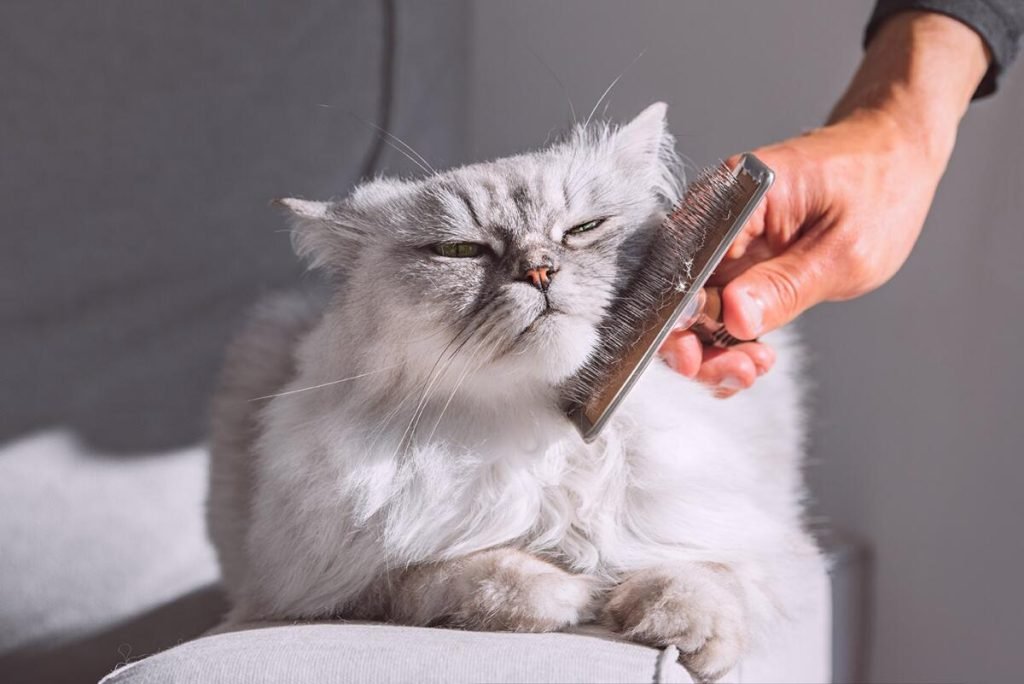
Daily brushing is essential for keeping a Persian cat’s fur healthy and shiny. Their long hair can easily tangle and form mats without regular care. Spending a few minutes each day on brushing helps prevent knots and reduces shedding. It also keeps the skin clean and promotes good blood flow. Establishing a routine makes grooming easier and more comfortable for your cat.
Choosing The Right Brush
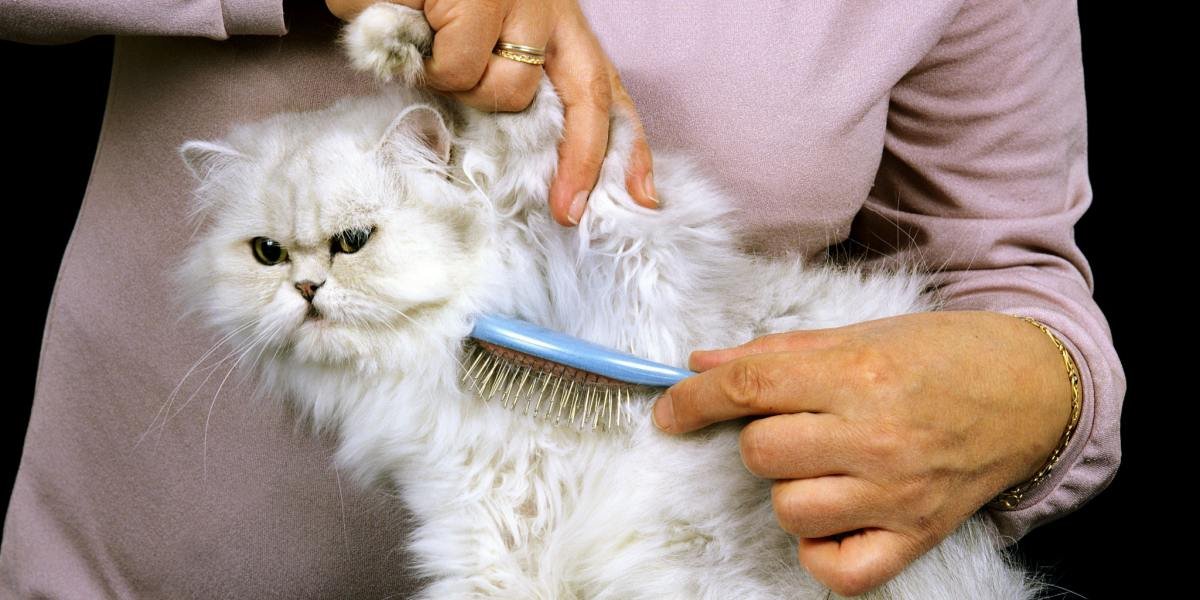
Selecting the right brush makes brushing more effective and gentle. Use a wide-toothed comb or a slicker brush for daily grooming. These tools reach the undercoat and remove loose hair without hurting your cat’s skin. Soft bristle brushes work well for the face and delicate areas. Avoid brushes with sharp edges that might irritate your cat.
Techniques For Tangle-free Fur
Start brushing from the head and move toward the tail. Use slow, gentle strokes to avoid pulling on the fur. Separate the hair into small sections to check for hidden tangles. Hold the base of the hair near the skin to reduce discomfort. For stubborn knots, use a detangling spray or a comb to loosen them carefully. Brush daily to stop mats from forming and keep your Persian’s coat smooth and soft.
Bathing Your Persian Cat
Bathing a Persian cat keeps its coat clean and healthy. Regular baths prevent matting and reduce shedding. Persian cats have long, thick fur that needs gentle care during baths. Proper bathing also helps control skin issues and keeps the cat comfortable.
Selecting Suitable Shampoo
Choose a shampoo made for cats, not humans. Look for gentle, hypoallergenic formulas. Avoid harsh chemicals that can irritate the skin. Shampoos with moisturizing ingredients work well for Persian fur. A mild shampoo helps maintain natural oils and shine.
Step-by-step Bathing Process
- Brush the fur carefully to remove tangles.
- Fill the sink or tub with warm water.
- Wet the cat slowly, avoiding the head.
- Apply shampoo evenly, massaging gently into the fur.
- Rinse thoroughly to remove all shampoo.
- Clean the face with a damp cloth, not water directly.
- Keep the cat calm and speak softly throughout.
Drying Methods For Soft Fur
Use a soft towel to blot excess water. Avoid rubbing, which can tangle the fur. A blow dryer on low, cool setting helps dry faster. Keep the dryer moving to prevent heat spots. Brush the fur gently while drying to avoid mats. Allow the cat to air dry in a warm room if possible.
Eye And Face Care
Persian cats have beautiful faces that need special care. Their eyes and face can collect dirt and tear stains. Cleaning these areas helps keep your cat healthy and happy. Regular care prevents infections and keeps your cat looking its best.
Managing Tear Stains
Tear stains are common in Persian cats. These stains appear as reddish marks below the eyes. They happen because of excess tears or blocked tear ducts. Clean the stains gently every day. Use a soft cloth or cotton pad dampened with warm water.
- Wipe from the inner corner outward.
- Do not rub hard to avoid irritation.
- Use a tear stain remover if needed, but check with your vet first.
Keep your cat’s bedding clean to reduce tear stains. Change it often to avoid bacteria buildup. Healthy eyes need a clean environment.
Cleaning Around The Eyes Safely
Use only gentle products designed for cats. Avoid harsh chemicals or soaps. Clean your hands before touching your cat’s face. This prevents spreading germs.
- Use a damp cotton ball or soft cloth.
- Hold your cat gently to keep it calm.
- Wipe softly around the eyes, never inside the eye.
- Dry the area carefully with a clean cloth.
Regular cleaning keeps your Persian’s face fresh and healthy. Watch for redness or swelling. Contact your vet if you see unusual signs.
Credit: hellopetsinc.com
Nail And Paw Maintenance
Nail and paw maintenance is a crucial part of keeping your Persian cat comfortable and healthy. Neglecting this area can lead to pain, infections, and mobility problems. Paying attention to your cat’s nails and paws helps prevent these issues and keeps your furry friend feeling their best.
Trimming Tips
Regular nail trimming keeps your cat’s claws from becoming too long or sharp. Use a pair of nail clippers designed specifically for cats to avoid splitting or crushing the nails.
Try to trim only the sharp tips, avoiding the pink area called the quick, which contains blood vessels. If your cat resists, distract them with treats or gentle petting to make the experience less stressful.
Remember, trimming nails every two to three weeks usually works well. Have styptic powder or cornstarch nearby in case you accidentally cut the quick and cause bleeding.
Keeping Paws Healthy
Check your Persian’s paws regularly for signs of injury, irritation, or infection. Look between the toes for dirt, debris, or redness, which can cause discomfort or lead to more serious problems.
Wiping your cat’s paws with a damp cloth after outdoor adventures helps remove harmful substances. Also, ensure their resting areas are clean and free from sharp objects that might hurt their delicate paws.
If you notice limping, swelling, or excessive licking of the paws, consult your vet promptly. Have you ever caught your cat limping only to find a tiny splinter hidden in their paw?
Preventing Matting And Hairballs
Persian cats have long, thick fur that requires special care. Preventing matting and hairballs keeps your cat comfortable and healthy. Regular grooming and good habits reduce these common problems.
Identifying Early Signs Of Mats
Mats feel like tight clumps of fur on your cat’s coat. They often form behind the ears, under the legs, and around the neck. Your cat may scratch or bite these areas more. Fur may look tangled or uneven. Early mats are soft and easier to remove. Hard mats can pull the skin, causing pain. Check your cat’s coat weekly to catch mats early.
Diet And Hydration Tips
A healthy diet supports your cat’s skin and fur. Foods rich in omega-3 and omega-6 fatty acids improve coat shine and reduce shedding. Fresh water helps keep fur smooth and prevents dryness. Wet food adds moisture to the diet, aiding hydration. Avoid overfeeding to prevent obesity, which can limit grooming ability. Balanced nutrition lowers the risk of hairballs by promoting healthy digestion.
Professional Grooming Services
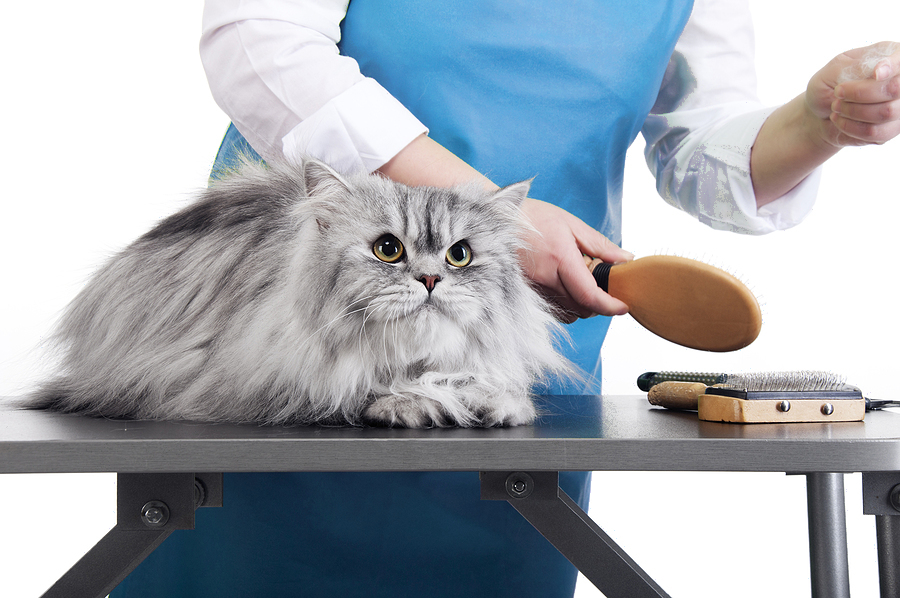
Professional grooming services play a vital role in keeping Persian cats healthy and beautiful. Their long fur needs special care to avoid mats and tangles. Experts use the right tools and techniques to maintain the coat and skin. Grooming sessions also help spot health issues early, like skin problems or parasites.
Regular visits to a professional groomer save time and reduce stress for both cat and owner. Groomers can trim nails, clean ears, and give thorough baths. These services ensure the cat stays clean and comfortable all year round.
When To Seek Expert Help
Look for expert help if your cat’s fur is tangled or matted. Persistent dirt or odors also need professional cleaning. If your cat resists grooming at home, a groomer can handle it safely. Health issues such as skin redness or hair loss require expert attention. Seasonal shedding times may also call for more frequent grooming visits.
Choosing A Groomer
Pick a groomer with experience in Persian cats. Check reviews and ask for recommendations from other cat owners. The groomer should use gentle tools and take care not to stress the cat. Visit the salon beforehand to see the cleanliness and safety measures. Make sure the groomer understands the specific needs of Persian cats.
Seasonal Grooming Adjustments
Adjusting your Persian cat’s grooming routine with the seasons can make a big difference in their comfort and coat health. Each season brings unique challenges, from shedding bursts to climate changes that affect fur condition. Understanding these shifts helps you keep your cat’s luxurious coat in top shape all year long.
Handling Shedding Periods
Persian cats shed more heavily during seasonal changes, especially in spring and fall. During these periods, increase the frequency of brushing to daily sessions to catch loose fur before it mats or spreads around your home.
Using a wide-toothed comb followed by a soft bristle brush can gently remove dead hair without irritating your cat’s sensitive skin. Have you noticed how your cat seems more restless or tries to groom excessively during these times? It’s their way of coping with the extra fur, and your extra grooming helps relieve their discomfort.
Protecting Fur In Different Climates
Climate affects your Persian’s coat in surprising ways. In dry winter months, their skin can become flaky, so adding a moisturizing grooming spray or using a humidifier in your home can help maintain fur softness and prevent itching.
In hot, humid summers, your cat’s thick coat can trap heat, so trimming the fur slightly or focusing grooming on areas like under the belly and behind the ears can improve air circulation. Have you ever felt your cat’s fur during a heatwave? Adjusting grooming this way keeps them cooler and happier.
Credit: tipptotail.com
Frequently Asked Questions
How Often Should You Groom A Persian Cat?
Persian cats require grooming every day to maintain their coat’s health. Their long, thick fur can easily mat and tangle. Regular grooming also helps reduce shedding and prevents hairballs. It is essential to use a metal comb to gently remove tangles and keep the coat smooth and shiny.
What Tools Are Best For Persian Cat Grooming?
A metal comb, slicker brush, and grooming scissors are essential for Persian cat grooming. A metal comb helps detangle, while a slicker brush removes loose fur. Grooming scissors are useful for trimming any excess fur. These tools ensure your Persian cat’s coat remains healthy and well-maintained.
How Do You Prevent Mats In Persian Cats?
To prevent mats, groom your Persian cat daily using a metal comb. Regular grooming helps remove tangles before they become mats. Pay special attention to areas prone to tangling, like under the legs and behind the ears. Keeping your cat’s coat clean also helps reduce the risk of matting.
Can Persian Cats Groom Themselves Effectively?
Persian cats cannot groom themselves effectively due to their long, thick fur. Their coats require daily assistance from their owners to remain healthy. Regular brushing helps remove dirt, tangles, and loose fur. Owners must also trim their cat’s fur and clean their eyes to prevent tear staining.
Conclusion
Caring for a Persian cat takes time and patience. Regular grooming keeps their coat soft and healthy. Brushing often stops mats and hairballs. Clean their eyes to avoid irritation. Use gentle tools and calm hands. This care helps your cat feel happy and loved.
A well-groomed Persian looks beautiful and stays comfortable. Enjoy the bonding moments during grooming sessions. Small daily efforts make a big difference. Keep your Persian cat shining and healthy with care.
