

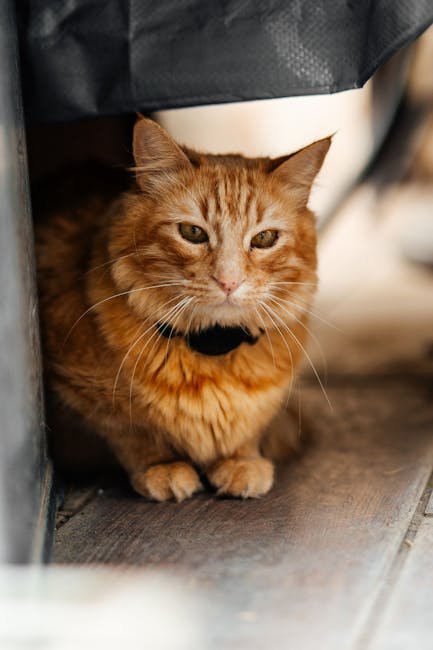
Are you curious about which domestic cats grow to impressive sizes? If you’ve ever wondered how big a house cat can really get, you’re in the right place.
Knowing about the largest breeds can help you decide if one of these gentle giants might be the perfect fit for your home. Keep reading, and you’ll discover fascinating facts that could change the way you see your feline friends forever.
Giant Cat Breeds
Giant cat breeds stand out with their impressive size and unique looks. These cats often have strong, muscular bodies and thick fur. They can weigh much more than average cats. Their size makes them gentle giants in many homes. People love their playful and friendly nature. These breeds often enjoy being part of the family and are great companions.
Maine Coon Characteristics
The Maine Coon is one of the largest domestic cats. Males can weigh up to 18 pounds or more. They have long, thick fur that keeps them warm. Their bushy tails and tufted ears add to their wild look. Maine Coons are friendly and social. They enjoy playing and are good with children and pets. Their large paws help them walk on snow easily.
Savannah Cat Traits
Savannah cats are tall and lean but very strong. They can grow up to 20 inches tall. Their spotted coat looks like a wild leopard. Savannahs are very active and curious. They love to climb and explore high places. These cats form strong bonds with their owners. Their intelligence makes training easier than with other cats.
Norwegian Forest Cat Features
Norwegian Forest Cats have thick, water-resistant fur. This helps them survive cold climates. They have broad chests and strong legs. Adult males can weigh up to 16 pounds. Their almond-shaped eyes and long whiskers give a wise look. These cats are calm but playful. They enjoy climbing trees and spending time outdoors.
Physical Size Comparisons
Understanding the physical size of the largest domestic cat breeds helps you appreciate their unique presence and needs. Size isn’t just about length or weight; it’s also about how their bodies are built and how their fur adds to their overall appearance. Let’s break down these aspects to see what truly sets these big cats apart.
Average Weight And Length
Large domestic cats can weigh anywhere from 15 to over 20 pounds. The Maine Coon, one of the largest breeds, often weighs between 13 and 18 pounds, with some males reaching up to 25 pounds. Lengthwise, these cats can measure over 40 inches from nose to tail tip, which is nearly double the length of an average house cat.
Have you noticed how a cat’s size can affect its agility and playfulness? Bigger cats might move differently but they still love to chase and climb.
Body Structure Differences
Not all large cats carry their weight the same way. Some breeds, like the Norwegian Forest Cat, have muscular, sturdy frames built for endurance and climbing. Others, like the Savannah, have longer legs and leaner bodies, giving them a wild, exotic look.
Think about your own cat’s posture—does it look stocky or sleek? This can hint at its breed’s origins and lifestyle.
Coat And Fur Variations
Coat length and texture also play a big role in how big a cat looks. The Maine Coon’s thick, long fur makes it appear even larger and fluffier. In contrast, the Savannah’s short, spotted coat highlights its lean, athletic build.
Have you ever stroked a large cat and been surprised by how soft or dense their fur feels? These differences affect grooming needs and how much shedding you’ll manage at home.
Personality Of Large Cats
Large domestic cats are not just impressive in size but also in personality. Their character traits often surprise new owners. These cats combine strength with gentle behavior. Understanding their personality helps in creating a happy home for them.
Temperament And Behavior
Large cat breeds tend to be calm and friendly. They usually have a laid-back nature. These cats enjoy quiet environments and avoid stress. Many show loyalty and develop strong bonds with family members. Their gentle demeanor makes them great companions.
Interaction With Owners
Big cats love attention from their owners. They often seek out petting and playtime. These cats are affectionate and enjoy sitting close. Some large breeds follow their owners around the house. They respond well to gentle voices and soft touch.
Activity Levels
Large cats balance playfulness with relaxation. They enjoy bursts of energy but rest often. Daily play sessions keep them healthy and happy. These cats like interactive toys and climbing areas. They prefer activities that stimulate both body and mind.
Care For Large Cat Breeds
Large domestic cat breeds like Maine Coons and Ragdolls are known for their size and gentle nature. Caring for these cats involves providing enough space and nutritious food to support their growth. Regular grooming helps keep their thick fur healthy and tangle-free.
Caring for large cat breeds requires special attention to their unique needs. These majestic felines, with their grand size, demand a well-planned routine. Understanding their dietary, exercise, and health needs is crucial. Each aspect contributes to their well-being and happiness.Dietary Needs
Large cats need more food than smaller breeds. Their diet should be rich in protein to support their muscle mass. Opt for high-quality cat food that lists meat as the first ingredient. Avoid fillers like corn and soy. Fresh water is essential to prevent dehydration. Monitor their food intake to avoid obesity. Treats should be given sparingly.Exercise Requirements
Large breeds require ample exercise to stay healthy. Engage them with interactive toys to stimulate their minds. Create climbing spaces to satisfy their love for heights. Regular play sessions help maintain a healthy weight. Exercise prevents boredom and destructive behavior. Aim for at least 30 minutes of active play daily.Health Considerations
Regular vet check-ups are vital for large breeds. Monitor their weight to prevent joint issues. Watch for signs of heart or respiratory problems. Grooming is important to prevent matting. Check their ears and teeth regularly for infections. Vaccinations and parasite prevention protect their health.Choosing The Right Large Cat
Choosing the right large cat is more than picking a breed that looks impressive. These cats have unique needs that impact your home, lifestyle, and even your health. Understanding what fits your situation helps create a happy environment for both you and your new feline friend.
Living Space Suitability
Large cats need room to move comfortably. If your home is small or crowded, a big cat might feel cramped and stressed. Think about your available space—do you have wide hallways, big rooms, or outdoor access?
Some large breeds, like the Maine Coon, enjoy climbing and exploring vertical spaces. Adding tall cat trees or shelves can make a big difference. Have you considered how much activity your cat will need and whether your home can support it?
Allergy And Grooming Factors
Large cats often have thick or long fur, which means more grooming to prevent mats and hairballs. If you’re not ready to brush your cat regularly, shedding can become overwhelming.
Allergies can be a big concern too. Even if you’re not allergic, visitors might be. Breeds like the Norwegian Forest Cat shed heavily and may trigger reactions. How will you manage grooming and allergies for your household?
Adoption And Breeder Tips
Finding a large cat through adoption can be rewarding but requires patience. Many shelters have big cats waiting for homes, but they might not always have your preferred breed.
If you choose a breeder, research carefully. Look for those who prioritize health and temperament over size alone. Ask about the cat’s history, health screenings, and personality. What qualities matter most to you beyond just size?
Frequently Asked Questions
What Are The Largest Domestic Cat Breeds By Size?
The largest domestic cat breeds include Maine Coon, Savannah, and Norwegian Forest cats. They can weigh between 15 to 25 pounds, with some reaching even larger sizes. These breeds are known for their sturdy build and impressive length.
How Big Can A Maine Coon Cat Grow?
Maine Coons are one of the largest domestic cat breeds. They typically weigh 13 to 18 pounds, but males can reach 25 pounds. Their length can exceed 40 inches, including the tail, making them impressively large and fluffy.
Are Savannah Cats Bigger Than Other Domestic Breeds?
Yes, Savannah cats are among the biggest domestic breeds. They are a hybrid of domestic cats and servals, often weighing 12 to 25 pounds. Their long legs and lean bodies contribute to their larger-than-average size.
Which Breed Holds The Record For The Largest Domestic Cat?
The Maine Coon holds the record for the largest domestic cat breed. Some individuals have weighed over 30 pounds. Their large size, combined with a friendly temperament, makes them popular among cat lovers.
Conclusion
Large domestic cats show us how diverse pets can be. Each breed has its own charm and size. Some grow big and strong, while others stay small and quick. Knowing these breeds helps you choose the right cat for your home.
Big cats need space and care too. They bring joy and companionship in different ways. Think about what fits your lifestyle best. Big or small, cats make great friends.
